Flying vs Driving to Bwindi: Time, Comfort and Price Compared
When planning a gorilla trekking holiday in Uganda, choosing between flying and driving to Bwindi Impenetrable National Park can significantly affect your budget, comfort and available holiday time. Both transport options offer advantages, depending on your travel preferences and safari itinerary.
Flying vs driving to Bwindi is an important consideration for visitors travelling from Entebbe or Kampala. Domestic flights reduce travelling time considerably, while road journeys provide opportunities to explore Uganda’s countryside, visit additional attractions and experience everyday rural life.
Budget travellers may prefer road transport, while honeymooners, senior travellers and visitors with limited holiday time often favour domestic flights. Understanding transport costs, luggage restrictions, road conditions and airstrip locations will help you make an informed decision.
Flying vs Driving to Bwindi: Quick Comparison
The following table compares the main differences between domestic flights and road transport when travelling from Entebbe to Bwindi.
| Travel consideration | Flying to Bwindi | Driving to Bwindi |
|---|---|---|
| Flight or driving duration | 1–2 hours | 8–10 hours |
| Total transfer time | 3–5 hours | 8–11 hours |
| Estimated one-way cost | $250–$500 per person | $150–$700 per vehicle |
| Passenger comfort | Less time travelling | Longer journeys |
| Luggage allowance | Usually 15kg | Depends on vehicle capacity |
| Sightseeing | Aerial landscape views | Countryside and cultural stops |
| Travel flexibility | Scheduled departures | Flexible departure times |
| Weather concerns | Possible flight delays | Muddy roads and slower journeys |
| Best suited for | Short holidays and luxury safaris | Families, groups and extended safaris |
Prices are indicative planning estimates and vary according to availability, vehicle specifications, travel dates and booking arrangements.
Flying to Bwindi Impenetrable National Park
Flying is the quickest way to reach southwestern Uganda from Entebbe. Scheduled domestic flights connect Entebbe International Airport with Kihihi and Kisoro airstrips, which serve different gorilla trekking sectors.
Kihihi Airstrip
Kihihi Airstrip is particularly convenient for visitors trekking mountain gorillas in Buhoma, the northern sector of Bwindi.
After landing, travellers continue to their accommodation using a prearranged safari vehicle. The transfer generally takes one to two hours, depending on accommodation location and road conditions.
Kihihi can also serve visitors travelling towards Ruhija, although longer road transfers may be necessary.
Kisoro Airstrip
Kisoro Airstrip serves visitors travelling to southern Bwindi, particularly Rushaga and Nkuringo.
It is also convenient for travellers visiting Mgahinga Gorilla National Park.
Flights into Kisoro commonly operate during the morning because weather conditions can affect aircraft operations later in the day.
| Gorilla trekking sector | Recommended airstrip |
|---|---|
| Buhoma | Kihihi |
| Ruhija | Kihihi or Kisoro |
| Rushaga | Kisoro |
| Nkuringo | Kisoro |
| Mgahinga | Kisoro |
Confirm your gorilla trekking sector before purchasing domestic flight tickets.
How Long Does Flying to Bwindi Take?
A direct domestic flight from Entebbe to an airstrip serving Bwindi can take approximately one hour and ten minutes. Services involving additional stops may take longer.
However, flight duration alone does not represent your complete travelling time.
You must also consider airport check-in, luggage collection and the road transfer to your accommodation.
A realistic total journey takes approximately three to five hours from airport arrival to lodge check-in.
This leaves sufficient time for relaxation, lunch or an optional community visit before your gorilla trekking adventure.
Advantages of Flying to Bwindi
Saving Valuable Holiday Time
Flying allows visitors to avoid spending most of their first and final safari days travelling by road.
For travellers with only three or four days available, domestic flights provide more opportunities to enjoy forest accommodation and additional activities.
Reduced Travelling Fatigue
Long road journeys can become tiring, particularly for older travellers and visitors with back problems or limited mobility.
Flying reduces the time spent sitting inside a safari vehicle, allowing you to arrive with more energy for gorilla trekking.
Beautiful Aerial Views
Domestic flights provide opportunities to observe Uganda’s lakes, cultivated countryside, mountain ranges and rural settlements.
When weather conditions are favourable, passengers can enjoy impressive views of southwestern Uganda’s mountainous landscapes.
Disadvantages of Flying to Bwindi
Domestic flights generally increase safari expenses because tickets are charged per passenger.
Small safari aircraft also have relatively strict luggage restrictions. A common allowance is 15 kilograms per passenger, including hand luggage.
Soft-sided travel bags are normally preferred because aircraft storage compartments have limited space.
Weather conditions may also cause delays or schedule changes. Avoid arranging international departures immediately after your expected domestic flight arrival.
Driving to Bwindi Impenetrable National Park
Road transport remains a popular choice for travellers visiting southwestern Uganda.
The journey from Kampala or Entebbe generally takes eight to ten hours, depending on your trekking sector, traffic and road conditions.
Most safari routes pass through Masaka and Mbarara before continuing towards Kabale, Kisoro or Kanungu.
The journey introduces travellers to agricultural communities, traditional cattle farms, banana plantations and beautiful mountain scenery.
Popular Stops When Driving to Bwindi
One advantage of road transport is the opportunity to visit interesting attractions along your journey.
Uganda Equator Crossing
The Uganda Equator crossing in Kayabwe is a popular stop for photographs, refreshments and locally produced souvenirs.
Travellers can enjoy a short break before continuing towards western Uganda.
Mbarara
Mbarara provides a convenient location for lunch, refreshments and vehicle refuelling.
The surrounding region is associated with traditional Ankole cattle farming and agricultural activities.
Lake Mburo National Park
Travellers with additional time can spend one night at Lake Mburo National Park before continuing towards Bwindi.
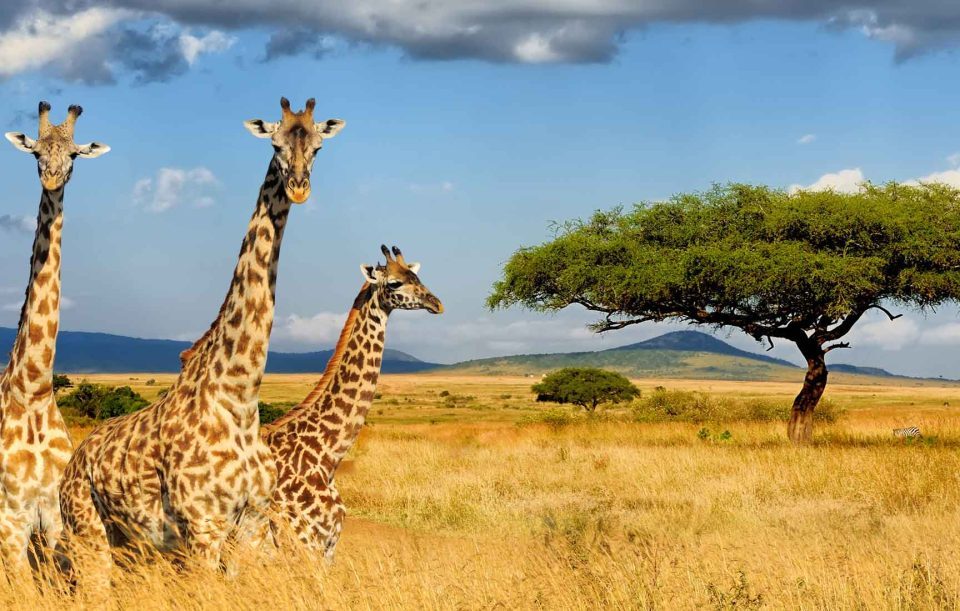
This extension provides opportunities to observe zebras, giraffes, impalas and other wildlife.
Lake Bunyonyi
Lake Bunyonyi offers peaceful accommodation surrounded by terraced hills and beautiful islands.
Including this destination before or after gorilla trekking helps divide lengthy road journeys into more manageable sections.
Advantages of Driving to Bwindi
Road transport provides greater flexibility because you can choose departure times and arrange sightseeing stops.
Families and small groups can share vehicle expenses, making driving particularly economical.
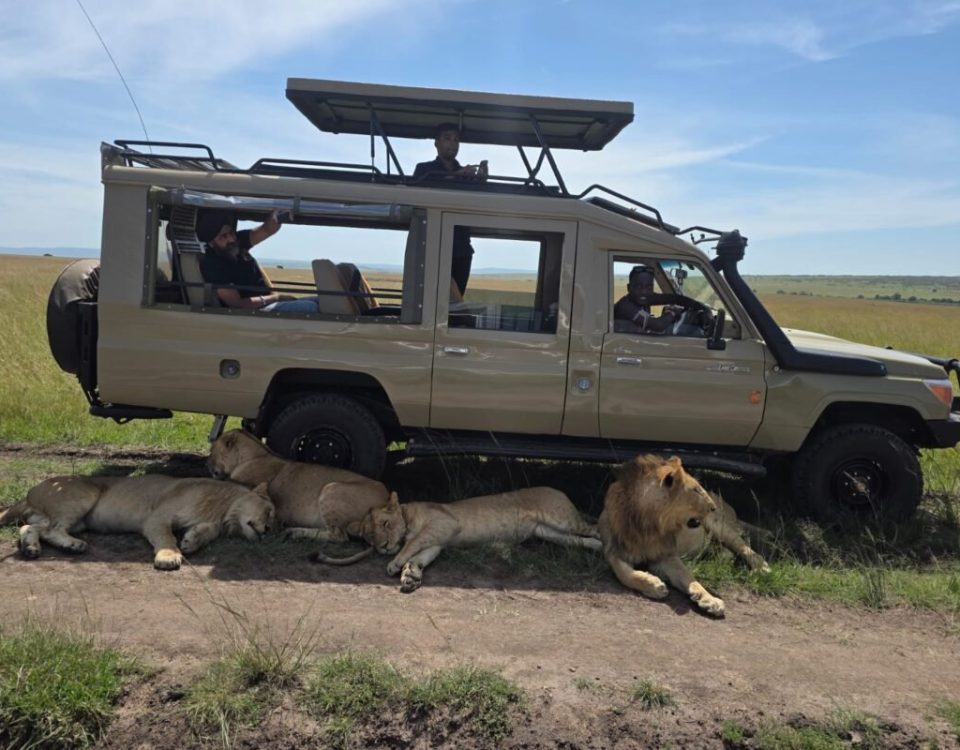
Travellers carrying substantial luggage or professional photography equipment may also find road transport more convenient.
Additionally, driving allows visitors to combine Bwindi with several other destinations, including Queen Elizabeth National Park, Kibale National Park and Lake Mburo National Park.
Disadvantages of Driving to Bwindi
The principal disadvantage is travelling time. Spending eight or more hours inside a vehicle can leave visitors tired.
Some roads approaching Bwindi are steep, narrow and unpaved. Rainfall may create slippery surfaces and muddy sections.
A well-maintained four-wheel-drive vehicle with suitable tyres, comfortable seats and reliable suspension is strongly recommended.
Choose an experienced driver familiar with southwestern Uganda’s mountain roads.
Flying vs Driving to Bwindi: Price Comparison
Transport expenses depend heavily on the number of travellers sharing costs.
Consider the following illustrative comparison, assuming a domestic flight costs $350 per person and a private road transfer costs $500 per vehicle.
| Number of travellers | One-way flight tickets | Private road transfer |
|---|---|---|
| 1 traveller | $350 | $500 |
| 2 travellers | $700 | $500 |
| 3 travellers | $1,050 | $500 |
| 4 travellers | $1,400 | $500 |
| 5 travellers | $1,750 | $500 |
| 6 travellers | $2,100 | $500 |
The example excludes airstrip transfers and assumes the road vehicle can safely accommodate all passengers and their luggage.
Solo travellers may find flying financially attractive, while families and groups generally benefit from sharing road transport expenses.
Which Transport Option Offers Greater Comfort?
Flying generally provides greater convenience for travellers who dislike extended road journeys.
However, domestic aircraft have smaller passenger compartments, limited luggage space and fewer onboard facilities than international aircraft.
Road transport offers comfortable seating, flexible rest stops and greater luggage capacity when travelling in a quality safari vehicle.
Your personal comfort preferences should determine which option works best.
Combining Flying and Driving
You do not necessarily have to use the same transport method throughout your safari.
Many travellers drive to Bwindi and fly back to Entebbe. This arrangement allows them to enjoy Uganda’s countryside while avoiding another lengthy return journey.
You can also fly to Bwindi before travelling by road through Queen Elizabeth National Park and Kibale National Park.
This approach works particularly well for extended wildlife itineraries.
Frequently Asked Questions
Is flying to Bwindi worth the extra cost?
Flying is worthwhile if you have limited holiday time, prefer shorter journeys or want to reduce travelling fatigue.
Can I drive to Bwindi and trek gorillas on the same day?
No. Standard gorilla trekking begins early in the morning. Arrive near your trekking headquarters the previous evening.
Which airstrip is closest to Rushaga?
Kisoro Airstrip generally provides the most convenient access to Rushaga and Nkuringo.
Is driving to Bwindi safe during the rainy season?
Road travel remains possible under suitable conditions. Use a reliable four-wheel-drive vehicle and confirm local road conditions before departure.
Can I fly directly from Entebbe to Bwindi?
Scheduled flights operate to nearby airstrips rather than directly inside the forest. You must arrange a road transfer to your accommodation.
Flying vs driving to Bwindi ultimately depends on your budget, available holiday time and preferred travelling experience. Domestic flights save time and reduce fatigue, while road transport offers greater flexibility, countryside sightseeing and shared transport savings. Combining both options can provide an excellent balance between comfort, affordability and adventure during your Uganda gorilla safari.