The Shaba National Reserve’s climate and weather
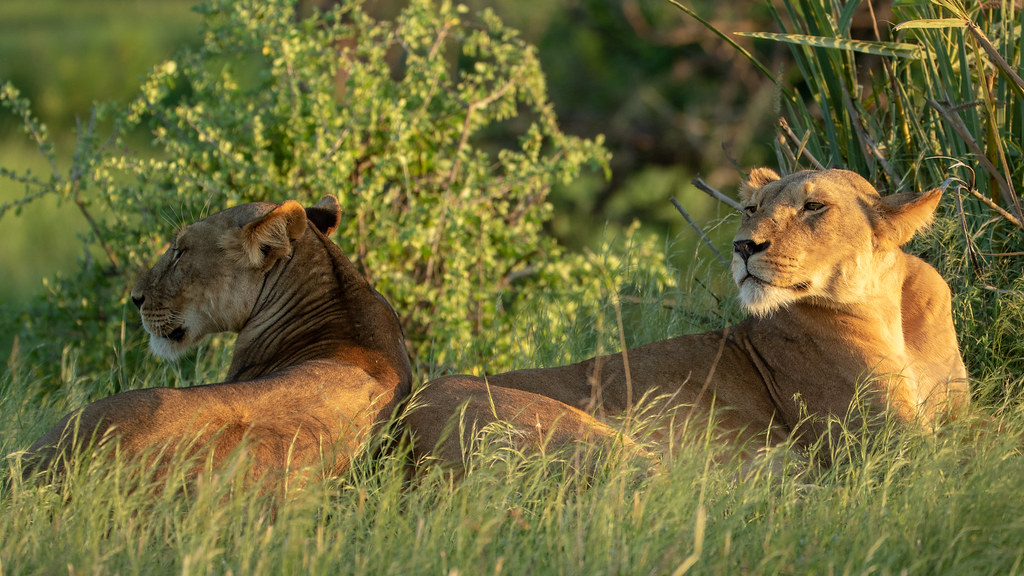
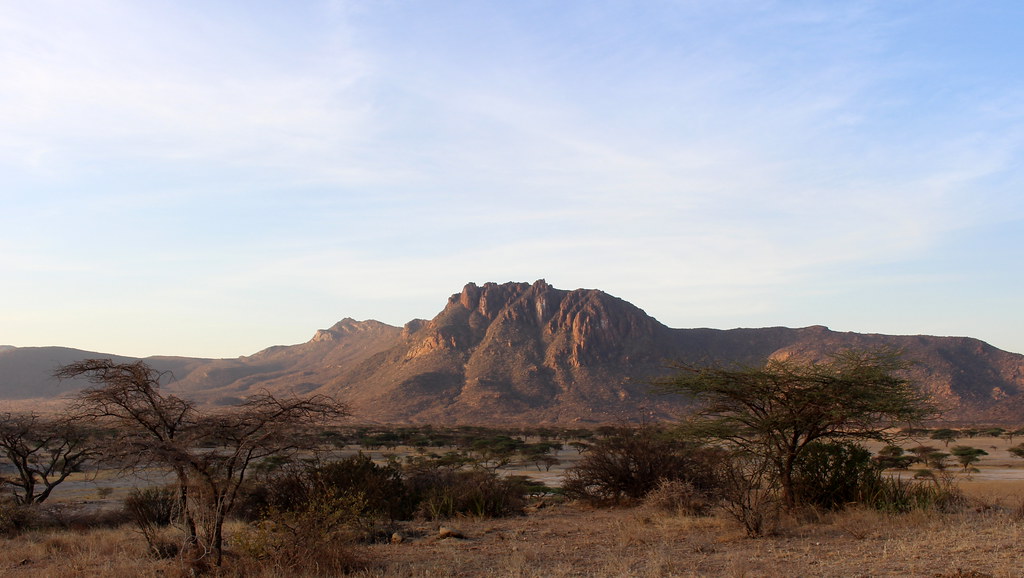
To the east of the Samburu and Buffalo Springs national reserves in Isiolo County, northern Kenya, sits the Shaba National Reserve, a protected region. In 1974, Shaba National Reserve was gazetted. The Isiolo County Council is in charge of running it. A remarkable variety of wildlife species, including Maasai giraffes, Grant’s gazelle, hyrax, warthogs, impalas, zebras, and common elands, can be found in the reserve. The reserve’s sizable lion population is another reason for its fame. In addition to the animals, the reserve is home to a variety of vibrant bird species, including the Somali ostrich, white-headed vulture, and martial eagle.
The year-round climate of Shaba National Reserve is hot and arid. Temperatures often peak at around 30 degrees Celsius (86 degrees Fahrenheit) during the day and fall to roughly 18 degrees Celsius (64 degrees Fahrenheit) at night. Overall, the region receives very little rain, and when it does, it usually falls in short, heavy downpours. There is a shorter rainy season from mid-October to mid-December, and the main rainy season, known as the long rains, lasts from mid-March to mid-May. April and November are usually the wettest months.
Shaba National Reserve’s climate and weather Shaba National Reserve wildlife Dry Season: June to September
There is extremely little rainfall throughout the dry season, which runs from June to September. You may anticipate hot temperatures and lots of sunshine throughout this time. It’s a time when everything feels heated and the ground dries out. When spending time outside, people frequently discover that they need to take precautions against the heat and stay hydrated.
July and June
Bright, sunny days are a hallmark of June and July. You may anticipate comfortable afternoon temperatures during this time of year, usually around 30 degrees Celsius (86 degrees Fahrenheit). Whether you’re going to the beach, having a picnic, or just lounging in your lawn, the weather is ideal for outdoor pursuits.
September and August
As we prepare for the rainy season, the temperature begins to warm up in August and September. In September, the average temperature during the day will be about 31 degrees Celsius, or 88 degrees Fahrenheit. It’s crucial to remember, though, that there will be days when the temperature rises even further.
Season of Wetness: October to May
The two primary rainy seasons in the area are referred to as the short rains and the long rains. During January and February, the dry season, there is a little respite from rain between these two times.
December, November, and October
The “short rains” typically start in October, which is when the weather starts to shift. We frequently have one of the wettest months of the year by November, and these downpours can occur without warning. There are frequently strong afternoon storms during this month. Although it can rise hotter just before the rain begins and then cool down once it stops, the average temperature during this time is about 30 degrees Celsius (86 degrees Fahrenheit).
January and February
Although the short and long rainy seasons alternate in January and February, it’s difficult to forecast when or how long this dry spell will endure. With average afternoon temperatures of about 31 degrees Celsius (88 degrees Fahrenheit), February is often the hottest month of the year, though it frequently gets hotter.
March, April, and May
The long rainy season usually begins in the middle to late part of March at Shaba National Reserve. Short afternoon downpours are rather common, despite the fact that it doesn’t rain constantly. It is the season’s rainiest month when April arrives. This implies that roads may get quite slick, which might make driving challenging. In addition, midday temperatures are often warm, ranging from 31 degrees Celsius to 88 degrees Fahrenheit.