Jozani Chwaka Bay National Park Tourist Attractions
Jozani Chwaka Bay National Park’s tourist attractions include: Jozani Chwaka Bay National Park was created in 2004 and is easily accessible to both domestic and foreign tourists. It is situated in Jozani City, the closest city in Tanzania, and on the southeast coast of Ungula, the main island of Zanzibar. It is also about 35 kilometers northwest of Zanzibar Town. The park, which is roughly 50 square kilometers in size, is home to a variety of ecosystems, such as seagrass beds, mangroves, and coastal forests. The Tanzania National Park Authority is in charge of overseeing it. The park is well known for its abundant biodiversity, especially the indigenous Zanzibar colobus monkeys, which flourish in the forest canopy. Along with these primates, additional species found in Jozani Chwaka Bay National Park include African civet lizards, bushbabies, aders duikers, nocturnal Zanzibar tree hyrax, Zanzibar leopard, Zanzibar servaline genet, and a variety of fish, including dolphins, tuna, marlin, and shark. Surprisingly, there are a lot of things to see in the national park when on safari. In this post, we’ll talk about some of the main attractions in Jozani Chwaka Bay National Park that will certainly make your safari there unforgettable.

Red Colobus Monkeys in Zanzibar
One of the most intriguing tourist attractions in Jozani Chwaka Bay National Park is the Zanzibar red colobus monkey (piliocolobus kirkii), which serves as the park’s flagship species. These primates are indigenous to Zanzibar and are listed as endangered due to their remarkable features, which include long limbs, reddish coats, and expressive eyes. An amazing nature experience is provided by watching the monkeys as they effortlessly jump between trees in their natural habitat. They communicate through a range of occupations and live in groups headed by a dominant male. Their social activities are remarkable. By helping to spread seeds, the monkeys, who mostly eat leaves, fruits, and flowers, support the environment of the park. Since their survival has been threatened by deforestation and loss, efforts to maintain their environment are essential. Opportunities to see these monkeys up close are offered by guided park excursions, particularly in the verdant forest understory where they reside. Visitors can learn about the deep social dynamics of these amazing creatures, the value of conservation, and the delicate balance of nature through this one-of-a-kind experience.
Animals
In addition to red colobus monkeys, Jozani Chwaka Bay National Park is well known for its abundant biodiversity, which includes a range of endemic and important wildlife species for the African environment. Syke’s monkeys (Cercopithecus albogularis), commonly called Samango monkeys, and bushbabies can be found in the park. More than fifty different species of butterflies can be found in the park. More specifically, Jozani Chwaka Bay National Park is home to a variety of fish species, including dolphins, tuna, marlin, and shark, as well as nocturnal Zanzibar tree hyrax, Zanzibar leopard, Ader’s duikers, Zanzibar servaline genet, and African civet lizards.
Jozani Tourist Attractions The fauna of Jozani’s Chwaka Bay National Park, including birds
Birdlife International has recognized two adjacent Important Bird Areas as part of the park. The Jozani forest, Chiwaka Bay, and its environs on the east coast are good places to go birdwatching. The large mangrove stands along the bay’s southern shore support populations of Fischer’s Turacos, Mangrove Kingfishers, Malachite Kingfishers, African Pygmy Kingfishers, Brown-Headed Bellied Starliins, East Coast Akalats, Mouse-Coloured Sunbirds, Zanzibar Red Bishops, Greater Sandplovers, Crab Plovers, Saunder’s Tern, and more. Coucal, white-browed, Helmeted Guineafowl, White-faced Whistling Duck, The Wood-Dove with Emerald Spots, African Swamphen, White-rumped Swift, and Thick-knee water, Common Greenshank, Terek Sandpiper, Small Buttonquail, Long-tailed Cormorant, Lesser Black-backed Gull, Black-bellied Plover, African Sacred Ibis, European Honey-buzzard, African Fish-Eagle, African Wood-Owl, Speckled Mousebird, Green Woodhoopoe, Crowned Hornbill, Blue-cheeked Bee-eater, Lilac-breasted Roller, Black Heron, Malagasy Pond-Heron-endangered, Yellow-billed Egret, Black-headed Heron, and more
The Jozani Forest
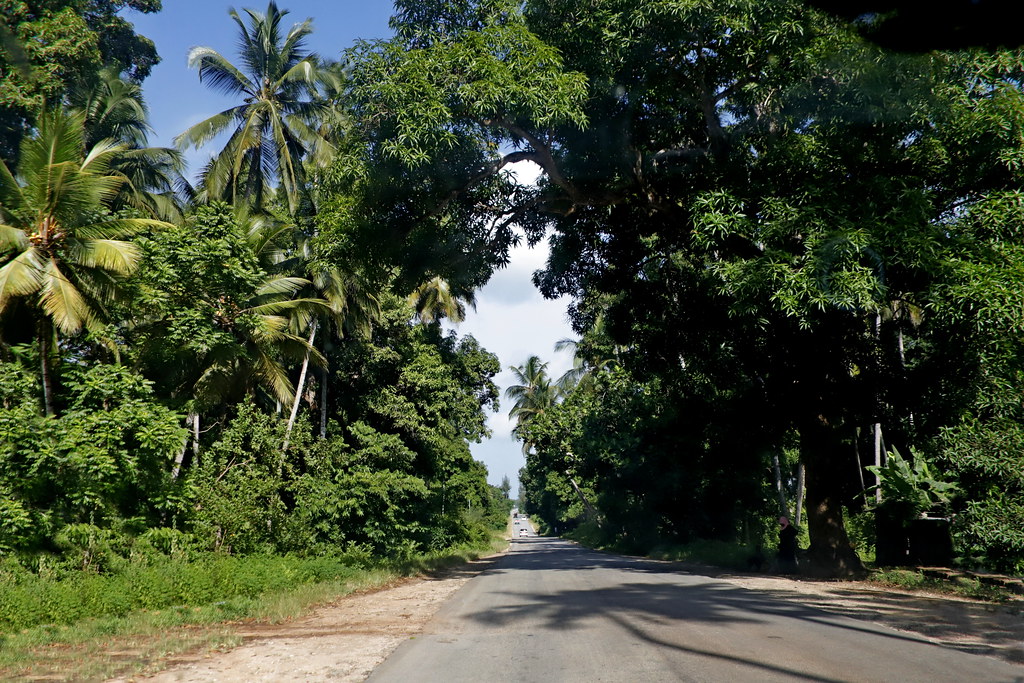
One of the most exciting parts of Jozani Chwaka Bay National Park that highlights Zanzibar’s abundant biodiversity is the Jozani Forest. This special environment is home to a variety of plants and animals due to its combination of mangrove forest, coastal woodlands, and grasslands. The trail winds through towering trees, rich undergrowth, and a variety of plant species, some of which are peculiar to the area, and is open for exploration by visitors. Numerous species of wildlife, including the well-known red colobus monkeys, can be seen jumping through the branches of the forest’s deep canopy. Other species, including many birds, reptiles, and bushbabies, also call the woodland home. Seeing species like the Fischer’s turaco and the Zanzibar red bishops will excite birdwatchers. In addition to being aesthetically pleasing, the forest is essential for local climate regulation and carbon sequestration.
The environment of mangroves
Another point of interest in Jozani Chwaka Bay National Park is the mangrove ecology, which is distinguished by the distinctive interaction of land and sea. Predominately composed of salt-tolerant mangrove trees, this coastal forest serves as an important home for a variety of fish, crustaceans, and other marine life while also preventing erosion and storm surges along the coastline. Both the local fishing communities and the region’s marine biodiversity are supported by this thriving ecology, which serves as a nursery for several species. Visitors may see the tenacity of these trees as they traverse the raised boardwalks that go deeper into this intriguing habitat. The trees’ roots are immersed in water, serving as a filter for the water’s quality. It is a fascinating place for birdwatchers because the mangroves are home to many different kinds of birds, such as kingfishers and herons.
Wetlands along the coast
Another aspect of Jozani Chwaka Bay National Park’s natural diversity is the coastal wetlands that round the park. These wetlands act as a transitional area between terrestrial and marine habitats because of their distinctive hydrology. They are essential for sustaining a wide range of animals, including small mammals, aquatic life, and many bird species that depend on this abundant habitat. Because migratory and permanent birds congregate here for food and breeding places, the wetlands are particularly well-liked by birdwatchers. Observations of species like the African fish eagle and the grey heron are frequent, giving birdwatchers plenty of chances to partake in this peaceful activity. The wetlands’ ecological significance is further highlighted by the fact that they support the local fisheries by serving as breeding sites for numerous marine species. Along clearly designated routes, visitors can explore this picturesque area, and local guides can provide information on the wetlands’ ecological and biological value.
Conservation Area for Butterflies
Among the attractions at Jozani Chwaka Bay National Park is the Butterfly Conservation Area. is an enthralling attraction that draws tourists in with its colorful butterfly display. Numerous butterfly species call this location home, demonstrating the remarkable diversity of Lepidoptera found in Zanzibar. The ecosystems that sustain the life cycles of these delicate insects, from caterpillars to mature butterflies, are the main focus of conservation efforts. During guided tours around the butterfly-friendly area, visitors can discover more about the many species, their habits, and their functions in regional ecosystems. A breathtaking visual spectacle is created as butterflies, especially native varieties that are common in the area, hover among the blooms. Since many plants depend on butterflies and other pollinators for reproduction, the protected area highlights the significance of pollination.
Recommended Tours: 6 Days Tanzania Wildlife Safari | 5 Days Ngorongoro & Serengeti Safari

Frequently Asked Questions About Visiting Zanzibar
Do I need a visa to visit Zanzibar?
Zanzibar is part of Tanzania, so entry requirements depend on your nationality. Many nationalities can obtain a visa on arrival or apply for an e-visa online before travel. Check with the Tanzanian embassy for the latest requirements.
Is Zanzibar safe for tourists?
Zanzibar is generally safe for tourists. Stone Town and the major beach resorts are well-policed. As with any destination, take standard precautions — avoid deserted areas at night, keep valuables secure, and be respectful of local culture, especially during Ramadan.
What is the best beach in Zanzibar?
Nungwi and Kendwa on the north coast are popular for their calm waters and lively atmosphere. Paje on the east coast is a paradise for kitesurfers. The secluded beaches of Fumba and Kizimkazi are perfect for those seeking peace and dolphin watching.
Travel Tips for Zanzibar
- Respect local culture: Zanzibar is predominantly Muslim. Dress modestly away from the beach — cover shoulders and knees in Stone Town.
- Try the local food: Zanzibar’s Night Market (Forodhani Gardens) in Stone Town offers amazing street food including fresh seafood, Zanzibar pizza, and sugarcane juice.
- Combine with a safari: Many visitors pair Zanzibar with a Tanzania mainland safari for a perfect bush-and-beach holiday.
- Book in advance: The best beach hotels fill up quickly in peak season (June–October and December–January).
Top Things to Do in Zanzibar
Zanzibar offers far more than white-sand beaches and turquoise waters — though those alone would be reason enough to visit. The island is a rich tapestry of Swahili culture, colonial history, spice plantations, and extraordinary marine life.
- Explore Stone Town: A UNESCO World Heritage Site, Stone Town is a labyrinth of narrow streets, carved wooden doors, bustling markets, and centuries-old Arab, Indian, and European architecture. Don’t miss the House of Wonders, the Old Fort, and the Darajani Market.
- Visit a spice farm: Zanzibar earned its name as the “Spice Island” for good reason. A guided spice farm tour introduces you to cloves, vanilla, cinnamon, cardamom, black pepper, and turmeric growing in their natural environment.
- Snorkel or dive: The waters around Zanzibar are home to colourful coral reefs, sea turtles, dolphins, whale sharks, and over 500 fish species. Mnemba Atoll is one of East Africa’s premier dive sites.
- Watch dolphins in Kizimkazi: The shallow, sheltered waters of Kizimkazi on the south coast are home to pods of bottlenose and spinner dolphins. Early morning boat trips offer a good chance of seeing them.
- Relax on Nungwi or Kendwa Beach: The north coast beaches at Nungwi and Kendwa have calm, clear water (unaffected by tides) and a lively beach bar atmosphere. Perfect for swimming, sunset drinks, and beach volleyball.
- Visit Prison Island: A short boat ride from Stone Town, Prison Island (Changuu Island) was once used to quarantine yellow fever patients. Today it is home to a colony of giant Aldabra tortoises, some over 100 years old.
Frequently Asked Questions About Zanzibar
How do I get to Zanzibar?
Zanzibar (Unguja Island) is served by Abeid Amani Karume International Airport (ZNZ), with direct flights from Dar es Salaam (25 minutes), Nairobi, Mombasa, Kilimanjaro, and Arusha. A high-speed ferry from Dar es Salaam takes approximately 2 hours and is a popular, scenic option. Most visitors combine Zanzibar with a Tanzania mainland safari.
What is the best area to stay in Zanzibar?
Stone Town is the best base for culture and history. Nungwi and Kendwa (north coast) are ideal for beach-focused holidays with all-night tides. Paje (east coast) is perfect for kitesurfers. Jambiani offers a quieter, more authentic village atmosphere. Matemwe gives access to Mnemba Atoll for diving.
Is Zanzibar good for families?
Yes — Zanzibar is an excellent family destination. The calm, shallow waters of Nungwi and Kendwa are safe for children. Prison Island’s giant tortoises are a big hit with kids. Many hotels offer family rooms and child-friendly activities. Be mindful of cultural norms in Stone Town — modest dress is appreciated away from the beach.
Explore More: Tanzania Safaris | Gorilla Trekking Guide | Kenya Safaris | Uganda Safaris | Rwanda Safaris | Conservation Safaris | Chimpanzee Trekking in East Africa | Primates of East Africa
Contact Us – Ready to book your East Africa gorilla safari? Our team is here to help you plan the perfect trip.
Tanzania’s National Parks and Safari Experiences
Tanzania is home to Africa’s greatest wildlife concentration and most spectacular national parks. The Serengeti hosts the legendary Great Wildebeest Migration – the greatest wildlife spectacle on Earth. Ngorongoro Crater is a UNESCO World Heritage Site with guaranteed Big Five sightings. Tarangire is famous for giant baobab trees and large elephant herds. Selous and Ruaha offer remote, authentic game drive safaris. Gombe Stream and Mahale are the world’s best destinations for chimpanzee trekking. Zanzibar provides the perfect beach safari extension. Enjoy hot air balloon safaris over the Serengeti, birding safaris, and Maasai cultural experiences. Choose from luxury, camping, family, or fly-in safaris.