Summer vs Winter Safari: Understanding the Best Seasons for East Africa
One of the most common questions travelers ask when planning an East Africa safari is which season is better, summer or winter. The answer, as with most things in travel, is more nuanced than it might first appear. East Africa straddles the equator, and the seasonal patterns of the region are quite different from those of Europe or North America. Understanding how seasons work in East Africa, what the weather actually does at different times of year, and how seasonal changes affect wildlife behavior and viewing conditions is essential for planning a safari that delivers the experiences you are hoping for.
In East African terms, the distinction between wet and dry seasons is far more meaningful than the northern hemisphere concept of summer and winter. The region experiences two main wet seasons, the long rains from March to May and the short rains from October to November, and two main dry seasons, from June to September and from December to February. These seasonal rhythms govern virtually every aspect of the wildlife experience, from the movement of the great wildebeest migration to the timing of animal births, the accessibility of park roads, and the density of vegetation that affects how easily wildlife can be spotted.
The Dry Season: June to September and December to February
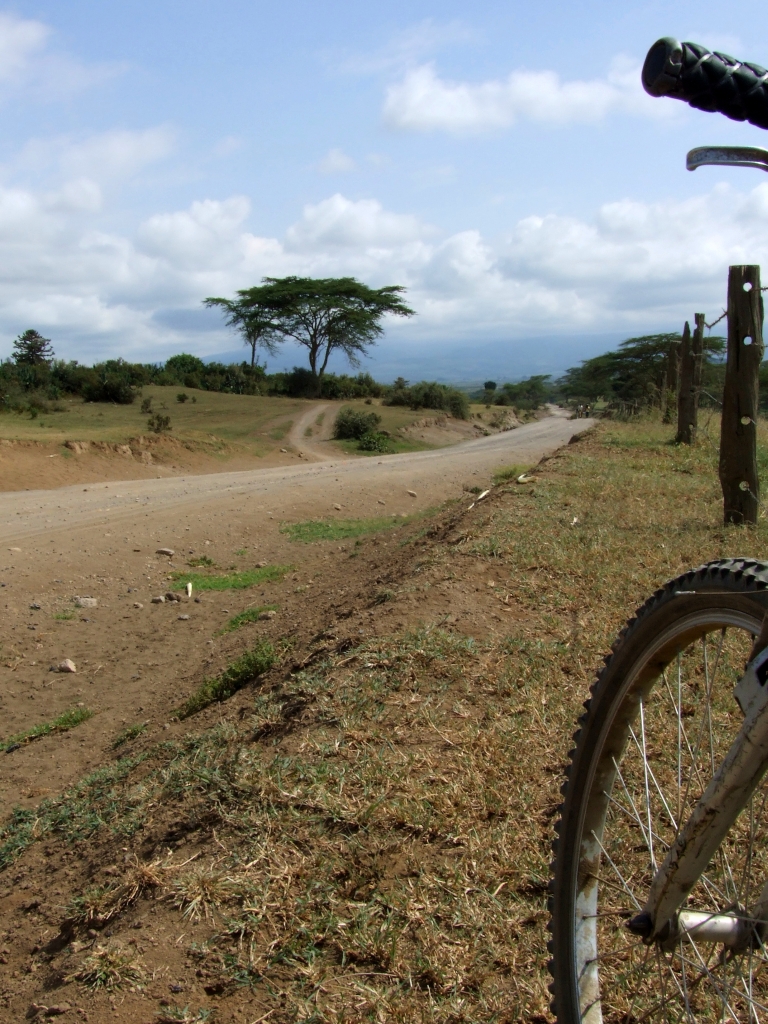
The dry season months, particularly June to September, are widely considered the best time for general wildlife viewing across East Africa. During the dry season, vegetation thins as plants conserve water, making it easier to spot wildlife in the bush. Animals concentrate around permanent water sources, rivers, and waterholes, creating predictable viewing locations where patience and the right vehicle positioning can yield extraordinary encounters. The roads in most national parks are at their most passable during the dry season, allowing access to areas that become inaccessible mud during the rains. The weather is generally pleasant and predictable, with clear skies and comfortable temperatures.
Dry Season Wildlife Highlights
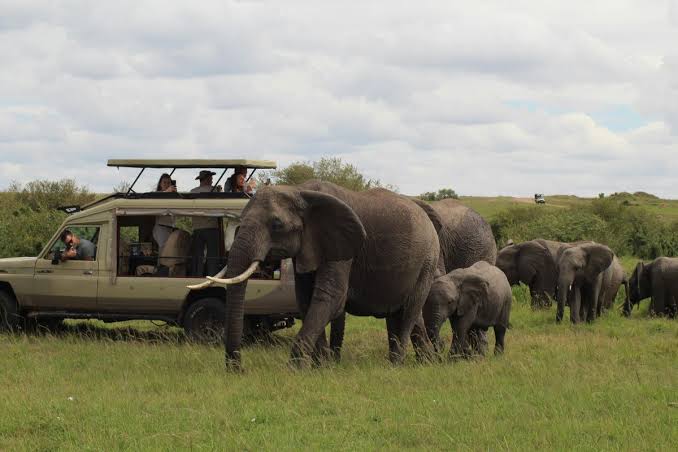
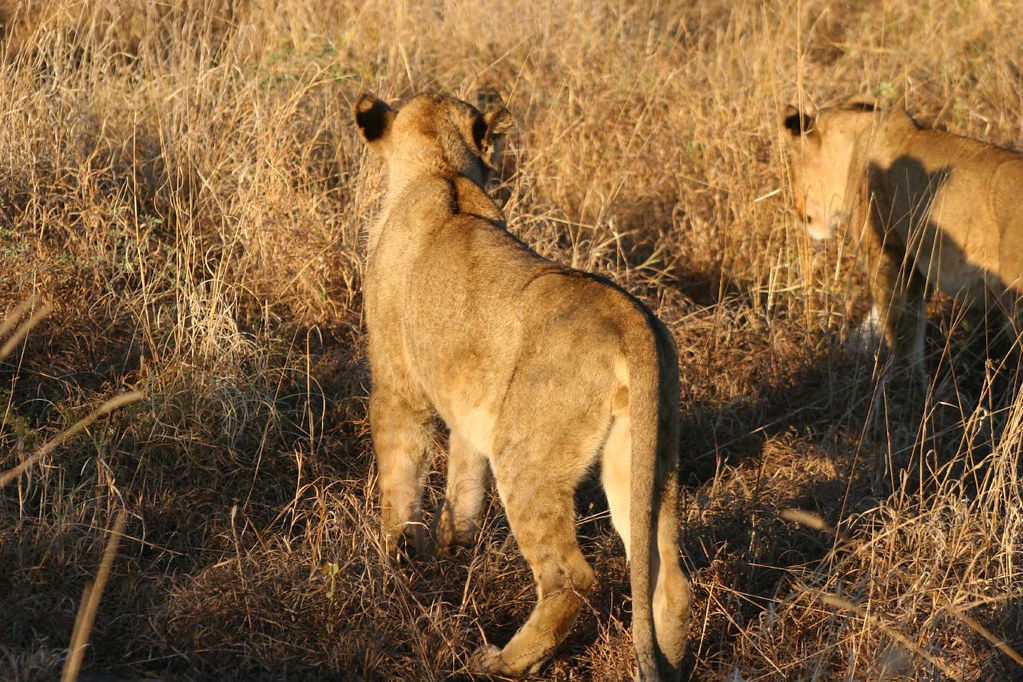
The dry season also coincides with the most dramatic phases of the Great Migration in the Serengeti and Maasai Mara, when enormous herds of wildebeest and zebras gather at the Mara River for their famous crossings. For visitors specifically targeting this spectacle, the months of July to September offer the highest probability of witnessing a river crossing, one of nature’s most dramatic events. Lions, cheetahs, and other predators are most visible during the dry season as they follow the migrating herds, and the open, sparse vegetation of dry-season landscapes makes encounters more frequent and views more unobstructed than during the rains. Game drives in the dry season consistently produce the most rewarding wildlife sightings.
The Wet Season: March to May and October to November
The wet season has traditionally been considered the less desirable time to safari in East Africa, and there are genuine challenges associated with traveling during the rains. Some park roads become impassable mud, certain areas become inaccessible, and the dense green vegetation that follows rainfall can make wildlife harder to spot. However, the wet season has its own very real attractions that experienced safari travelers have come to appreciate deeply, and for certain types of experience, the rainy months are actually preferable to the dry season.
Wet Season Advantages
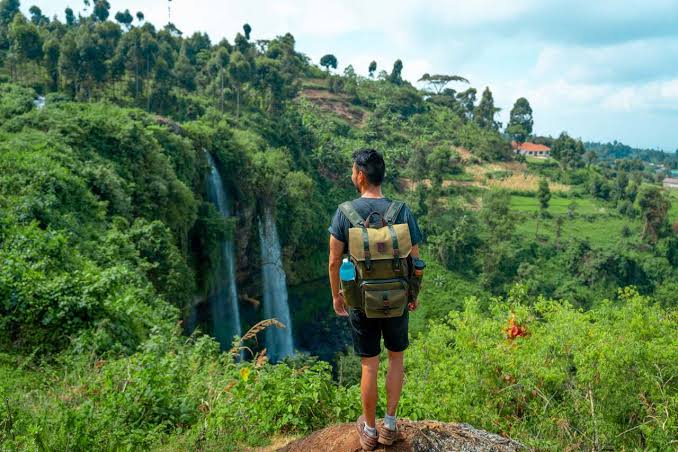
The short rains of October and November transform East Africa’s landscapes from dry, dusty savannah into lush, impossibly green grassland, and the change is breathtaking. Newborn animals appear in enormous numbers during and after the rains, as many species time their births to coincide with the grass flush that provides rich nutrition for nursing mothers. Birdwatching during the wet season is exceptional, as resident species are joined by millions of migratory birds from Europe and Asia. Visitor numbers in the parks drop significantly during the wet season, creating a more private, intimate safari experience, and accommodation rates often decrease substantially, making the wet season significantly more affordable than the peak dry season months.
Temperature Differences Between Seasons
Temperature variation between East Africa’s wet and dry seasons is less dramatic than the rainfall differences. At low elevations, such as the coast and the Rift Valley floor, temperatures remain warm throughout the year, typically ranging from about 25 to 35 degrees Celsius in the warmest months and rarely dropping below 20 degrees Celsius even in the coolest period. At higher elevations, such as the Bwindi forest in Uganda, the Kenya Highlands, or the Ngorongoro Crater in Tanzania, temperatures are significantly cooler and can drop to near freezing at night during the coolest months of June to August. Packing appropriately for the elevation of your destination is important regardless of the time of year you visit.
Gorilla Trekking: Wet vs Dry Season
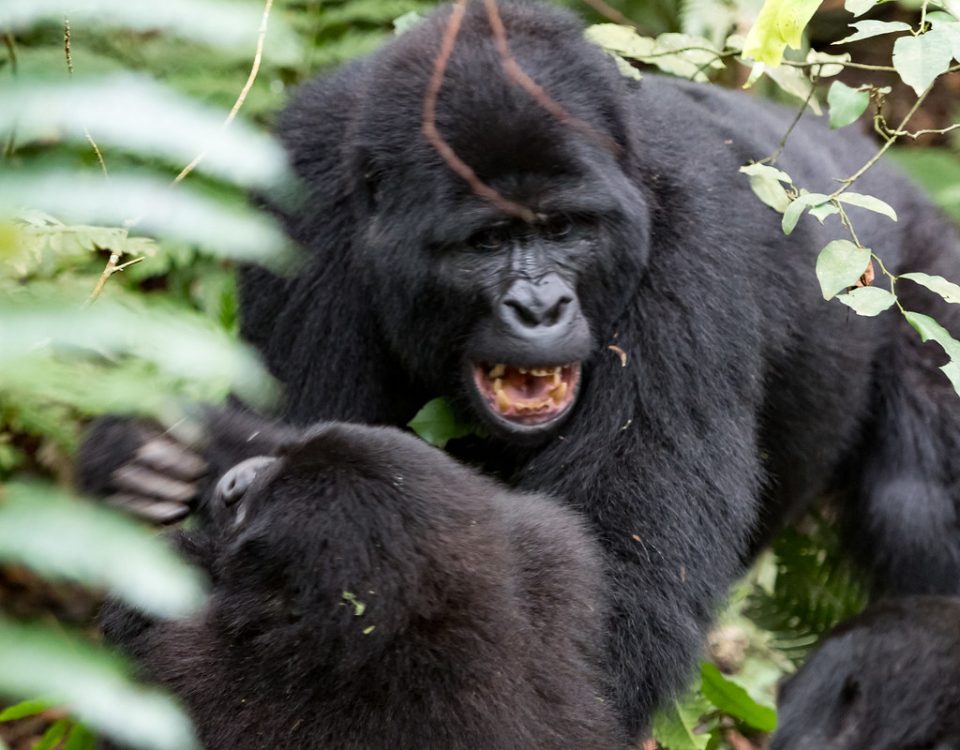
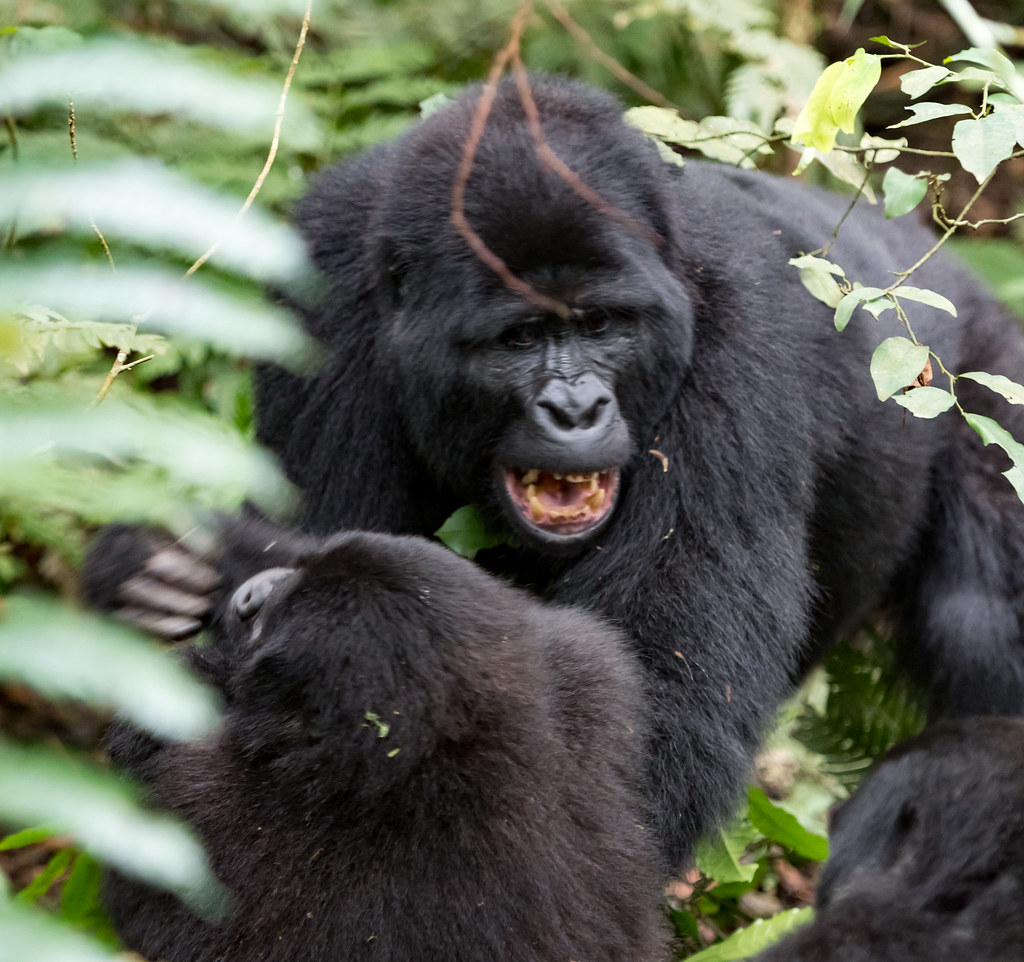
For gorilla trekking in Uganda and Rwanda, the seasonal calculus is somewhat different from conventional game viewing safaris. Gorilla trekking permits are available and treks proceed year-round regardless of weather conditions, but the experience differs significantly between seasons. In the dry season, the forest trails are drier and easier to walk, which reduces the physical challenge of the trek. In the wet season, the forest is extraordinarily lush and beautiful, the gorillas are often found in more open areas where visibility is better, and the cooler, misty conditions create an atmospheric and memorable quality to the experience. Permit availability is also typically better in the wet season as visitor numbers decrease, making it easier to secure dates on short notice. For more on planning your gorilla experience, see our best time for gorilla trekking guide.
Planning Around the Seasons
The best approach to seasonal planning for an East Africa safari is to identify your primary goals and choose your timing accordingly. If seeing the Great Migration river crossings is essential, plan for July to September. If you want the best overall wildlife viewing conditions, any dry season month will serve you well. If you want a more affordable, less crowded experience with lush landscapes and excellent birdwatching, the wet season offers genuine rewards. If your schedule is fixed and you have no choice about timing, remember that East Africa offers rewarding wildlife experiences year-round, and any time of year will provide memorable encounters. Explore our full range of Kenya safaris, Tanzania safaris, and Uganda safaris, or contact our team to discuss the best timing for your specific safari goals.