Mkomazi National Park: Tanzania’s Hidden Wildlife Treasure
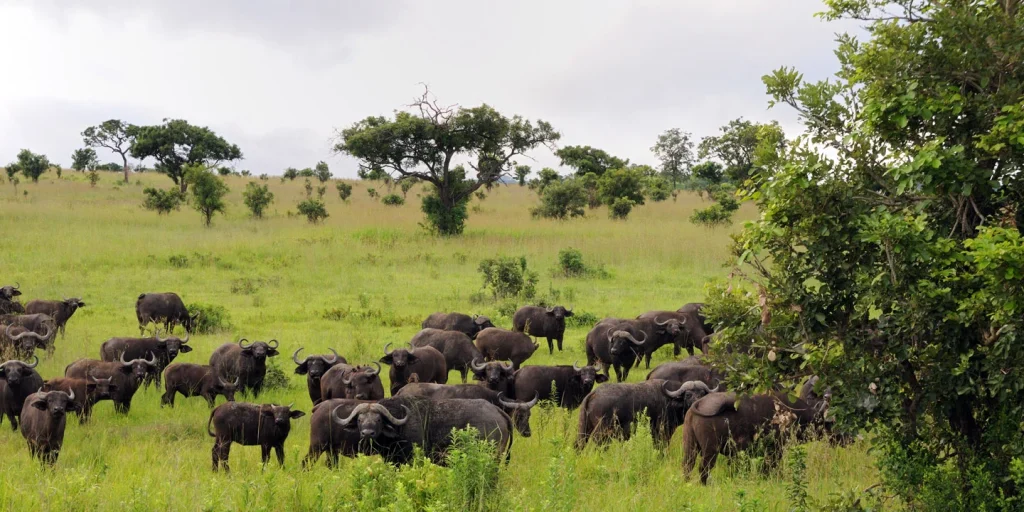
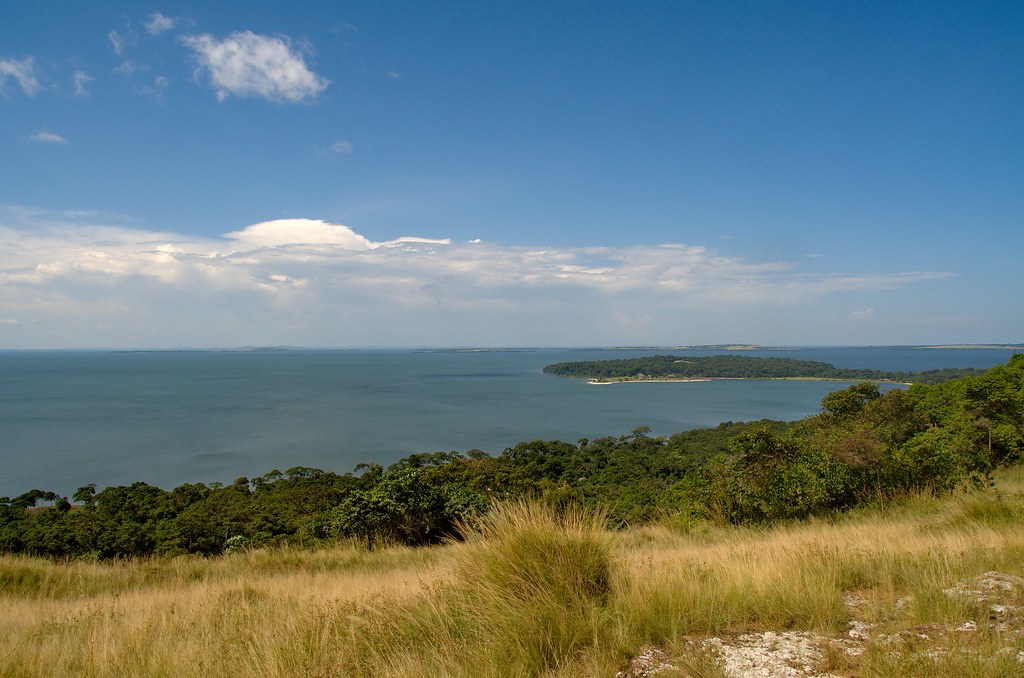
In northeastern Tanzania, where the dry thornbush country stretches toward the Kenyan border and the distant peaks of Kilimanjaro shimmer on the horizon, lies one of East Africa’s least visited yet most rewarding national parks. Mkomazi National Park covers over 3,200 square kilometers of arid and semi-arid savannah, miombo woodland, and rugged terrain along the Umba and Mkomazi river systems, and it protects a remarkable range of wildlife in a landscape that feels genuinely wild and untouched. For travelers seeking a safari experience away from the crowds, Mkomazi offers something increasingly rare in modern East African tourism: a sense of genuine wilderness exploration.
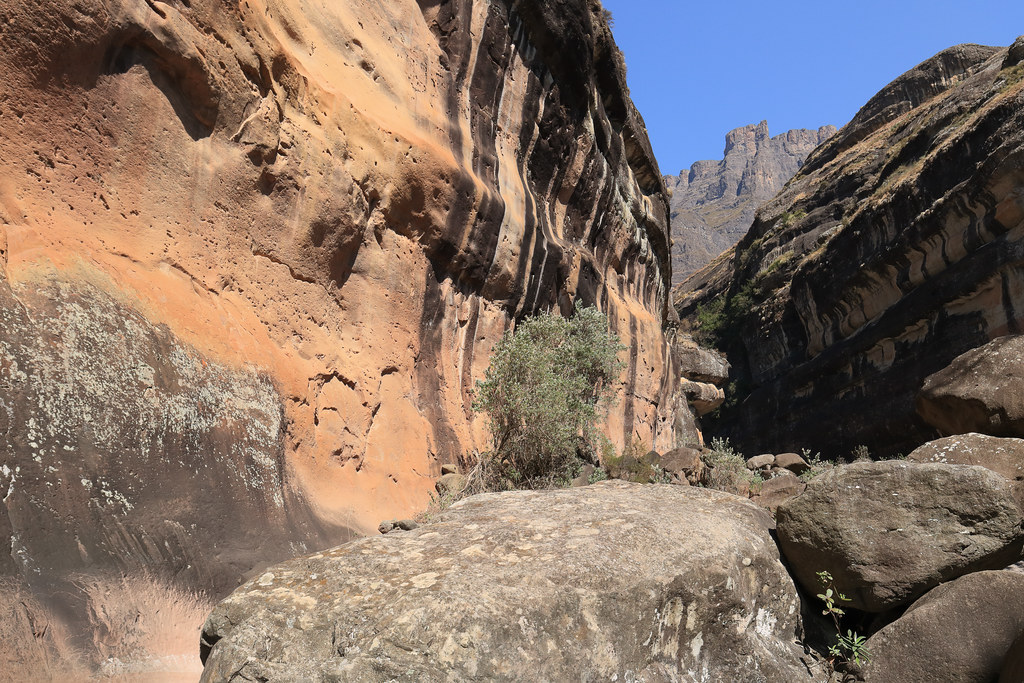
Mkomazi was originally part of a larger ecosystem that connected with Tsavo National Park across the border in Kenya, and the park continues to function as part of this transboundary conservation landscape. The ecological connection between Mkomazi and Tsavo means that wildlife moves freely across the international border, and the park benefits from this connectivity with one of Kenya’s largest and most significant wildlife areas. The arid, semi-desert character of both parks creates a distinctive environment very different from the lush highland forests or open grassy savannahs of Tanzania’s more famous northern parks.
Wildlife in Mkomazi
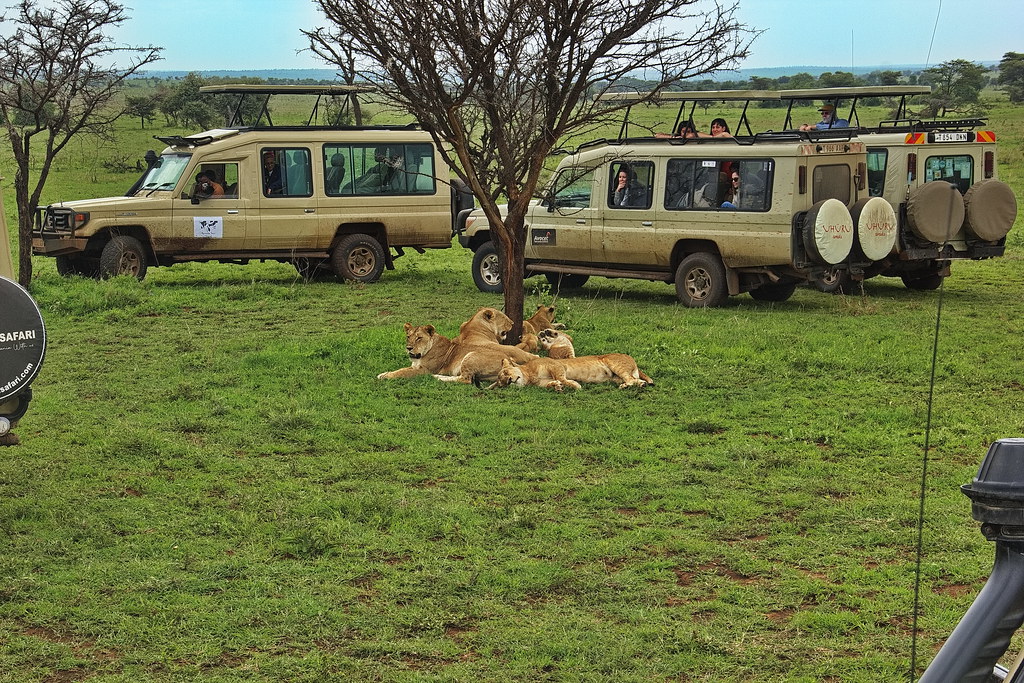
Despite its relative obscurity on the international safari circuit, Mkomazi National Park supports a rich and diverse wildlife community. Elephants, which move freely between Mkomazi and Tsavo, are the most iconic large mammal in the park and can be encountered on game drives throughout the dry bush country. The park’s lion population, while not as large as those in the Serengeti or Ngorongoro, is resident and territorial, and lion sightings reward patient visitors who spend adequate time in productive areas. Leopards, cheetahs, spotted hyenas, and wild dogs are all present in the park, with African wild dogs being of particular conservation significance as the park supports one of Tanzania’s important wild dog populations.
The Black Rhinoceros Sanctuary
One of Mkomazi’s most significant conservation features is its black rhinoceros sanctuary, which was established in cooperation with the George Adamson Wildlife Preservation Trust and has been instrumental in breeding and protecting this critically endangered species. The sanctuary, which occupies a fenced area within the park, has successfully bred black rhinoceroses in conditions that allow them to live in a natural environment while being protected from poaching. Visits to the rhino sanctuary can be arranged through park management and provide a close encounter with one of Africa’s most endangered large mammals in a setting that underscores the importance of conservation efforts.
African Wild Dogs
African wild dogs are among the rarest large carnivores in Africa, with a total population estimated at fewer than 6,000 individuals continent-wide. Mkomazi is home to a resident wild dog population that has been studied and monitored by conservation researchers for many years, and the park’s remote character and low visitor pressure makes it a suitable refuge for these wide-ranging animals. Wild dog sightings are not guaranteed on any given visit, as the animals cover vast territories and are absent from any particular area for extended periods, but dedicated and patient visitors who spend several days in the park have a reasonable chance of encountering them on game drives.
Birdwatching in Mkomazi
For birdwatchers, Mkomazi National Park is a destination of genuine significance. The park’s position in the transition zone between the East African coastal forests and the inland savannah systems, combined with its dry thornbush habitat, creates a distinctive avifauna that includes many species not easily found in Tanzania’s more visited parks. Over 450 bird species have been recorded in Mkomazi, including several that are considered uncommon or difficult to observe elsewhere in Tanzania. The Friedmann’s lark, a species associated with arid East African environments, is regularly seen in Mkomazi, as are various hornbills, rollers, bee-eaters, and raptors characteristic of dry thornbush country.
Seasonal Birdwatching
The best birdwatching in Mkomazi coincides with the arrival of migratory species from November to April, when European and Asian migrants join the resident bird community to create the year’s greatest species diversity. The acacia and commiphora woodland habitats support large numbers of warblers, flycatchers, and other small migrants during this period, while the larger open areas attract raptors and ground-dwelling species. The spectacular lilac-breasted roller, the yellow-necked spurfowl, the northern carmine bee-eater, and the stunning von der Decken’s hornbill are all regularly encountered in Mkomazi’s thornbush landscape.
Getting to Mkomazi National Park
Mkomazi National Park is located in the Kilimanjaro and Tanga regions of northeastern Tanzania, accessible by road from the town of Same on the A23 highway, which connects Arusha with Dar es Salaam. The drive from Arusha takes approximately three hours on good road, making Mkomazi reasonably accessible from Tanzania’s main safari hub. The park can also be approached from the Kenyan side via Taveta on the Kenyan border, making it a natural addition to a Kenya-Tanzania cross-border itinerary that combines Tsavo in Kenya with Mkomazi and Kilimanjaro in Tanzania.
Accommodation Near Mkomazi
Accommodation options near Mkomazi are limited compared to Tanzania’s main northern parks, reflecting the park’s relatively undiscovered status on the international circuit. The Zange Gate area has basic facilities, and there are a small number of tented camps and guesthouses in the vicinity of Same town that provide reasonable bases for park visits. The limited accommodation infrastructure means that Mkomazi is best visited as part of a longer northeastern Tanzania itinerary that includes other destinations, or as an add-on to a Kilimanjaro climbing expedition for those who want to experience the mountain from the Tanzanian side.
Combining Mkomazi with Kilimanjaro and the Northern Circuit
Mkomazi works particularly well as part of a broader northeastern Tanzania itinerary that takes in Kilimanjaro National Park, the Usambara Mountains, and the Pangani coast. This less-traveled route through northeastern Tanzania offers a counterpoint to the crowded northern circuit parks and provides a more adventurous and exploratory safari experience. For travelers who have already visited the main Tanzania parks and are looking for something different and off the beaten track, Mkomazi National Park represents exactly that opportunity. Explore our full range of Tanzania safari options, or contact our team to design a custom northeastern Tanzania itinerary that includes this fascinating and undervisited national park.
Related reading: Activities for a daily day in Nairobi and Top Nine Locations to See in Kisumu, Kenya.
Ready to see it for yourself? Explore our Tanzania safari tours, including the 10 Days Tanzania Wildlife Safari itinerary, or get in touch with our safari experts to start planning your trip.