Experience Tanzania’s Unique Swahili Culture and Heritage: A Journey Through History, Places to Visit, Transport, Best Time to Explore, and Accommodations
Swahili Culture Tanzania, a gem of East Africa, is a country brimming with diverse landscapes, abundant wildlife, and a rich cultural tapestry deeply rooted in Swahili traditions. While many visitors associate Tanzania with the famous Serengeti National Park and Mount Kilimanjaro, the country offers much more than just breathtaking natural wonders. A journey through Tanzania’s coastal towns and historical sites reveals the enchanting world of the Swahili culture, which has evolved over centuries through interactions with Arab, Persian, Indian, and European traders. This article takes you through some of the best places to experience Tanzania’s Swahili culture, the best means of transport, ideal visiting times, and accommodation options ranging from luxury to budget-friendly choices.
Places to Visit for an Authentic Swahili Experience
Stone Town, Zanzibar
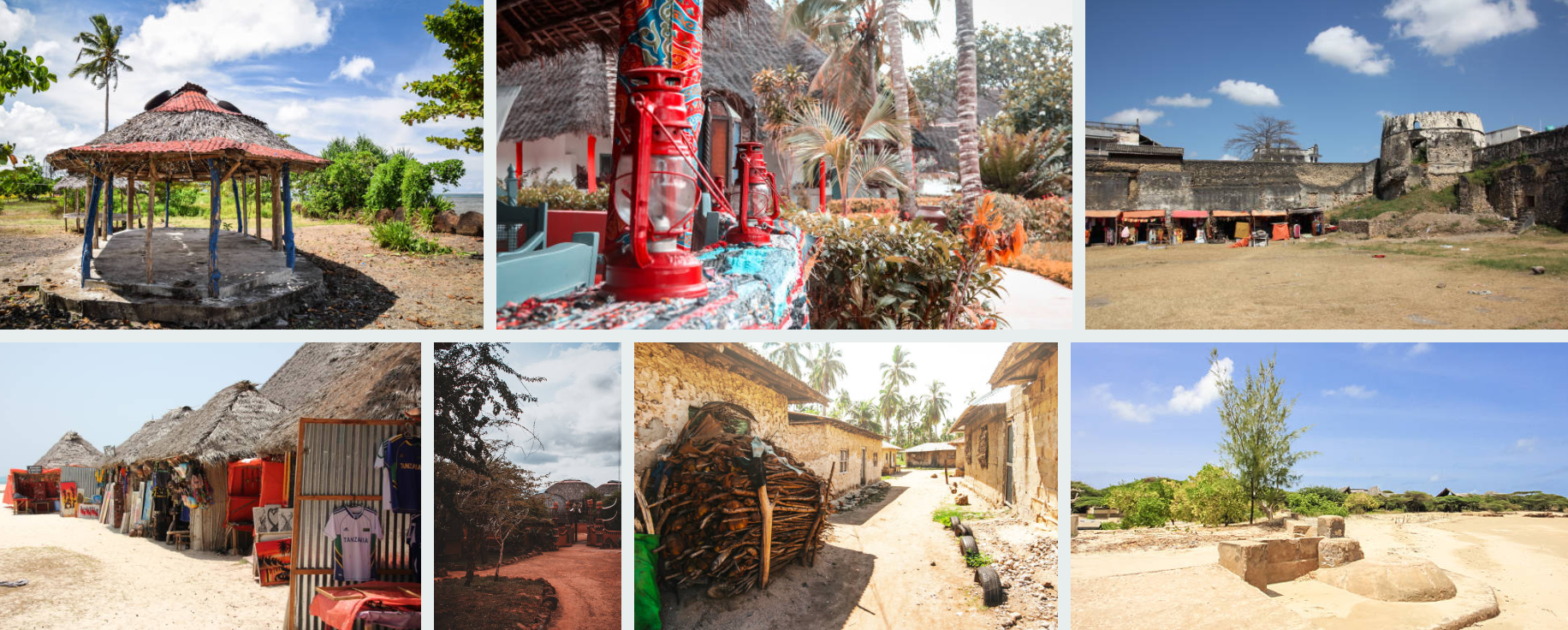
Stone Town, the historic heart of Zanzibar, is one of the most culturally rich and architecturally stunning places in East Africa. It is a UNESCO World Heritage Site that embodies centuries of Swahili heritage, reflected in its narrow alleyways, intricately carved wooden doors, bustling markets, and ancient mosques. The House of Wonders, Sultan’s Palace, Old Fort, and the Anglican Cathedral (formerly a slave market) are must-visit landmarks that provide a glimpse into Zanzibar’s past. Walking tours through Stone Town allow visitors to explore its vibrant street life, savor local delicacies, and admire its fusion of African, Arab, and European influences.
Bagamoyo
Once a thriving port town during the slave trade era, Bagamoyo is a crucial part of Tanzania’s Swahili cultural heritage. Located on the mainland coast, just north of Dar es Salaam, Bagamoyo features historical ruins, including the Old Fort, Kaole Ruins, and the Catholic Mission Museum, which preserves artifacts from the town’s colonial and trade history. Visitors can take a guided tour to learn about the Swahili way of life and the significant role the town played in East African trade routes.
Kilwa Kisiwani
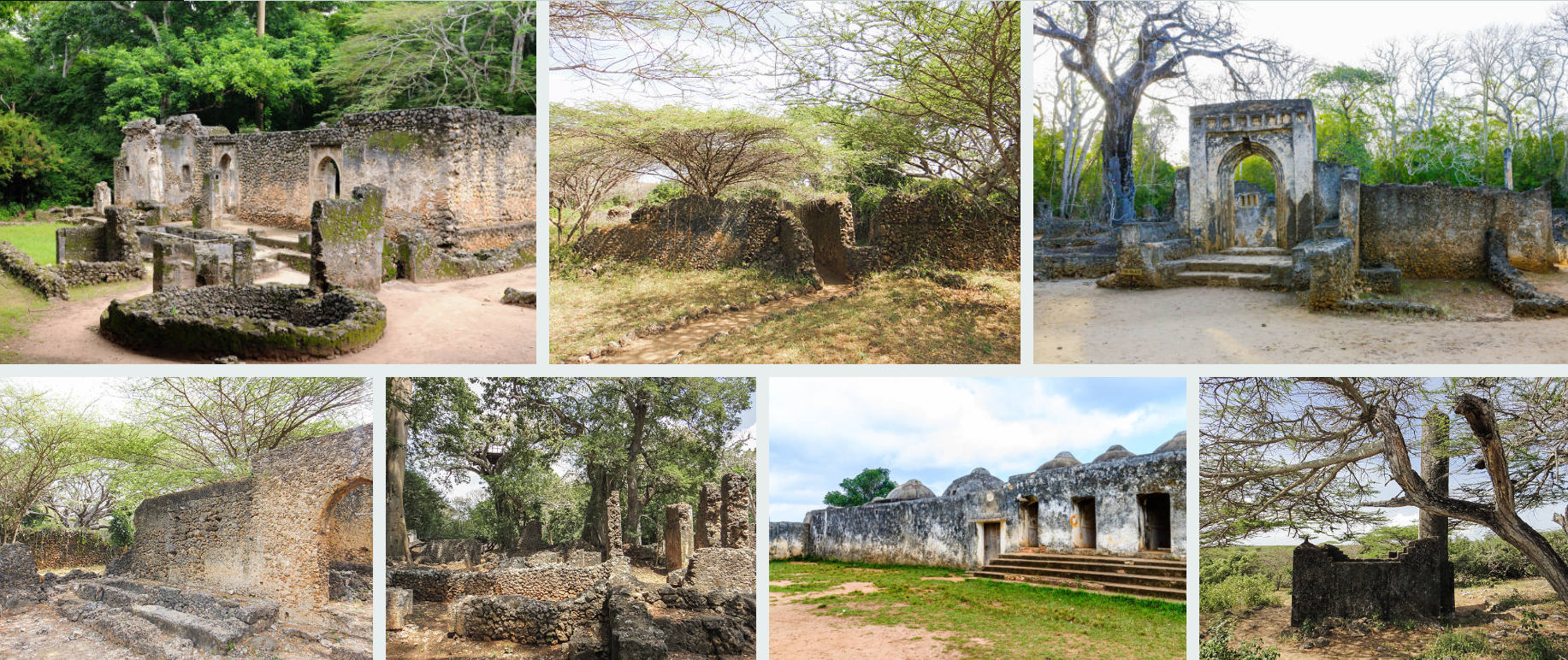
For history enthusiasts, Kilwa Kisiwani is an archaeological treasure trove and another UNESCO World Heritage Site. Situated on an island off Tanzania’s southern coast, Kilwa Kisiwani was once a powerful Swahili trading hub that flourished between the 13th and 16th centuries. The ruins of grand palaces, mosques, and trading houses tell the story of a once-thriving civilization that controlled commerce along the Indian Ocean. The island can be accessed via boat from Kilwa Masoko, and guided tours provide deeper insights into its history.
Mafia Island
Mafia Island, often overshadowed by Zanzibar, offers a more serene and untouched Swahili coastal experience. The island is home to traditional fishing villages where visitors can witness how the Swahili people have lived for centuries. Aside from its cultural heritage, Mafia Island is famous for its marine biodiversity, making it a paradise for snorkeling and diving enthusiasts.
Transport Options to Explore Tanzania’s Swahili Culture
Exploring Tanzania’s Swahili coast requires a combination of air, road, and water transport, depending on the destinations.
- Flights – Domestic flights operated by Air Tanzania, Precision Air, and Coastal Aviation connect major cities and islands. Flights are the best option for reaching Zanzibar, Mafia Island, and Kilwa quickly.
- Buses and Minibuses (Daladalas) – For budget travelers, long-distance buses and daladalas offer affordable transport between major towns like Dar es Salaam and Bagamoyo. However, they can be crowded and uncomfortable.
- Trains – The Tanzania-Zambia Railway (TAZARA) offers a scenic way to experience Tanzania’s countryside while traveling from Dar es Salaam towards Mbeya and Zambia.
- Ferries and Boats – Ferries operate between Dar es Salaam and Zanzibar, as well as to smaller coastal islands. The Azam Marine ferry is a popular choice for travelers heading to Zanzibar.
- Taxis and Ride-Sharing Apps – Uber and Bolt are available in Dar es Salaam, while taxis are common in Zanzibar and Bagamoyo. Negotiating fares beforehand is essential.
- Car Rentals – Renting a car with a driver is ideal for tourists who prefer flexibility in exploring remote historical sites like Kilwa Kisiwani.
Best Time to Explore Tanzania’s Swahili Heritage Sites
The best time to visit Tanzania’s coastal and historical sites depends on the weather, crowd levels, and festival seasons.
- June to October (Dry Season) – This period offers the best weather, with warm temperatures and minimal rainfall. It is ideal for walking tours in Stone Town, visiting ruins in Bagamoyo, and exploring Kilwa Kisiwani.
- November to March (Short and Long Rains) – While there might be occasional rainfall, this period is excellent for experiencing cultural events such as the Zanzibar International Film Festival (ZIFF) in July, which showcases Swahili films, music, and art.
- Ramadan and Eid Celebrations – Since Tanzania has a significant Muslim population, visiting during Ramadan provides a unique cultural experience, with special food markets and community celebrations in Zanzibar and Bagamoyo.
Accommodations: Luxury, Mid-Range, and Budget Options
Luxury Accommodations
- Park Hyatt Zanzibar – Located in Stone Town, this five-star hotel offers elegant Swahili-inspired interiors, stunning sea views, and world-class amenities.
- The Residence Zanzibar – A secluded beachfront resort with private villas, infinity pools, and exquisite Swahili-Arabian architecture.
- Kilindi Zanzibar – A unique eco-luxury resort with private pavilions, designed for ultimate relaxation in a Swahili-styled setting.
Mid-Range Accommodations
- Zanzibar Serena Hotel – Located along the Stone Town waterfront, this hotel offers comfortable rooms infused with Swahili charm and heritage.
- Firefly Bagamoyo – A boutique guesthouse with a mix of Swahili and colonial styles, offering a relaxed stay near Bagamoyo’s historical sites.
- Kilwa Beach Lodge – A rustic yet comfortable accommodation option for visitors exploring Kilwa Kisiwani, with easy access to the ruins and beach activities.
Budget Accommodations
- Ten to Ten Hostel Zanzibar – A backpacker-friendly hostel in Stone Town with dormitories and private rooms, offering an affordable way to experience Zanzibar.
- Bagamoyo Country Club – A budget-friendly lodge providing comfortable stays and proximity to cultural landmarks.
- Mafia Island Lodge – A cozy yet affordable beachfront lodge, perfect for travelers seeking a balance of cultural exploration and marine activities.
Tanzania’s Swahili culture and heritage are deeply woven into the fabric of the nation, making it an extraordinary destination for travelers eager to explore its historical richness. From the winding alleys of Stone Town to the ancient ruins of Kilwa Kisiwani and the laid-back coastal villages of Mafia Island, every site tells a compelling story of trade, resilience, and cultural fusion. Whether traveling by air, road, or water, visitors can seamlessly explore these Swahili heritage sites and experience the warmth of Tanzanian hospitality. With various accommodations catering to all budgets, there is no excuse not to embark on this fascinating cultural journey through Tanzania.
Related reading: How To Vist Serengeti Tanzania and Trek Gorillas Bwindi and Top 10 Luxury Holiday Destinations.
Ready to see it for yourself? Explore our Tanzania safari tours, including the 5 Days Tanzania Safaris itinerary, or get in touch with our safari experts to start planning your trip.
How to Prepare for Climbing Kilimanjaro
Preparing well is the single most important factor in successfully summiting Mount Kilimanjaro. Unlike technical mountaineering peaks, Kilimanjaro requires no ropes or climbing equipment – but it does demand cardiovascular fitness, mental resilience, and proper acclimatization. Start your preparation at least three months before your climb.
Begin with regular cardiovascular training including hiking, running, cycling, and stair climbing. Aim to hike with a loaded backpack on uneven terrain at least once a week. Strength training focusing on legs and core will help significantly on the steep sections, particularly the Barafu or Stella Point approaches to the summit.
Sleep at altitude before your climb if possible. Even a weekend at a mountain lodge at 3,000m will help your body begin to adapt. On the mountain, the golden rule is “pole pole” – slowly, slowly. Rushing is the most common cause of altitude sickness and failed summits.
Kilimanjaro Routes Compared
There are seven official routes up Kilimanjaro, each with different scenery, difficulty levels, and summit success rates. The most popular routes are:
- Machame Route (6-7 days): Known as the “Whiskey Route” for its challenging terrain, Machame is the most scenic and has a good acclimatization profile. Success rate: ~85% on 7-day itinerary.
- Lemosho Route (7-8 days): Starting from the west, Lemosho offers the most diverse scenery and the best acclimatization profile. Fewer crowds. Success rate: ~90%.
- Marangu Route (5-6 days): The only route with hut accommodation. Called the “Coca-Cola Route,” it is the shortest but has the lowest success rate (~65%) due to insufficient acclimatization time.
- Rongai Route (6-7 days): The only route approaching from the north, near the Kenyan border. Drier and less crowded, with good wildlife sightings in the lower zone.
- Northern Circuit (9 days): The longest route with the highest success rate (~95%). Circles the entire northern hemisphere of the mountain before the summit push.
Recommended Tours: 7 Days Kilimanjaro Climbing Machame Route | 8 Days Kilimanjaro Lemosho Route