Trekking is more than just a physical journey; it’s an adventure that connects us with nature in its purest form. One of the most thrilling aspects of trekking is the possibility of encountering wildlife in their natural habitat. Whether you’re hiking through dense forests, traversing open savannas, or climbing rugged mountain trails, the question often arises: Can I see other wildlife while trekking? The answer is a resounding yes—if you know where to look, how to observe, and most importantly, how to respect these magnificent creatures.
The Magic of Wildlife Encounters
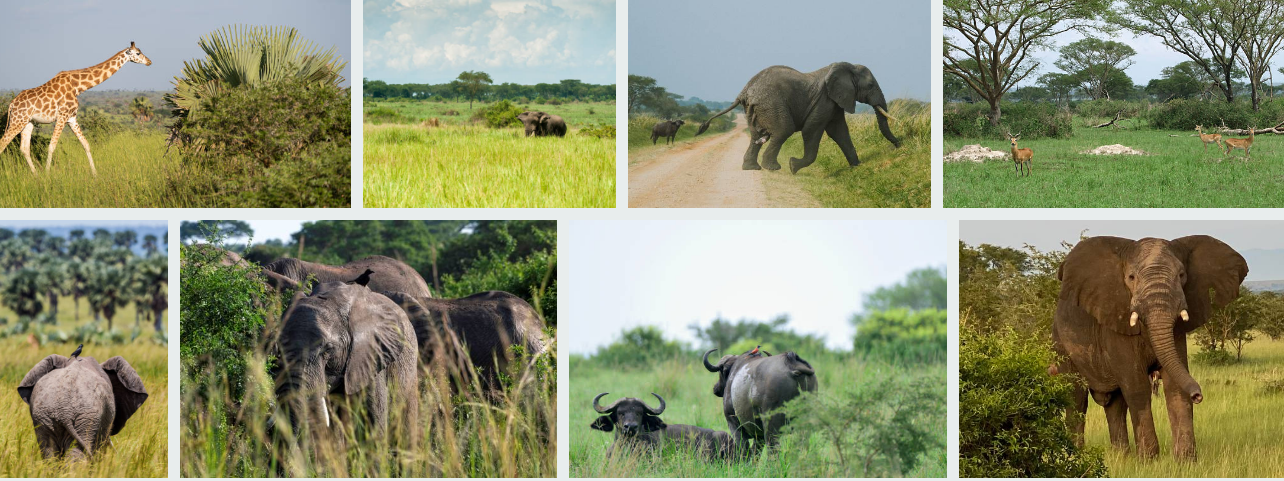
There’s something profoundly humbling about coming face-to-face with a wild animal in its natural environment. Unlike a zoo or a safari park, where animals are confined to enclosures, seeing other wildlife while trekking offers an unfiltered glimpse into their world. A deer cautiously stepping into a clearing, a colorful bird darting between trees, or even the distant call of a howler monkey—these moments create memories that last a lifetime.
Wildlife sightings are unpredictable, which makes them even more special. You might set out hoping to see other wildlife while trekking and return without a single encounter—or you might stumble upon an unexpected spectacle that leaves you breathless. The key is patience, awareness, and a deep appreciation for the natural world.
Where to See Other Wildlife While Trekking
Different ecosystems host different species, so your chances of seeing other wildlife while trekking depend largely on where you go. Here are some of the best environments for wildlife spotting:
1. Tropical Rainforests
Rainforests are biodiversity hotspots, teeming with life at every turn. From the Amazon to Borneo, trekking through these lush landscapes offers opportunities to see other wildlife like:
-
Monkeys and apes (howler monkeys, orangutans, gibbons)
-
Exotic birds (toucans, macaws, hornbills)
-
Reptiles and amphibians (tree frogs, iguanas, snakes)
-
Big cats (jaguars, leopards—though these are rare and elusive)
The dense foliage means you’ll need sharp eyes and possibly a knowledgeable guide to help spot camouflaged creatures.
2. Grasslands and Savannas
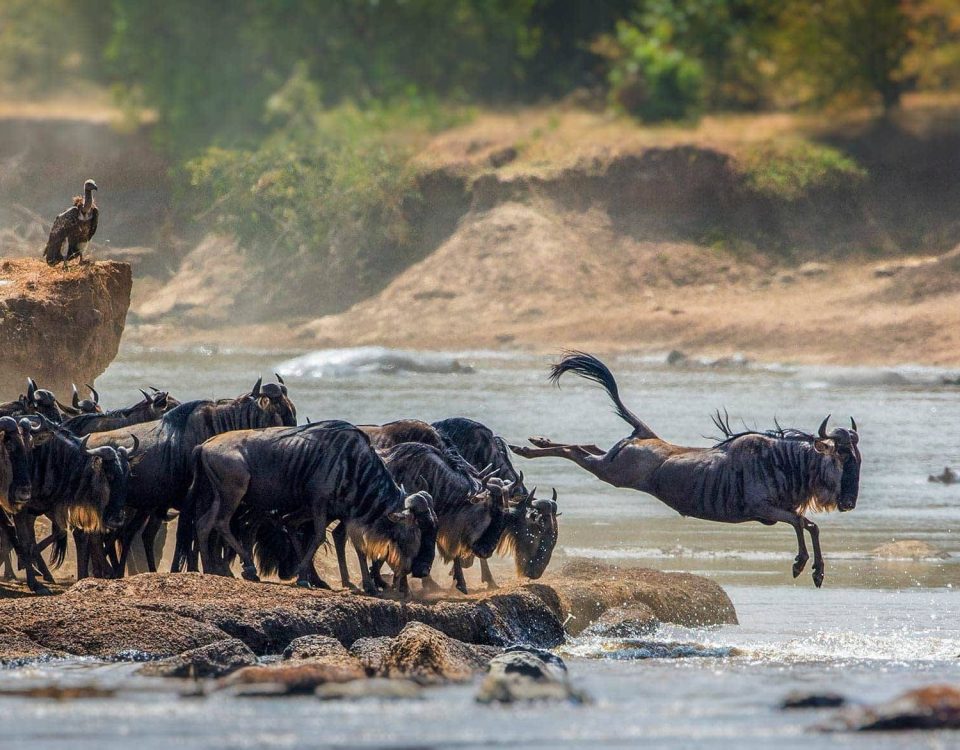
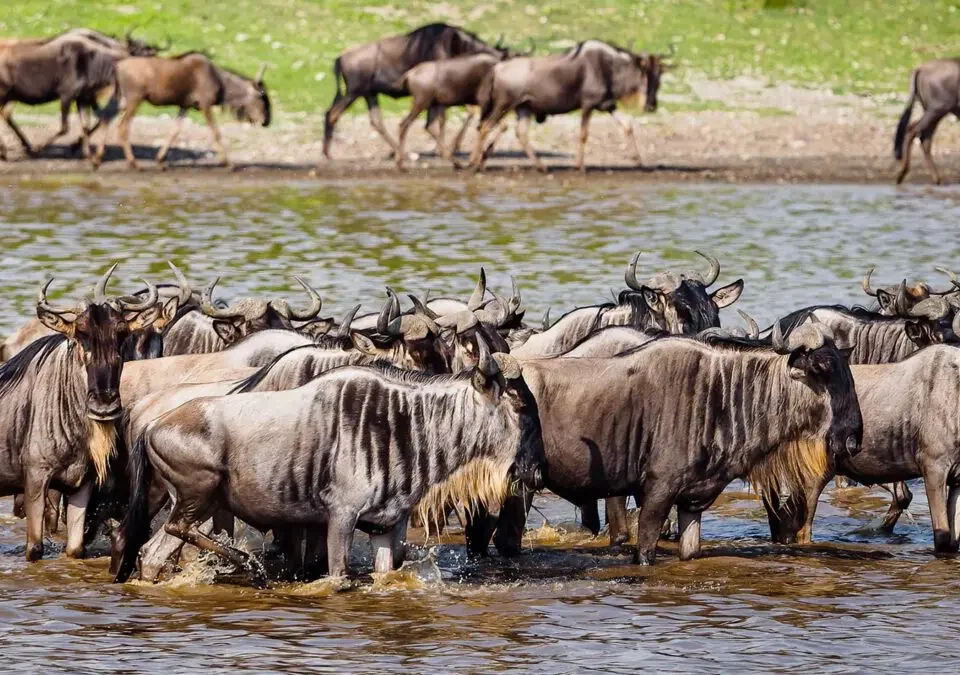
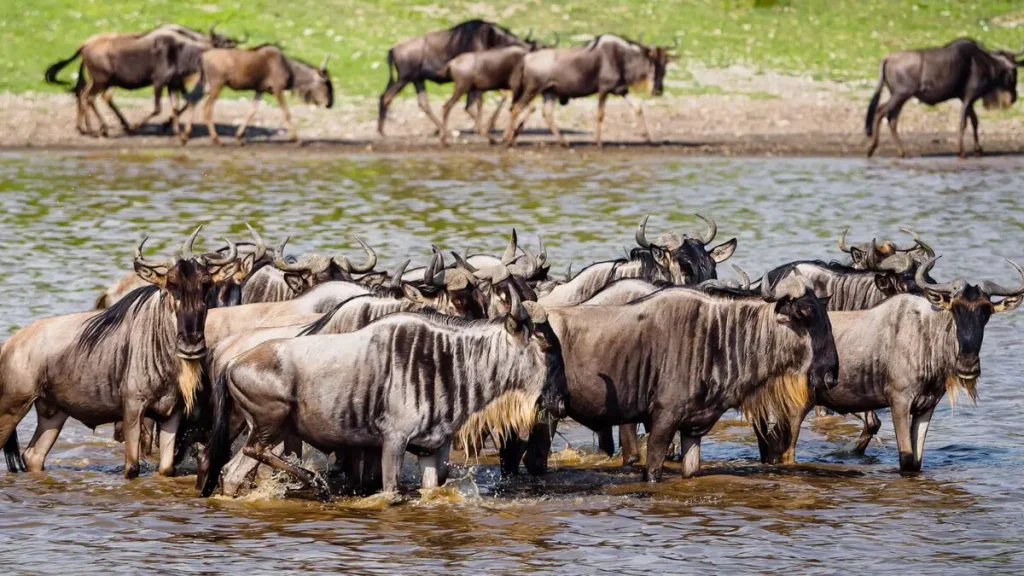
Open landscapes like the African savannas or the grasslands of South America make it easier to see other wildlife while trekking. Here, you might encounter:
-
Large herbivores (elephants, zebras, antelopes)
-
Predators (lions, cheetahs, hyenas—observe from a safe distance!)
-
Birdlife (eagles, vultures, ostriches)
Early morning and late afternoon are the best times for sightings, as many animals avoid the midday heat.
3. Mountainous Regions
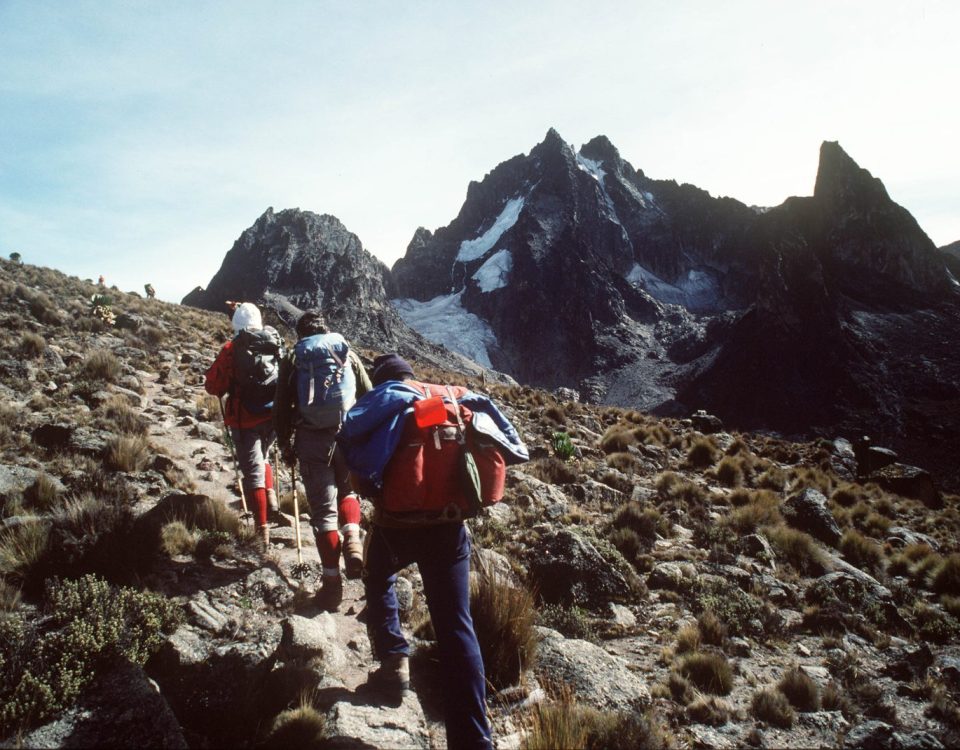
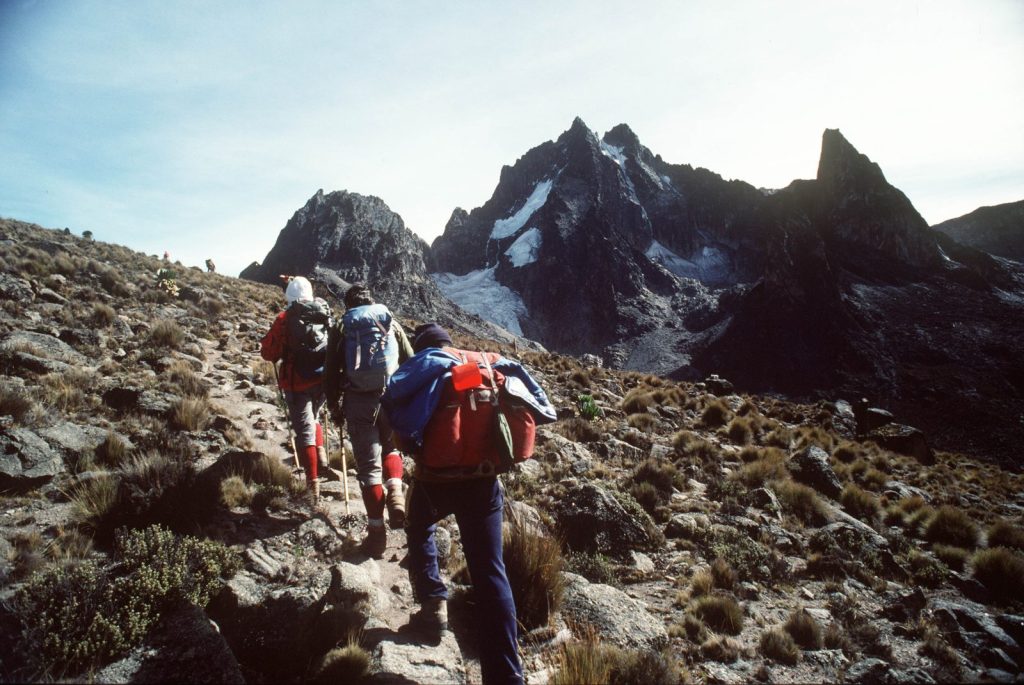
High-altitude treks in places like the Himalayas, Andes, or Rockies can bring you close to unique wildlife adapted to harsh conditions:
-
Snow leopards (extremely rare but a holy grail for wildlife enthusiasts)
-
Mountain goats and sheep (ibex, bighorn sheep)
-
Birds of prey (golden eagles, condors)
The thinner air and rugged terrain make these encounters even more rewarding.
4. Coastal and Marine Trails
Some treks follow coastlines or islands where marine and terrestrial wildlife intersect. You might see:
-
Seals and sea lions basking on rocks
-
Penguins waddling along shorelines
-
Whales and dolphins breaching offshore
How to Increase Your Chances of Seeing Other Wildlife While Trekking
While wildlife sightings are never guaranteed, these tips can improve your odds:
1. Go with a Knowledgeable Guide
Local guides know animal behaviors, migration patterns, and the best spots to see other wildlife while trekking. They can also ensure your safety around potentially dangerous animals.
2. Be Quiet and Patient
Wild animals are sensitive to noise. Move slowly, speak in hushed tones, and pause frequently to listen for rustling leaves or bird calls.
3. Trek During Peak Activity Times
Dawn and dusk (crepuscular hours) are when many animals are most active. Midday treks may still yield sightings, but you’ll have better luck during cooler parts of the day.
4. Use Binoculars and a Good Camera
Some wildlife stays at a distance, so binoculars help you observe without disturbing them. A zoom lens on your camera can capture stunning shots without intrusion.
5. Learn Animal Tracks and Signs
Even if you don’t see the animal itself, you might find footprints, scat, or feeding marks that indicate recent activity.
The Ethical Responsibility of Wildlife Encounters
Seeing other wildlife while trekking is a privilege, not a right. As trekkers, we must follow ethical guidelines to protect these animals:
-
Keep Your Distance – Never approach or feed wild animals. Use binoculars or zoom lenses for close-up views.
-
Stay on Designated Trails – Venturing off-path can disturb habitats and stress wildlife.
-
Avoid Flash Photography – Sudden bright lights can startle animals, especially at night.
-
Respect Nocturnal Creatures – If you’re night trekking, use red-filtered lights to avoid disrupting their natural behaviors.
-
Leave No Trace – Carry out all trash, as litter can harm animals and pollute their environment.
Inspiring Stories of Wildlife Encounters
Many trekkers have unforgettable stories of seeing other wildlife while trekking. Here are a few that highlight the magic of these moments:
The Elusive Snow Leopard
A group of trekkers in Ladakh, India, spent days scanning the cliffs for the legendary snow leopard. Just as they were about to give up, a movement caught their eye—a majestic leopard, perfectly camouflaged against the rocks, stared back at them before vanishing into the wilderness.
The Curious Gorilla Family
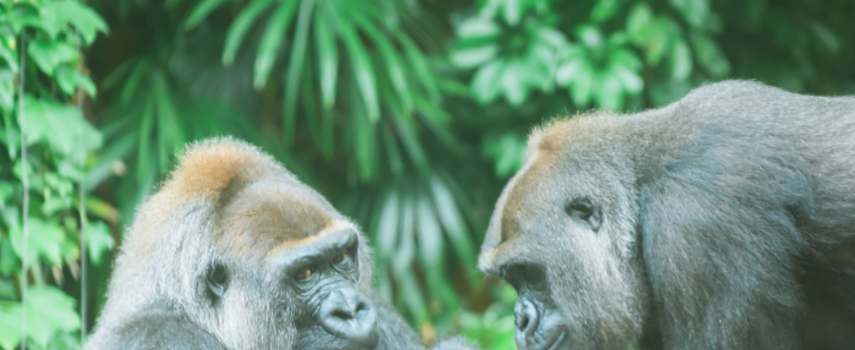
In Uganda’s Bwindi Impenetrable Forest, a trekker sat quietly as a family of mountain gorillas passed by. A young gorilla paused, locking eyes with the human before playfully rolling away. That brief connection was a reminder of how closely related we are to these gentle giants.
The Dancing Birds of Paradise
In Papua New Guinea, a hiker witnessed the mesmerizing courtship dance of a male bird of paradise, its vibrant feathers shimmering in the sunlight as it performed an intricate routine to attract a mate.
The Gift of Wildlife on the Trail
Every trek is an opportunity to witness the wonders of nature. Whether you see other wildlife while trekking or simply sense their presence through tracks and sounds, these encounters deepen our connection to the planet. They remind us that we are part of a vast, interconnected web of life—one that deserves our respect and protection.
So, the next time you lace up your hiking boots, remember: the wilderness is alive. Look closely, move mindfully, and cherish every moment. Because when you see other wildlife while trekking, you’re not just an observer—you’re a guest in their home. And that is a gift beyond measure.
Happy trekking, and may your path cross with the wild in the most beautiful ways.
East Africa Safari — Essential Travel Information
East Africa encompasses some of the world’s most iconic wildlife destinations. Uganda, Rwanda, Kenya, and Tanzania form the heart of the safari region, each offering distinct landscapes, wildlife, and travel experiences. Whether you’re seeking mountain gorillas in misty rainforests, the spectacular wildebeest migration across the Serengeti, or the intimate Big Five encounters of the Masai Mara, East Africa delivers an unparalleled variety of wildlife experiences within a relatively compact geographic region.
The region’s safari infrastructure is mature and well-developed, with a wide range of accommodation from budget campsites to ultra-luxury tented lodges. International air connections serve multiple gateway airports including Nairobi’s JKIA, Entebbe (Uganda), Kigali (Rwanda), Kilimanjaro International (Tanzania), and Julius Nyerere International (Dar es Salaam), giving visitors flexibility in designing multi-country itineraries.
East Africa Safari Planning Tips
- Best time to visit: The dry seasons — June to October and December to February — offer the best wildlife viewing across most of East Africa. The Masai Mara migration peaks in July–October. Gorilla trekking is year-round but June–September is most popular.
- Book early: Gorilla permits (Uganda and Rwanda), popular migration camps in the Serengeti and Masai Mara, and Kilimanjaro climb slots all have limited capacity. Book 6–12 months ahead for peak season.
- Combine countries: East Africa’s geography makes multi-country itineraries practical and rewarding. A classic 10-day circuit might combine Uganda gorillas + Queen Elizabeth wildlife + Rwanda gorillas. A 14-day trip adds the Serengeti and Masai Mara.
- Health preparation: Yellow fever vaccination is required for Uganda and Rwanda and recommended elsewhere in the region. Malaria prophylaxis is essential below 2,500m. Comprehensive travel insurance including medical evacuation coverage is non-negotiable.
- Currency: The US dollar is the de facto currency in most safari operations. Carry clean, undamaged USD bills printed after 2009 — older notes are routinely refused. Each country has its own local currency for smaller purchases.
Recommended Tours: 4 Days Bwindi Gorilla Trekking Safari | 8 Days Kenya Wildlife Safari