Home /
Gorilla Safaris
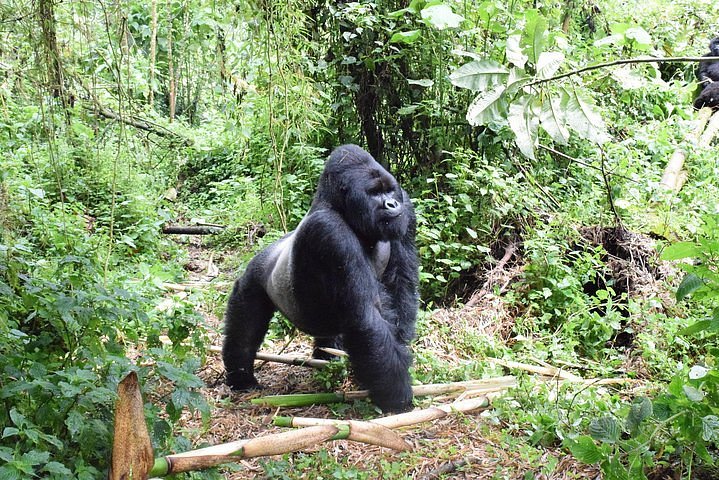
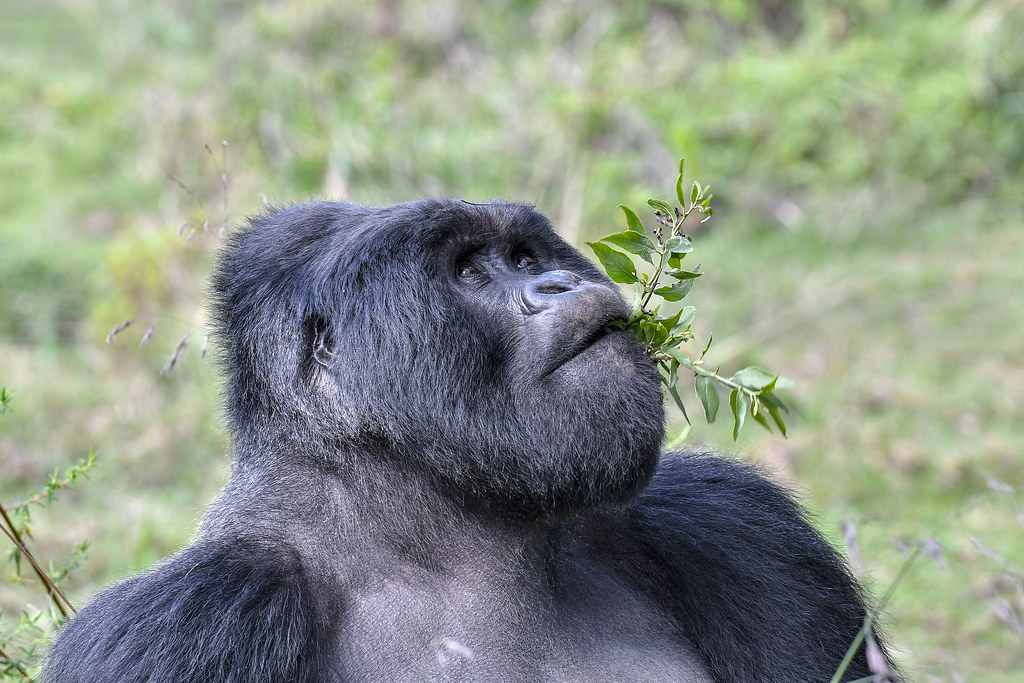
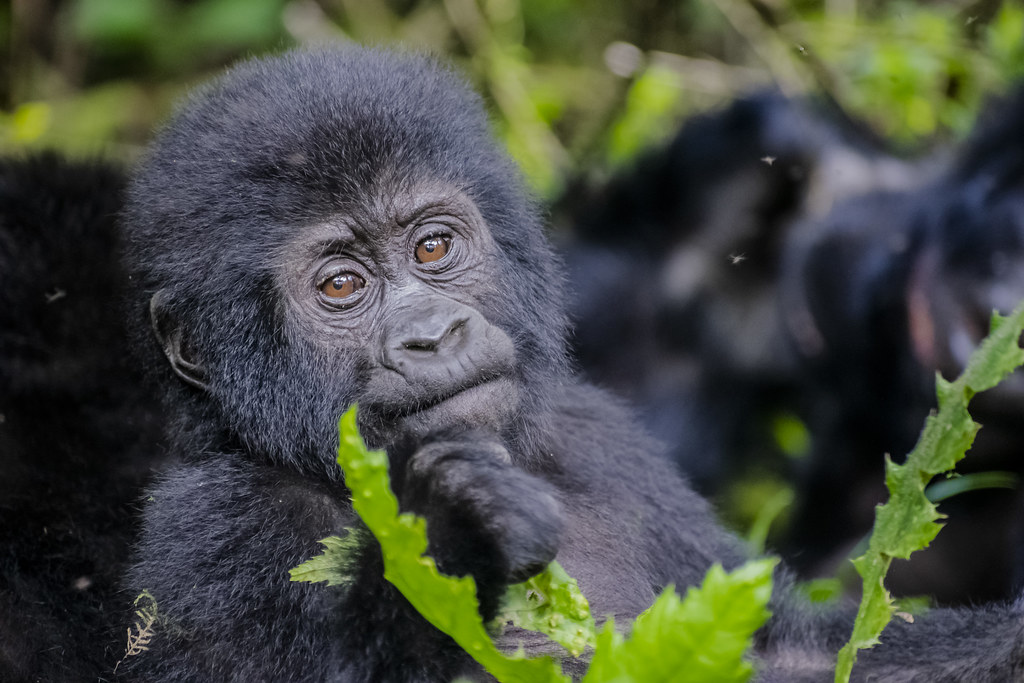
Gorilla safaris are among the most profound and emotional wildlife journeys on Earth. Standing face to face with a wild gorilla family in the depths of Africa’s rainforests is not just a safari activity but a life-changing encounter that connects travelers to nature in its purest form. These safaris take place in a few carefully protected regions of Africa, where conservation, community, and responsible tourism work together to protect one of the world’s most endangered primates.
-
- UntamedUganda
Gorilla Safaris & Tours
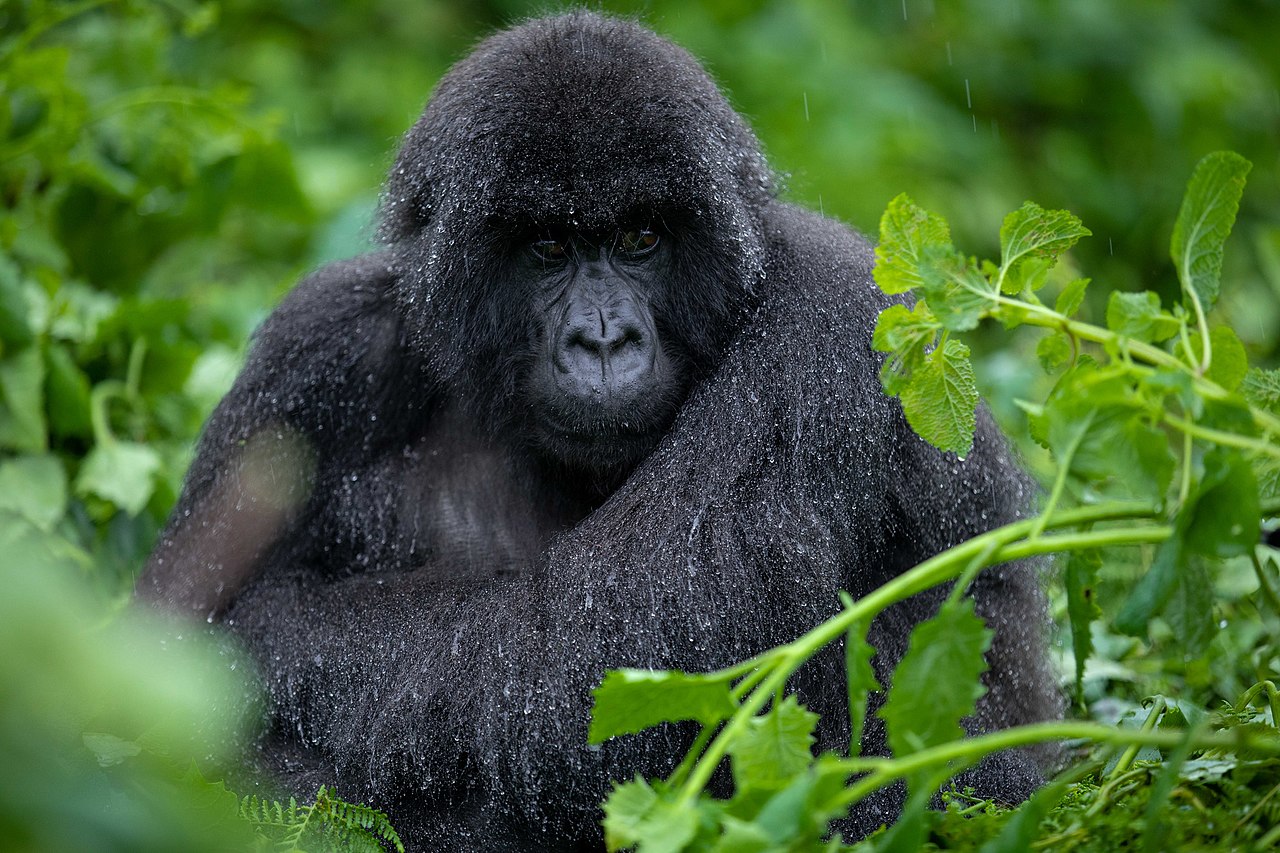
A romantic 4-day Rwanda safari for newlyweds, pairing one gorilla trek with boutique lodges and private transfers throughout.
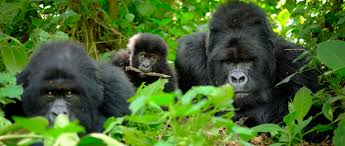
Journey from Kigali to Bwindi for a mountain gorilla encounter on this exciting short 2-day cross-border trek.
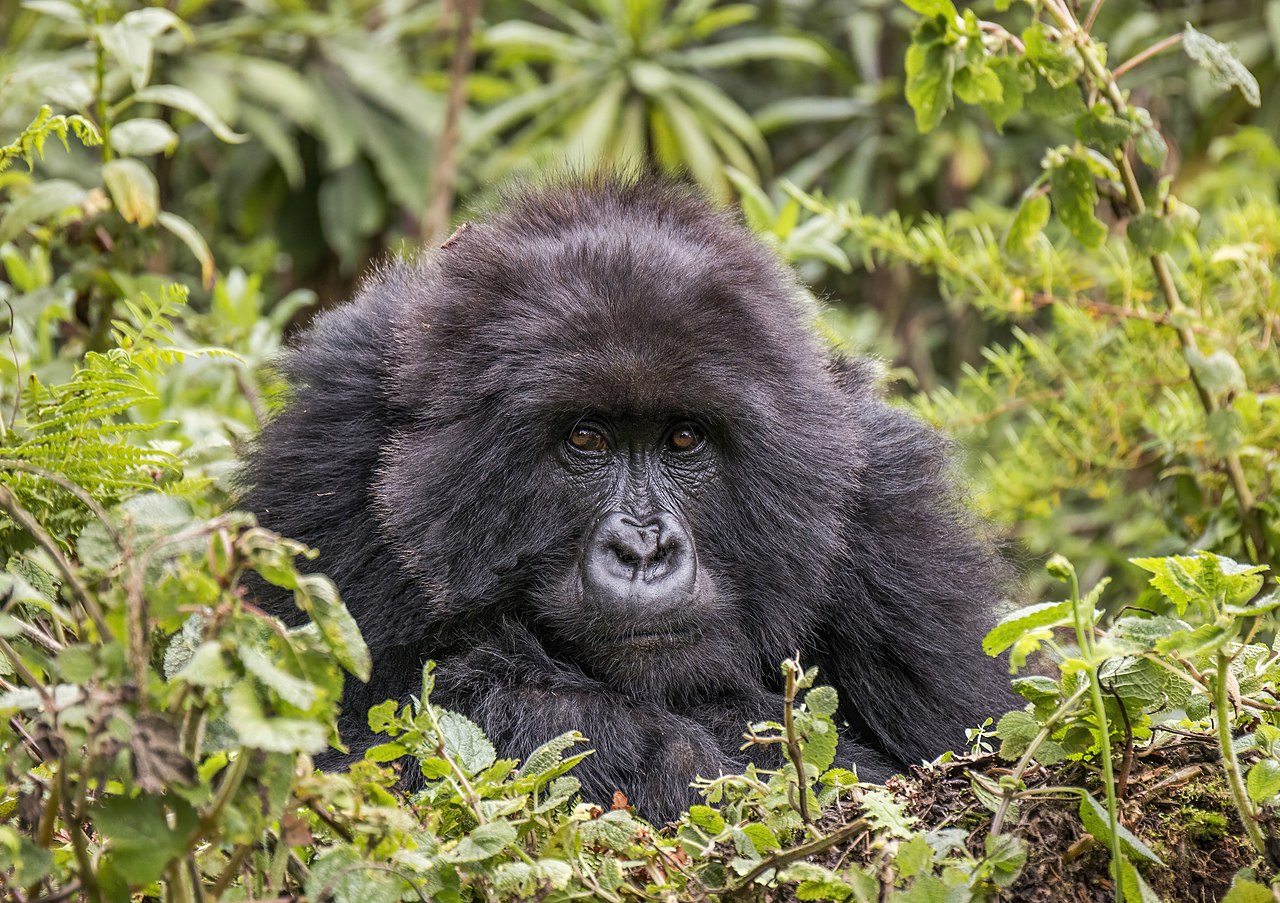
Skip the long road transfer with a scenic flight straight to Volcanoes National Park for an easier first gorilla trekking trip.
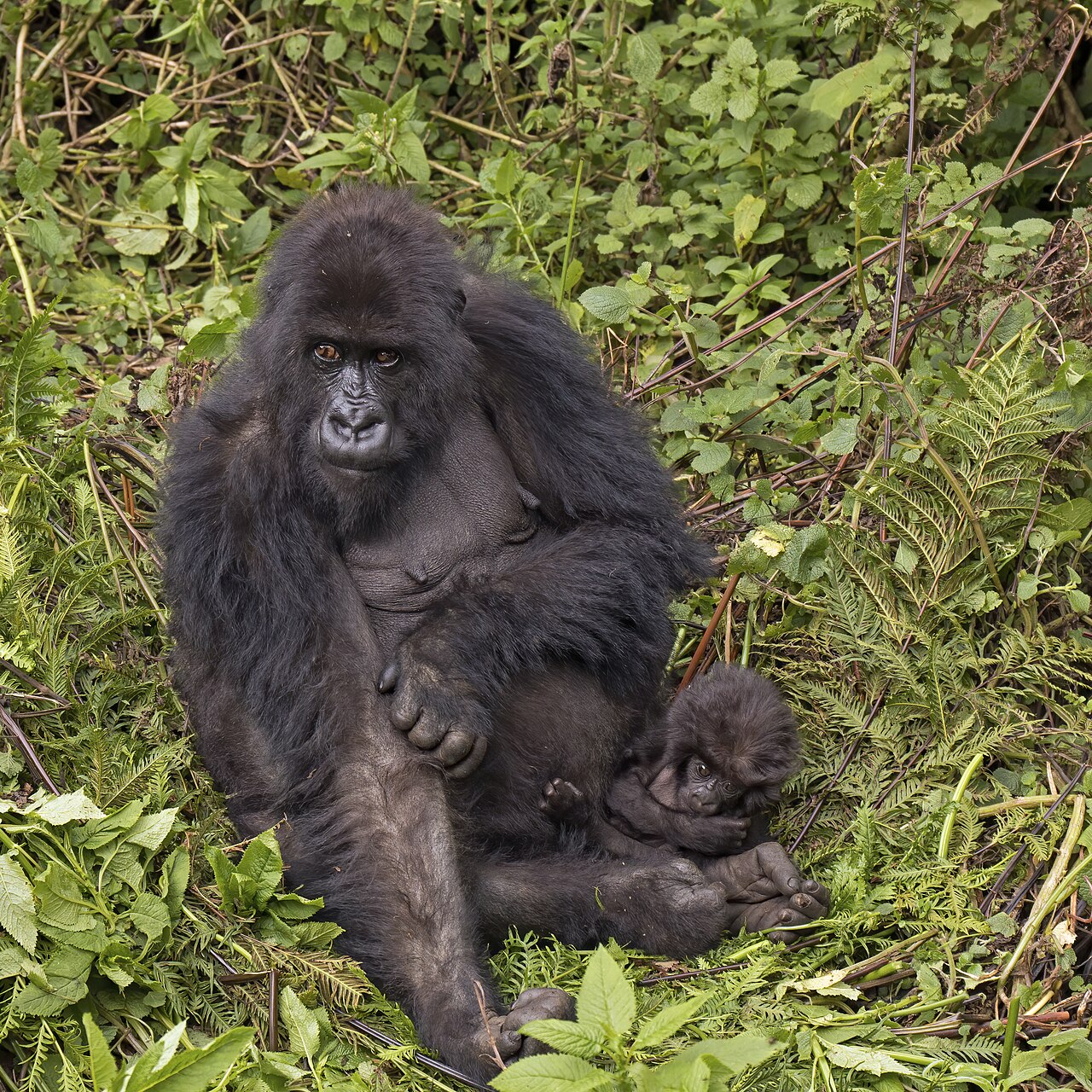
One gorilla trek in Volcanoes National Park followed by a restful day on Lake Burera and Lake Ruhondo's twin lakes.

Trek Rwanda gorillas and track golden monkeys and colorful primates on this wildlife-rich 7-day Rwanda safari.

Trek gorillas in Rwanda and Uganda's Bwindi on this epic 7-day combined mountain gorilla wildlife safari trip.

Experience Uganda's iconic gorillas on this one-day gorilla trekking expedition departing from Kigali, Rwanda.

Trek mountain gorillas and golden monkeys through Rwanda's volcanic Virunga forests on this 5-day Rwanda trip.

Trek mountain gorillas and track chimps and primates in Rwanda's volcanic forests on this 5-day Rwanda safari.
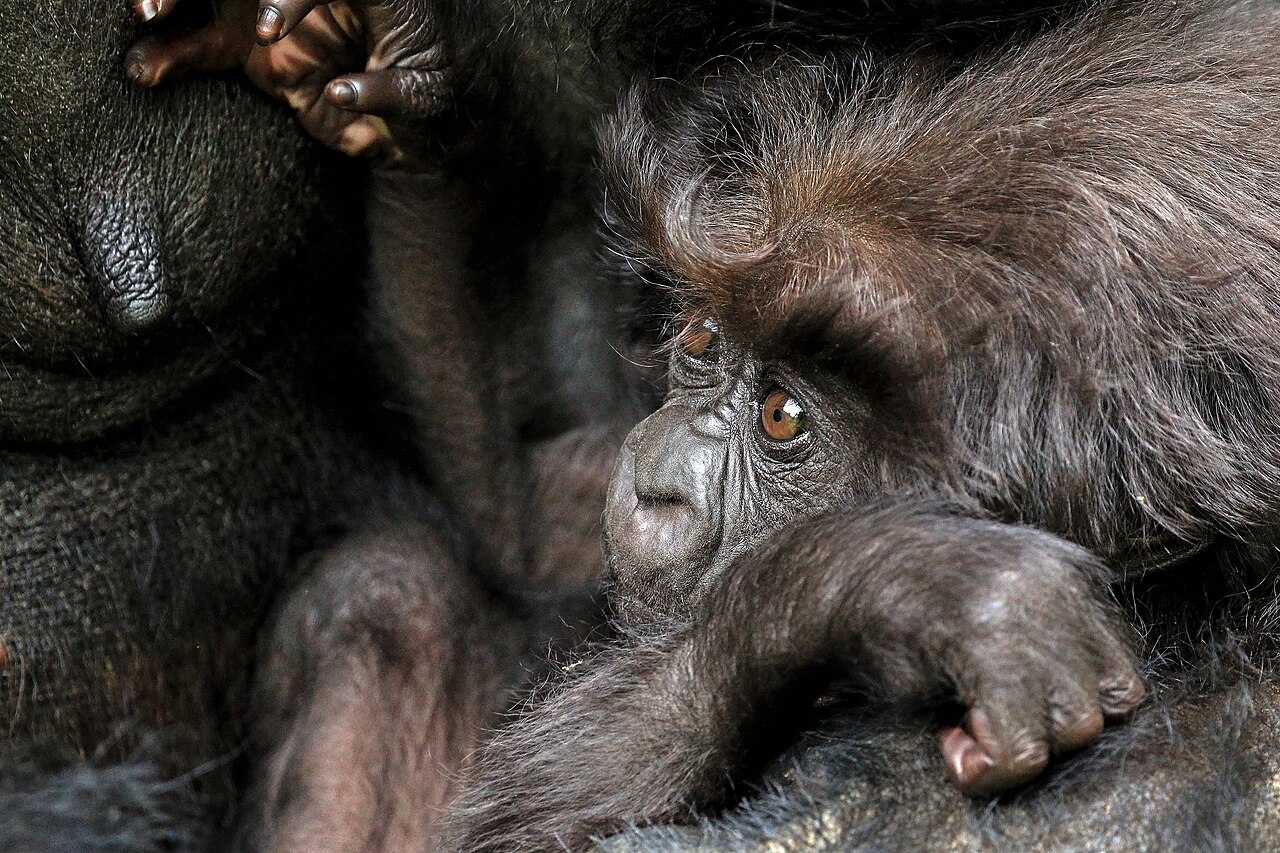
A gentle first look at Rwanda combining a Kigali city orientation, one gorilla trek, and relaxed time on Lake Kivu.
A relaxed 5-day safari pairing a single gorilla trek with an unhurried cultural visit near Nyanza and short daily drives.
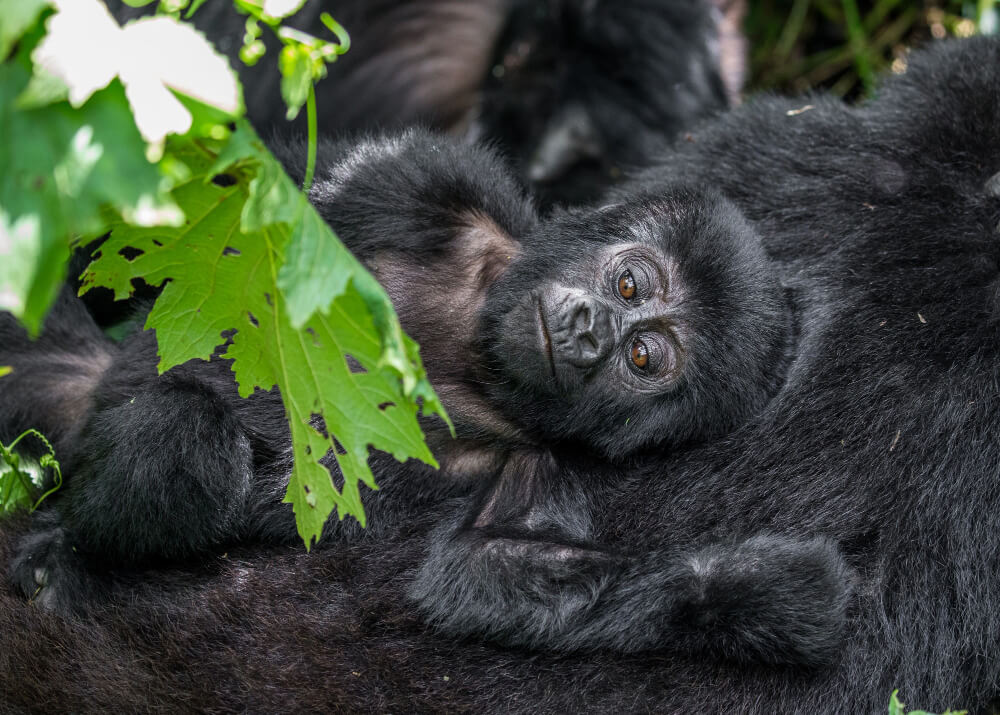
Explore Rwanda's gorillas, golden monkeys, tea plantations and cultural sites on this top 7-day Rwanda safari.
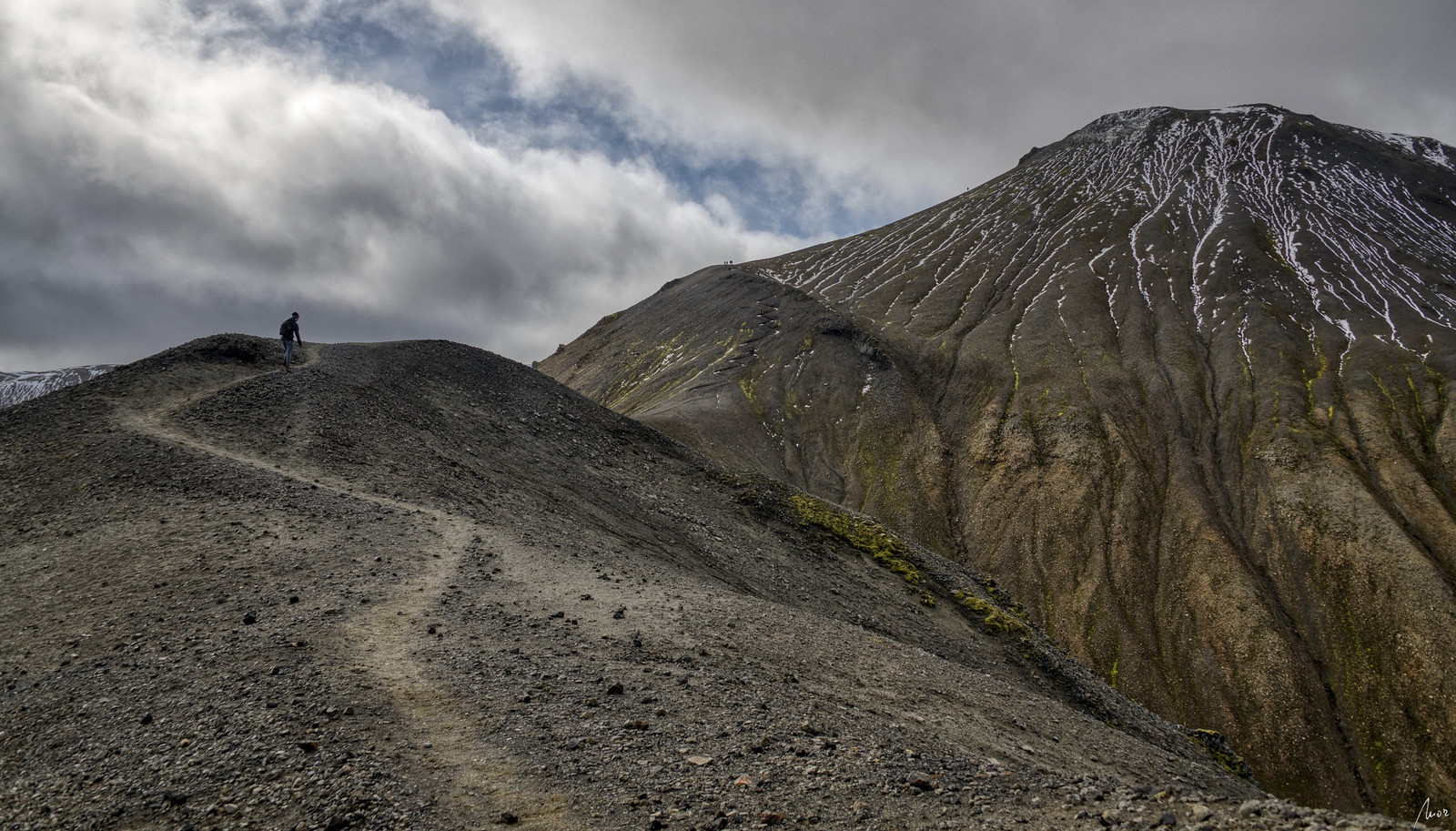
Choose Bwindi or Volcanoes for an amazing gorilla trek on this flexible and exciting 4-day Kigali safari trip.
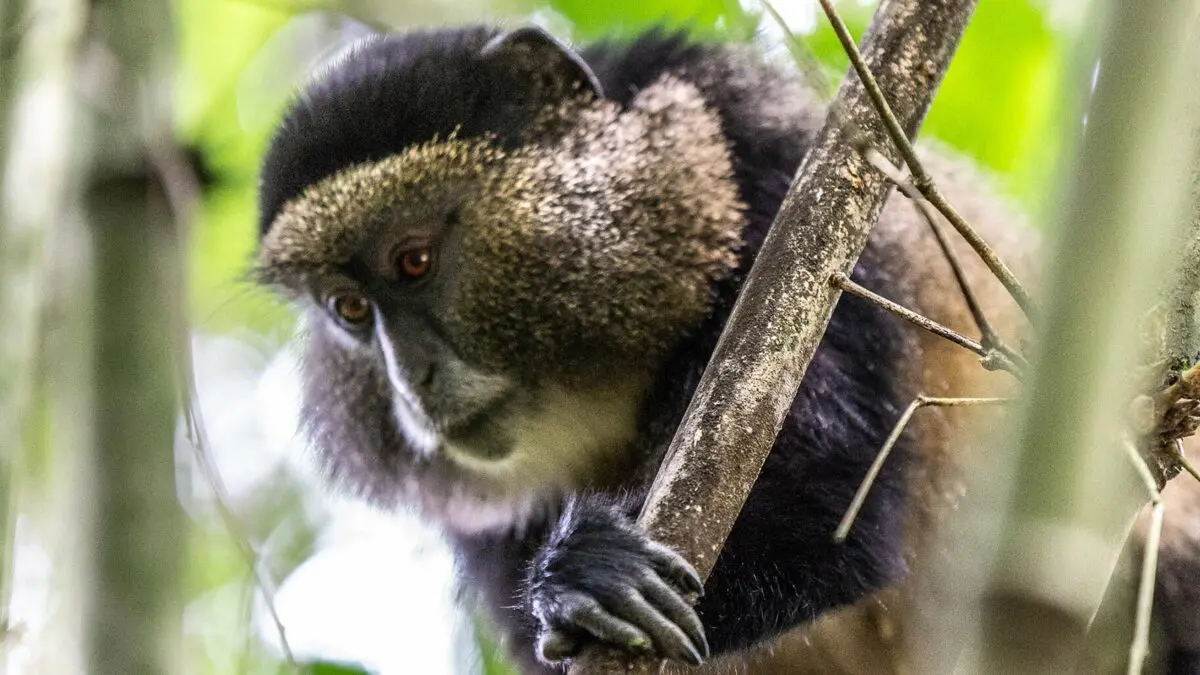
Trek mountain gorillas and golden monkeys in Rwanda on this fun 4-day Kigali-based gorilla and primate safari.
A first-timer-friendly family itinerary: one gorilla trek plus kid-friendly activities at a comfortable, unrushed pace.
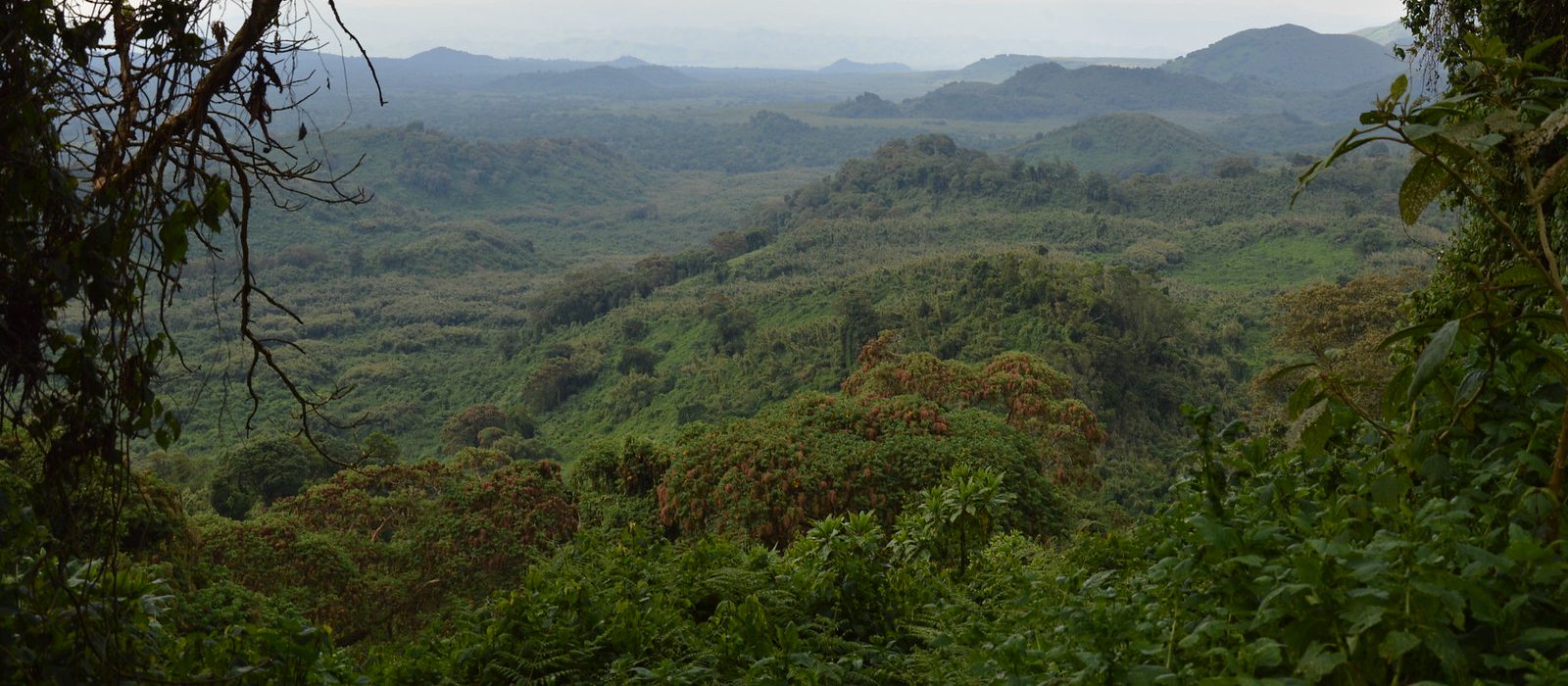
Double your gorilla trekking with both permits in Volcanoes National Park on this 4-day Rwanda gorilla safari.
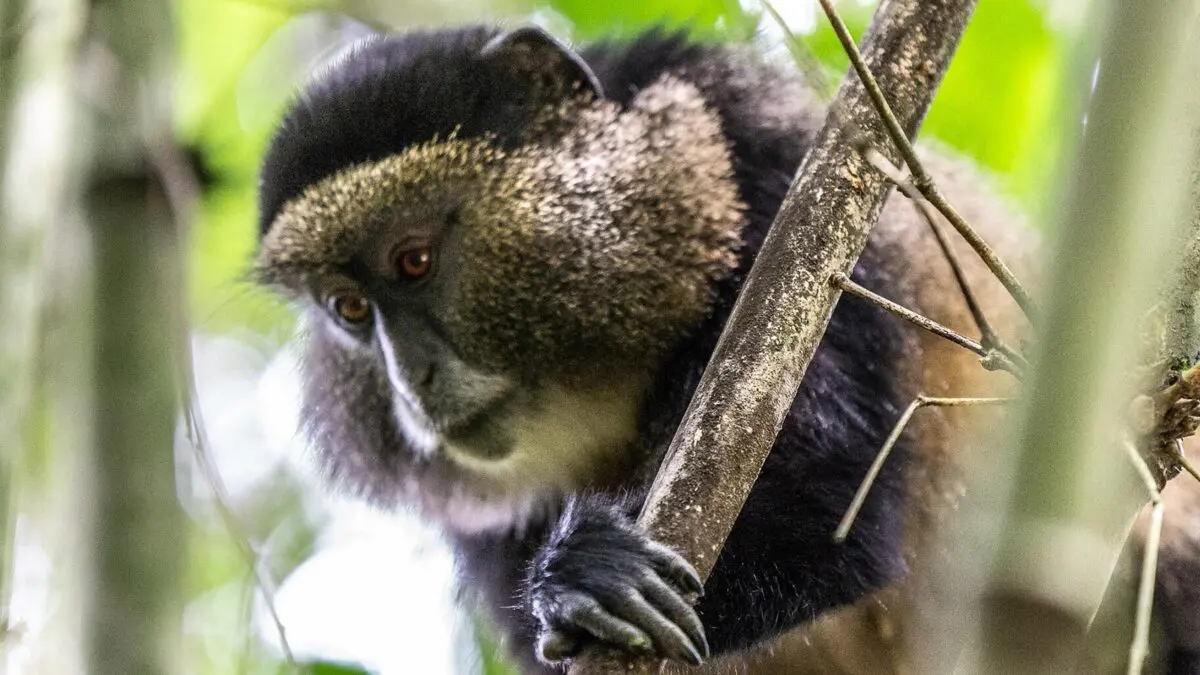
Trek Rwanda gorillas and golden monkeys through Volcanoes National Park on this rewarding 4-day Rwanda safari.
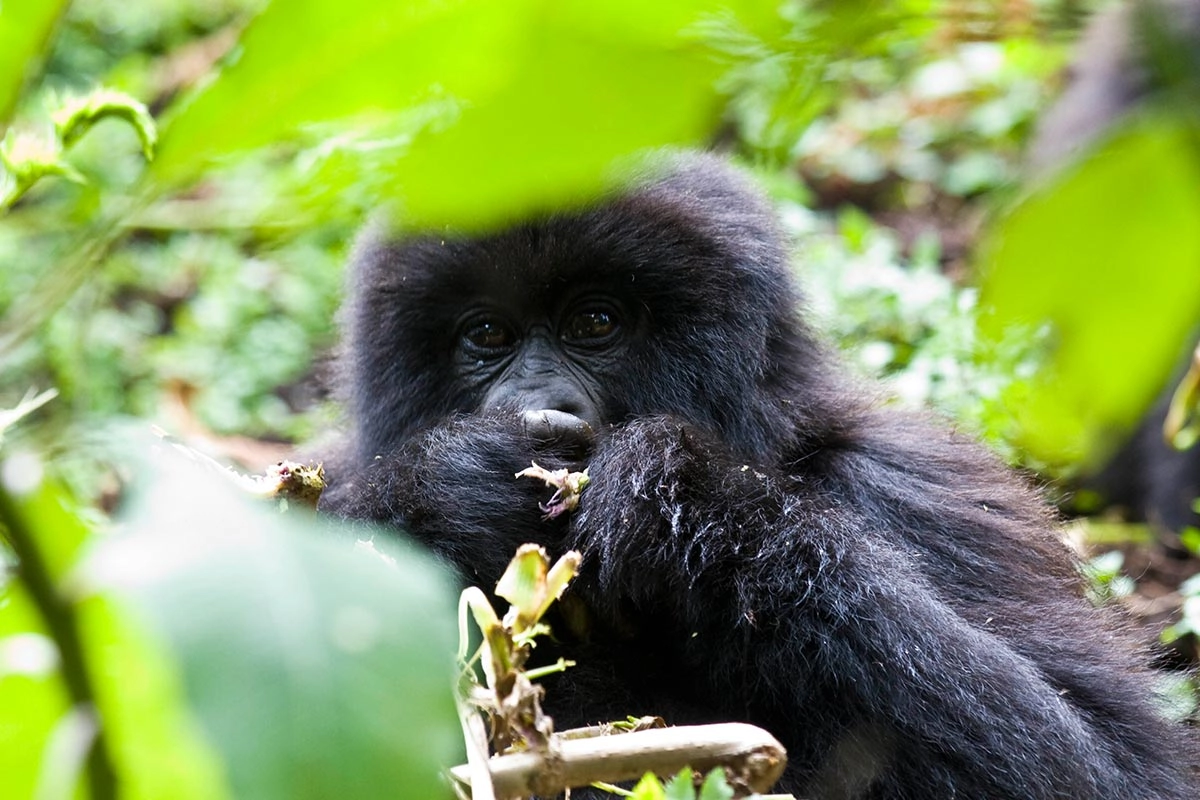
Experience a mountain gorilla trek in Rwanda on this short and well-made 2-day Rwanda gorilla trekking safari.
A guided Kigali orientation day grounds first-time visitors before heading to Volcanoes National Park for a single gorilla trek.
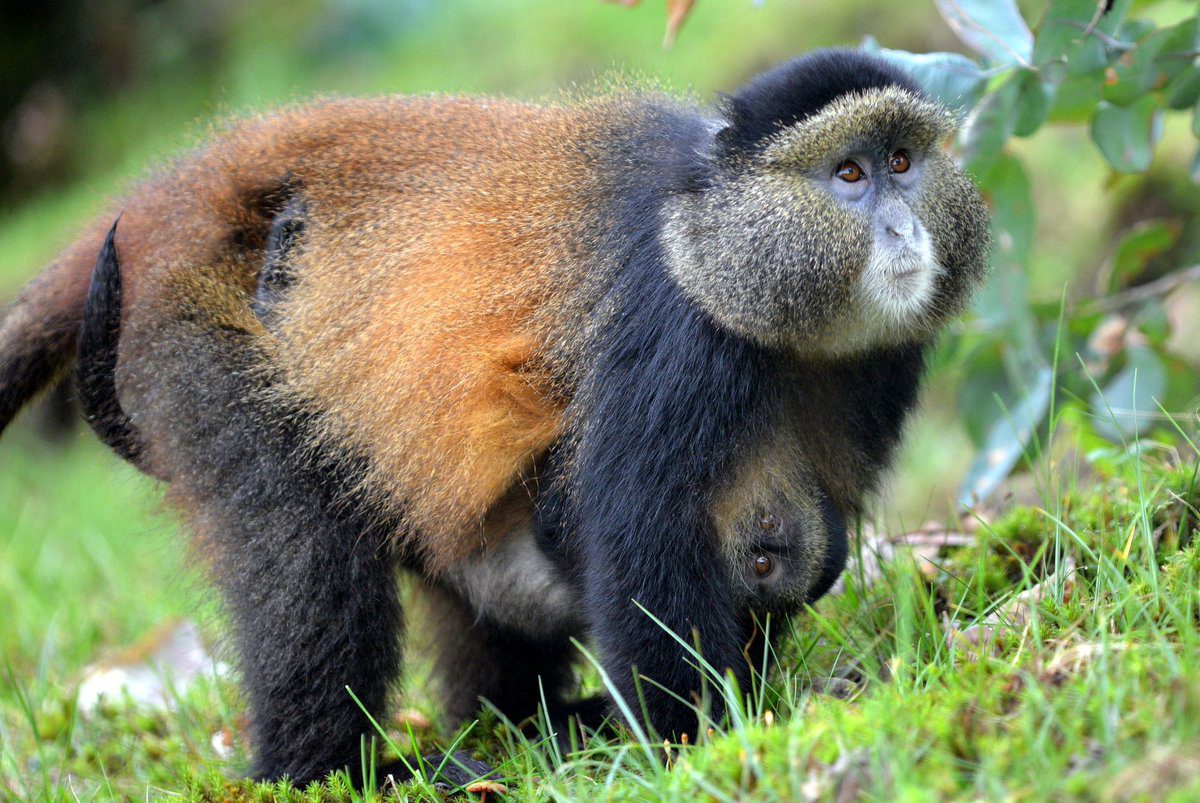
Meet mountain gorillas and golden monkeys in Volcanoes Park on this compact and superb 3-day Rwanda tour trip.
An easy, unhurried 3-day gorilla trek in Volcanoes National Park, built for travelers on their very first African safari.
Uganda Gorilla Trekking Experience
Discover Uganda’s gorilla trekking experience where misty rainforests shelter mountain gorillas, ancient trails wind through Bwindi’s depths, and every step brings you closer to one of Africa’s most profound wildlife encounters, blending raw nature, conservation, and lasting memories.
Gorilla Safaris: A Complete Guide to Unforgettable African Adventures
What Makes Gorilla Safaris So Special
Unlike traditional game drives, gorilla safaris involve guided treks on foot through dense forests and mountainous terrain. The experience is intimate and deeply personal, limited to small groups and strictly regulated to protect the gorillas. When you finally encounter a gorilla family, you spend a precious hour observing their natural behavior — watching the dominant silverback, playful juveniles, and nurturing mothers interact quietly just meters away. The sense of respect, awe, and connection makes gorilla safaris unlike any other wildlife experience.
Where Gorilla Safaris Take Place
Gorilla safaris are offered in only a few African countries, making them rare and exclusive. Mountain gorilla safaris are found in Uganda, Rwanda, and the Democratic Republic of Congo, while lowland gorilla safaris take place in parts of Congo and West and Central Africa. Uganda’s Bwindi Impenetrable National Park and Mgahinga Gorilla National Park are among the most popular destinations, known for their high success rates and diverse trekking routes. Rwanda’s Volcanoes National Park offers shorter treks and luxury-focused experiences, while eastern Congo provides more adventurous and less crowded options for experienced travelers.
What to Expect on a Gorilla Safari
A typical gorilla safari begins with an early morning briefing by park rangers, followed by a guided trek into the forest. Trek durations vary depending on the gorillas’ location, ranging from a gentle walk to several hours of hiking through steep and muddy terrain. Once the gorillas are located, visitors are allowed one hour in their presence. This time feels both fleeting and unforgettable, as every movement, glance, and interaction reveals the intelligence and social bonds of these remarkable animals.
Best Time for Gorilla Safaris
Gorilla safaris are possible year-round, but the drier months generally offer easier trekking conditions. The periods from June to September and December to February are considered ideal, with less rainfall and clearer forest trails. The wetter seasons bring thicker vegetation and fewer visitors, creating a more secluded experience for those comfortable with challenging terrain. Regardless of the season, gorilla sightings are highly reliable due to continuous monitoring by trackers.
Physical Fitness and Preparation
Gorilla safaris require a reasonable level of fitness, but they are achievable for most travelers with proper preparation. Treks can involve steep slopes, uneven ground, and dense vegetation, making sturdy hiking boots, long-sleeved clothing, and rain protection essential. Porters are available to assist with carrying bags and providing support on difficult sections, while experienced guides ensure safety and comfort throughout the trek.
Conservation and Responsible Tourism
Every gorilla safari directly supports conservation. Permit fees fund habitat protection, ranger patrols, veterinary care, and community development projects surrounding the parks. Strict rules are enforced to minimize human impact, including maintaining distance, limiting group sizes, and prohibiting visits when travelers are unwell. By participating in a gorilla safari, visitors play an active role in safeguarding the future of gorillas and the ecosystems they depend on.
Gorilla Safaris Combined With Other Experiences
Many travelers choose to combine gorilla safaris with classic wildlife safaris, cultural tours, or scenic relaxation. In Uganda, gorilla trekking pairs beautifully with savannah safaris in Queen Elizabeth National Park or Nile adventures in Murchison Falls National Park. Rwanda offers seamless combinations with cultural heritage sites and lake retreats, while Congo appeals to travelers seeking raw wilderness and adventure. These combinations create well-rounded itineraries that showcase Africa’s diversity.
Why Gorilla Safaris Leave a Lasting Impact
Gorilla safaris go beyond photography and sightseeing. They challenge perspectives, inspire respect for wildlife, and leave travelers with a deep appreciation for conservation. The quiet moment when a silverback locks eyes with you, calm and powerful, is something few experiences can match. For many, a gorilla safari is not just the highlight of an African trip but one of the most meaningful journeys of their lifetime.
What Our Travelers Enjoyed About Gorilla Safaris

Gorillas "Silverback"
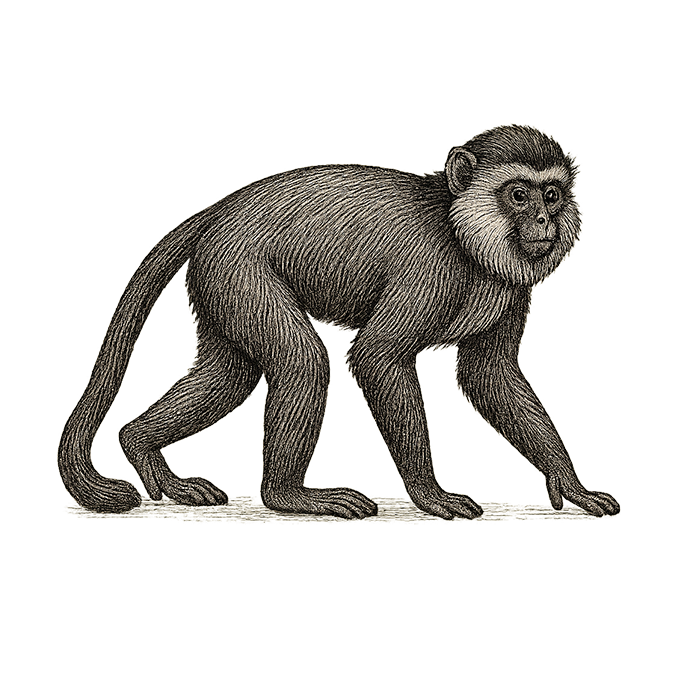
Golden Monkey "Photogenic"
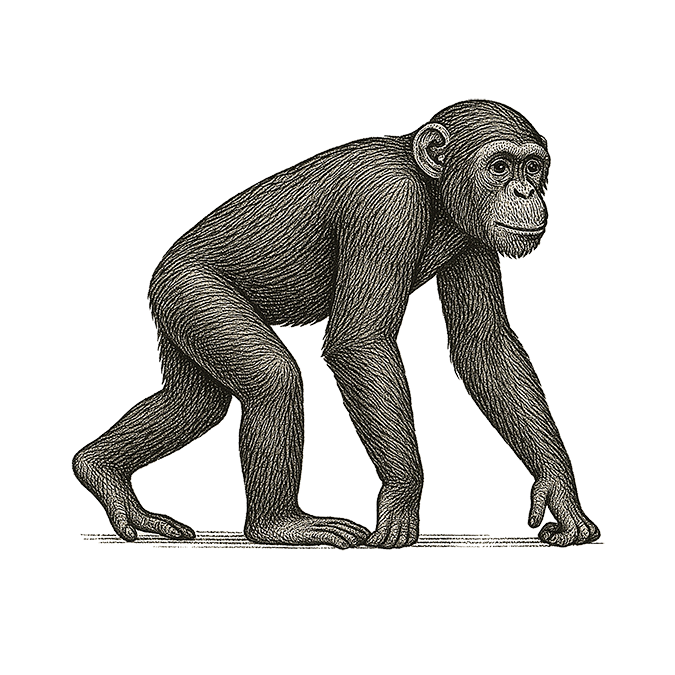
Chimpanzees "Pant-hoot"