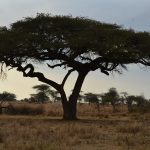
Discovering Africa Beyond the Classic Game Drive
Introduction: Safaris for the Curious and the Adventurous
When most people think of an African safari, they imagine open savannahs, lions resting in the grass, and elephants crossing dusty roads. While these experiences are unforgettable, Africa also offers a world of rare, unconventional, and lesser-known safari adventures that go far beyond traditional game drives. Miscellaneous and rare safari experiences are designed for travelers who seek originality, deeper connections with nature, and stories few others can tell.

These safaris reveal Africa’s hidden layers—remote ecosystems, unusual wildlife encounters, cultural immersion, and specialized activities that transform a journey into something truly distinctive.
What Makes a Safari Experience “Rare”?
Rare safari experiences are defined not by luxury or popularity, but by uniqueness. They often take place in lesser-visited regions, focus on specialized wildlife or ecosystems, or involve activities not commonly associated with safaris. These experiences may require patience, curiosity, or a sense of adventure, but they reward travelers with authenticity and exclusivity.
Such safaris are ideal for repeat visitors, photographers, researchers, solo travelers, and anyone seeking to escape crowded routes in favor of meaningful exploration.
Desert and Semi-Arid Safaris
Some of Africa’s most fascinating wildlife survives in harsh desert and semi-arid environments. These safaris focus on adaptation and resilience rather than abundance. In arid landscapes, tracking wildlife becomes a lesson in survival, reading footprints, wind patterns, and subtle environmental clues.
Desert safaris often include walking experiences guided by local experts who understand how life thrives in extreme conditions. Encounters with uniquely adapted species, dramatic night skies, and complete silence make these safaris profoundly different from classic savannah adventures.
Nocturnal and Night Safaris
Night safaris open a window into a hidden world rarely seen by daytime travelers. Under the cover of darkness, predators become active, nocturnal mammals emerge, and the bush takes on an entirely new personality.
Using red-filtered lights and expert tracking skills, guides reveal creatures such as genets, aardvarks, bush babies, and owls. Night safaris heighten the senses, focusing on sound, movement, and atmosphere, making them some of the most memorable safari experiences available.
Walking and Tracking Safaris
Walking safaris are among the most intimate and educational safari experiences. Moving on foot allows travelers to understand ecosystems at ground level, focusing on animal tracks, insects, plants, and subtle wildlife behavior.
In rare walking safaris, travelers may track specific animals such as rhinos or elephants alongside trained rangers. These experiences emphasize respect, awareness, and connection rather than speed or spectacle, offering a deeper understanding of wildlife and conservation.
Primate and Specialized Wildlife Safaris
Beyond gorillas and chimpanzees, Africa is home to a wide variety of lesser-known primates and specialized species. Rare primate safaris focus on unique monkey species, forest ecosystems, and behavioral observation rather than dramatic sightings.
Other specialized safaris center on specific animals such as pangolins, wild dogs, or rare antelope species. These journeys often involve expert guides, longer tracking times, and fewer guarantees—but the reward is encountering wildlife that few travelers ever see.
Birding and Micro-Safari Experiences
Birding safaris are a perfect example of how rarity does not require size. Africa’s ecosystems host thousands of bird species, many of which are endemic to specific regions. Bird-focused safaris explore wetlands, forests, deserts, and highlands in search of rare and colorful species.
Micro-safaris, which focus on insects, reptiles, amphibians, and plant life, are also gaining popularity. These experiences appeal to naturalists and photographers who appreciate biodiversity beyond large mammals and enjoy learning about overlooked ecosystems.
Cultural and Living Heritage Safaris
Some of the rarest safari experiences are human-centered. Cultural safaris immerse travelers in traditional lifestyles, ceremonies, and knowledge systems that have existed alongside wildlife for centuries.
These experiences may include spending time with pastoralist communities, learning traditional hunting or herding techniques, participating in fishing practices, or exploring sacred natural sites. When conducted respectfully and ethically, cultural safaris provide powerful insight into the relationship between people and nature.
Remote and Low-Impact Safaris
Remote safaris take travelers far from mainstream tourism routes into isolated parks, conservancies, and wilderness areas. These journeys often involve basic infrastructure, small camps, and limited visitor numbers.
Low-impact safaris emphasize sustainability, conservation, and minimal environmental footprint. Travelers may participate in conservation activities, research projects, or habitat restoration, turning the safari into a contribution rather than just an observation.
Who Should Choose Rare Safari Experiences
Miscellaneous and rare safari experiences are best suited for travelers who value depth over convenience. They appeal to adventurous spirits, repeat safari-goers, photographers, conservation-minded travelers, and those seeking personal growth through travel.
These safaris are not about ticking boxes; they are about storytelling, learning, and connection.
Best Time and Planning Considerations
Rare safaris often depend heavily on seasonality, wildlife behavior, and local conditions. Planning with experienced operators is essential to ensure safety, ethical practices, and realistic expectations.
Flexibility is key. Some of the most extraordinary encounters happen unexpectedly, rewarding patience and openness to the journey rather than rigid schedules.
Conclusion: The Beauty of the Unusual
Miscellaneous and rare safari experiences redefine what it means to explore Africa. They move beyond familiar images and invite travelers into quieter, deeper, and more personal encounters with nature, wildlife, and culture.
For those willing to step off the beaten path, these safaris offer something truly special—not just memories, but perspectives that linger long after the journey ends. In a continent as vast and diverse as Africa, the rarest experiences are often the most meaningful.