Zip Lining
August 19, 2024
Tree Climbing Lions
February 27, 2025


Chimpanzee trekking
Chimpanzee trekking is one of Africa’s most rewarding wildlife experiences, offering travelers a rare opportunity to observe our closest living relatives in their natural habitat. Unlike traditional savannah safaris, chimp trekking takes place deep in tropical rainforests, riverine forests, and woodland ecosystems. The experience is immersive, physical, and emotionally powerful, as visitors watch chimpanzees communicate, play, hunt, and interact in complex social groups. Their human-like behavior creates an immediate connection, making chimpanzee trekking a highlight of any primate safari in Africa.




Chimpanzee Trekking
Chimpanzee trekking in Africa is a powerful and intimate wildlife experience that combines adventure, education, and conservation. From the dense forests of Uganda and Rwanda to the remote shores of Lake Tanganyika in Tanzania, each destination offers a unique perspective on chimpanzee life in the wild.
Chimpanzee trekking: A Complete Guide to Experiences Across the Region
Why Chimpanzee Trekking is Unique
What sets chimpanzee trekking apart from other wildlife experiences is its intensity and intimacy. Chimpanzees are highly mobile, vocal, and intelligent, meaning no two treks are ever the same. Tracking them involves listening for calls echoing through the forest, following fresh signs, and sometimes moving quickly through dense vegetation. When the chimps are found, the reward is extraordinary: close-range encounters that reveal their personalities, emotions, and intricate social bonds. This combination of adventure, discovery, and emotional connection makes chimpanzee trekking truly unforgettable.
Best Destinations for Chimpanzee Trekking in Africa
Africa offers several world-class destinations for chimpanzee trekking, each with distinct landscapes and experiences. Uganda is widely regarded as the top destination, with Kibale Forest National Park standing out as the primate capital of East Africa. Kibale boasts one of the highest concentrations of habituated chimpanzees, offering excellent success rates for sightings. Budongo Forest in Murchison Falls National Park and Kyambura Gorge in Queen Elizabeth National Park provide additional chimp trekking opportunities in contrasting environments.
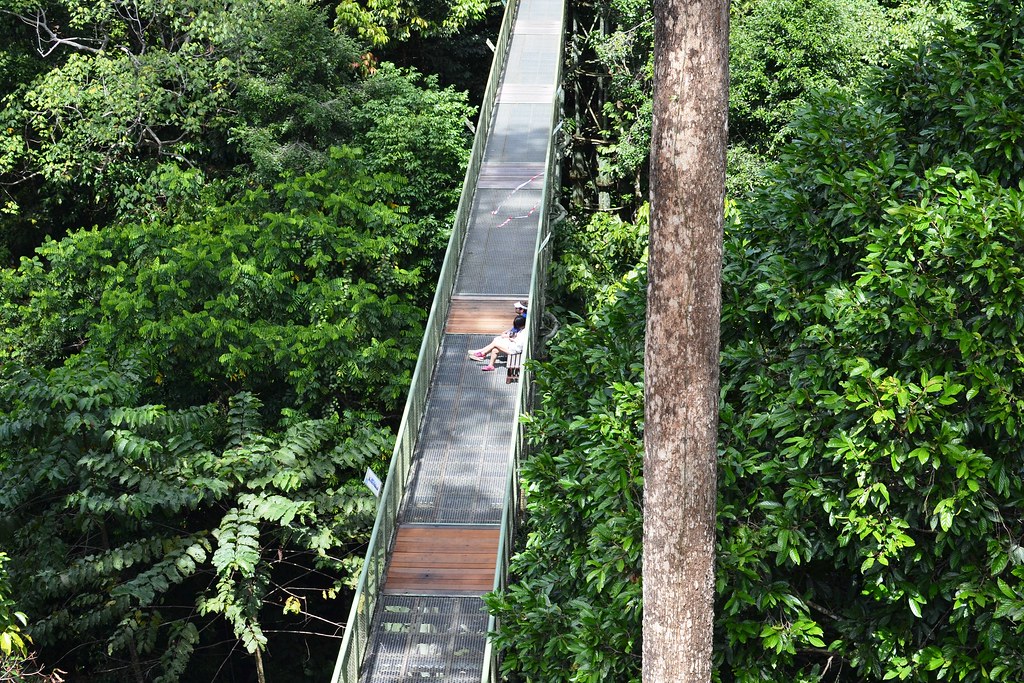
Rwanda’s Nyungwe Forest National Park offers a dramatic setting for chimpanzee trekking, with ancient montane rainforest, waterfalls, and deep valleys. The experience here is both scenic and rewarding, often combined with canopy walks and other primate sightings. Tanzania’s Gombe Stream and Mahale Mountains National Parks are legendary chimpanzee destinations, made famous by Jane Goodall’s research. These remote parks along Lake Tanganyika provide some of the most authentic and exclusive chimpanzee trekking experiences in Africa.
What to Expect During a Chimpanzee Trek
A chimpanzee trek typically begins early in the morning with a briefing by park rangers. Trekkers are divided into small groups and led into the forest by experienced guides and trackers. The duration of the trek varies depending on the chimps’ location, sometimes lasting a few hours. Once the chimpanzees are found, visitors usually spend up to one hour observing them at close range. During this time, guests witness feeding, grooming, social interactions, and playful behavior, all while learning about chimp ecology and conservation from knowledgeable guides.
Chimpanzee Habituation Experiences
For travelers seeking a deeper encounter, some destinations offer chimpanzee habituation experiences. These allow visitors to spend extended time with chimpanzees that are still getting used to human presence. Habituation treks often last most of the day and provide insight into research and conservation efforts. This experience is ideal for wildlife enthusiasts, photographers, and researchers who want a more immersive understanding of chimpanzee behavior.
Best Time for Chimpanzee Trekking
Chimpanzee trekking is possible year-round, but certain seasons offer better conditions. Dry seasons, generally from June to September and December to February, are ideal due to easier forest access and shorter trekking times. During wet seasons, forests become lush and scenic, though trekking can be more physically demanding. However, food availability during rainy months can sometimes keep chimpanzees closer to known areas, increasing chances of sightings. Choosing the right season depends on fitness level, travel preferences, and overall safari itinerary.
Physical Requirements and Trekking Difficulty
Chimpanzee trekking requires a moderate level of fitness. Forest terrain can be steep, muddy, and uneven, especially in mountainous regions like Nyungwe or Mahale. Trekkers should be prepared for walking long distances, climbing slopes, and navigating dense vegetation. Proper footwear, long trousers, and lightweight long-sleeved shirts are essential for comfort and protection. While challenging, the trek is highly rewarding, and guides adjust the pace to suit the group.
Responsible Tourism and Conservation
Chimpanzee trekking plays a vital role in conservation. Permit fees support forest protection, anti-poaching efforts, and local community development. Strict rules are enforced to protect chimpanzees, including maintaining distance, limiting group size, and prohibiting trekking when visitors are ill. These measures help reduce stress and disease transmission, ensuring sustainable tourism and long-term survival of chimpanzee populations.
Combining Chimpanzee Trekking with Other Safaris
Chimpanzee trekking is often combined with other safari experiences for a well-rounded African adventure. In Uganda and Rwanda, chimp trekking pairs perfectly with gorilla trekking, offering a complete primate safari. In Tanzania, chimpanzee trekking can be combined with classic Big Five safaris in the Serengeti or Ngorongoro Crater. These combinations allow travelers to experience both forest and savannah ecosystems in a single itinerary, maximizing wildlife diversity and travel value.
Photography and Chimpanzee Trekking
Photography during chimpanzee trekking is both challenging and rewarding. Forest light conditions can be low, and chimpanzees move quickly, requiring patience and camera readiness. Fast lenses, higher ISO settings, and quiet shooting techniques help capture authentic moments without disturbing the animals. The emotional expressions and close-up encounters make chimpanzee trekking one of the most compelling wildlife photography experiences in Africa.
Why Chimpanzee Trekking Leaves a Lasting Impact
Few wildlife experiences are as emotionally resonant as chimpanzee trekking. Observing their intelligence, curiosity, and social complexity often sparks reflection on humanity’s relationship with nature. The experience fosters appreciation for conservation and highlights the importance of protecting fragile forest ecosystems. Many travelers describe chimpanzee trekking as transformative, offering a deeper understanding of wildlife beyond traditional safari encounters.
Chimpanzee trekking in Africa is a powerful and intimate wildlife experience that combines adventure, education, and conservation. From the dense forests of Uganda and Rwanda to the remote shores of Lake Tanganyika in Tanzania, each destination offers a unique perspective on chimpanzee life in the wild. Whether undertaken as a standalone experience or combined with gorilla trekking and Big Five safaris, chimpanzee trekking provides unforgettable encounters with one of the planet’s most fascinating species. For travelers seeking meaningful, immersive, and emotionally rich wildlife adventures, chimpanzee trekking stands as one of Africa’s most extraordinary experiences.
Our Recommended Tour Ideas
Please the content should be 110 characters.
Please the content should be 110 characters.
Please the content should be 110 characters.
Please the content should be 110 characters.
Please the content should be 110 characters.

7 Days Rwanda & Uganda Gorilla and Wildlife Safari from Kigali with Volcanoes, Bwindi & Big Game Experiences
Please the content should be 110 characters.
Please the content should be 110 characters.
Please the content should be 110 characters.
What Our Travelers Enjoyed About Primate Safaris

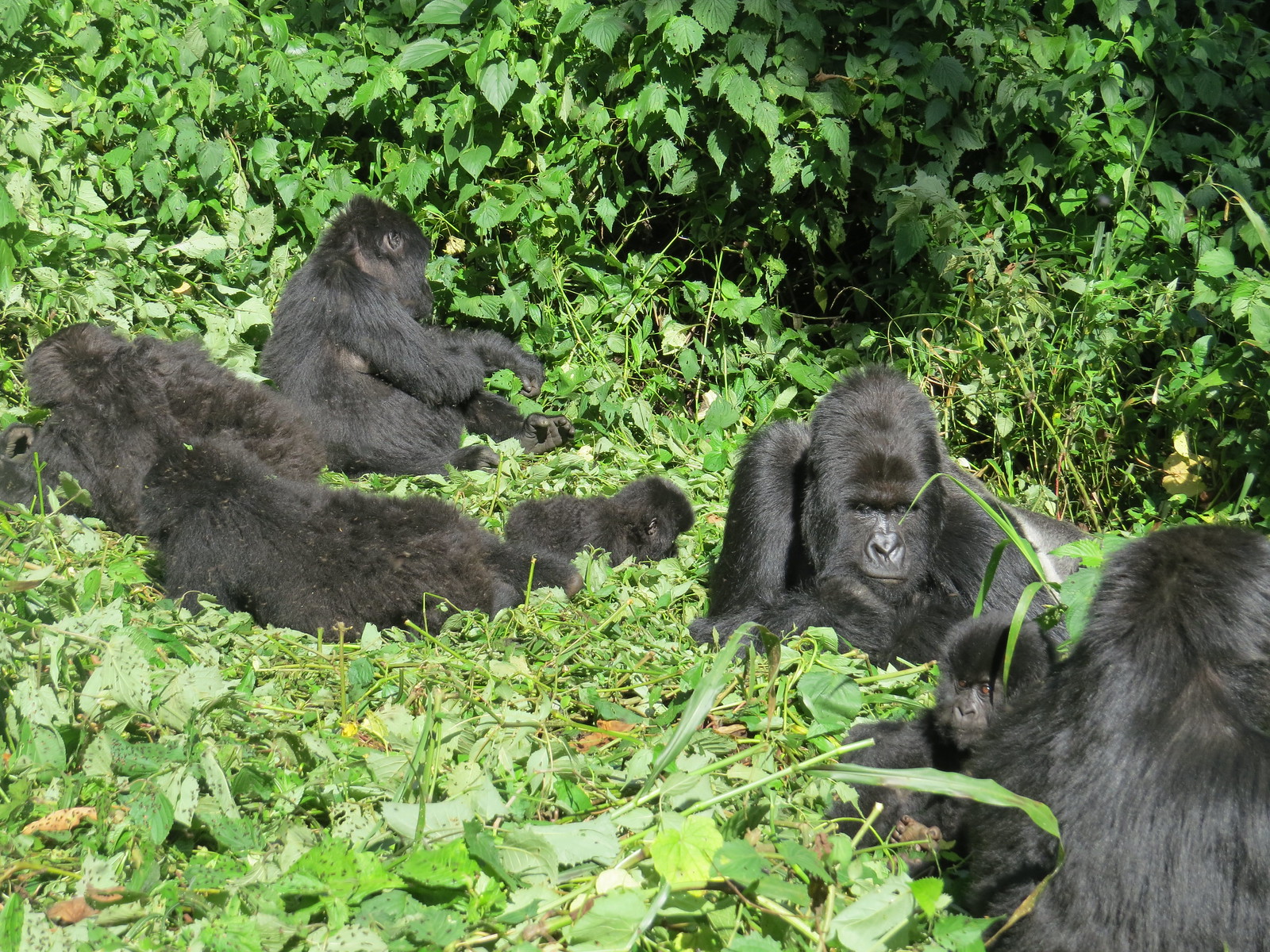
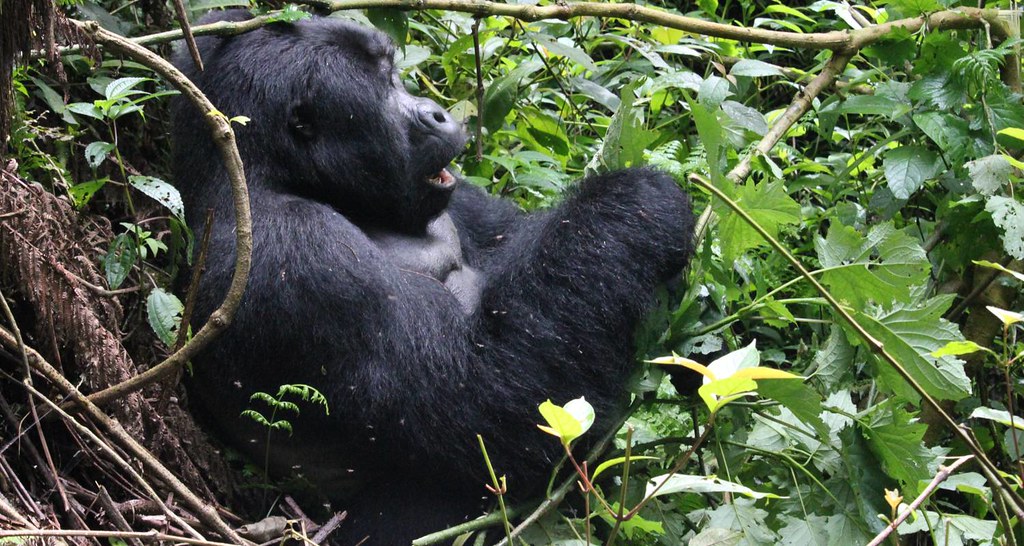
Gorillas "Silverback"
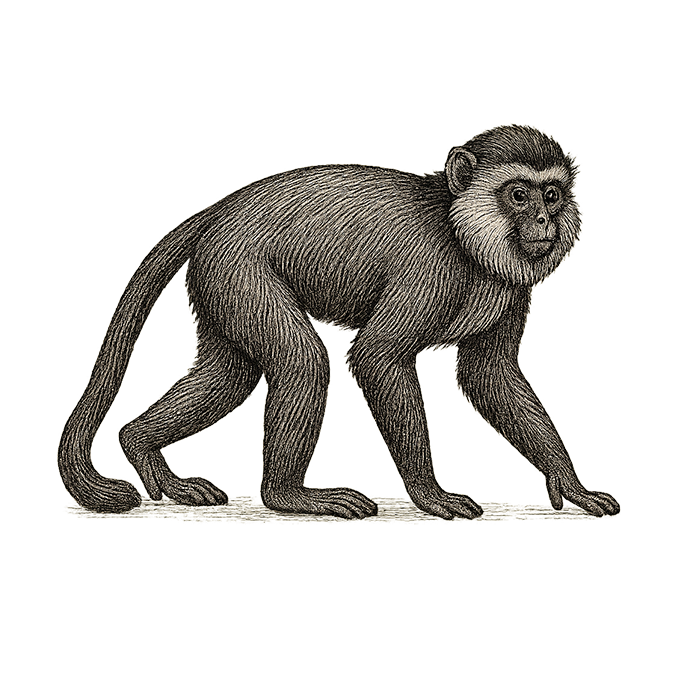
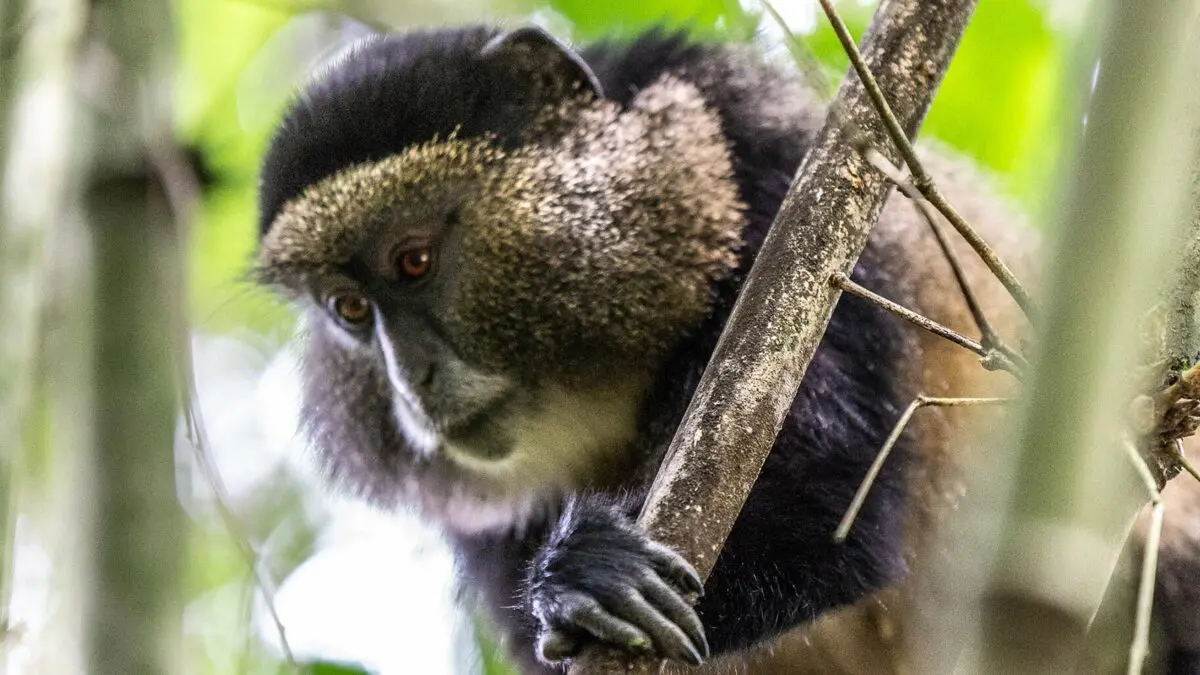
Golden Monkey "Photogenic"
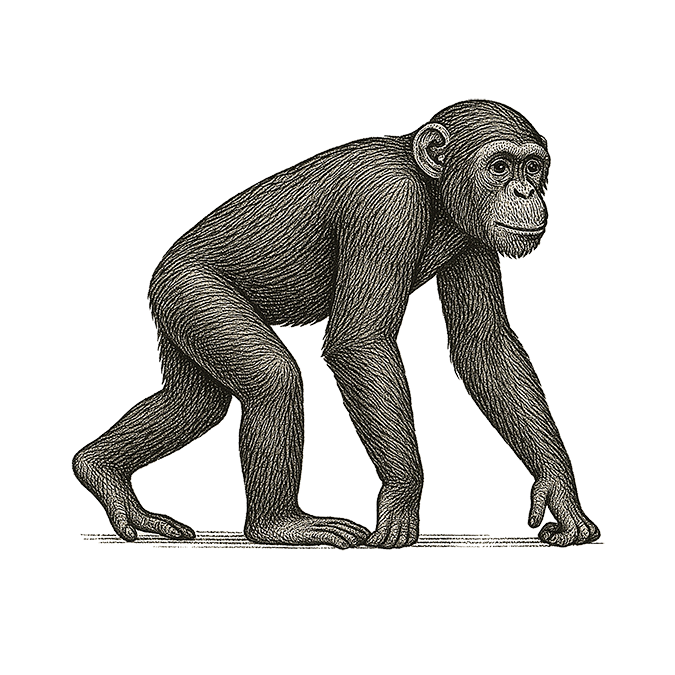
Chimpanzees "Pant-hoot"