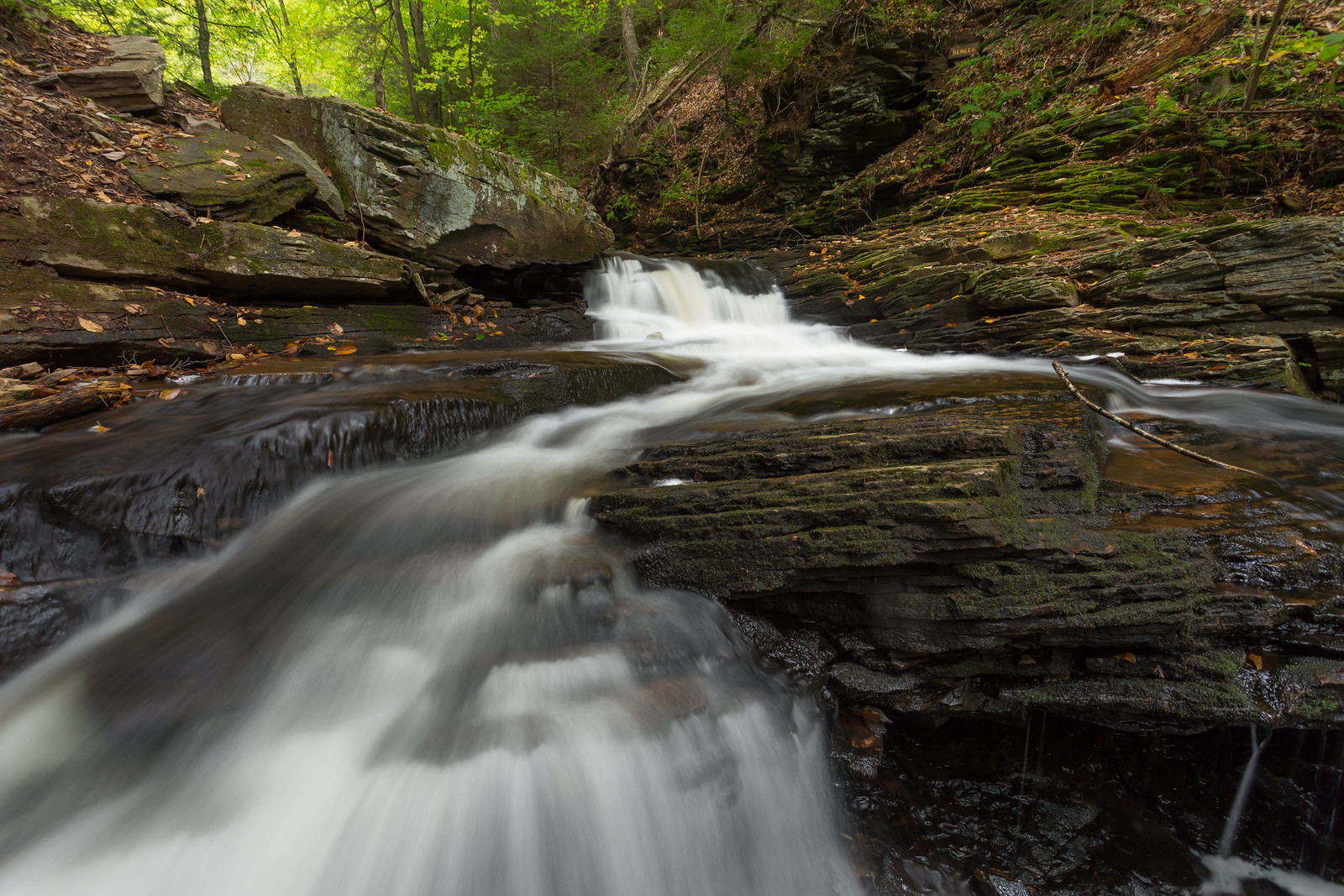
White Water Rafting
August 17, 2024
Game Drives
August 19, 2024Mountain Hiking
Mountain hiking in Africa offers an extraordinary way to explore the continent’s diverse landscapes. From volcanic peaks and rolling highlands to forested slopes and rugged cliffs, hiking trails provide a mix of physical challenge, breathtaking scenery, and immersion in nature. Each step leads travelers through ecosystems teeming with wildlife, vibrant vegetation, and panoramic views that reveal the grandeur of Africa’s natural beauty.
Mountain Hiking Adventures
Hiking mountains combines adventure, fitness, and mindfulness. The effort required to ascend trails is rewarded with vistas, wildlife encounters, and moments of reflection that few other travel experiences can match.
Mountain Hiking: A Complete Guide to Experiences Across the Region
Why Mountain Hiking Is a Unique Adventure
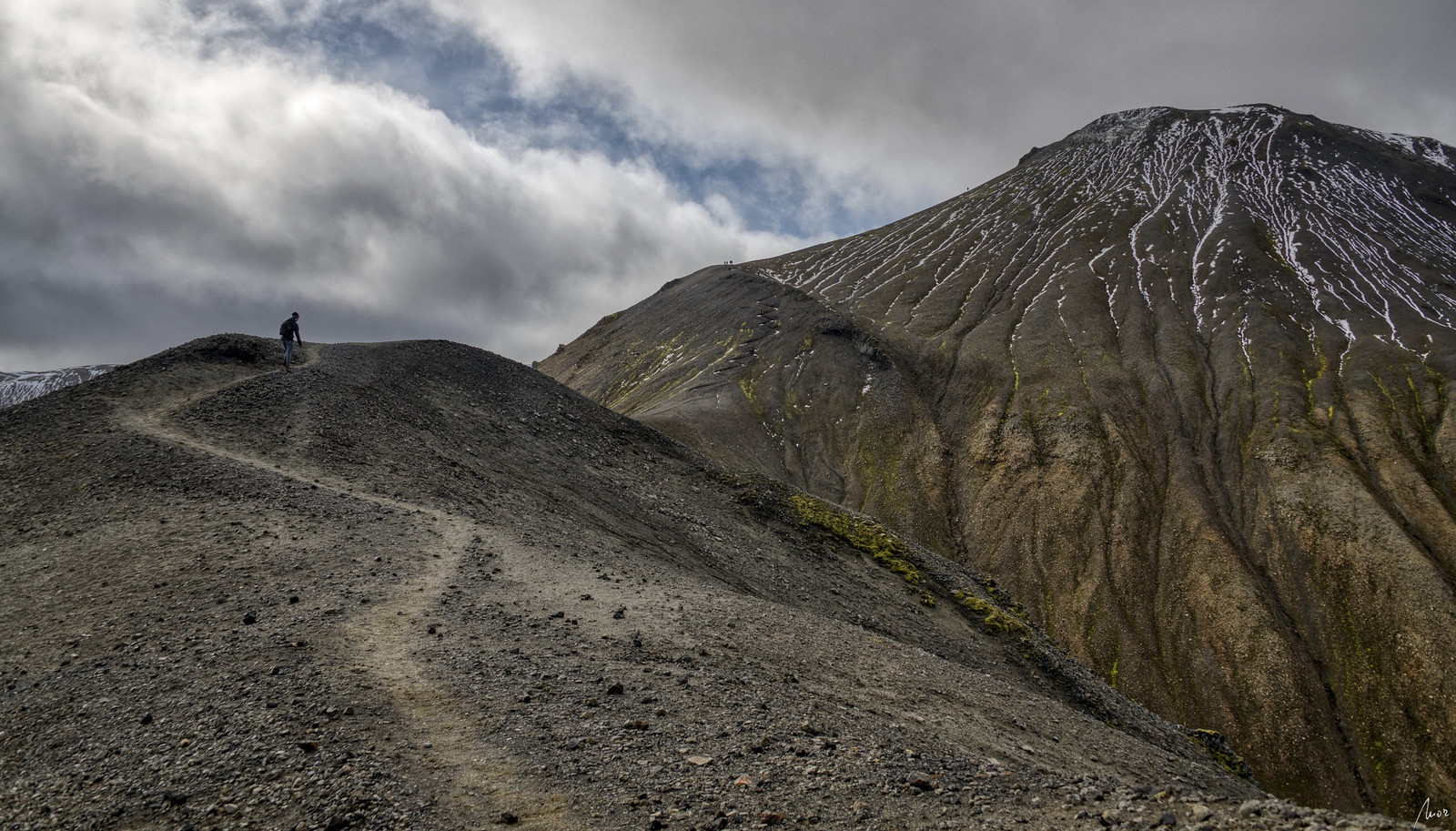
Unlike vehicle-based safaris or guided tours, mountain hiking engages the body and mind in a direct and physical way. Hikers must navigate changing terrain, interpret trail markers, and respond to weather conditions, creating a sense of accomplishment with every summit or viewpoint reached.
The experience fosters a deeper connection with the environment. Walking through forests, grasslands, and volcanic slopes allows hikers to observe plant and animal life closely, notice subtle ecological changes, and appreciate landscapes that remain inaccessible by vehicle.
Top Mountain Hiking Destinations in Africa
Africa boasts some of the world’s most iconic and scenic hiking destinations. Uganda and Rwanda feature volcanic mountains such as the Virunga Range, where trails lead to lush forests, crater lakes, and dramatic peaks. The Rwenzori Mountains, known as the “Mountains of the Moon,” offer challenging treks through alpine zones, glaciers, and montane forests, providing both adventure and biodiversity exploration.
Kenya and Tanzania are home to Kilimanjaro, Mount Meru, and the Aberdare Ranges, offering hiking experiences that vary from beginner-friendly trails to high-altitude summit challenges. Ethiopia’s Simien and Bale Mountains present steep escarpments, endemic wildlife, and remote trekking routes that immerse hikers in dramatic and often untouched landscapes.
South Africa’s Drakensberg Mountains offer scenic hiking with lush valleys, cascading waterfalls, and rich cultural history, combining nature and storytelling in one adventurous journey.
What to Expect on a Mountain Hiking Trip
Mountain hiking trips often begin with orientation, safety briefings, and acclimatization if trekking at high altitudes. Trails range from gentle slopes suitable for beginners to strenuous multi-day ascents for experienced hikers. Guides provide knowledge on flora, fauna, geology, and local culture, enhancing both safety and the overall experience.
Along the way, hikers encounter streams, waterfalls, rock formations, and endemic plant species. Wildlife such as monkeys, antelope, birds, and reptiles may appear unexpectedly, creating opportunities for observation and photography. Summits and viewpoints reward effort with expansive panoramas that capture the scale and beauty of the landscape.
Wildlife and Nature Encounters
Mountain ecosystems support diverse flora and fauna. Lower slopes may be dominated by forest species, including monkeys, birds, and small mammals, while higher altitudes host alpine vegetation, rare plants, and endemic species. Observing these ecosystems highlights ecological variation with elevation and provides insight into environmental adaptation.
Birdwatching is particularly rewarding on mountain hikes, with raptors, sunbirds, turacos, and endemic species frequenting forest edges, cliffs, and highland meadows. Mammals such as mountain duikers, baboons, and in some regions, unique primates, add dynamic encounters along the trails.
Photography and Visual Opportunities
Mountain hiking offers abundant photographic opportunities. Wide-angle shots capture sweeping landscapes, valleys, and peaks, while telephoto lenses allow for wildlife and bird photography without disturbing the environment. Early morning and late afternoon light enhances textures, colors, and shadows, ideal for dramatic landscape photography.
Photographing trails, waterfalls, forests, and summit vistas provides storytelling material that reflects the progression and challenge of the hike, capturing both the journey and the destination.
Best Seasons for Hiking Mountains
The optimal season for mountain hiking depends on climate, altitude, and regional weather patterns. Dry seasons are preferred for stability, clear skies, and ease of navigation. Wet seasons, while more challenging, create lush vegetation, flowing waterfalls, and vibrant wildlife activity.
High-altitude trekking may require specific seasonal considerations, such as avoiding glacial melt periods or extreme cold, ensuring both safety and comfort during the hike. Early mornings are generally best for wildlife encounters and photography, with cooler temperatures and softer light enhancing the overall experience.
Safety and Preparation
Safety is essential on mountain hikes. Proper footwear, layered clothing, hydration, sun protection, and trekking poles enhance stability and comfort. Guides monitor altitude, trail conditions, and weather changes, ensuring a safe hiking experience.
Understanding one’s own fitness level, preparing physically, and pacing the ascent prevents fatigue and ensures enjoyment. Carrying first-aid supplies, navigation tools, and communication devices is highly recommended, especially for multi-day treks in remote areas.
Family and Group Hiking Experiences
Mountain hikes can be adapted for families, school groups, and adventure travelers of varying skill levels. Gentle trails with scenic stops allow children and beginners to experience hiking safely, while expert guides provide educational storytelling about plants, wildlife, and local culture.
Group hikes create shared memories, encourage teamwork, and provide social engagement alongside physical activity. Multi-day treks often include camping or lodge stays, creating immersive experiences that blend adventure with relaxation.
Combining Mountain Hiking with Other Safari Experiences
Mountain hiking integrates seamlessly with other adventure activities. Hikers can combine trails with waterfall excursions, primate or gorilla trekking, game drives, birdwatching, or cultural village visits. This combination creates multi-dimensional itineraries, offering both terrestrial and highland ecosystems in a single journey.
For example, a Uganda or Rwanda itinerary could include a highland hike through bamboo forests, a visit to a nearby waterfall, and primate tracking, creating a comprehensive exploration of biodiversity, scenery, and culture.
The Emotional and Spiritual Impact of Hiking Mountains
Mountain hiking evokes a strong emotional response. The physical challenge, the effort of ascent, and the reward of reaching a summit create a sense of accomplishment, empowerment, and awe. The serenity of highland landscapes, the sounds of streams and forests, and panoramic views inspire reflection, mindfulness, and a deep appreciation for nature.
Travelers often describe hiking mountains as transformative, offering both personal challenge and immersion in natural beauty. Each summit, valley, and trail contributes to a journey that resonates long after the hike ends. Mountain hiking in Africa is a premier adventure activity that combines physical challenge, scenic beauty, wildlife observation, and cultural immersion. From gentle highland walks to multi-day summit treks, hikers experience landscapes, ecosystems, and wildlife in ways that vehicle-based safaris cannot replicate.
This activity provides adventure, education, and personal growth, making it an essential component of any African travel itinerary. Mountain hiking engages the body, enriches the mind, and nurtures a lasting connection with Africa’s majestic peaks and natural wonders.
Our Recommended Tour Ideas
7 days in Uganda blending gorilla trekking in Bwindi with authentic cultural encounters.
A 16-day safari journey across Uganda, Rwanda, and Tanzania combining primates, Big Five wildlife, culture
A 12-day adventure combining Uganda gorilla trekking with Kenya’s Great Migration and classic Big Five safaris.
A 15-day Uganda leisure tour offering relaxed travel through scenic landscapes, wildlife parks, culture, and nature
A 21-day East Africa safari blending rich cultural experiences with diverse wildlife across iconic destinations.
A 7-day family-friendly wildlife safari in Uganda designed for safe, enjoyable, and memorable nature experiences.
What Our Travelers Enjoyed About Primate Safaris
Experience East Africa the Way It Was Meant to Be
Mountain hiking in East Africa offers adventurers the chance to explore some of the most beautiful and diverse landscapes on the continent. This region, rich in volcanic mountains, presents an unparalleled blend of challenging hikes, spectacular scenery, and the chance to witness unique wildlife. Whether you are trekking through the misty jungles of Uganda, scaling the towering peaks of Kenya, or exploring the volcanic terrains of Rwanda and Tanzania, mountain hiking in East Africa is a truly enriching experience. This article will guide you through the key hiking destinations across Uganda, Rwanda, Kenya, and Tanzania, highlighting the volcanic mountains that make this region a hiker’s paradise.
Mountain Hiking Across Uganda
Uganda, often referred to as the “Pearl of Africa,” is a treasure trove of natural beauty, with a variety of landscapes ranging from savannahs to dense forests. For hikers, the country’s volcanic mountains offer an array of trails that cater to all levels of experience.
Mount Elgon
Mount Elgon, located on the border between Uganda and Kenya, is an extinct shield volcano that offers some of the most accessible high-altitude hiking in Uganda. Standing at 4,321 meters, it is the 17th highest mountain in Africa. The trails leading to the summit are lined with lush forests, bamboo zones, and moorlands, making the journey as rewarding as the destination. One of the highlights of hiking Mount Elgon is the opportunity to explore the vast caldera, one of the largest in the world, which offers breathtaking views and a sense of tranquility.
The Rwenzori Mountains
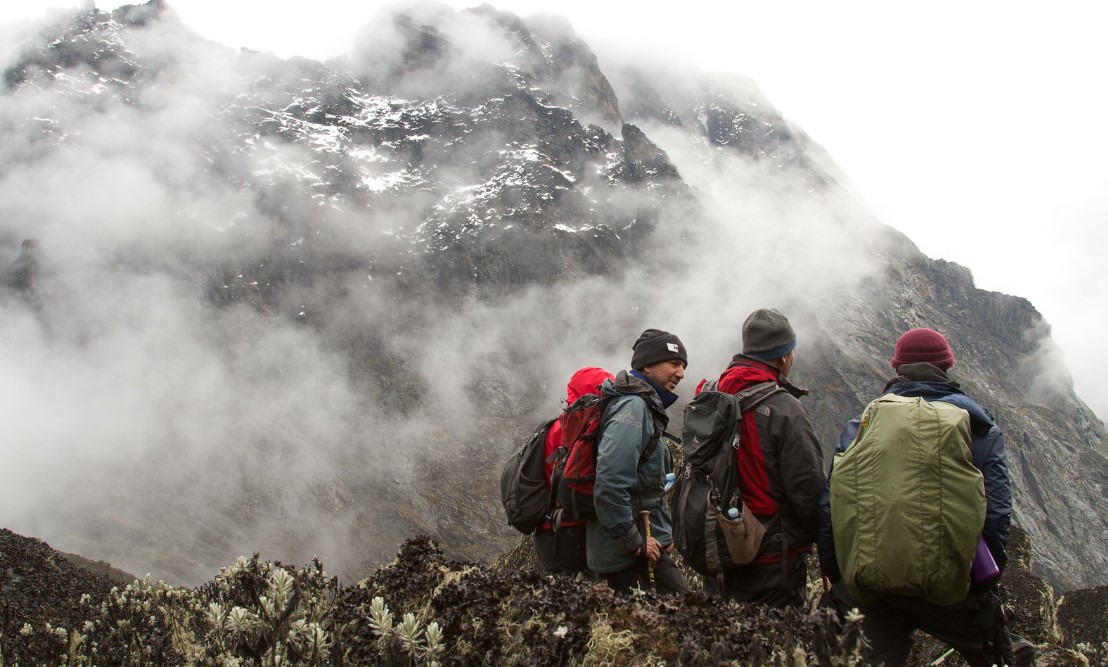
Also known as the “Mountains of the Moon,” the Rwenzori Mountains are a UNESCO World Heritage Site and are considered one of the most challenging and rewarding hiking destinations in Africa. The highest peak, Margherita, stands at 5,109 meters and is the third-highest in Africa. The hike to the summit is not for the faint-hearted, with trails that traverse through bogs, glaciers, and rocky outcrops. However, the reward is immense, with stunning views of glacial lakes, hanging valleys, and the unique flora and fauna that call this mountain range home.
Mgahinga Gorilla National Park
While it is more famous for gorilla trekking, Mgahinga Gorilla National Park is also home to three volcanic mountains that form part of the Virunga Range: Mount Muhavura, Mount Gahinga, and Mount Sabinyo. Each of these peaks offers a unique hiking experience. For example, hiking Mount Sabinyo, which stands at 3,669 meters, allows you to stand in three countries simultaneously—Uganda, Rwanda, and the Democratic Republic of Congo. The hike is steep and challenging, but the sense of accomplishment and the panoramic views at the summit are worth every step.
Mountain Hiking Across Rwanda
Rwanda, the “Land of a Thousand Hills,” is renowned for its rolling hills, lush landscapes, and vibrant culture. The country’s volcanic mountains, part of the Virunga Range, offer some of the most picturesque and exciting hiking opportunities in East Africa.
Mount Karisimbi
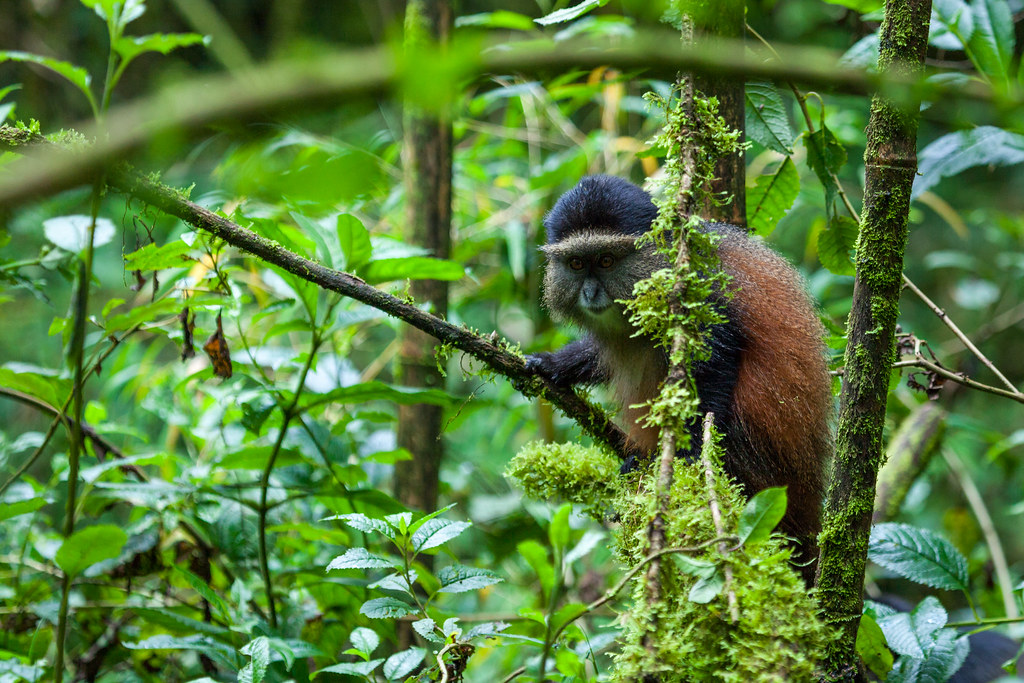
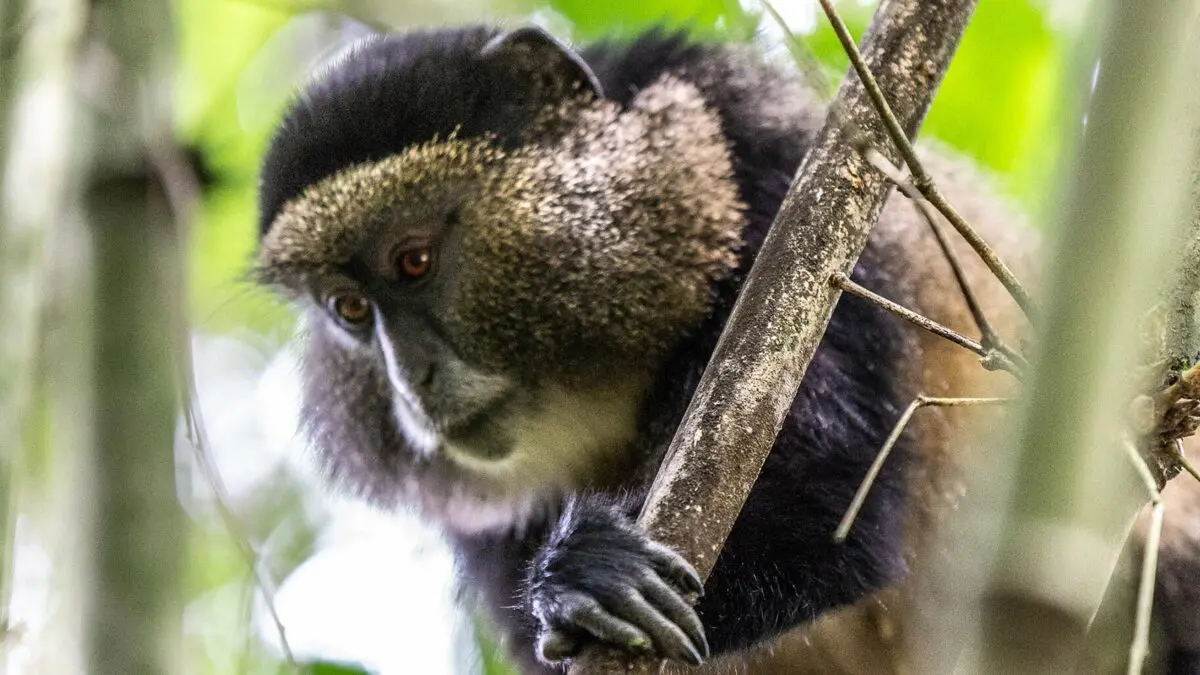
Mount Karisimbi is the highest volcano in the Virunga Range and the fifth-highest in Africa, standing at 4,507 meters. Located within Volcanoes National Park, this dormant volcano offers a challenging two-day hike. The trek takes you through lush rainforests, bamboo forests, and moorlands, with the chance to spot a variety of wildlife, including gorillas and golden monkeys. The summit, often covered in snow during the cooler months, offers spectacular views of the surrounding volcanoes and the expansive landscape of Rwanda.
Mount Bisoke
Another gem in the Virunga Range, Mount Bisoke, is famous for its large crater lake at the summit. At 3,711 meters, the hike to the top of this stratovolcano is a one-day affair but is quite challenging due to the steep and muddy terrain. The reward is a breathtaking view of the crater lake, which is often shrouded in mist, adding to the mystical experience. Along the way, hikers may also encounter some of the region’s unique wildlife, making it a truly unforgettable journey.
Mount Muhabura
Mount Muhabura, the second-highest peak in Rwanda at 4,127 meters, is known for its conical shape and the stunning views it offers of the surrounding areas. The hike is strenuous, but the clear days reward hikers with panoramic views stretching into Uganda, Rwanda, and the Democratic Republic of Congo. The summit, with its beautiful crater lake, is a peaceful spot to rest and take in the natural beauty of the region.
Mountain Hiking Across Kenya
Kenya, known for its savannahs teeming with wildlife, is also home to some of East Africa’s most iconic mountains. From the rugged peaks of Mount Kenya to the volcanic landscapes of the Great Rift Valley, Kenya offers a diverse range of hiking experiences.
Mount Kenya
Mount Kenya, Africa’s second-highest peak after Kilimanjaro, is a UNESCO World Heritage Site and a popular destination for both trekkers and climbers. Standing at 5,199 meters, it offers a range of routes that cater to different levels of experience. The most popular routes are the Sirimon, Naro Moru, and Chogoria trails, each offering unique perspectives of the mountain’s diverse ecosystems. The hike to Point Lenana, the mountain’s third-highest peak, is the most accessible and offers stunning views of the surrounding valleys, glaciers, and even Kilimanjaro on a clear day.
Mount Longonot
Mount Longonot, located in the Great Rift Valley, is a stratovolcano that offers a relatively short but challenging hike. The trail, which starts at the park entrance, winds its way up through thick forests before reaching the crater rim. From here, hikers can choose to walk around the crater, which offers panoramic views of the Rift Valley and Lake Naivasha. The hike to the summit, at 2,776 meters, is steep and demanding, but the views from the top are well worth the effort.
Mount Elgon (Kenya Side)
Mount Elgon is shared between Uganda and Kenya, with the Kenyan side offering a slightly different hiking experience. The lower slopes are covered in dense forests, home to a variety of wildlife, including elephants and buffalo. As you ascend, the landscape changes to moorlands and eventually to rocky outcrops near the summit. The Kenyan side offers several routes, with the most popular being the Sasa River Trail, which takes hikers through a beautiful and varied landscape.
Mountain Hiking Across Tanzania
Tanzania is world-renowned for Mount Kilimanjaro, but the country also offers other volcanic mountains that provide equally captivating hiking experiences. From the majestic heights of Kilimanjaro to the less-traveled paths of Mount Meru and Ol Doinyo Lengai, Tanzania is a hiker’s dream.
Mount Kilimanjaro
No discussion of mountain hiking in East Africa would be complete without mentioning Mount Kilimanjaro, the tallest mountain in Africa at 5,895 meters. Known as the “Roof of Africa,” Kilimanjaro is a dormant volcano that attracts thousands of hikers each year. There are several routes to the summit, including the popular Marangu, Machame, and Lemosho routes, each offering different levels of difficulty and scenery. The trek to the summit is challenging but non-technical, making it accessible to hikers of various experience levels. Reaching the summit at Uhuru Peak is a life-changing experience, offering breathtaking views of the surrounding plains and the satisfaction of standing on the highest point in Africa.
Mount Meru
Often overshadowed by Kilimanjaro, Mount Meru is Tanzania’s second-highest peak at 4,566 meters and offers a less crowded but equally rewarding hiking experience. Located in Arusha National Park, the hike to the summit takes you through lush forests, past waterfalls, and across open plains, with the chance to see a variety of wildlife, including giraffes, buffalo, and elephants. The final ascent to the summit is steep and challenging, but the views of Kilimanjaro and the surrounding landscape are unparalleled.
Ol Doinyo Lengai
Known as the “Mountain of God” in the Maasai language, Ol Doinyo Lengai is an active volcano located in the Gregory Rift, south of Lake Natron. At 2,962 meters, it is the only volcano in the world that erupts natrocarbonatite lava, which is much cooler than typical lava and is black in color. The hike to the summit is extremely challenging, with steep and rocky terrain, but it offers a unique experience for those looking to explore one of Tanzania’s less-visited natural wonders. The views from the summit are extraordinary, particularly at sunrise, when the surrounding landscape is bathed in golden light.
Mountain hiking across East Africa is a journey through some of the continent’s most dramatic landscapes and diverse ecosystems. From the snow-capped peaks of Mount Kilimanjaro to the misty forests of the Rwenzori Mountains, and the volcanic craters of the Virunga Range, the region offers an unparalleled variety of hiking experiences. Whether you are an experienced mountaineer or a casual trekker, the mountains of Uganda, Rwanda, Kenya, and Tanzania offer something for everyone. The challenges of these hikes are matched only by the rewards—breathtaking views, unique wildlife encounters, and the satisfaction of conquering some of Africa’s highest and most beautiful peaks.