

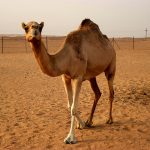
Camel Trekking
January 28, 2026
Dolphin Watching
January 28, 2026

Bike Riding
Bike riding in Africa has emerged as one of the most engaging and rewarding ways to explore the continent’s diverse landscapes and cultures. Moving at a pace that is faster than walking yet slower than driving allows cyclists to absorb every detail of their surroundings. The rhythm of pedaling, the sound of nature, and the direct interaction with local communities create a deeply immersive travel experience.



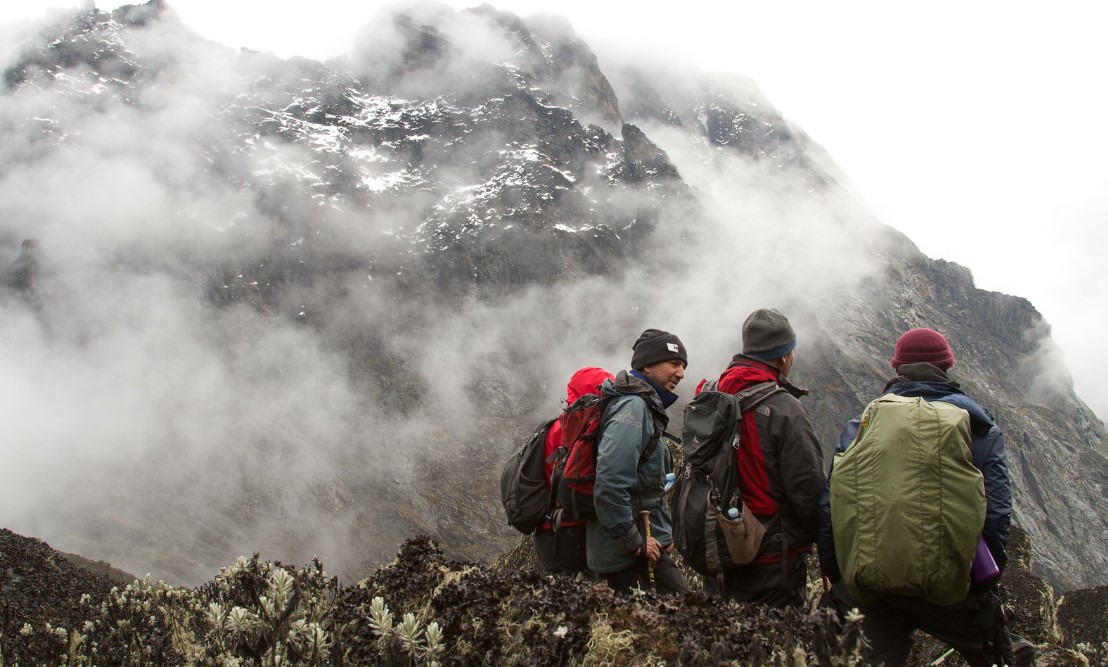
Big Five in the Masaai Mara
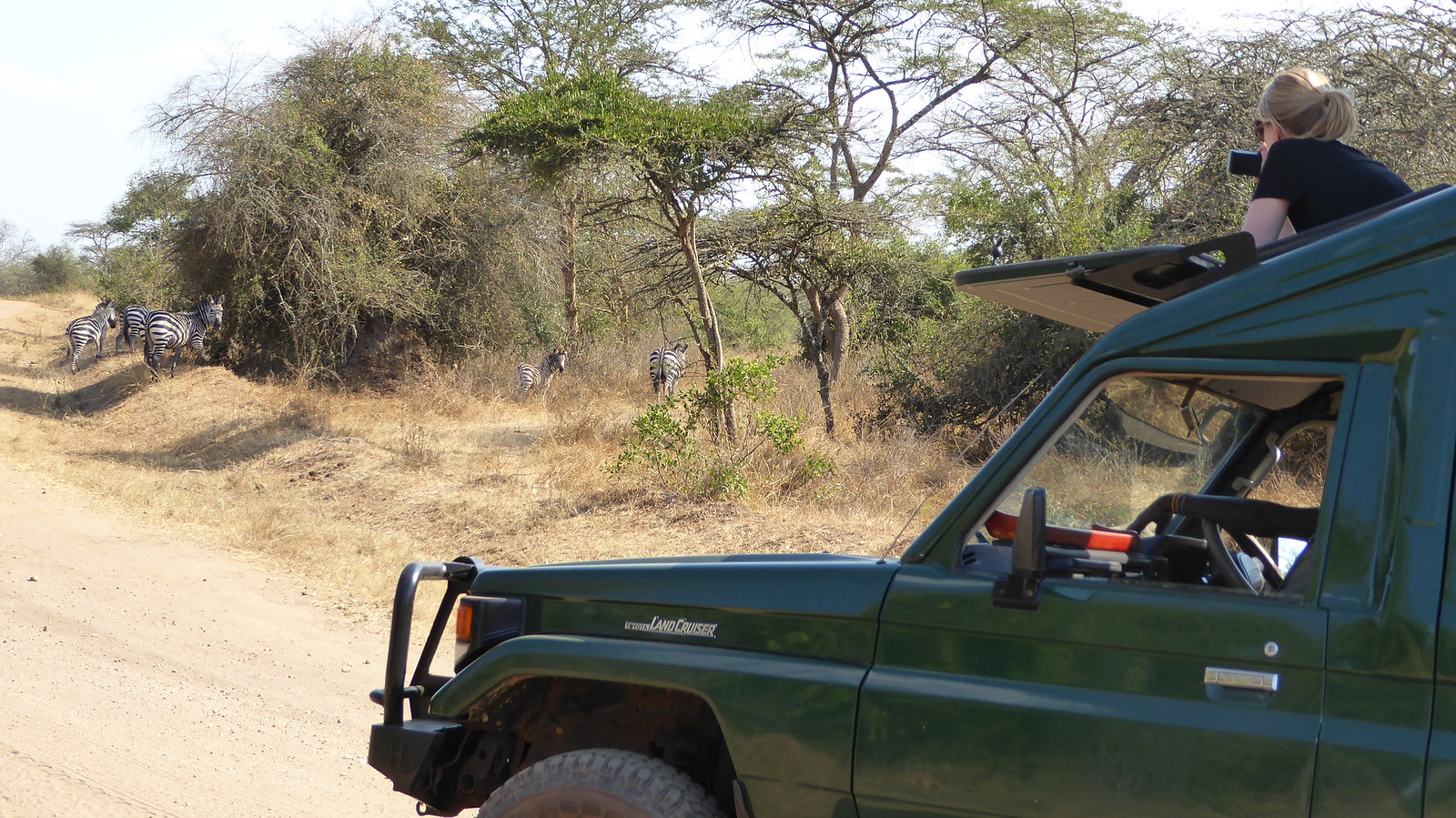
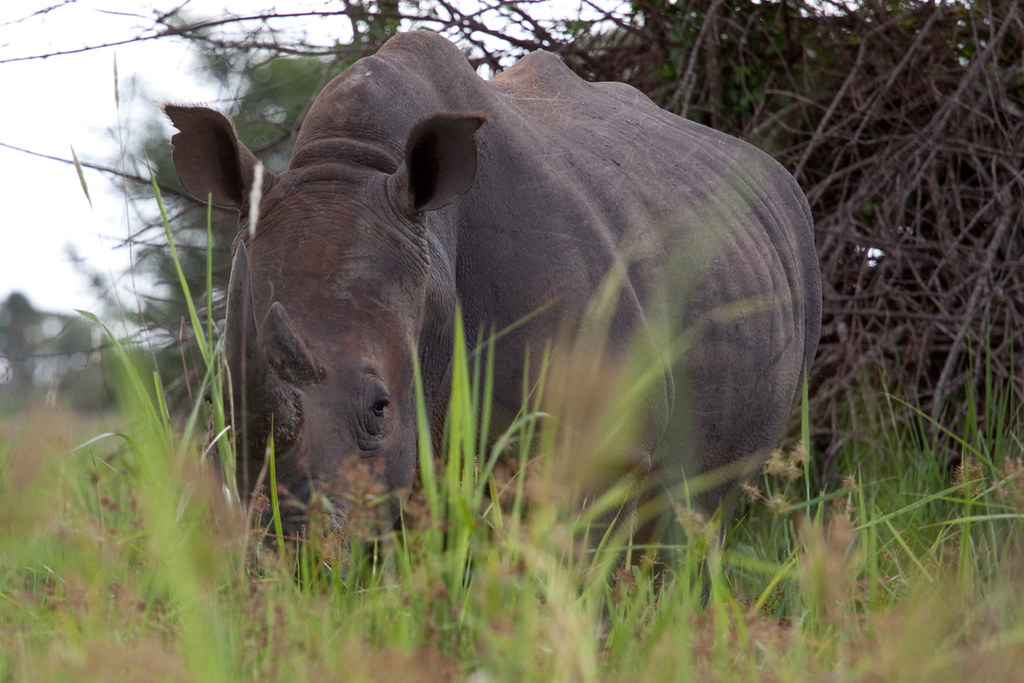
When people think of African safaris, the “Big Five” often comes to mind: lion, leopard, elephant, buffalo, and rhinoceros. Rwanda may be small, but it offers excellent opportunities to see several of these iconic animals, especially in Akagera National Park, which is the country’s main savannah and wildlife reserve.
Bike Riding: A Complete Guide to Experiences Across the Region
Why Bike Riding Offers a Deeper Travel Experience
Cycling allows travelers to connect with destinations on a personal level. Without the barrier of a vehicle, cyclists feel the terrain, weather, and elevation changes directly. This physical engagement creates a strong sense of presence and accomplishment. Each route becomes a story shaped by effort, curiosity, and shared moments along the way.
Bike riding also encourages meaningful interactions. Locals are more likely to greet, wave, or engage with cyclists, leading to spontaneous conversations and authentic encounters. These moments transform a simple ride into a cultural exchange that leaves a lasting impression.
Top Bike Riding Destinations Across Africa
Africa’s cycling destinations are as diverse as the continent itself. East Africa is particularly popular, offering routes through scenic countryside, volcanic highlands, tea plantations, and lake regions. Uganda and Rwanda are well known for cycling trails that combine natural beauty with cultural richness, including routes near national parks and rural communities.
Kenya and Tanzania provide longer-distance rides across open landscapes, with dramatic views of mountains and wildlife habitats. Southern Africa offers cycling routes through vineyards, deserts, and coastal roads, while North Africa features historic routes passing ancient towns and desert landscapes. Each region presents a unique cycling character shaped by geography and culture.
Cycling Safaris and Wildlife Encounters
One of the most distinctive forms of bike riding in Africa is the cycling safari. These guided experiences allow travelers to ride through designated wildlife areas, focusing on smaller animals, birds, and landscapes rather than large predators. Cycling safaris emphasize safety, awareness, and respect for wildlife, with support vehicles and trained guides ensuring a secure experience.
Cycling near wildlife habitats enhances appreciation for nature’s scale and fragility. Seeing animals from a bicycle offers a quieter, less intrusive perspective that aligns with responsible tourism principles.
Cultural Immersion Through Bike Riding
Bike riding is an ideal way to explore rural Africa and connect with local communities. Cycling routes often pass through villages, farmlands, and markets where daily life unfolds naturally. Travelers may encounter farmers working their fields, children walking to school, or artisans practicing traditional crafts.
These encounters provide insight into local lifestyles and traditions. Guides often facilitate community visits, allowing cyclists to learn about regional customs, food, and history. The result is a journey that feels genuine and enriching rather than superficial.
Physical Fitness and Wellness Benefits
Bike riding offers significant physical and mental health benefits. It improves cardiovascular fitness, builds endurance, and strengthens muscles while remaining low-impact compared to other adventure activities. Cycling through natural environments also reduces stress and enhances mental clarity, making it an ideal wellness-focused travel experience.
The sense of achievement that comes from completing a challenging route adds to the overall satisfaction of the journey. Many travelers find that bike riding holidays leave them feeling energized, confident, and deeply connected to their surroundings.
What to Expect on a Guided Bike Riding Tour
Guided bike riding tours are designed to accommodate varying skill levels. Routes are carefully selected to balance challenge and enjoyment, with regular breaks for rest, hydration, and exploration. Support teams handle logistics, equipment, and safety, allowing cyclists to focus on the experience.
Professional guides provide navigation, cultural interpretation, and technical support. This structure ensures that even first-time cycling travelers feel comfortable and supported throughout the journey.
Best Time for Bike Riding in Africa
The best time for bike riding depends on regional climate patterns. Dry seasons generally offer the most favorable conditions, with smoother trails and clearer views. Cooler months are preferred in warmer regions, while highland areas remain comfortable year-round.
Planning routes according to seasonal weather ensures a safer and more enjoyable cycling experience. Proper preparation also allows cyclists to take full advantage of scenic landscapes and cultural activities along the way.
Sustainable and Responsible Cycling Tourism
Bike riding aligns naturally with sustainable tourism principles. Cycling produces minimal environmental impact and supports local economies through community engagement and small-scale services. Many cycling tours partner with local guides, accommodations, and businesses, ensuring that tourism benefits are shared responsibly.
Travelers are encouraged to respect local customs, minimize waste, and engage positively with communities. These practices enhance the ethical value of bike riding experiences while preserving destinations for future visitors.
Bike Riding for Families and Groups
Bike riding tours can be tailored for families and groups, offering flexible routes and pacing. Family-friendly cycling experiences focus on shorter distances, scenic routes, and interactive cultural stops that keep younger participants engaged.
Group cycling tours foster camaraderie and shared achievement. Riding together strengthens bonds and creates collective memories that enhance the overall travel experience.
Combining Bike Riding with Other Adventure Activities
Bike riding pairs seamlessly with other African adventure experiences. Cycling routes can be combined with nature walks, cultural tours, wildlife safaris, or lake activities. This versatility allows travelers to design multi-dimensional itineraries that balance physical activity with exploration and relaxation.
For example, a cycling journey through highland regions may conclude with a wildlife safari or a cultural visit, offering contrast and depth within a single trip.
The Emotional Rewards of Cycling Through Africa
Cycling through Africa often leaves a profound emotional impact. The freedom of movement, the challenge of the terrain, and the warmth of human connections create moments of joy and reflection. Many cyclists describe a sense of clarity and gratitude that emerges during long rides through expansive landscapes.
The journey becomes more than a physical activity; it becomes a personal narrative shaped by effort, curiosity, and discovery. Bike riding adventures in Africa offer a powerful way to experience the continent’s landscapes, cultures, and rhythms of life. From scenic countryside and wildlife areas to vibrant communities and historic routes, cycling reveals Africa in an intimate and authentic way.
For travelers seeking adventure, wellness, and meaningful connection, bike riding delivers an unforgettable journey on two wheels that captures the true spirit of exploration.
Our Recommended Tour Ideas

Murchison Falls' classic activities based from a premium riverside lodge, with private transfers throughout.

Search for the shoebill stork among 450+ recorded species, with classic game drives built around the trip too.
A dedicated sunset game drive for peak predator activity, alongside the park's classic Nile boat cruise.
Cast for Nile perch below the falls, then spend an afternoon on a classic savannah game drive.

Uganda's only wild rhinos at Ziwa, chimpanzee trekking in Budongo, and classic Murchison Falls game drives.
A fast, efficient fly-in trip with a game drive and boat cruise to the base of the falls.

A longer, quieter Nile cruise downstream to the Delta on Lake Albert, known for strong shoebill stork sightings.
Hike to the top of Murchison Falls where the Nile forces through a narrow gorge, plus classic savannah game drives.

Skip the long drive with a direct flight to wherever the migration currently is, for a fast, high-value trip.
What Our Travelers Enjoyed About Primate Safaris

Gorillas "Silverback"
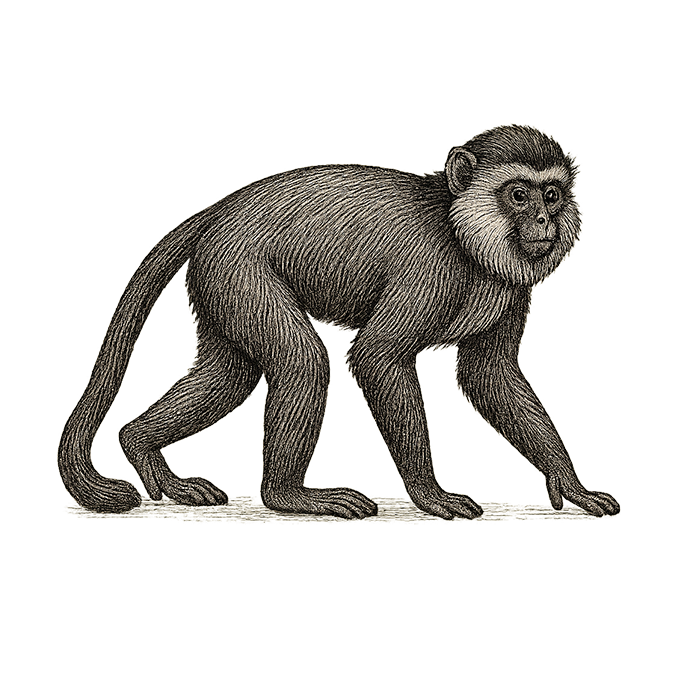
Golden Monkey "Photogenic"

Chimpanzees "Pant-hoot"

Volcanoes "Real Forest Africa"
Experience East Africa the Way It Was Meant to Be
Zanzibar’s interior, away from the beach resorts, is best explored by bicycle, and several operators run half-day cycling tours through spice farms and rural villages where guides explain how cloves, nutmeg, vanilla, and cardamom, crops that once made the island one of the world’s most important spice trading centers, are grown and harvested. The pace is easy and the terrain flat, making it accessible to riders of most fitness levels.
In mainland Uganda, Lake Mburo National Park is one of the very few parks in East Africa where cycling among wildlife is permitted, with a ranger-guided route that passes zebra, impala, and buffalo at a distance considered safe given the park’s low predator density. Rwanda offers a different kind of ride entirely: guided cycling tours through Kigali’s hilly streets and surrounding countryside, giving visitors a street-level look at the capital that a vehicle tour tends to miss. Bike tours across the region are generally offered as a single add-on activity rather than a multi-day itinerary, well suited to travelers looking for a more active break between game drives and treks.