Volcano Hiking
January 28, 2026
Bat Cave Visits
January 28, 2026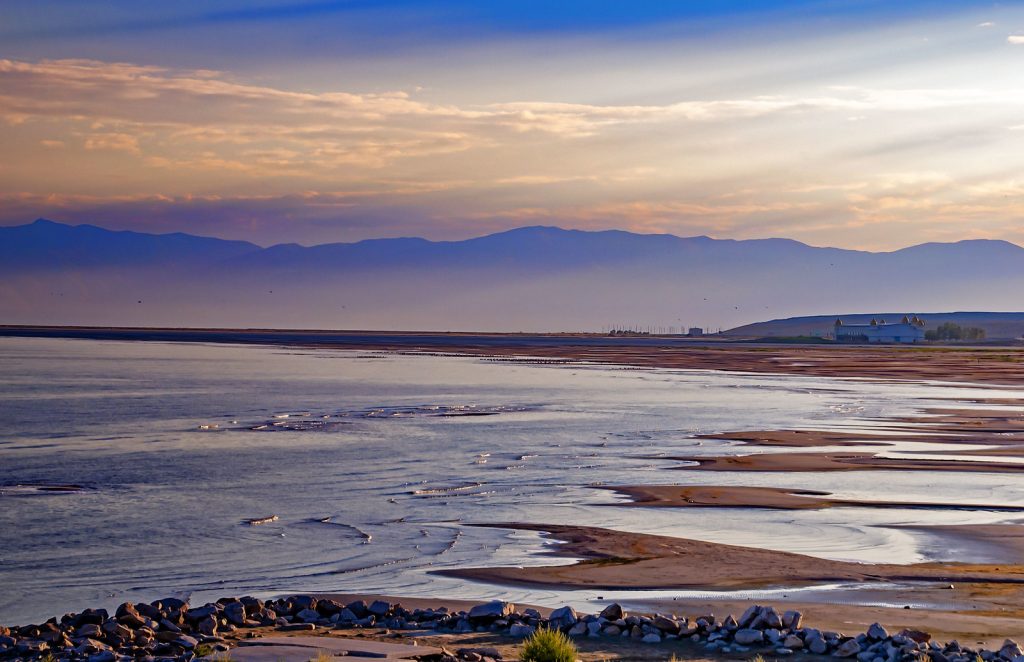


Salt Lake Exploration
Salt lake exploration offers one of the most visually striking and atmospheric travel experiences in Africa. These vast mineral-rich lakes, often found within the Great Rift Valley and arid landscapes, create surreal environments where land, water, and sky blend into dramatic horizons. Exploring salt lakes is not about traditional wildlife density alone; it is about discovering rare ecosystems, unusual geological formations, and wildlife that has adapted to some of the harshest conditions on the continent.


Chimpanzee Trekking
Chimpanzee trekking in Africa is a powerful and intimate wildlife experience that combines adventure, education, and conservation. From the dense forests of Uganda and Rwanda to the remote shores of Lake Tanganyika in Tanzania, each destination offers a unique perspective on chimpanzee life in the wild.
Salt Lake Exploration: A Complete Guide to Experiences Across the Region
What Makes Salt Lakes So Special
Salt lakes are formed in closed basins where evaporation exceeds rainfall, leaving behind high concentrations of minerals and salts. These conditions create environments that few species can tolerate, resulting in highly specialized ecosystems. The starkness of the terrain highlights every movement, every bird in flight, and every ripple on the water’s surface.
What makes salt lakes truly special is their contrast. Surrounding dry plains suddenly open into shimmering expanses of water, often tinted pink, white, or silver by mineral deposits and microorganisms. This dramatic contrast creates a powerful sense of scale and solitude that defines salt lake exploration.
Famous African Salt Lakes Worth Exploring
Africa is home to some of the world’s most iconic salt lakes. Many are located along the Great Rift Valley, stretching from East Africa to southern regions. These lakes are renowned not only for their beauty but also for their ecological importance.
Lakes such as Lake Natron, Lake Magadi, Lake Bogoria, and Lake Nakuru are internationally known for their mineral-rich waters and extraordinary birdlife. Some salt lakes are shallow and seasonal, while others maintain year-round saline conditions. Each lake offers a unique character, shaped by geology, climate, and wildlife patterns.
Salt lake exploration allows travelers to experience landscapes that feel untouched, raw, and profoundly ancient.
Wildlife and Birdlife Around Salt Lakes
Despite their harsh chemistry, salt lakes support remarkable wildlife, particularly bird species. Flamingos are the most iconic inhabitants, often gathering in vast numbers to feed on algae and microorganisms that thrive in saline water. Their pink coloration, reflected against the pale lake surface, creates one of Africa’s most famous natural spectacles.
In addition to flamingos, salt lakes attract pelicans, avocets, stilts, and other specialized water birds. Surrounding grasslands and savannahs support mammals such as zebras, antelopes, giraffes, and predators that come to drink or hunt near the lake edges.
Salt lake exploration often reveals wildlife interactions that differ from traditional savannah safaris, offering a fresh perspective on Africa’s biodiversity.
The Experience of Exploring a Salt Lake
Salt lake exploration is a sensory journey. The crunch of mineral crust beneath your feet, the sharp clarity of the air, and the vast silence create an immersive experience that encourages slow, mindful travel. Guided walks along lake shores allow visitors to observe salt formations, bird colonies, and geological features up close.
Game drives around salt lakes provide opportunities to view wildlife against dramatic backdrops, while elevated viewpoints reveal the full scale and geometry of these unique landscapes. Some lakes allow shallow wading along designated areas, offering a closer connection to the environment while respecting safety and conservation guidelines.
Unlike fast-paced safaris, salt lake exploration emphasizes observation, reflection, and appreciation of subtle details.
Best Time for Salt Lake Exploration Safaris
The best time for salt lake exploration depends on water levels, bird migration patterns, and climate conditions. Dry seasons often reveal expansive salt flats and intense mineral colors, making them ideal for photography and landscape exploration. During these periods, wildlife concentrates around remaining water sources, increasing viewing opportunities.
Wet seasons transform salt lakes dramatically. Water levels rise, birdlife increases, and surrounding vegetation becomes lush. Flamingo populations often fluctuate depending on algae growth, which is influenced by rainfall and temperature.
Understanding seasonal changes enhances the salt lake experience, allowing travelers to align their visit with specific interests such as birdwatching, photography, or geological exploration.
Photography and Visual Storytelling at Salt Lakes
Salt lakes are among the most photogenic environments in Africa. Their reflective surfaces, minimalist compositions, and dramatic skies provide endless creative possibilities. Photographers are drawn to the contrast between white salt crusts, pink waters, and deep blue skies.
Wildlife photography at salt lakes focuses on composition and atmosphere rather than close-range action. Flamingos in flight, silhouettes at sunset, and reflections of clouds on still water create powerful visual narratives.
Salt lake exploration encourages photographers to slow down, observe light changes, and capture the mood of the landscape rather than chasing constant movement.
Cultural Connections and Human History
Many salt lakes hold cultural and historical significance for local communities. For centuries, people have relied on salt lakes for mineral extraction, livestock grazing, and traditional practices. Exploring these areas often includes learning about how communities coexist with these challenging environments.
Cultural experiences may include visits to nearby villages, storytelling about ancestral ties to the land, and insights into how salt has shaped trade and survival. These interactions add depth to salt lake exploration, connecting natural landscapes with human resilience and adaptation.
Conservation and Environmental Importance
Salt lakes are fragile ecosystems that require careful management. Changes in water inflow, climate patterns, and human activity can significantly impact their balance. Conservation efforts focus on protecting water sources, regulating tourism, and preserving bird breeding grounds.
Responsible salt lake exploration supports conservation through park fees, guided tours, and community-based initiatives. Visitors are encouraged to follow designated routes, avoid disturbing wildlife, and respect local guidelines to ensure long-term protection of these unique environments.
By experiencing salt lakes responsibly, travelers contribute to preserving landscapes that are both ecologically vital and visually extraordinary.
Combining Salt Lake Exploration with Safari Adventures
Salt lake exploration pairs beautifully with traditional safari experiences. Many itineraries combine salt lakes with Big Five safaris, cultural tours, or primate trekking, creating a diverse and balanced journey. The contrast between open savannahs, forests, and mineral-rich lakes enhances the overall travel experience.
In East Africa, salt lakes are often included as scenic highlights within broader safari routes, offering moments of quiet reflection between wildlife-rich destinations. This combination creates a richer understanding of Africa’s varied landscapes.
The Emotional Impact of Salt Lake Landscapes
Salt lake exploration leaves a lasting emotional impression. The vastness, silence, and raw beauty create a sense of humility and perspective. Standing at the edge of a salt lake, watching flamingos move across a mirrored horizon, often feels meditative and grounding.
These landscapes invite travelers to slow down and reconnect with nature on a deeper level. The absence of crowds and noise allows for genuine immersion, making salt lake exploration as much an internal journey as an external adventure. Salt lake exploration safaris reveal a side of Africa that is dramatic, serene, and profoundly unique. From shimmering mineral flats and vibrant birdlife to cultural connections and conservation significance, salt lakes offer experiences that differ beautifully from traditional wildlife safaris.
This form of exploration celebrates the diversity of Africa’s natural heritage, showcasing landscapes shaped by time, climate, and resilience. For travelers seeking beauty, solitude, and perspective, salt lake exploration delivers an unforgettable journey into some of the continent’s most extraordinary environments.
Our Recommended Tour Ideas
Please the content should be 110 characters.
Please the content should be 110 characters.
Please the content should be 110 characters.
Please the content should be 110 characters.
Please the content should be 110 characters.

7 Days Rwanda & Uganda Gorilla and Wildlife Safari from Kigali with Volcanoes, Bwindi & Big Game Experiences
Please the content should be 110 characters.
Please the content should be 110 characters.
Please the content should be 110 characters.
What Our Travelers Enjoyed About Primate Safaris

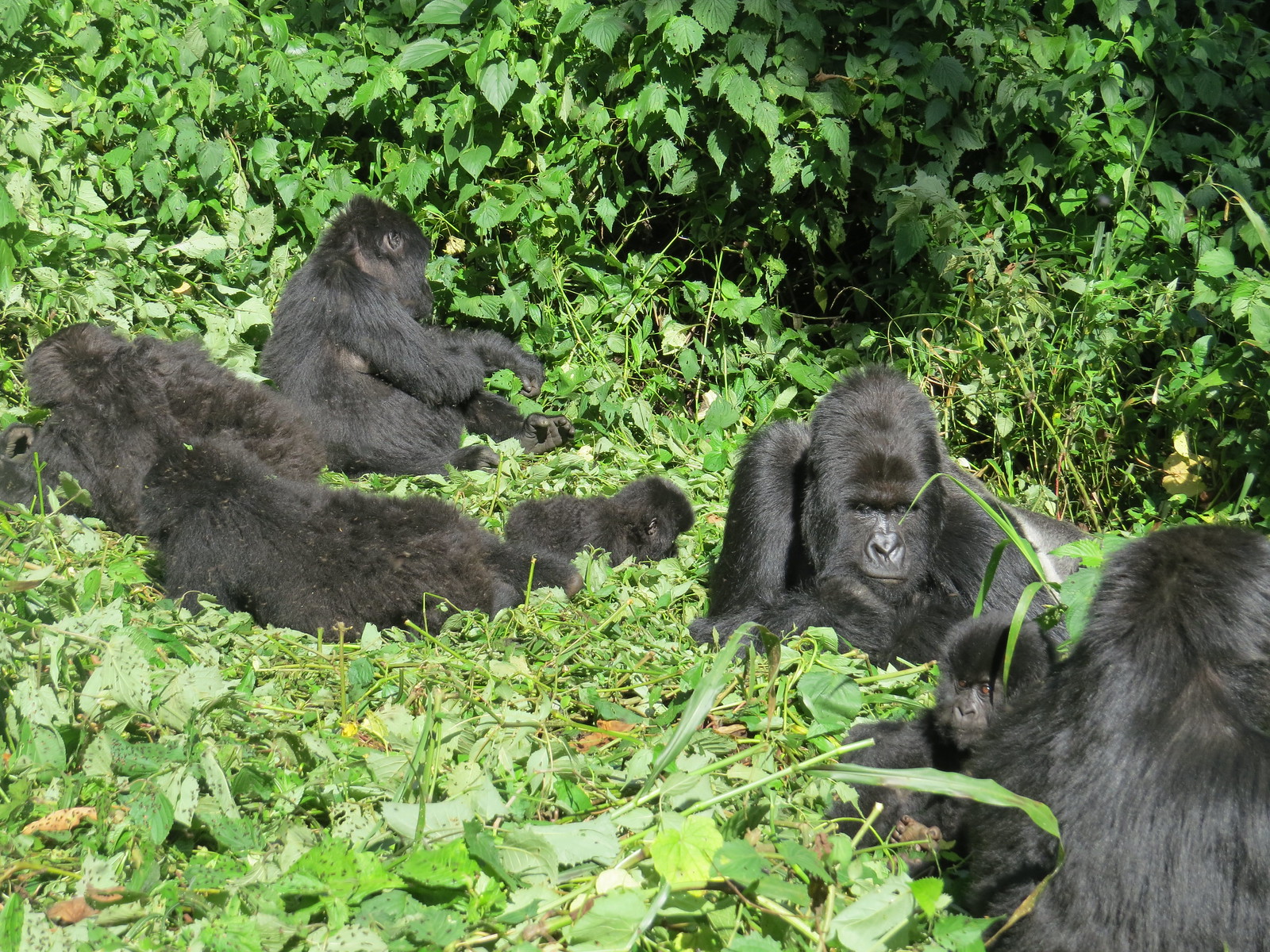
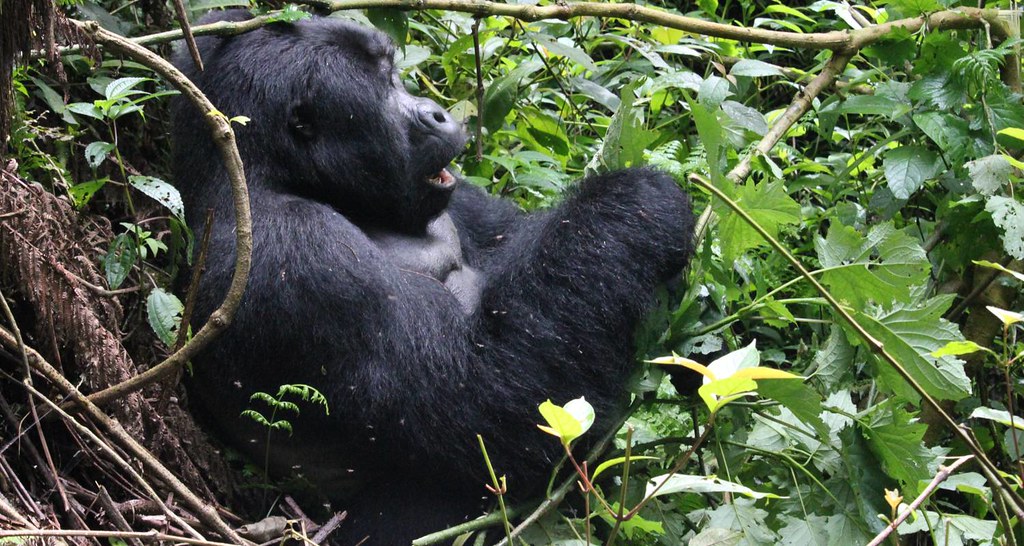
Gorillas "Silverback"

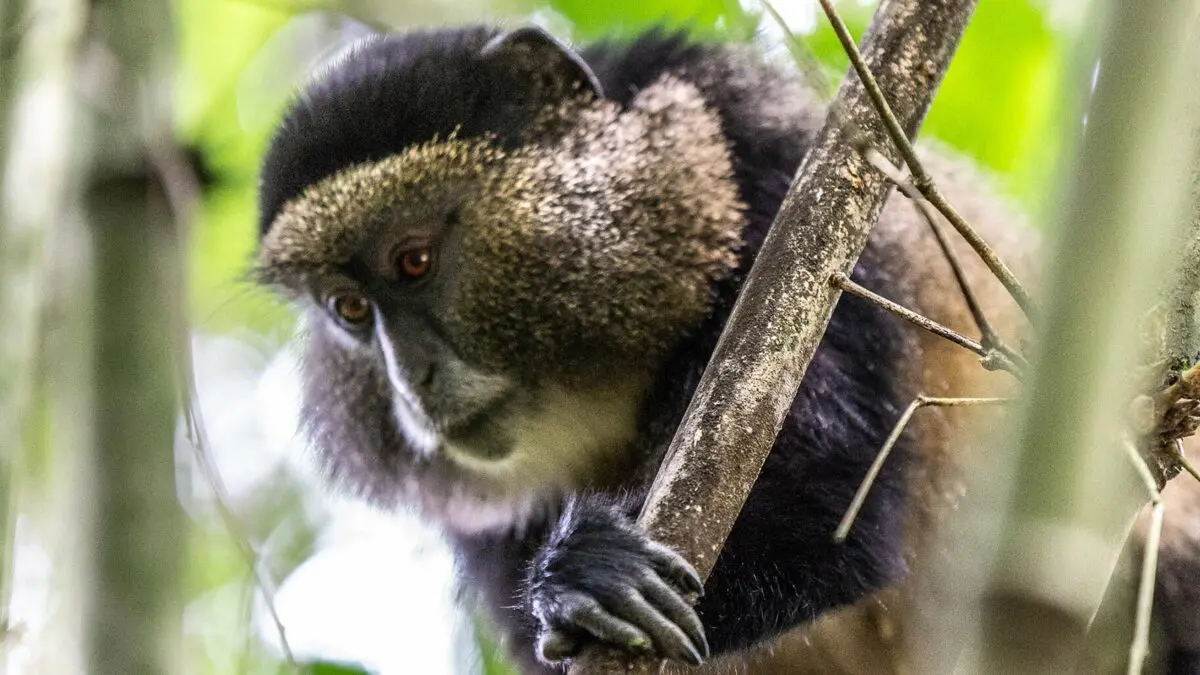
Golden Monkey "Photogenic"

Chimpanzees "Pant-hoot"