Whale Watching
January 28, 2026
Scuba Diving
January 28, 2026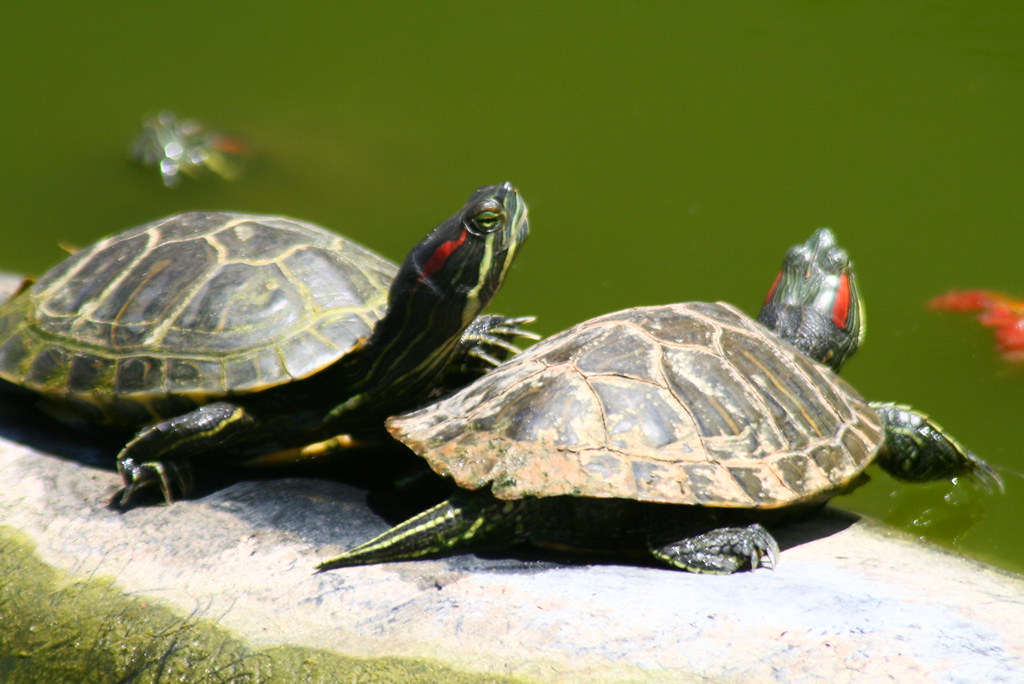


Turtle Watching
Turtle watching in Africa offers travelers the chance to witness one of nature’s most fascinating and enduring creatures. From giant sea turtles gliding through crystal-clear waters to nesting females laying eggs along sandy beaches, these reptiles connect us to ancient rhythms of life on Earth. Africa’s coastal regions provide some of the best opportunities to observe turtles in their natural habitats, offering unforgettable wildlife experiences that combine beauty, wonder, and conservation.

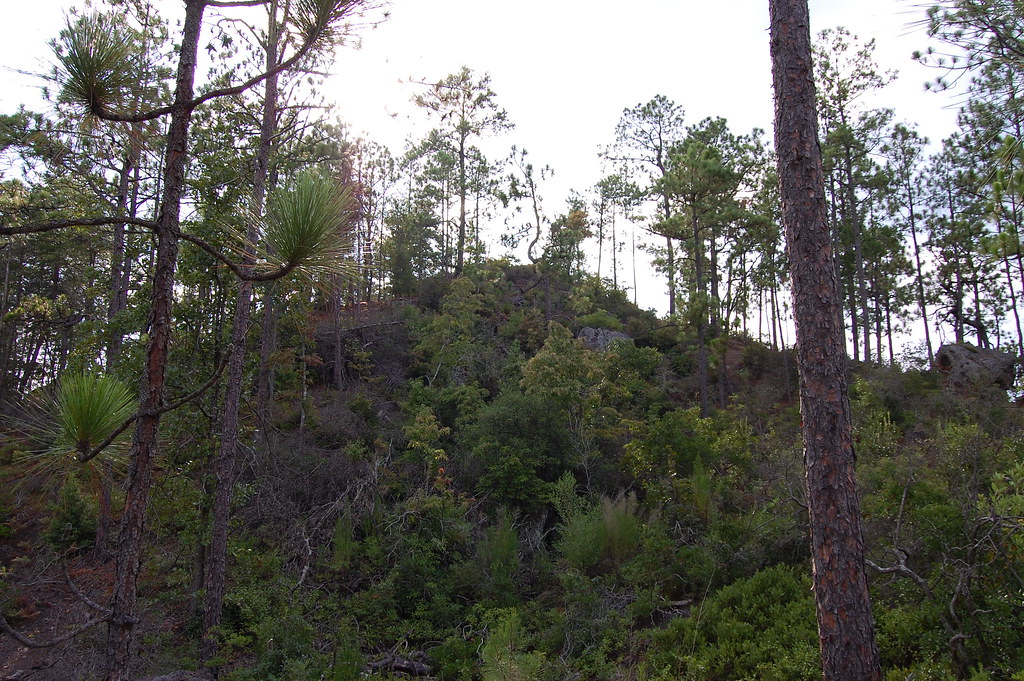

Chimpanzee Trekking
Chimpanzee trekking in Africa is a powerful and intimate wildlife experience that combines adventure, education, and conservation. From the dense forests of Uganda and Rwanda to the remote shores of Lake Tanganyika in Tanzania, each destination offers a unique perspective on chimpanzee life in the wild.
Turtle Watching: A Complete Guide to Experiences Across the Region
Why Turtle Watching Is Unique
Turtle watching stands out because it reveals the intimate life cycles of species that have existed for millions of years. Sea turtles travel thousands of kilometers between feeding grounds and nesting beaches, returning with astonishing fidelity to the sands where they were born. Witnessing these creatures in action offers a direct connection to the natural world and highlights the importance of coastal ecosystems for global biodiversity.
The activity also provides a perspective on the challenges turtles face, from climate change and coastal development to marine pollution and poaching. Engaging in turtle watching fosters awareness and promotes responsible tourism that benefits both wildlife and local communities.
Best Turtle Watching Destinations in Africa
Africa’s coasts are home to several prime turtle-watching locations. Kenya’s Watamu and Diani beaches attract green and hawksbill turtles, while Tanzania’s Mafia Island is renowned for its marine parks and conservation-focused tours. Mozambique’s Bazaruto Archipelago and South Africa’s Eastern Cape beaches provide opportunities to see nesting turtles and hatchlings making their way to the ocean.
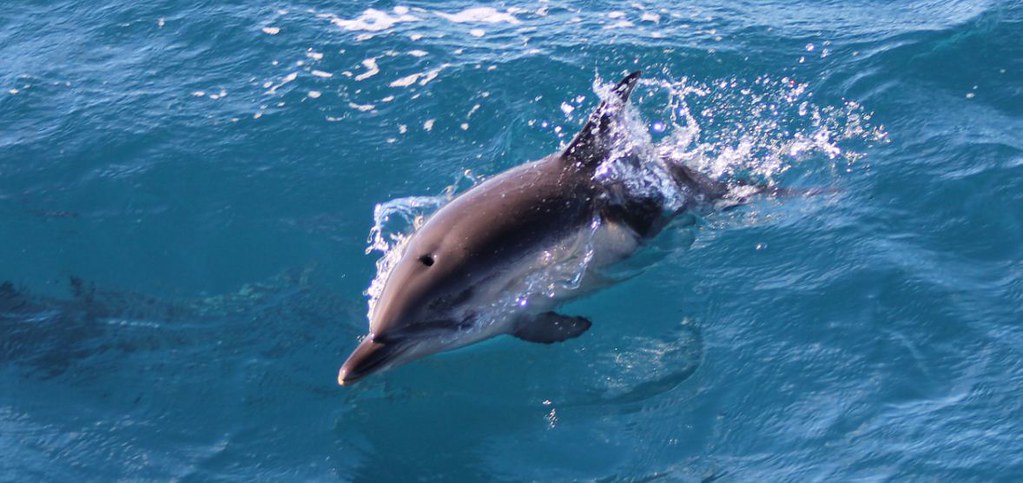
In addition to these coastal hotspots, islands in the Indian Ocean such as Seychelles and Madagascar are famous for turtle conservation programs that allow guided observation without disturbing nesting sites. Each destination offers unique marine habitats and the chance to witness turtles alongside other wildlife, including reef fish, dolphins, and seabirds.
What to Expect During a Turtle Watching Experience
Turtle watching is typically conducted at dawn or dusk, when nesting and hatching activity is highest. Visitors are guided along beaches or coastal trails by trained naturalists or conservation staff who provide information on species, behavior, and conservation efforts.
During nesting season, travelers may observe females digging nests, laying eggs, and covering them with sand—a process that can take several hours. Hatchling season is equally spectacular, with tiny turtles emerging from the sand and instinctively making their way to the ocean.
Strict guidelines ensure minimal disturbance. Visitors often keep a safe distance, avoid bright lights, and follow instructions to prevent interference with natural behaviors. These measures ensure both safety and the preservation of delicate life stages.
Wildlife and Scenic Viewing Opportunities
Turtle watching often occurs in ecosystems rich with other marine and coastal life. Mangroves, coral reefs, and sandy beaches provide habitats for fish, crabs, seabirds, and other reptiles. Observing turtles in these environments offers insight into interconnected food webs and the ecological importance of healthy coastal systems.
The experience is highly visual and tactile, with opportunities to see the texture of shells, the movement of flippers, and the patterns of individual turtles. The combination of intimate encounters and scenic beauty—sunrise over the ocean, waves lapping against the sand, and pristine coastal landscapes—creates an immersive and memorable adventure.
Conservation and Education in Turtle Watching
Turtle watching is closely linked to conservation initiatives. Many programs are managed by NGOs, marine parks, or community projects that monitor nesting sites, protect eggs, and rehabilitate injured turtles. Visitors often receive briefings on threats such as bycatch, habitat loss, and pollution, along with guidance on how to minimize their impact.
Some destinations allow participation in conservation activities, such as assisting with nest monitoring, tagging, or releasing hatchlings under supervision. These experiences create awareness, foster environmental responsibility, and contribute directly to the protection of species for future generations.
Safety Considerations and Responsible Tourism
Safety and ethical behavior are paramount during turtle watching. Visitors should follow guide instructions, maintain quiet, avoid touching turtles or nests, and use dim red lights if necessary. Responsible practices ensure both human safety and the well-being of these vulnerable animals.
Engaging with local conservation programs also supports communities and promotes sustainable tourism. Many coastal communities benefit economically from eco-tourism, making turtle watching a positive force for people and wildlife alike.
Best Time for Turtle Watching
Turtle watching depends on seasonal nesting and hatching cycles. Green and hawksbill turtles typically nest during warmer months, while leatherback turtles have specific nesting periods depending on location. Hatchlings usually emerge several weeks after eggs are laid, providing opportunities to witness incredible journeys from sand to sea.
Planning visits according to peak nesting or hatching times maximizes the chances of sightings, while avoiding off-season travel ensures that fragile nests are undisturbed.
Family and Group-Friendly Experiences
Turtle watching is suitable for families and groups, with guided experiences tailored to different ages and abilities. Children often find the tiny hatchlings fascinating, while adults gain insight into marine ecology and conservation challenges. Group visits enhance social learning and provide shared moments of awe and wonder, fostering a sense of connection to the natural world.
Combining Turtle Watching With Other Coastal and Marine Activities
Turtle watching can be integrated into broader coastal and marine adventures. Snorkeling, scuba diving, kayaking, and boat safaris complement turtle observation, allowing travelers to explore coral reefs, mangroves, and marine wildlife alongside their reptilian encounters.
Combining turtle watching with cultural or eco-tourism activities, such as visiting fishing villages or marine conservation centers, adds depth and context to the experience. It highlights the relationship between people, wildlife, and coastal ecosystems, enriching the overall journey.
The Emotional Impact of Observing Turtles
Watching turtles connect with the ocean and their nesting beaches evokes a sense of wonder, humility, and respect for life. Their ancient lineage, slow movements, and long migrations inspire reflection on resilience and survival. For many travelers, turtle watching is a profound reminder of the fragility and beauty of nature.
Witnessing hatchlings emerge and instinctively make their way to the ocean is particularly moving, symbolizing hope, continuity, and the interconnectedness of life. Turtle watching in Africa offers a rare, intimate glimpse into the lives of one of the planet’s oldest and most remarkable species. From nesting females on pristine beaches to tiny hatchlings racing toward the sea, these experiences combine adventure, education, and conservation awareness.
For travelers seeking connection with wildlife, meaningful eco-tourism, and unforgettable coastal encounters, turtle watching provides a gentle yet profoundly inspiring journey that highlights the enduring magic of Africa’s natural world.
Our Recommended Tour Ideas
Please the content should be 110 characters.
Please the content should be 110 characters.
Please the content should be 110 characters.
Please the content should be 110 characters.
Please the content should be 110 characters.

7 Days Rwanda & Uganda Gorilla and Wildlife Safari from Kigali with Volcanoes, Bwindi & Big Game Experiences
Please the content should be 110 characters.
Please the content should be 110 characters.
Please the content should be 110 characters.
What Our Travelers Enjoyed About Primate Safaris

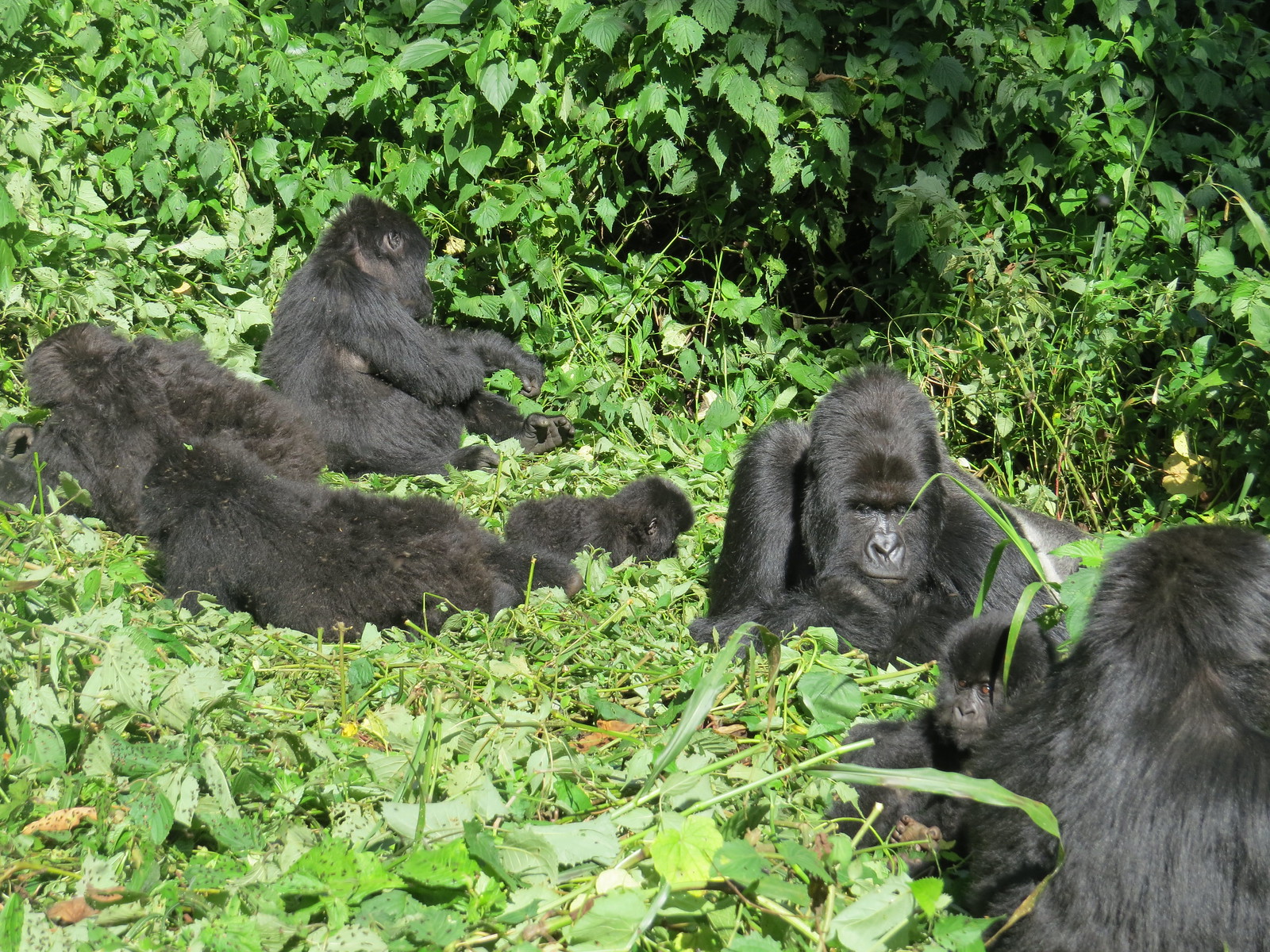
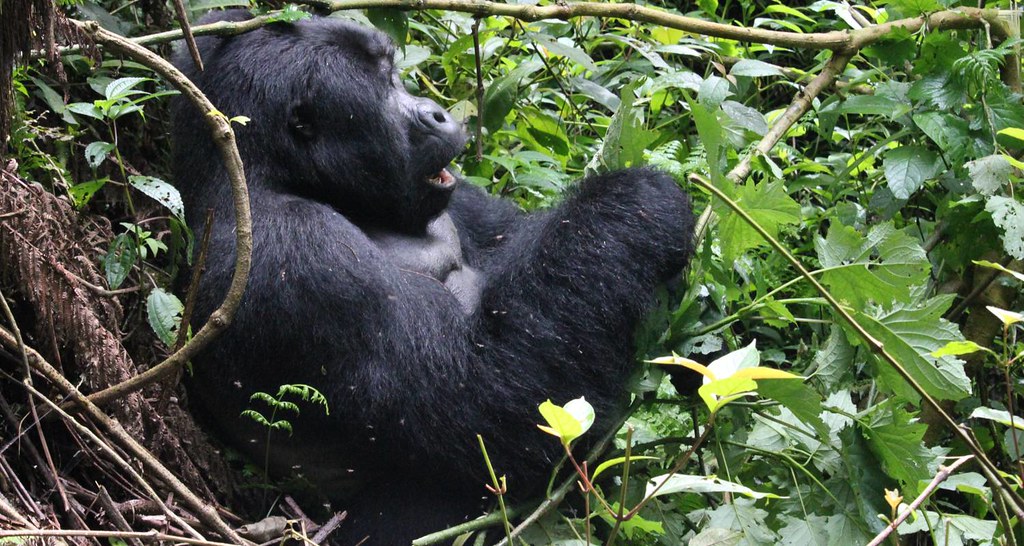
Gorillas "Silverback"

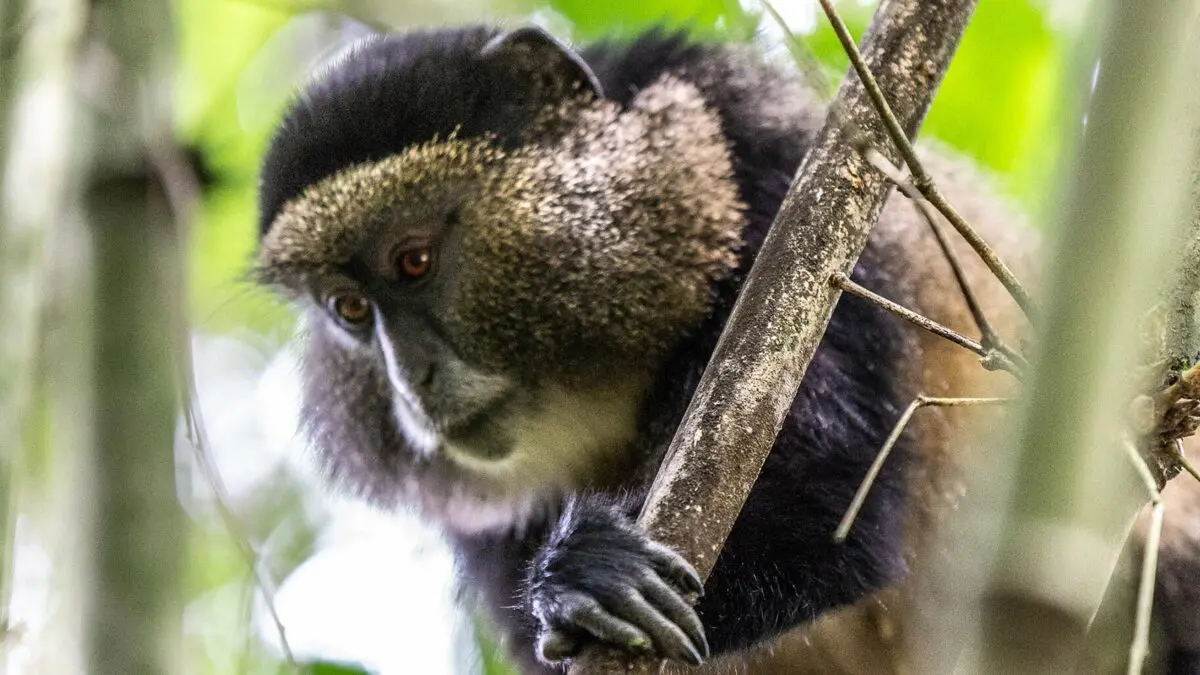
Golden Monkey "Photogenic"

Chimpanzees "Pant-hoot"