
Snake farms Bio-Ken Just a few minutes’ drive from the hotel resorts of the Watamu, Safari Kenya is a safari destination available to the public with the biggest collection of snakes in the whole East Africa. Established thirty years ago, Bio-Ken Snake Farm is a research facility focused on reptiles-more notably, snakes and snake-bite. With the large collection of the most deadly snakes in Africa, Bio-ken has drawn more guests for more than thirty years.
From here, the black spitting cobra, the horned viper, and many other snake species can be seen simultaneously on your safari; the plain-looking but lethal twig snake for whom has no cure will be visible here as well. James and Sanda Ashe started the Bio-ken Snake Farm in 1980 and left it to Royjan Taylor and his wife Clare, EAVS, the research and education center dedicated to saving the snakes on your safari to Bio-ken Snake Farm with Focus East Africa will provide you the most interesting herpetology safari in Watamu. One of the best places in Kenya to find the different reptiles is here.
bio-ken snake farm Firefox Kenya
Ken’s Snake Farm Bio-Ken Safari Kenyan
< Experts from all around the world can attend biennial snake-bite lectures held at Bio-ken Farm. When confronted with a snake bite, this is where the people may be taught the correct techniques and the value of snakes and why they should not be inevitably killed but rather kept on sight.
Not only is the Bio-ken Snake Farm such amazing in that it provides emergency care for the snakebite victims throughout the area and the entire community, but it is also a research center and laboratory, specialized in anti-venom research and travelers at times go there to study about the snake bites. Here you can get the opportunity and see the snakes that are being milked for their venom, so creating specific antidotes which can be used to create anti-venom for the local communities and the medical facilities. With 93 harmless non-venerable species, 10 species that cause painful non-lethal bites, 24 deadly species, and 18 species known to have taken human life or are less dangerous, the farm offers you the 127 different species that are known to be found in Kenya overall.
Though some snake species are dangerous, they have the particular relevance in our environment stated by the researchers since they help to lower the vermin, which in turn controls disease and the destruction of the crops; also, they attract tourists that provide the education program for the visitors and the public about the main essential for preserving the snakes. It’s a matter of contacting and informing the farm as the Bio-ken provides a free “remove a snake” service in the Watamu Island. They will react to ensure your life and capture the rogue snake and then release it back into the wild.
The Bio-Ken Snake Farm is a safari tourism destination where you will be able to see different and fascinating snakes in their natural habitat since the farm has professional and experienced guided tours to neighboring Jimbe and Gede where you can learn to locate and identify the several snake species. After your safari from the farm you will be expert of the snakes as Bio-ken gives the visitors a selection of safaris to find the snake species in the wild.
Safari Kenya, a Bio-Ken snake farm
Safari Kenya’s Bio-Ken snake farm
the opening hours.
Operating from 10:00 to 17:00 hours, then to add on that the farm works and opens seven days a week. Bio-ken snakes farm
Ideal visit time for the Bio-Ken snake farm.
Although Watamu is a stunning all year long to be seen on a Kenya Safari, July to October is the best time to visit as this is the longest dry season with cool coastal temperatures and clear, sunny sky.
Recommended Tours: 8 Days Kenya Wildlife Safari | 4 Days Amboseli & Masai Mara
Kenya Safari Guide – Parks, Wildlife and Travel Tips
Kenya is one of the world’s premier safari destinations, offering a remarkable concentration of national parks, game reserves, and wildlife conservancies. From the world-famous Masai Mara to the elephant paradise of Amboseli, the flamingo-lined shores of Lake Nakuru, and the remote wilderness of Samburu, Kenya delivers extraordinary wildlife encounters year-round.
Kenya’s tourism infrastructure is among the best in Africa, with a wide range of accommodation from budget tented camps to ultra-luxury lodges. The country is served by multiple international airports (Nairobi’s Jomo Kenyatta International, Wilson Airport for light aircraft, and Mombasa’s Moi International), making it easy to reach virtually any park within a half-day of arrival.
Kenya’s Top National Parks and Reserves
- Masai Mara National Reserve: Kenya’s most famous reserve, renowned for the annual Great Migration (July-October) when over a million wildebeest cross the Mara River. Year-round big cat sightings make it a favourite for wildlife photographers.
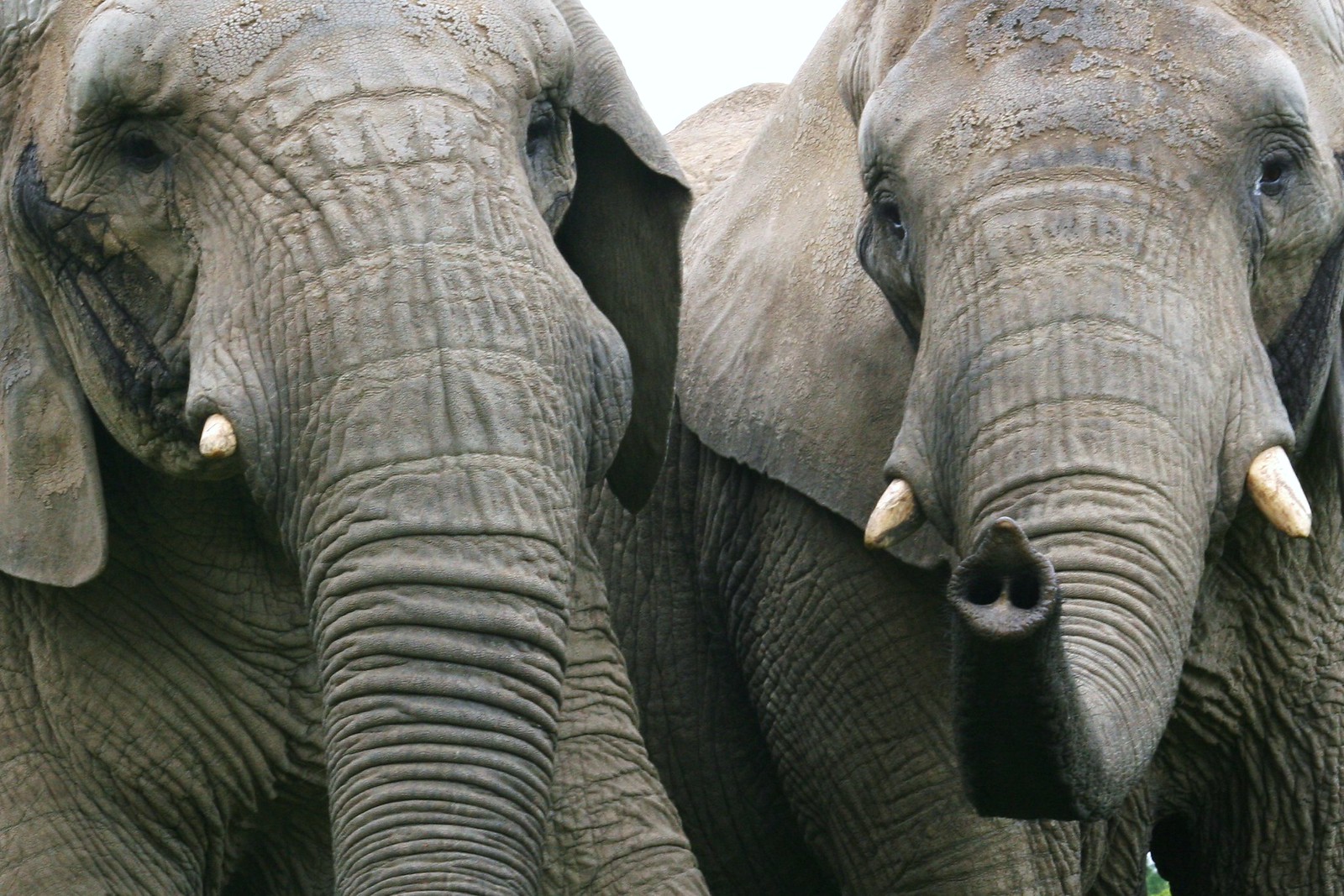
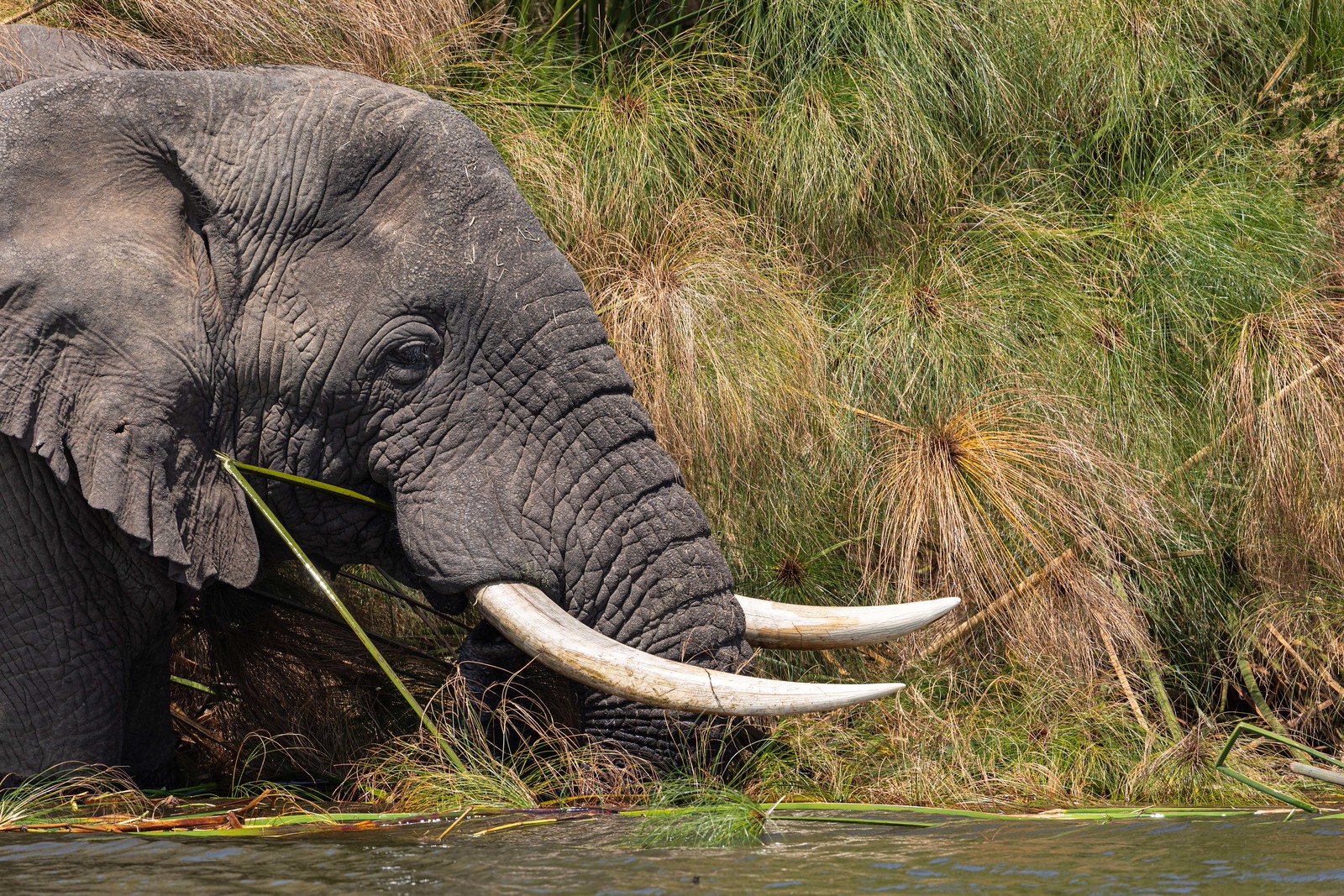
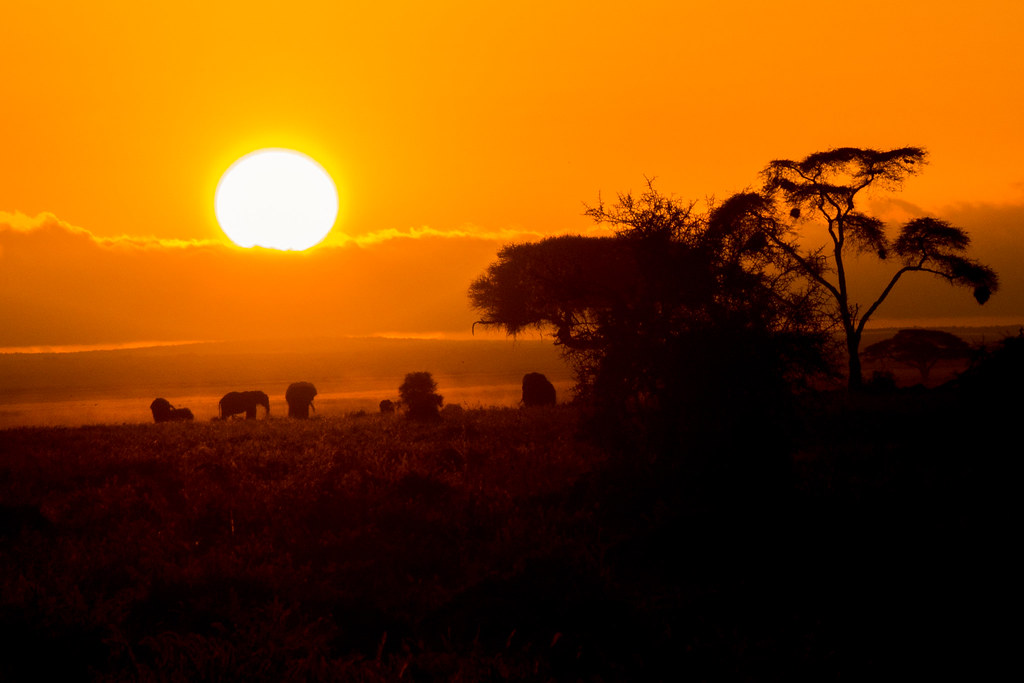
- Amboseli National Park: Famous for large elephant herds with the snow-capped peak of Kilimanjaro as a backdrop – one of Africa’s most iconic safari scenes. Also excellent for lions, cheetahs, and a huge diversity of birds.
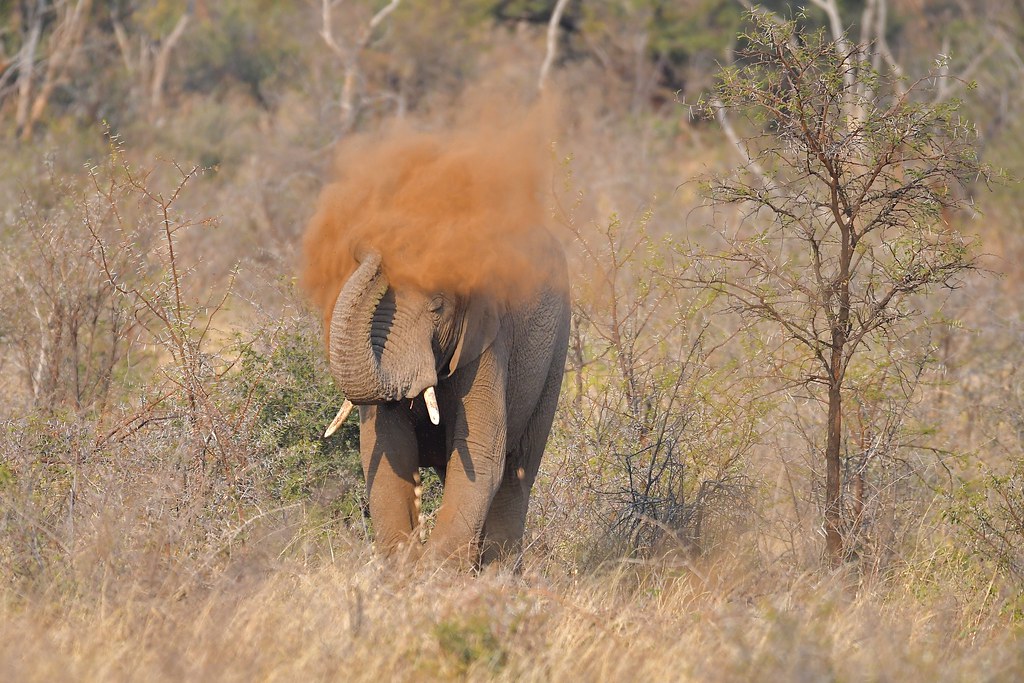
- Tsavo East and West: Kenya’s largest protected area, split into two parks. Known for its red-dust elephants, dramatic lava flows (Tsavo West), Mzima Springs, and vast herds of buffalo and zebra.
- Lake Nakuru National Park: Famous for its flamingo-lined shores and as one of the best places in Kenya to see rhinos. Also home to lions, leopards, giraffes, and over 400 bird species.
- Samburu National Reserve: A remote, arid reserve in northern Kenya, home to species found nowhere else in East Africa – Grevy’s zebra, reticulated giraffe, Beisa oryx, and Somali ostrich.