Are gorillas aggressive?
March 27, 2026
Kibale National Park vs Budongo Forest for Chimpanzee Tracking
March 27, 2026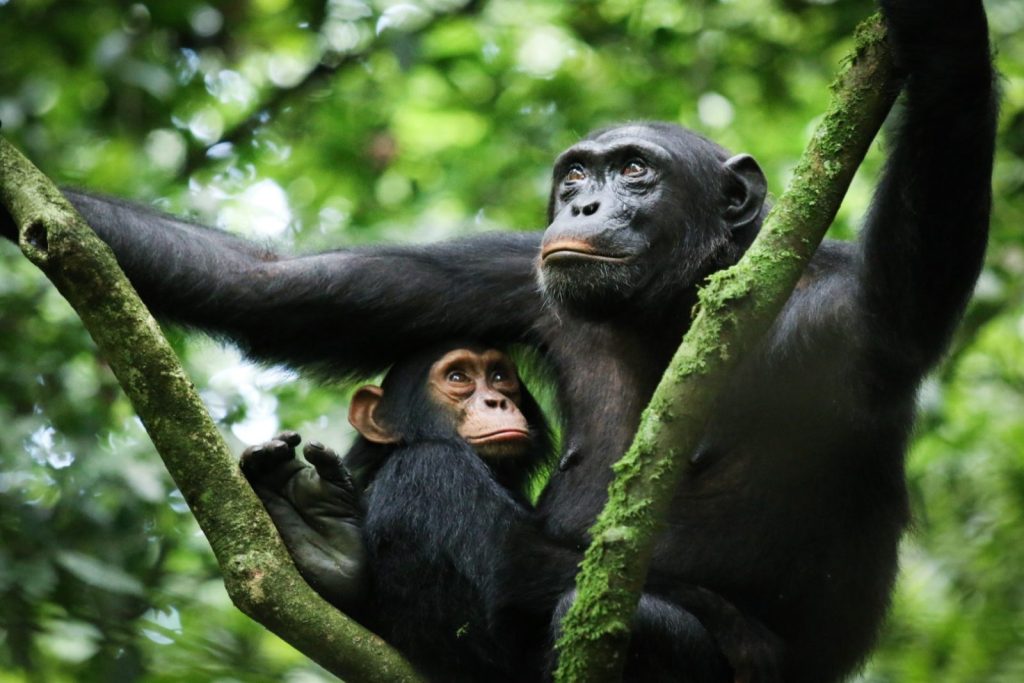
Chimpanzee Tracking in Kibale Forest: Complete Visitor’s Guide
Overview of Chimpanzee Tracking Experience
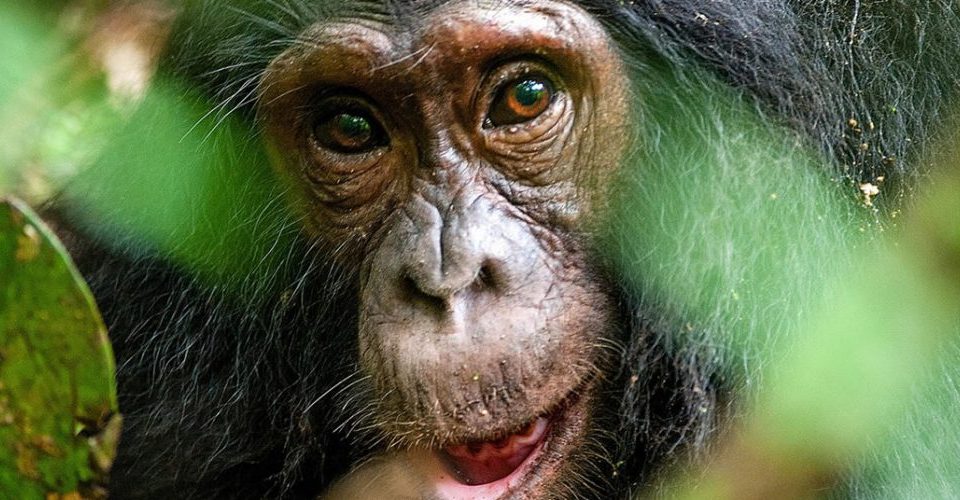
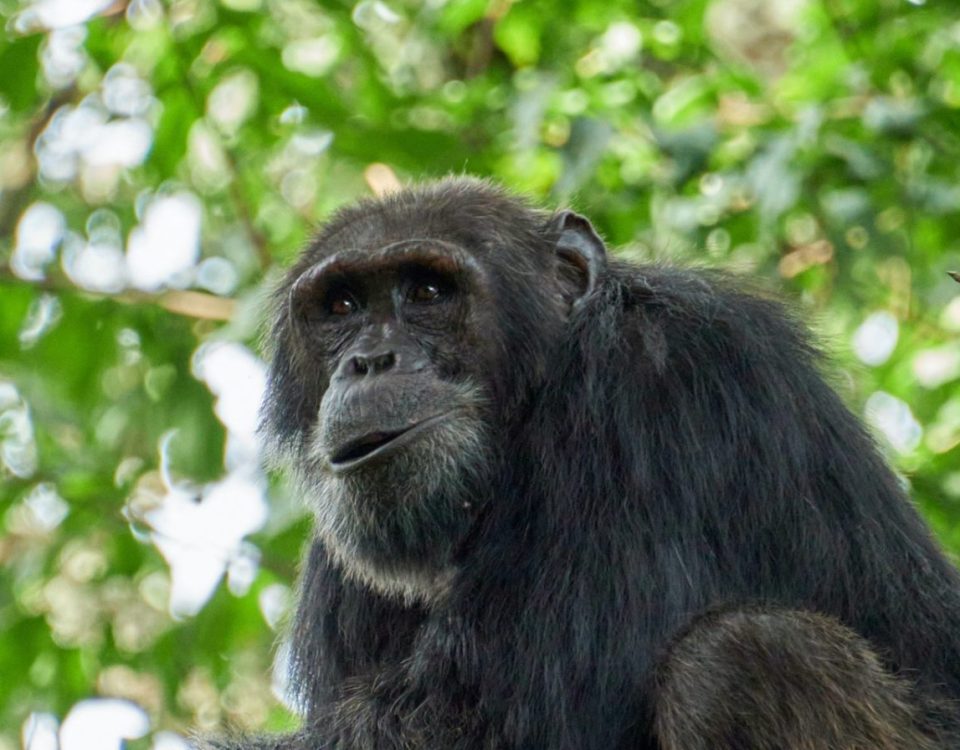
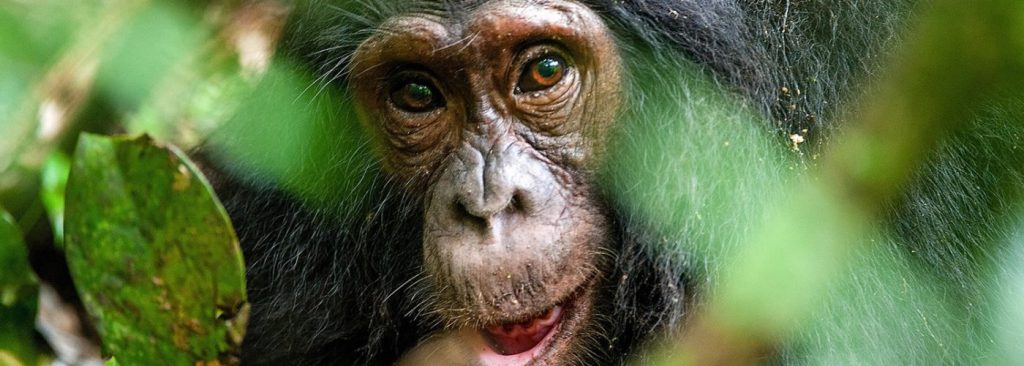
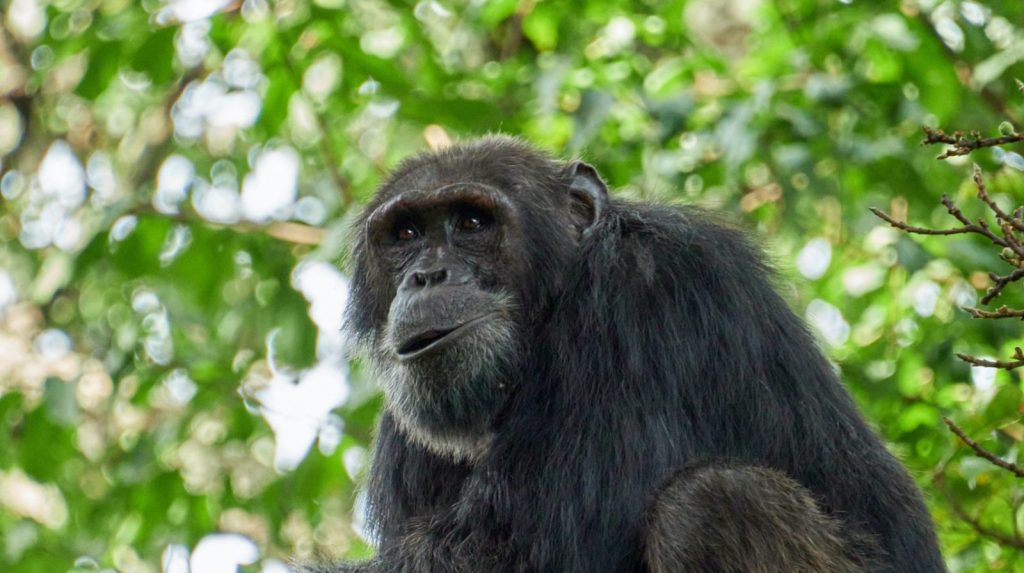
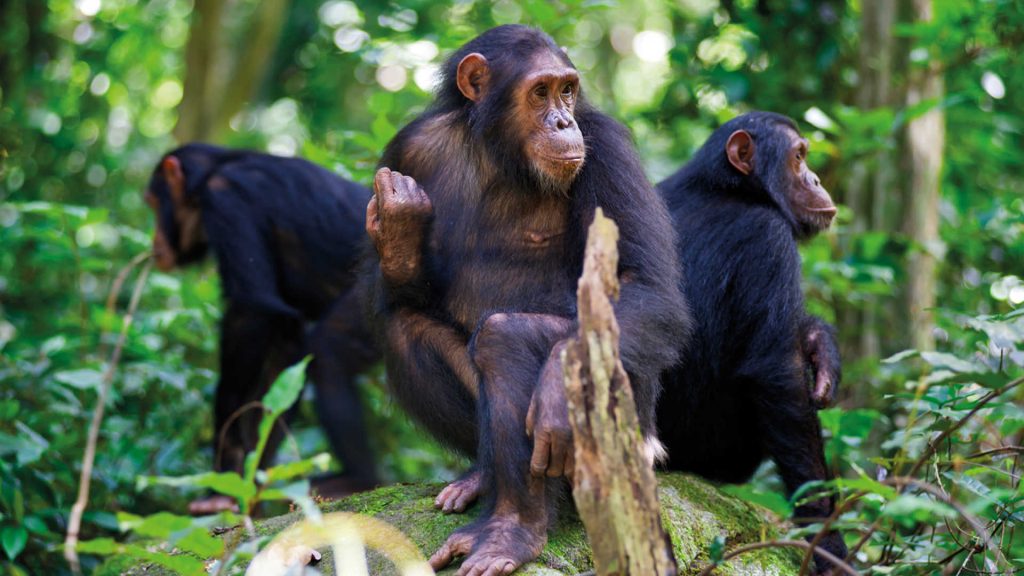
Chimpanzee tracking in Kibale Forest is one of the most rewarding primate encounters in Africa, offering close-up observation of wild chimpanzees in their natural rainforest habitat. Located in western Uganda, the experience takes place in the biodiverse ecosystem of Kibale National Park, often referred to as the “primate capital of the world.”
Unlike zoo or sanctuary encounters, chimpanzee tracking is a fully wild experience where visitors follow trained rangers through dense tropical forest in search of habituated chimpanzee communities. Once located, you are allowed a limited time to observe their behavior, social interactions, feeding patterns, and communication systems.
The experience combines rainforest trekking, wildlife tracking skills, and immersive primate observation, making it one of Uganda’s most intellectually and emotionally engaging safari activities.
What Makes Kibale Forest Special for Chimpanzee Tracking
Kibale Forest is home to the highest density of chimpanzees in East Africa, with over 1,500 individuals distributed across multiple habituated communities. This significantly increases the probability of successful sightings compared to other chimpanzee habitats.
The forest itself is a rich tropical ecosystem with over 13 primate species, including red colobus monkeys, L’Hoest’s monkeys, and grey-cheeked mangabeys. This biodiversity creates a dynamic tracking environment where chimpanzee encounters are part of a broader wildlife experience.
The combination of dense forest structure, high chimpanzee density, and experienced ranger teams makes Kibale one of the most reliable chimpanzee tracking destinations in Africa.
Location and Accessibility
Kibale National Park is located in western Uganda, near the town of Fort Portal, and forms part of the Albertine Rift ecological zone. It is well connected by road from Kampala and is often included in broader Uganda safari circuits.
Travel time from Kampala is typically 5 to 6 hours by road, passing through rural landscapes, tea plantations, and crater lake regions. This makes it accessible as both a standalone destination and part of a multi-park itinerary.
Many travelers combine Kibale with Queen Elizabeth National Park or Bwindi Impenetrable Forest for a complete primate and big game safari experience.
Best Time for Chimpanzee Tracking
Chimpanzee tracking in Kibale is available year-round, but the dry seasons generally offer easier trekking conditions and improved forest accessibility. These periods typically occur from June to September and December to February.
During wet seasons, the forest becomes more humid and slippery, but chimpanzee sightings remain consistent due to habituated groups. The forest canopy also becomes more lush and vibrant, enhancing the overall experience.
Unlike seasonal wildlife migrations, chimpanzee tracking does not depend heavily on animal movement patterns, making Kibale a reliable year-round destination.
Tracking Process and What to Expect
Chimpanzee tracking begins early in the morning with a ranger briefing at the park headquarters. Visitors are assigned to specific habituated chimpanzee groups based on their last known location.
Groups then enter the forest with experienced trackers who use vocalizations, feeding signs, and nesting evidence to locate chimpanzees. This tracking phase can take anywhere from 30 minutes to several hours depending on movement.
Once chimpanzees are found, visitors are allowed a limited observation period, usually up to one hour, to minimize disturbance and ensure conservation compliance.
Physical Requirements and Difficulty Level
Chimpanzee tracking in Kibale is considered moderate in difficulty, depending on the location of the chimpanzee group on a given day. Some treks are short and relatively easy, while others may involve longer hikes through dense forest terrain.
The terrain includes uneven ground, muddy trails, and thick vegetation, requiring basic physical fitness and appropriate footwear. However, it is generally more accessible than gorilla trekking in mountainous regions.
Porters are often available to assist with carrying bags and supporting movement through challenging sections of the forest.
Chimpanzee Behavior and Social Structure
Chimpanzees are highly social and intelligent primates that live in complex communities with strong hierarchical structures. Observing their interactions provides insight into communication, cooperation, and conflict resolution within primate groups.
Common behaviors include grooming, tool use, vocal communication, and coordinated movement through the forest canopy. These behaviors are often visible during tracking sessions.
Males tend to be more dominant and territorial, while females focus on nurturing and raising offspring within family units.
Photography Opportunities
Chimpanzee tracking offers excellent wildlife photography opportunities due to relatively close viewing distances and active behavior. However, dense forest lighting conditions can be challenging.
Fast lenses and higher ISO settings are often required to capture movement in low-light environments. Flash photography is typically prohibited to avoid disturbing the animals.
The most compelling images often capture expressive behavior, such as grooming, feeding, or interaction between individuals.
Conservation Importance of Kibale Chimpanzees
Kibale National Park plays a critical role in chimpanzee conservation in East Africa. The habituation program allows controlled tourism while supporting long-term research and protection.
Revenue from tourism directly supports conservation efforts, ranger programs, and community development initiatives around the park.
Chimpanzee tracking also contributes to scientific understanding of primate behavior, ecology, and disease monitoring.
Differences Between Chimpanzee Tracking and Gorilla Trekking
Chimpanzee tracking is generally more dynamic and fast-paced compared to gorilla trekking. Chimpanzees move quickly through the forest canopy and can be more challenging to follow.
Gorilla trekking offers more stationary observation once a group is found, while chimpanzee tracking involves continuous movement and repositioning.
Both experiences are complementary, with chimpanzees representing high-energy forest life and gorillas offering a more grounded and stable viewing experience.
Accommodation Options Near Kibale
Accommodation around Kibale ranges from luxury forest lodges to mid-range eco-camps located near the park boundary. Many properties are designed to blend into the forest environment.
Staying close to the park reduces morning travel time and increases convenience for early tracking departures.
Some lodges also offer nature walks, birdwatching, and community cultural experiences to complement chimpanzee tracking.
Safety and Park Guidelines
Chimpanzee tracking is conducted under strict guidelines to protect both visitors and primates. Visitors must maintain a safe distance and follow ranger instructions at all times.
Health precautions are important because chimpanzees are genetically close to humans and can be vulnerable to human-transmitted diseases. Visitors are often required to wear masks during close encounters.
Noise levels are controlled to minimize disturbance and maintain natural behavior patterns.
Why Kibale Is a Premier Primate Destination
Chimpanzee tracking in Kibale Forest offers one of the most immersive and scientifically significant wildlife experiences in Africa. It combines adventure, education, and conservation in a single rainforest ecosystem.
The high density of chimpanzees, accessibility of the park, and structured tracking system make Kibale one of the most reliable places in the world to observe wild chimpanzees.
For travelers seeking a deeper understanding of primate behavior and tropical rainforest ecosystems, Kibale delivers a uniquely rich and rewarding safari experience.