How to Book Chimpanzee Permits in Uganda
March 27, 2026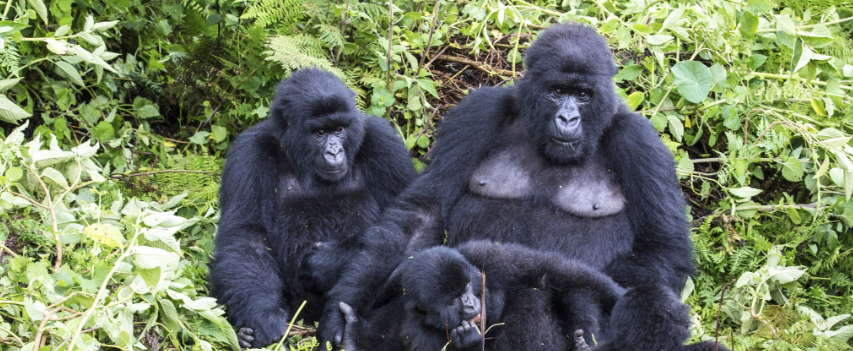
How are gorilla groups assigned?
March 27, 2026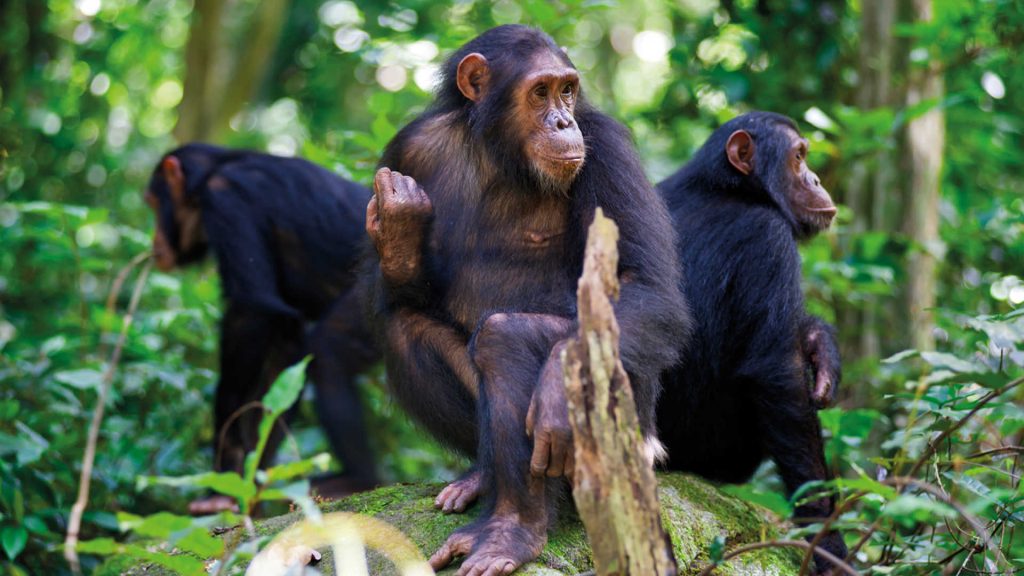
Chimpanzee Tracking vs Gorilla Trekking: Which Is the Better Experience?
Chimpanzee tracking and gorilla trekking are two of the most sought-after primate experiences in Africa, both offering immersive encounters with highly intelligent great apes in their natural habitats. These activities take place in different ecosystems, involve different levels of physical effort, and deliver distinctly different wildlife experiences.
Chimpanzee tracking is typically conducted in dense lowland and montane forests such as Kibale National Park, while gorilla trekking takes place in mountainous rainforest habitats like Bwindi Impenetrable Forest and Mgahinga Gorilla National Park. Although both experiences involve forest trekking and ranger-guided searches, the behavior, movement patterns, and viewing conditions of the primates differ significantly.
Species Behavior and Viewing Experience Differences
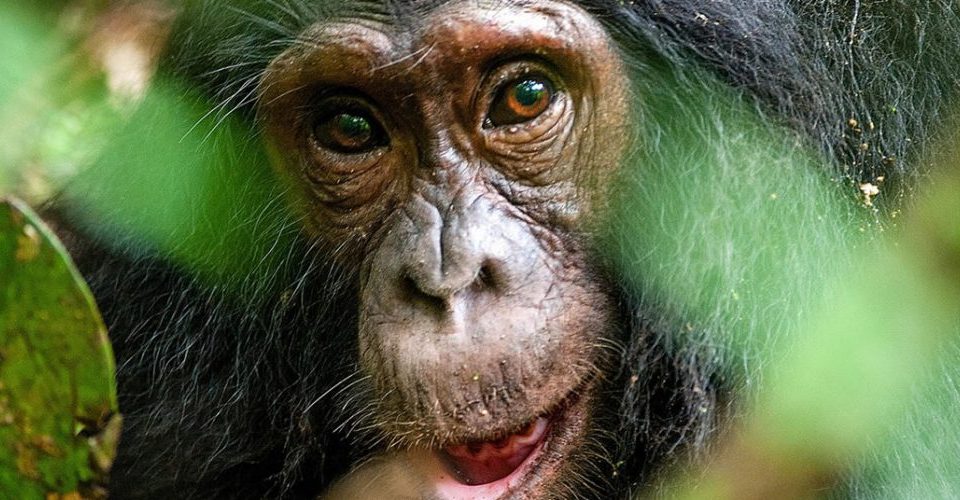
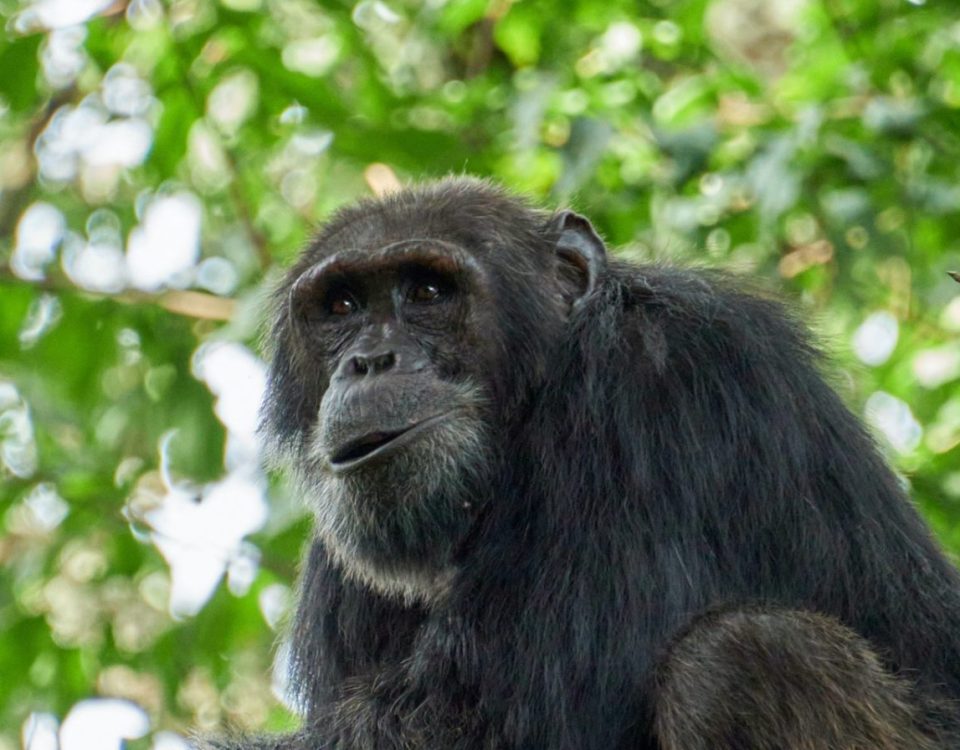
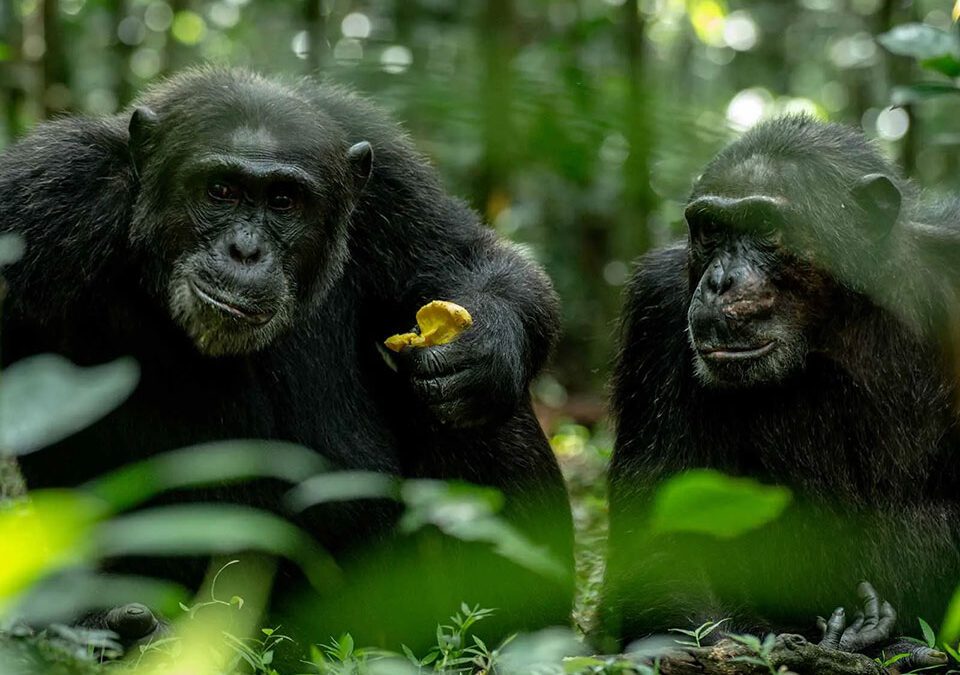
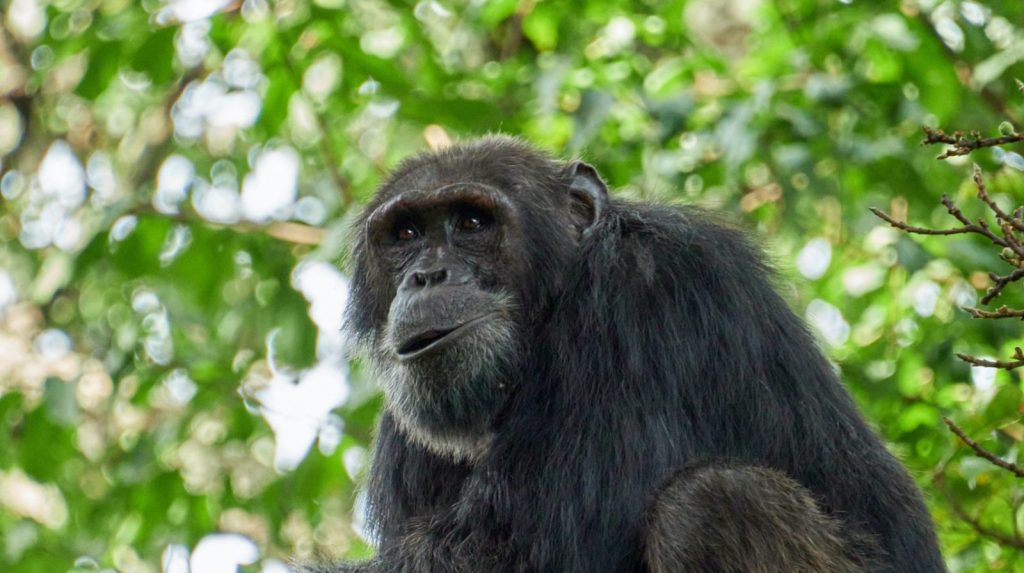
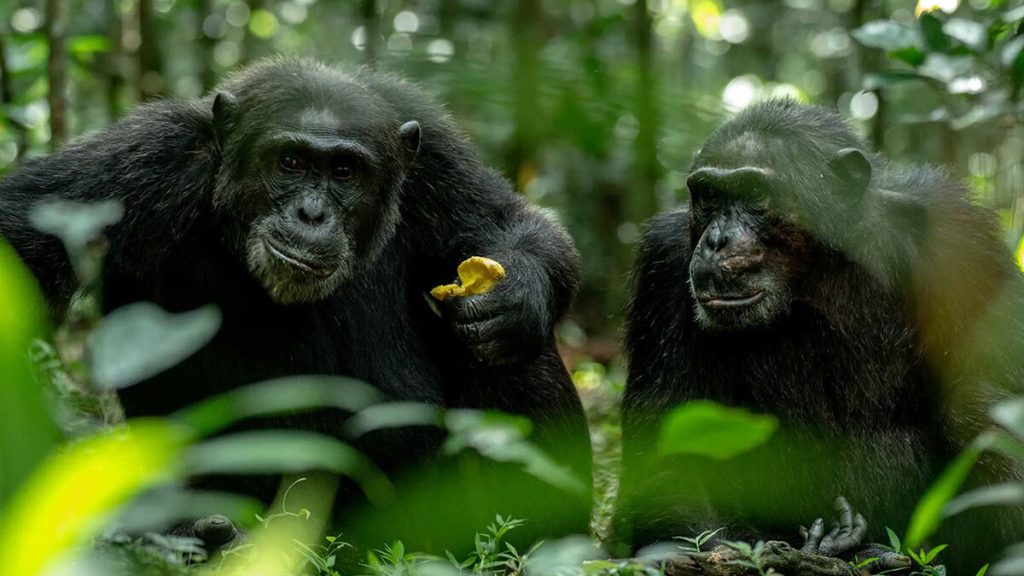
Chimpanzees are highly active, fast-moving, and socially dynamic primates that spend much of their time moving through forest canopies and forest floors in search of food. This makes chimpanzee tracking more unpredictable and often more physically dynamic, as visitors may need to follow vocalizations and movement across varying terrain.
Gorillas, on the other hand, are generally slower-moving and more ground-oriented, often spending extended periods feeding, resting, or interacting within a single location. This allows for longer and more stable viewing sessions once a gorilla family is located.
In essence, chimpanzees offer a fast-paced tracking experience, while gorillas provide a more stationary and observational wildlife encounter.
Physical Intensity and Trekking Conditions
Chimpanzee tracking is generally considered moderately strenuous, depending on forest conditions and chimpanzee location, but treks are often shorter and less elevation-intensive. Forests like Kibale and Budongo are relatively flat compared to mountain gorilla habitats.
Gorilla trekking is typically more physically demanding due to steep, high-altitude terrain, especially in areas such as Bwindi Impenetrable Forest. Treks can range from short hikes to several hours of uphill climbing through dense vegetation.
For travelers prioritizing physical challenge and high-altitude adventure, gorilla trekking is more demanding, while chimpanzee tracking offers a more varied but generally less intense hike.
Encounter Duration and Viewing Quality
Chimpanzee encounters are usually shorter and more dynamic, as groups are constantly moving and interacting across the forest landscape. Once located, visitors are typically allowed a limited observation period, but the activity level remains high throughout.
Gorilla encounters tend to be longer and more stable, with families often remaining in one area for extended periods. This allows for detailed observation of social interactions, grooming behavior, and infant development.
If extended wildlife observation is a priority, gorilla trekking generally offers a deeper and more prolonged viewing experience.
Emotional and Psychological Impact
Chimpanzee tracking delivers excitement, unpredictability, and a sense of active discovery as visitors follow vocalizations and movement through dense forest environments. The experience often feels like a wildlife pursuit.
Gorilla trekking is widely regarded as more emotionally intense due to the close resemblance between gorillas and humans, particularly in their facial expressions and family structures. Many visitors describe the encounter as deeply moving and reflective.
While chimpanzees provide energy and excitement, gorillas often deliver emotional depth and connection.
Biodiversity and Ecosystem Differences
Chimpanzee tracking takes place in some of Africa’s richest primate ecosystems, where multiple monkey species, birds, and forest mammals can be observed during the trek. Locations like Kibale National Park are known for extremely high biodiversity.
Gorilla trekking ecosystems are more specialized montane forests with fewer primate species but higher focus on the mountain gorilla habitat. These environments are often cooler, misty, and more atmospheric.
Chimpanzee habitats are generally more biodiverse, while gorilla habitats are more specialized and visually dramatic.
Accessibility and Safari Integration
Chimpanzee tracking is more easily integrated into multi-park itineraries due to lower trekking difficulty and proximity to savannah parks such as Queen Elizabeth and Murchison Falls. This makes it highly flexible for combined safari planning.
Gorilla trekking is more location-specific and often requires dedicated travel to southwestern Uganda or neighboring Rwanda due to the mountainous terrain and conservation zoning.
For itinerary flexibility, chimpanzee tracking is easier to incorporate into broader safari routes, while gorilla trekking is more destination-specific.
Cost Differences and Permit Structure
Chimpanzee tracking permits are generally more affordable than gorilla trekking permits, making them more accessible to a wider range of travelers. Prices vary depending on location and experience type.
Gorilla trekking permits are significantly more expensive due to the rarity and conservation value of mountain gorillas, as well as stricter visitor limits per group.
This price difference often influences traveler decisions, especially for budget-conscious safari planning.
Conservation Importance of Both Experiences
Chimpanzee tracking supports forest conservation programs that protect diverse ecosystems and maintain chimpanzee populations across multiple habitats in Uganda. It also contributes to long-term behavioral research.
Gorilla trekking plays a critical role in the survival of endangered mountain gorillas, funding anti-poaching patrols, veterinary care, and cross-border conservation programs.
Both activities are essential conservation tools, but gorilla trekking has a more focused role in protecting a single critically endangered species.
Final Verdict: Which Experience Is Better?
Chimpanzee tracking is better suited for travelers seeking dynamic forest exploration, high biodiversity, and a more active tracking experience. It is ideal for those who enjoy movement, variety, and multi-species encounters.
Gorilla trekking is better for travelers seeking emotional connection, extended wildlife observation, and a rare face-to-face encounter with one of the world’s most endangered great apes.
Ultimately, neither experience is objectively better—they are complementary. Chimpanzee tracking delivers energy and ecological diversity, while gorilla trekking offers depth, intimacy, and emotional impact.
For the most complete primate safari experience in Africa, combining both activities provides the richest understanding of great ape behavior and forest ecosystems.