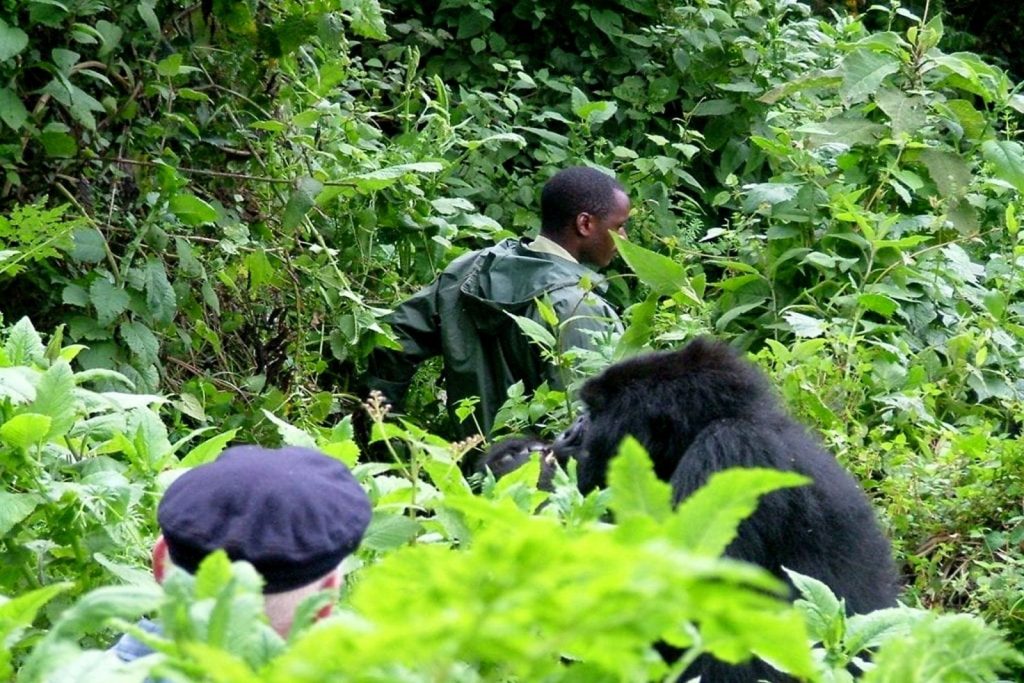
Gorillas, the majestic giants of the jungle, are not just fascinating creatures because of their immense strength and intelligence but also because of their complex social structures. The way gorilla groups are formed and assigned is a topic that offers deep insights into leadership, teamwork, and survival—lessons that can inspire us in our own lives. Whether you’re leading a team, building a community, or striving for personal growth, understanding how gorilla groups function can provide powerful motivation.
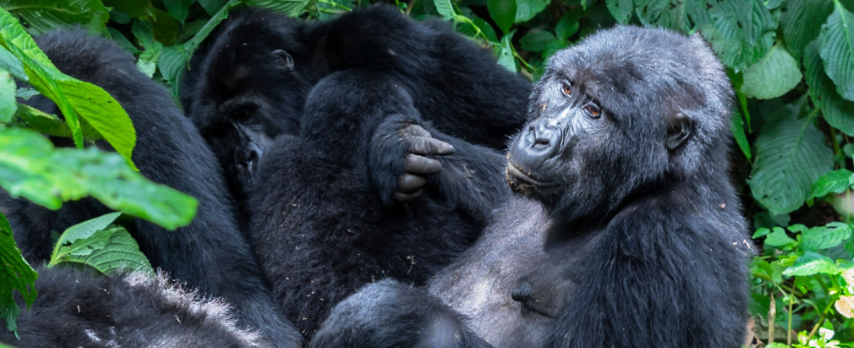
The Social Structure of Gorillas
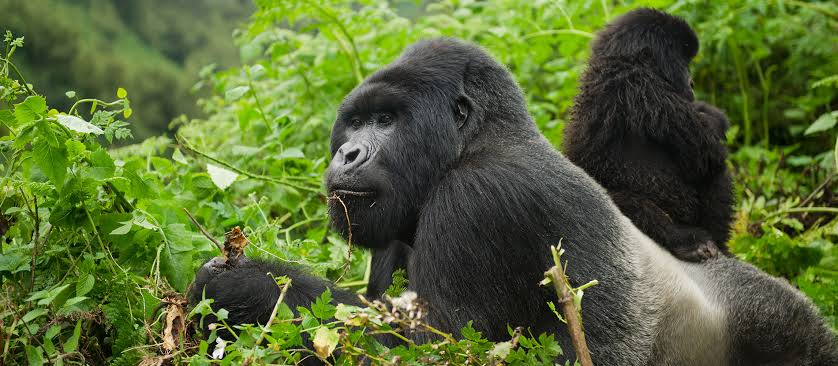
Gorillas live in tight-knit groups, usually consisting of one dominant male (known as a silverback), several females, and their offspring. Occasionally, younger males may also be part of the group, though they often leave to form their own groups when they mature. The gorilla groups are not randomly assembled; they are carefully structured to ensure survival, harmony, and growth.
The Role of the Silverback
The silverback is the backbone of the gorilla group. He is responsible for protection, decision-making, and conflict resolution. His leadership is not just about dominance but also about care and responsibility. He ensures the safety of the group, leads them to food sources, and mediates disputes.
Lesson for Humans: True leadership is not about power for its own sake but about service. Whether you’re a CEO, a team leader, or a parent, your role is to guide, protect, and nurture those under your care. A great leader, like a silverback, earns respect through actions, not just authority.
How Gorilla Groups Are Formed
-
Birth and Kinship – Many gorilla groups start with family ties. Females often stay within their birth groups, while males leave to avoid competition with the silverback. This natural selection ensures genetic diversity and reduces internal conflict.
-
Joining a New Group – Female gorillas sometimes transfer between groups, especially when they reach maturity. They may join a new silverback’s group voluntarily, seeking better protection or resources.
-
Splinter Groups – Young males who leave their birth groups may form their own gorilla groups by attracting females. This requires patience, strength, and the ability to prove leadership.
Lesson for Humans: Just like gorillas, humans thrive in communities where roles are clearly defined, and individuals contribute to the greater good. Whether in business, sports, or personal relationships, understanding your role and working cohesively leads to success.
The Importance of Hierarchy and Order
In gorilla groups, hierarchy is essential for stability. The silverback’s authority prevents chaos, while the females maintain social bonds through grooming and cooperation. Younger gorillas learn by observing and imitating adults.
Lesson for Humans: Structure is necessary for progress. Whether in a company, a family, or a personal routine, having a clear hierarchy and defined roles helps maintain order and productivity. Embrace discipline, learn from those above you, and strive to mentor those who come after you.
Conflict Resolution in Gorilla Groups
Gorillas, like humans, experience conflicts. Disputes may arise over food, mating rights, or social standing. However, gorilla groups have developed ways to resolve tension without unnecessary violence. The silverback often steps in to mediate, using displays of strength or vocalizations to restore peace.
Lesson for Humans: Conflict is inevitable, but how we handle it defines our success. Instead of avoiding disagreements, learn to address them constructively. Strong leaders don’t suppress conflict—they manage it wisely to strengthen relationships.
The Power of Community
Gorillas survive because they stick together. They groom each other, share food, and protect one another from predators. A lone gorilla is vulnerable, but a gorilla group is a formidable force.
Lesson for Humans: No one succeeds alone. Surround yourself with a supportive community—people who challenge you, encourage you, and hold you accountable. Just as gorillas rely on each other for survival, humans thrive when they build strong networks.
Adapting to Change
Gorilla groups are not static. They evolve—new members join, others leave, and leadership may change. When a silverback dies or is overthrown, the group may disband or accept a new leader. Adaptability is key to survival.
Lesson for Humans: Change is inevitable. Whether in careers, relationships, or personal growth, flexibility determines success. Learn to adapt, embrace new challenges, and lead through transitions with courage.
Be Like a Gorilla
The way gorilla groups are assigned teaches us about leadership, resilience, and unity. Here’s how you can apply these lessons:
-
Lead with Strength and Compassion – Like a silverback, be a protector and guide.
-
Build Strong Communities – Success is a team effort.
-
Resolve Conflicts Wisely – Address issues before they escalate.
-
Adapt and Grow – Embrace change as an opportunity.
-
Stay Loyal to Your Tribe – Support those who depend on you.
Gorillas don’t just survive—they thrive because they understand the power of unity, leadership, and adaptability. You can too.
So, the next time you face a challenge, ask yourself: What would a silverback do? Lead fiercely, protect your tribe, and never stop growing. The jungle of life is tough, but with the right gorilla group mentality, you can conquer anything.
Everything You Need to Know About Mountain Gorillas
The mountain gorilla (Gorilla beringei beringei) is one of the world’s most endangered great apes and one of its most magnificent wildlife spectacles. With fewer than 1,063 individuals remaining in the wild, every encounter with a habituated gorilla family is a rare and deeply moving privilege.
Mountain gorillas live in family groups of 5–30 individuals, led by a dominant silverback male. Gorillas are primarily herbivores, feeding on leaves, stems, bark, roots and fruits — a silverback can consume up to 34kg of vegetation per day. At dusk each individual builds a fresh sleeping nest from bent vegetation.
Where to See Mountain Gorillas
Mountain gorillas can only be seen in the wild — they do not survive in captivity. They exist in two populations:
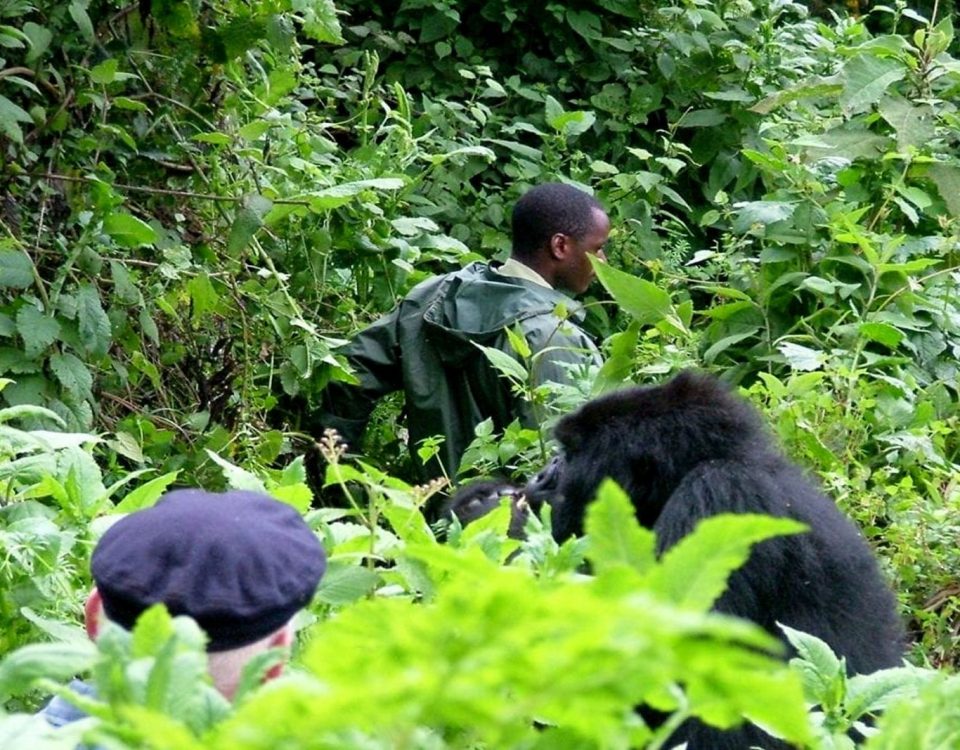
- Bwindi Impenetrable Forest, Uganda: The largest gorilla population, home to over 400 individuals across 19 habituated families. Four trekking sectors: Buhoma, Ruhija, Rushaga, and Nkuringo.
- Virunga Massif: Shared between Uganda (Mgahinga), Rwanda (Volcanoes National Park), and the DRC (Virunga National Park). Home to around 600 gorillas across the six volcanic mountains.
Gorilla Trekking Permits — Uganda vs Rwanda
Both Uganda and Rwanda offer outstanding gorilla trekking experiences with important differences:
- Uganda (USD 800): More affordable permit. Greater number of habituated families and sectors. Bwindi terrain is more challenging but offers more choice. Also offers the Gorilla Habituation Experience (USD 1,500).
- Rwanda (USD 1,500): Higher permit cost but closer to Kigali airport (2.5 hours). More developed luxury lodge sector. Smaller park but highly managed experience with reliable gorilla sightings.
Recommended Tours: 4 Days Bwindi Gorilla Trekking Safari | 4 Days Rwanda Gorilla Trekking Safari