Can I Climb Kilimanjaro Without Experience?
Mount Kilimanjaro, you should Climb smartly prepared, Africa’s highest peak and the world’s tallest free-standing mountain, stands at an impressive 5,895 meters (19,341 feet) above sea level. Every year, thousands of adventurers from around the globe set out to conquer this iconic summit. But for many, a pressing question lingers: Can I climb Kilimanjaro without experience?
The short answer is yes, but with important caveats. While Kilimanjaro does not require technical climbing skills like Mount Everest or other high-altitude peaks, it is far from a simple hike. Success depends on physical fitness, mental preparation, proper acclimatization, and choosing the right route and support team. In this comprehensive guide, we’ll explore what it takes to summit Kilimanjaro as a beginner, the challenges you may face, and how to maximize your chances of success.
Understanding Kilimanjaro: A Non-Technical But Demanding Climb
Unlike many other high-altitude mountains, Kilimanjaro does not require ropes, ice axes, or advanced mountaineering techniques. This makes it accessible to those without prior climbing experience. However, it is still an extreme physical challenge due to:
- Altitude: The biggest obstacle is altitude sickness (Acute Mountain Sickness or AMS), which can affect anyone, regardless of fitness level.
- Endurance: Summit night involves a grueling 6-8 hour ascent in freezing temperatures, often with less than 50% oxygen at sea level.
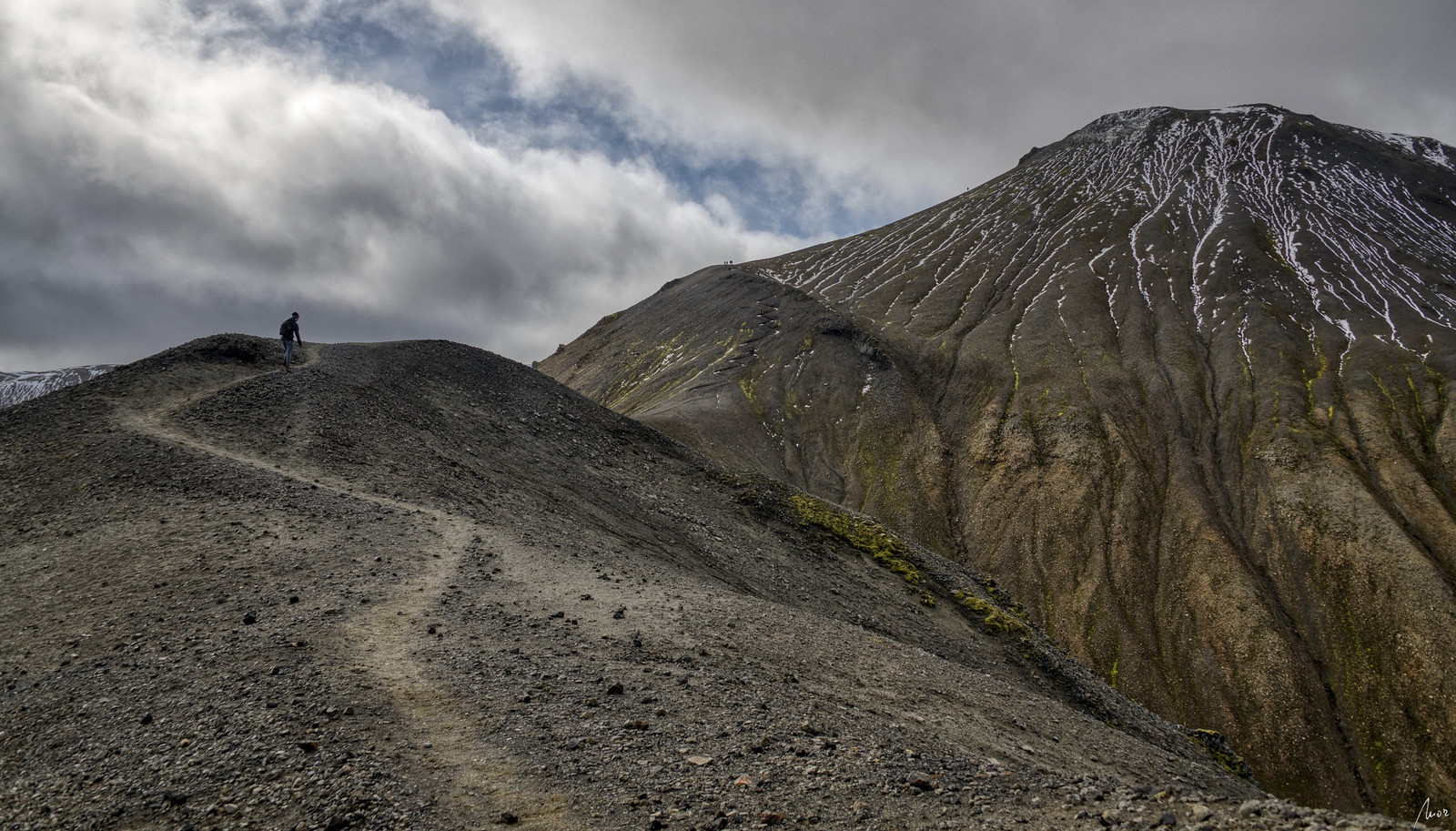
- Terrain: While not technical, the trails can be steep, rocky, and unpredictable, requiring stamina and balance.
Physical Fitness on Climb smartly prepared: Do You Need to Be an Athlete?
You don’t need to be an elite athlete to climb Kilimanjaro, but you must be in good physical condition. The climb involves:
- Long hiking days (5-7 hours on average)
- Steep ascents and descents
- Carrying a daypack (unless you hire a porter)
Recommended Training:
- Cardio: Running, cycling, or swimming to build endurance.
- Hiking: Practice with weighted backpacks on hills or stairs.
- Strength Training: Focus on legs, core, and back muscles.
If you can comfortably hike for 6+ hours with elevation gain, you’re on the right track.
Mental Preparation: The Hidden Challenge
Many underestimate the mental toll of Climb smartly prepared. Symptoms like fatigue, headaches, and nausea can make even strong hikers question their resolve. Key mental strategies include:
- Pacing Yourself: Slow and steady wins the race (“Pole Pole” in Swahili).
- Staying Positive: Summit night is a mental battle as much as a physical one.
- Accepting Discomfort: Cold, exhaustion, and altitude are inevitable.

Choosing the Right Route for Beginners in Climb smartly prepared
Not all Kilimanjaro routes are equal. Some are steeper, while others offer better acclimatization. The best routes for beginners are:
- Machame Route (7 days) – Known as the “Whiskey Route,” it has a high success rate due to better acclimatization.
- Lemosho Route (8 days) – Scenic and less crowded, with a gradual ascent.
- Rongai Route (6-7 days) – Gentler incline but shorter acclimatization time.
Avoid the Marangu Route (often called the “Coca-Cola Route”) unless you’re on a tight budget—it has the lowest success rate due to poor acclimatization.
The Importance of Acclimatization
Altitude sickness is the #1 reason climbers fail. Symptoms include:
- Headaches
- Nausea
- Dizziness
- Fatigue
How to Reduce Risk:
- Choose a longer route (7-9 days) for better acclimatization.
- Climb high, sleep low (some routes incorporate this strategy).
- Stay hydrated (3-4 liters of water daily).
- Listen to your body—descend if symptoms worsen.
Gear: What You Need (and What You Don’t)
Packing the right gear is crucial. Essential items include:
- Layered clothing (temperatures range from hot to below freezing).
- Quality hiking boots (broken-in to prevent blisters).
- Sleeping bag (rated for -10°C / 14°F or lower).
- Trekking poles (reduce knee strain on descents).
Many tour operators provide gear lists, and renting equipment in Tanzania is an option.
Hiring a Guide: Is It Mandatory?
Since 1991, climbing Kilimanjaro without a guide is illegal. You must book through a licensed tour operator. A good guide will:
- Monitor your health for altitude sickness.
- Set a sustainable pace.
- Provide motivation during tough stretches.
Choosing a Reputable Operator:
- Look for KPAP-certified companies (they treat porters ethically).
- Check reviews on TripAdvisor or Trustpilot.
- Avoid the cheapest options—safety should be the priority.
Success Rates: How Many People Make It?
Overall, only about 65% of climbers reach Uhuru Peak. However, success rates improve with:
- Longer routes (7+ days).
- Good fitness and preparation.
- Experienced guides.
Real Stories: Beginners Who Summited
Many first-time climbers have successfully reached the summit. Common traits among them include:
- Consistent training before the climb.
- Mental resilience (not giving up when it gets tough).
- Choosing the right route and guide.
When Should You Not Attempt Kilimanjaro?
While many beginners succeed, some should reconsider if they:
- Have severe heart or lung conditions.
- Struggle with chronic altitude sickness.
- Are unable to train adequately beforehand.
Consult a doctor before attempting the climb if you have health concerns.
Final Verdict: Yes, You Can—But Preparation Is Key
So, can you climb Kilimanjaro without experience? Absolutely—but success depends on:
- Physical fitness (train for endurance).
- Mental toughness (prepare for discomfort).
- Route selection (opt for 7+ days).
- A reliable guide (safety first).
Kilimanjaro is a life-changing adventure, and with the right approach, even beginners can stand on the “Roof of Africa.” Start training, plan wisely, and embrace the challenge—it will be worth every step.