Mida Creek Watamu
February 18, 2025
Manguo swamp Kenya
February 19, 2025


Lamu Island
Off the northern coast of Kenya, where the Indian Ocean shifts between turquoise and deep sapphire, lies a place where time seems to slow to the rhythm of the tides—Lamu Island. Part of the Lamu Archipelago, this UNESCO World Heritage Site is one of the oldest and best-preserved Swahili settlements in East Africa. Its narrow alleyways, coral-stone houses, carved wooden doors, and dhows gliding across the water create a setting that feels suspended between centuries.Lamu is not a destination defined by speed or spectacle. It is a place of texture and detail, of quiet conversations carried on sea breezes, of history layered into whitewashed walls. The absence of cars, replaced by donkeys and wooden boats, reinforces the island’s enduring connection to tradition.To arrive in Lamu is to step into a living cultural landscape shaped by trade, faith, and the steady pulse of the ocean.



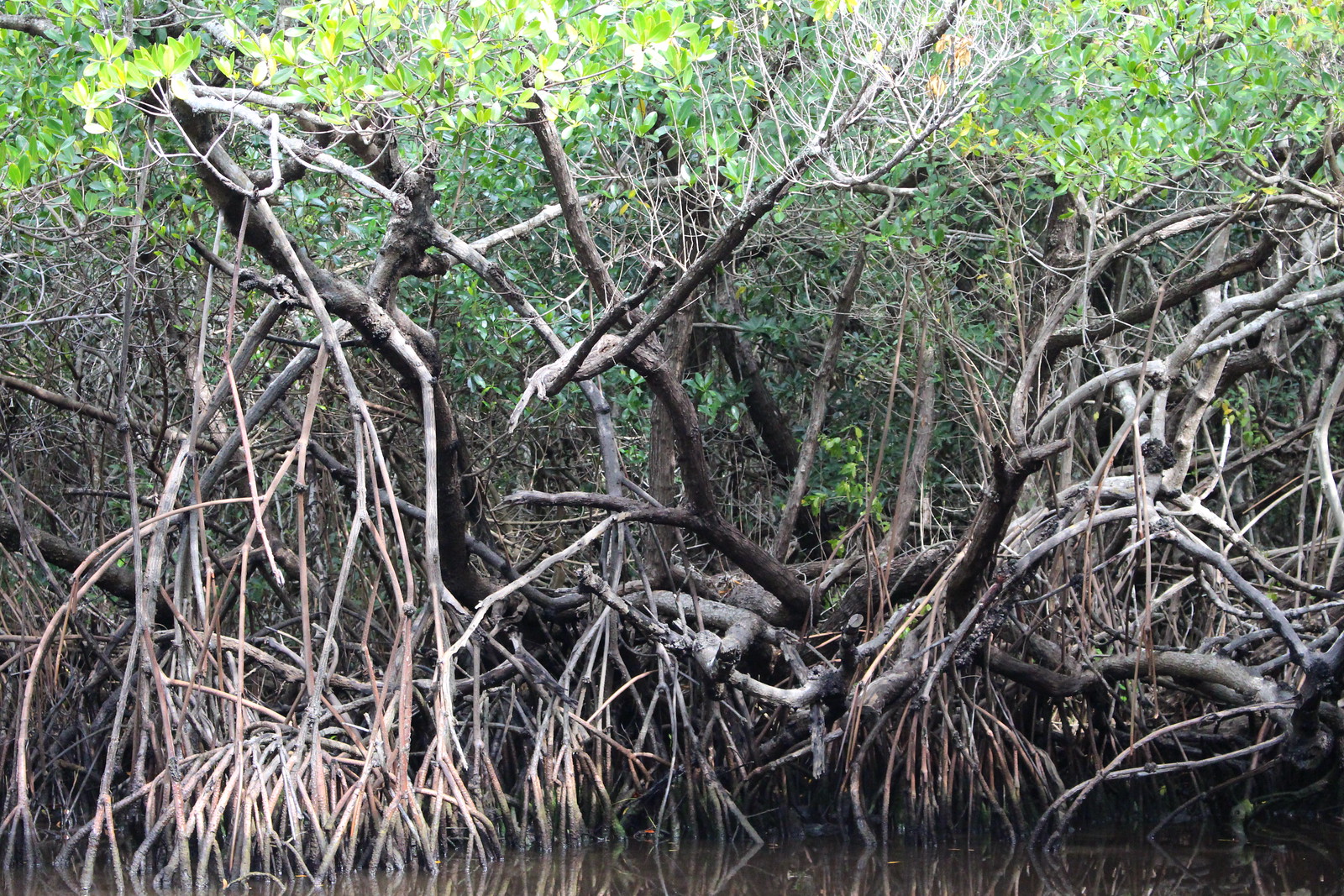
Attractions In Rwanda
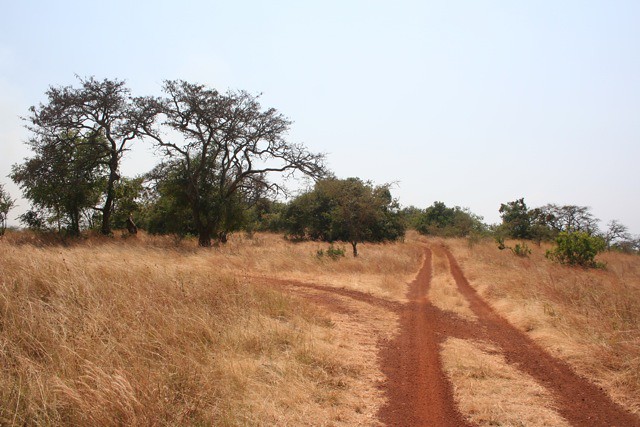
Attractions In Tanzania
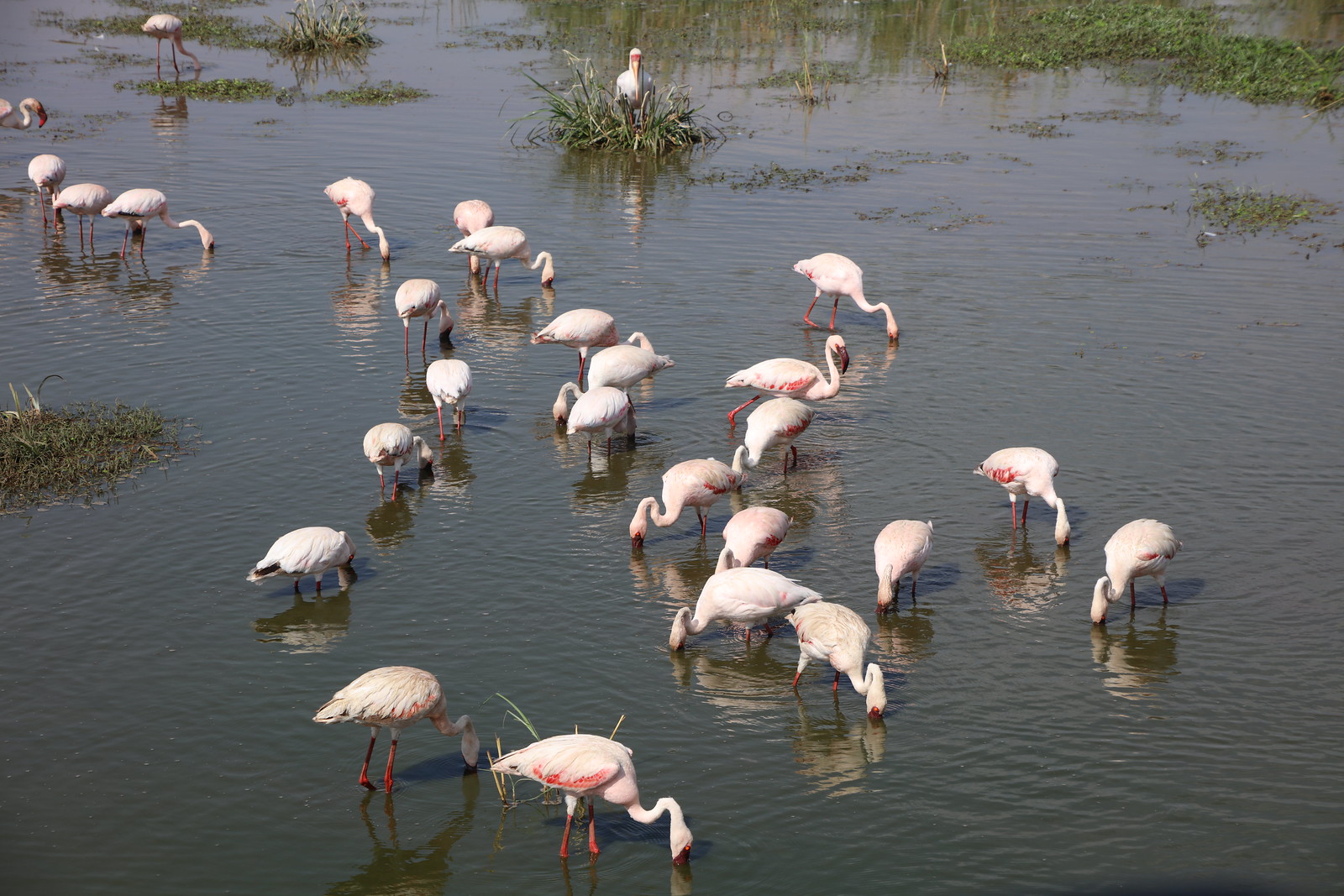
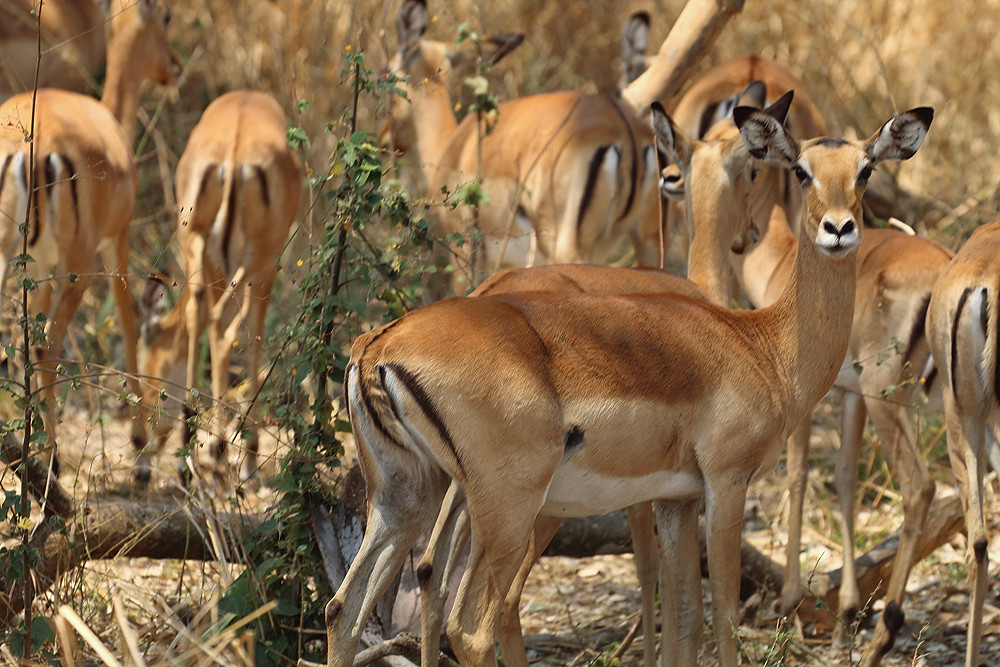
Uganda Gorilla Trekking Experience
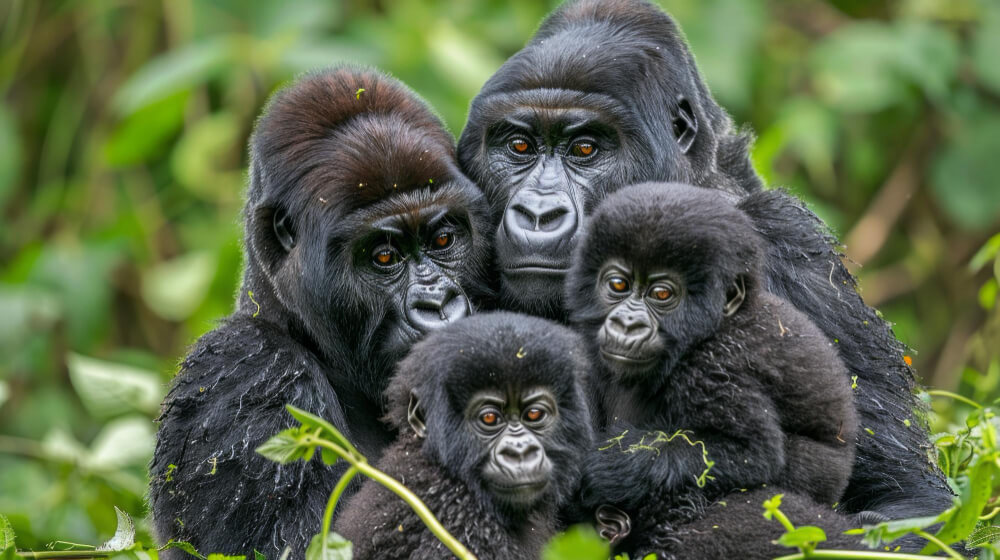
Discover Uganda’s gorilla trekking experience where misty rainforests shelter mountain gorillas, ancient trails wind through Bwindi’s depths, and every step brings you closer to one of Africa’s most profound wildlife encounters, blending raw nature, conservation, and lasting memories.
Lamu Island: National Parks and Protected Areas
Off the northern coast of Kenya, where the Indian Ocean shifts between turquoise and deep sapphire, lies a place where time seems to slow to the rhythm of the tides—Lamu Island. Part of the Lamu Archipelago, this UNESCO World Heritage Site is one of the oldest and best-preserved Swahili settlements in East Africa. Its narrow alleyways, coral-stone houses, carved wooden doors, and dhows gliding across the water create a setting that feels suspended between centuries.
Lamu is not a destination defined by speed or spectacle. It is a place of texture and detail, of quiet conversations carried on sea breezes, of history layered into whitewashed walls. The absence of cars, replaced by donkeys and wooden boats, reinforces the island’s enduring connection to tradition.
To arrive in Lamu is to step into a living cultural landscape shaped by trade, faith, and the steady pulse of the ocean.
A History Carved in Coral Stone
Lamu Town, the island’s heart, dates back to at least the 12th century. For centuries, it served as a vital trading port linking Africa, Arabia, India, and beyond. Merchants exchanged ivory, spices, textiles, and precious goods along monsoon-driven sea routes that connected distant civilizations.
The influence of these interactions is visible in Lamu’s architecture and culture. Houses are built from coral stone and mangrove timber, designed to remain cool in the coastal heat. Intricately carved wooden doors mark entrances to family homes, each pattern reflecting craftsmanship passed down through generations.
Walking through the town’s labyrinthine streets feels like exploring a historical manuscript written in stone. Mosques punctuate the skyline, their minarets rising gently above clustered rooftops. The call to prayer echoes through alleyways five times a day, grounding daily life in spiritual rhythm.
Despite its long history, Lamu is not a museum. Families continue to inhabit centuries-old houses, fishermen mend nets near the shoreline, and children play beneath archways worn smooth by time.
Life Without Cars
One of Lamu’s most distinctive features is the absence of motor vehicles. The streets are too narrow for cars, and the island’s way of life has evolved without them. Transportation relies primarily on donkeys and dhows.
Donkeys carry goods through winding alleys, their hooves clicking softly against stone. They are essential to the island’s daily function, and their presence adds a unique charm to the environment.
Out on the water, traditional wooden dhows glide gracefully across the ocean. These sailing vessels, powered by triangular lateen sails, have navigated the Indian Ocean for centuries. Watching a dhow drift at sunset is one of Lamu’s most iconic scenes—a silhouette against molten orange skies.
The absence of engines creates an atmosphere of calm. Movement happens at a human pace, encouraging visitors to slow down and absorb their surroundings.
Shela Village and Endless Beaches
While Lamu Town embodies cultural heritage, the nearby village of Shela offers open horizons and tranquil beaches. Located on the southeastern tip of the island, Shela is known for its expansive stretch of white sand that curves gently along the coastline.
The beach here feels almost untouched. The sand is fine and pale, meeting warm, clear waters ideal for swimming and wading. During low tide, the ocean recedes to reveal rippled sandbanks that stretch far into the distance.
Sunrises in Shela are particularly breathtaking. The horizon glows softly before the sun rises over the Indian Ocean, casting long shadows across the beach. Evenings bring cool breezes and pastel skies, as dhows return from fishing trips.
Shela’s architecture mirrors that of Lamu Town but with a quieter, more secluded atmosphere. Rooftop terraces overlook the sea, providing perfect vantage points for watching the tides change.
Swahili Culture and Cuisine
Lamu’s identity is deeply rooted in Swahili culture—a blend of African, Arab, and Persian influences shaped by centuries of maritime trade. This cultural fusion is reflected in language, dress, architecture, and especially cuisine.
Meals in Lamu are rich in spice and tradition. Coconut milk forms the base of many dishes, lending creamy depth to curries and rice preparations. Fresh seafood—snapper, lobster, octopus—is abundant and often prepared with aromatic blends of cardamom, cinnamon, cloves, and turmeric.
Street vendors sell samosas and sweet mandazi, while local markets overflow with tropical fruits and fragrant herbs. Eating in Lamu is both a sensory and communal experience, often enjoyed slowly in open courtyards or by the sea.
The island also hosts the annual Lamu Cultural Festival, celebrating Swahili heritage through poetry, dhow races, donkey competitions, and traditional music. The event draws visitors eager to witness authentic coastal traditions still vibrantly alive.
The Rhythm of the Ocean
The Indian Ocean defines life on Lamu Island. Fishing remains central to local livelihoods, and the daily tide shapes schedules and routines.
Snorkeling and dhow excursions allow visitors to explore the surrounding waters, where coral reefs shelter colorful marine life. The Lamu Archipelago includes smaller islands such as Manda and Kiwayu, each offering its own secluded beauty.
Sailing at sunset aboard a traditional dhow is one of Lamu’s most memorable experiences. As the sail catches the wind and the boat moves silently across the water, the horizon glows with shifting colors—gold, rose, indigo.
The sea here is not just a backdrop; it is the island’s lifeblood, its history, and its enduring companion.
Spiritual and Architectural Heritage
Lamu is home to some of the oldest mosques in East Africa, reflecting the island’s Islamic heritage. The Riyadha Mosque, founded in the late 19th century, stands as a spiritual and educational center. Religious scholarship and Quranic studies have long been part of the island’s intellectual tradition.
Architecturally, Lamu’s homes are designed for both beauty and climate adaptation. Inner courtyards provide ventilation, while thick coral walls insulate interiors from heat. Wooden balconies and rooftop terraces offer views over rooftops toward the sea.
The Lamu Museum and Swahili House Museum provide insight into the island’s history and traditional domestic life, preserving stories that span generations.
Best Time to Visit
Lamu Island enjoys a warm, tropical climate throughout the year. The dry seasons—from December to March and July to October—are generally considered ideal for beach activities and exploration.
During the long rains, typically April to June, the island becomes quieter and greener, with fewer visitors. Even then, Lamu retains its charm, and the ocean remains inviting.
Festivals, particularly the Lamu Cultural Festival and Maulidi celebrations, offer unique opportunities to witness the island’s vibrant traditions.
The Essence of Lamu
Lamu Island does not compete with bustling coastal resorts or fast-paced cities. Its beauty lies in authenticity and preservation. It is found in carved doorways weathered by salt air, in the call to prayer drifting across rooftops, in the gentle sway of palm trees against open sky.Time in Lamu stretches and softens. Days are measured by tides rather than clocks, by sunlight shifting across stone walls, by the steady rhythm of footsteps through narrow streets.For travelers seeking more than scenery—those yearning for history, culture, and tranquility—Lamu Island offers a rare sanctuary. It is a place where centuries coexist, where tradition shapes daily life, and where the ocean continues its eternal conversation with the shore.In Lamu, the past is not distant. It is present in every doorway, every sail, every breeze that carries whispers of journeys long ago.
Our Recommended Tour Ideas
Please the content should be 130 characters.
Please the content should be 130 characters.

12 days combining gorilla trekking, primate tracking, Big Five safaris, and diverse East Africa wildlife experiences.

Please the content should be 130 characters.

Please the content should be 130 characters.
Please the content should be 130 characters.
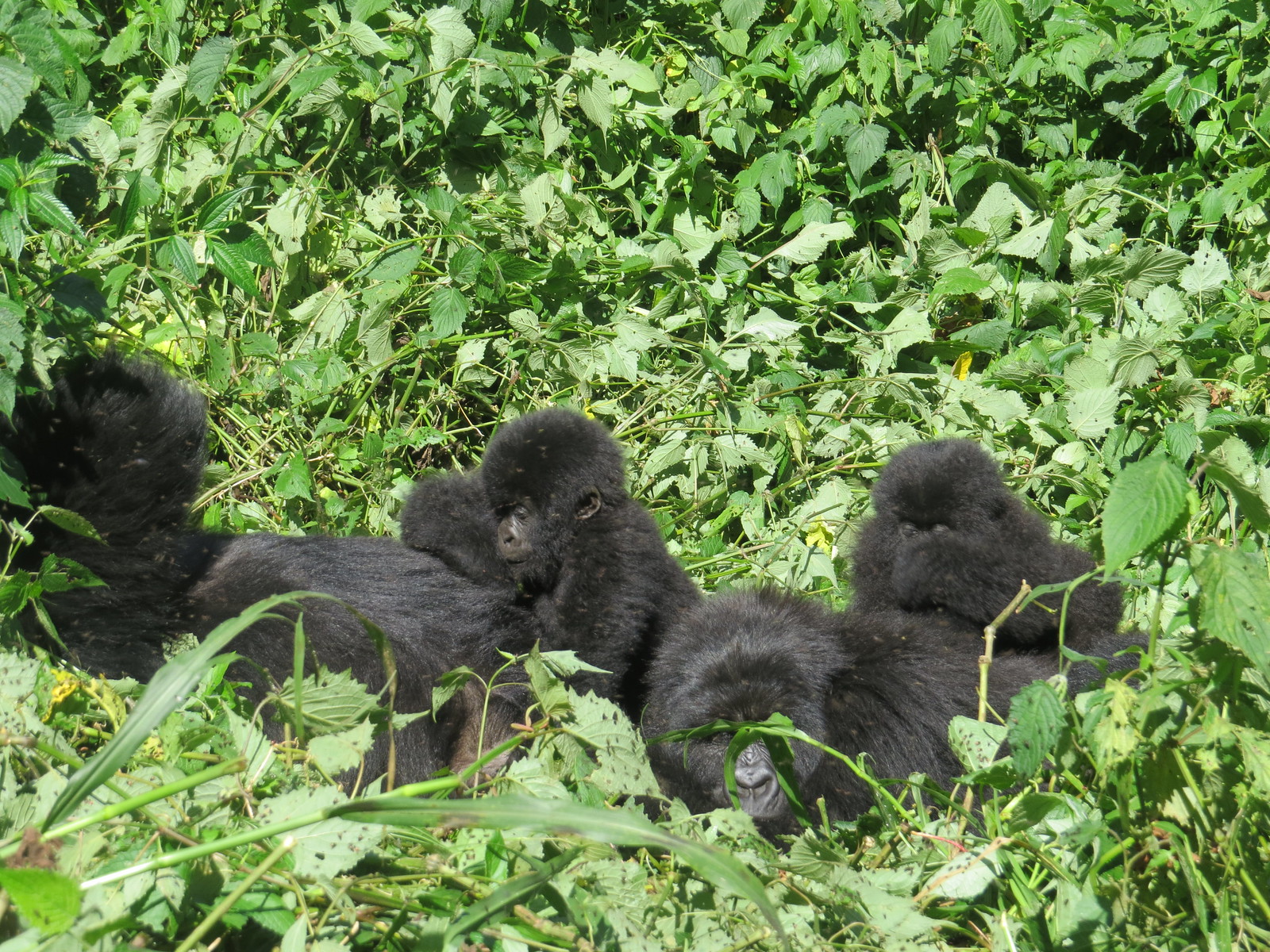
3 days in Virunga trekking mountain gorillas through volcanic forests and experiencing raw DR Congo wilderness.

Please the content should be 110 characters.
Please the content should be 130 characters.
What Our Travelers Enjoyed About Primate Safaris

Gorillas "Silverback"
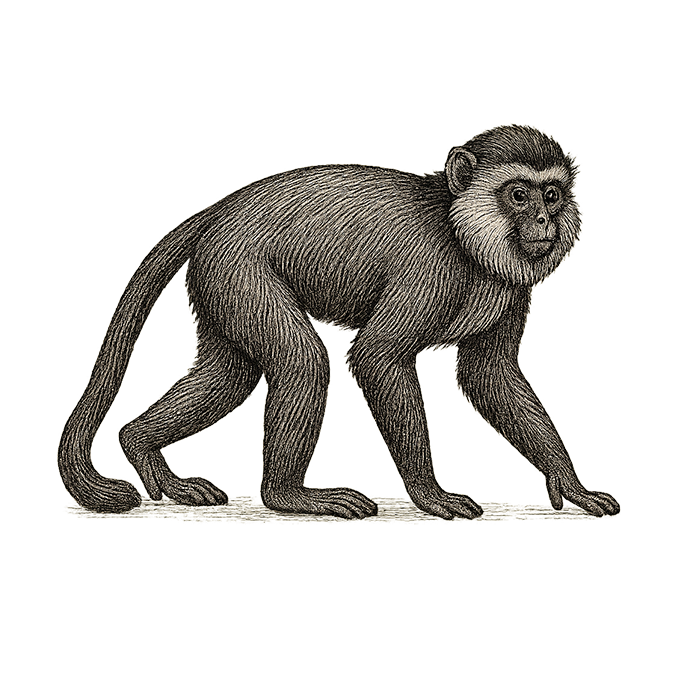
Golden Monkey "Photogenic"

Chimpanzees "Pant-hoot"