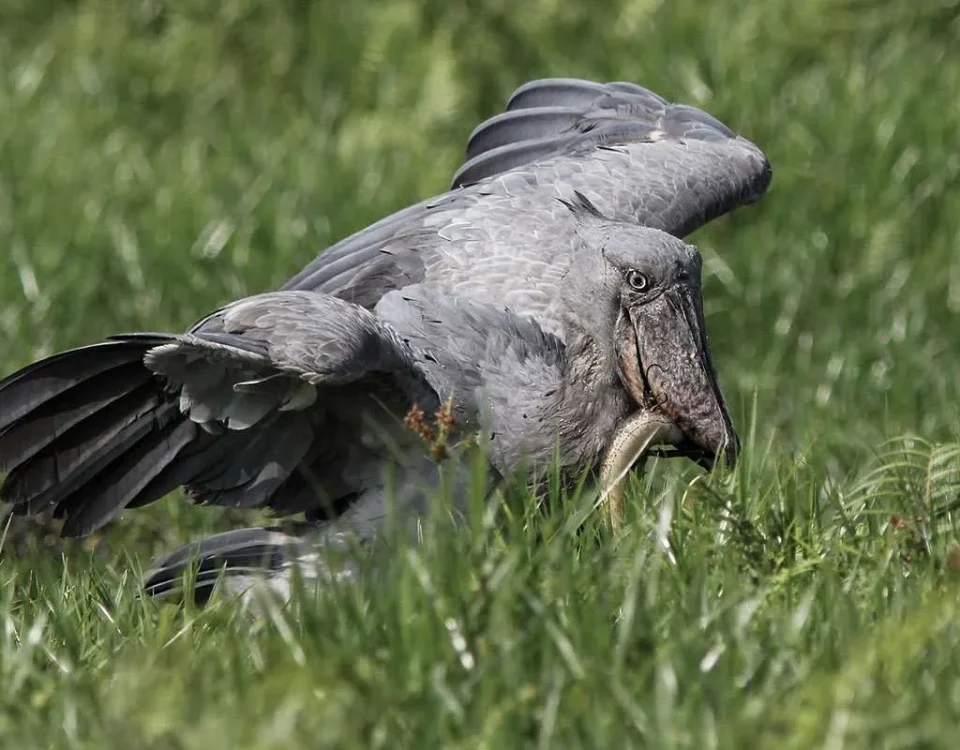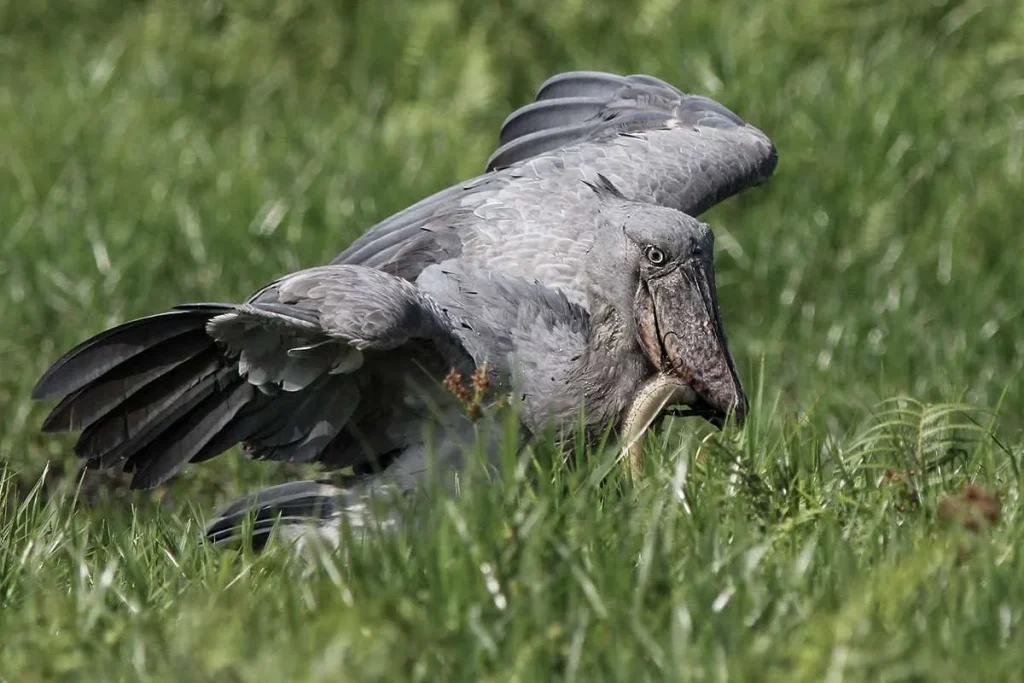

In this guide, we’ll explore the best places to see shoebill storks , the conservation efforts protecting them, and the profound inspiration they offer to those who seek them. Whether you’re an avid birder or simply drawn to nature’s mysteries, the quest to find the shoebill stork is a transformative experience.
Why the Shoebill Stork Captivates the World
Before diving into where to find them, it’s essential to understand why the shoebill stork holds such allure.
-
Prehistoric Majesty: Often called a “living dinosaur,” the shoebill stork resembles birds from millions of years ago, making it a living relic of evolution.
-
Unique Hunting Style: With incredible patience, it stands motionless for hours before striking with lightning speed to catch fish, lungfish, and even small crocodiles.
-
Elusive Nature: Found only in remote swamps, spotting a shoebill stork requires dedication, making each sighting a rare privilege.
This bird is not just a wildlife spectacle—it’s a symbol of resilience, patience, and the untamed beauty of nature.
Best Places to See Shoebill Storks in the Wild
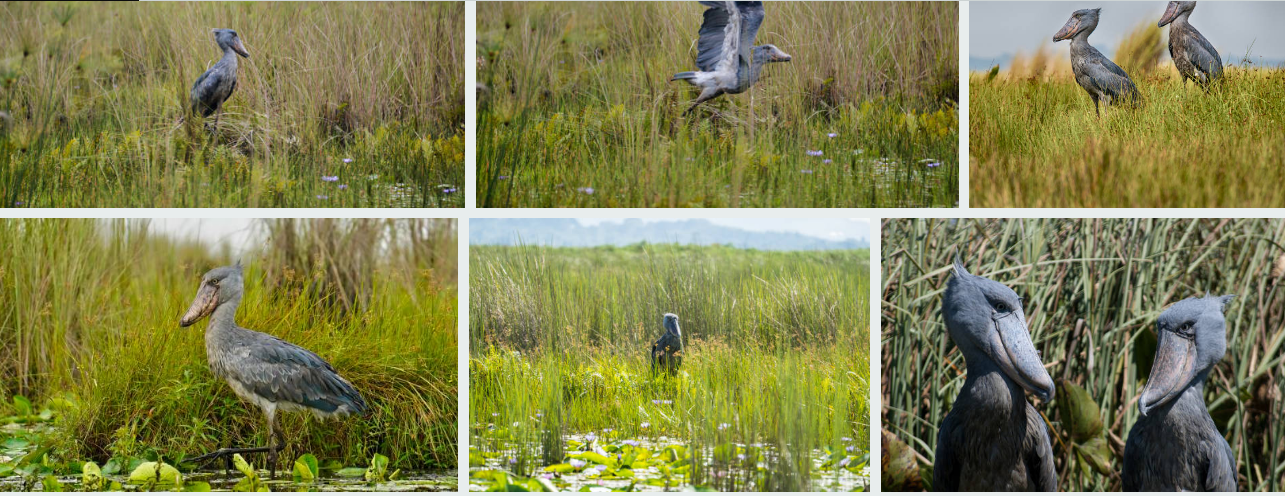
If you’re ready to embark on a journey to witness the shoebill stork, here are the top destinations where you can find them:
1. Uganda: The Shoebill Capital of the World
Uganda is arguably the best place to see shoebill storks, thanks to its accessible wetlands and conservation efforts.
-
Mabamba Swamp (Near Entebbe): A UNESCO-recognized wetland, Mabamba offers boat tours where you can glide through papyrus reeds to spot these giants. Local guides are experts at tracking them.
-
Ziwa Rhino Sanctuary: While known for rhinos, this sanctuary also has a thriving shoebill stork population in its wetlands.
-
Lake Albert Delta: A more remote location, perfect for those seeking an off-the-beaten-path adventure.
2. Tanzania: The Hidden Wetlands of the South
Tanzania’s vast wetlands provide a sanctuary for shoebill storks, though sightings require more effort.
-
Malagarasi Wetlands: One of the largest wetland systems in East Africa, home to a healthy shoebill stork population.
-
Rukwa Valley: A lesser-known gem where these birds thrive in secluded marshes.
3. Zambia: The Untamed Bangweulu Wetlands
Zambia’s Bangweulu Wetlands, meaning “where the water meets the sky,” is a dream destination for shoebill stork sightings.
-
Bangweulu Swamps: A community-managed conservation area where local fishermen help guide visitors to prime viewing spots.
-
Kasanka National Park: While smaller in numbers, occasional sightings occur here during certain seasons.
4. Rwanda: The Emerging Eco-Tourism Hotspot
Rwanda, famous for gorilla trekking, is also becoming a destination for shoebill stork enthusiasts.
-
Rugezi Marsh: A high-altitude wetland where these birds have been spotted, offering a unique contrast to typical swamp habitats.
-
Akagera National Park: While primarily a savannah park, its wetlands occasionally host shoebill storks.
5. Democratic Republic of Congo (DRC): For the Intrepid Explorer
The DRC’s vast and remote wetlands are a stronghold for shoebill storks, though travel here requires careful planning due to political instability.
-
Lomako-Yokokala Faunal Reserve: A biodiversity hotspot where shoebill storks roam freely in untouched swamps.
The Conservation Story: Protecting the Shoebill Stork
The shoebill stork is classified as Vulnerable by the IUCN, with only 5,000–8,000 individuals remaining in the wild. Habitat destruction, hunting, and climate change threaten their survival. However, hope persists through:
-
Community-Based Ecotourism: In Uganda and Zambia, local communities benefit from shoebill stork tourism, incentivizing conservation.
-
Wetland Protection Programs: Organizations like the Shoebill Conservation Project work to preserve critical habitats.
-
Research and Awareness: Scientists track populations to better understand their needs, while documentaries (like BBC’s “Africa”) highlight their plight.
By visiting these regions responsibly, travelers contribute to the preservation of this magnificent species.
The Deeper Lesson: What the Shoebill Stork Teaches Us
Beyond being a wildlife spectacle, the shoebill stork offers profound life lessons:
1. Patience Leads to Success
The shoebill stork waits silently for hours before striking its prey. Similarly, in life, patience and persistence often yield the greatest rewards.
2. Embrace Your Uniqueness
With its bizarre appearance, the shoebill stork stands out unapologetically. It reminds us to celebrate our individuality rather than conforming to expectations.
3. Resilience in Solitude
Thriving in isolated swamps, the shoebill stork demonstrates that solitude can be a strength. Sometimes, stepping away from the crowd is necessary for growth.
4. The Beauty of the Unknown
Much of the shoebill stork’s life remains a mystery, reminding us that nature still holds secrets worth protecting and exploring.
How to Plan Your Shoebill Stork Adventure
If you’re inspired to see a shoebill stork in the wild, here’s how to prepare:
-
Choose the Right Season: The dry season (June–September) is ideal, as water levels recede, making the birds easier to spot.
-
Hire Local Guides: Expert trackers know the best spots and increase your chances of a sighting.
-
Pack Appropriately: Bring binoculars, a good camera, waterproof gear, and patience!
-
Travel Responsibly: Support eco-friendly lodges and follow ethical wildlife viewing practices.
A Call to Adventure and Conservation
The quest to see a shoebill stork is more than a birdwatching trip—it’s a pilgrimage into the heart of Africa’s wild soul. It’s a reminder that our planet still harbors wonders beyond imagination, waiting for those willing to seek them.
As you stand in a quiet swamp at dawn, watching a shoebill stork emerge from the mist, you’ll feel a connection to something ancient and eternal. And perhaps, like this remarkable bird, you’ll leave with a renewed sense of purpose—to protect, to explore, and to embrace the extraordinary.
So, where will you go to see the shoebill stork? The adventure begins the moment you decide to seek it.