Kenyan Food Culture: Nyama Choma, Ugali and More (2026 Guide)
Kenyan food culture is one of the most diverse and socially rooted culinary traditions in East Africa. It reflects a blend of indigenous practices, agricultural abundance, coastal Swahili influences, and modern urban dining trends. Across the country—from Nairobi’s bustling restaurants to rural homesteads and coastal kitchens—food is not just nourishment. It is identity, celebration, and community connection.
At the heart of this food culture are a few iconic staples: nyama choma (grilled meat), ugali (maize meal), and a wide range of stews, vegetables, and coastal spice-based dishes that define everyday eating in Kenya.
This guide explores the core of Kenyan cuisine, regional influences, street food culture, and where these dishes fit into daily life.
The Heart of Kenyan Cuisine: Nyama Choma
Nyama choma is widely regarded as Kenya’s national social food. The term literally means “grilled meat” in Swahili, and it is most commonly made from goat or beef, slow-roasted over open charcoal fires.
What makes nyama choma culturally important is not just the food itself, but the experience around it. It is typically eaten in groups, often accompanied by friends, family, or colleagues in informal social settings such as outdoor grills, roadside joints, or local restaurants.
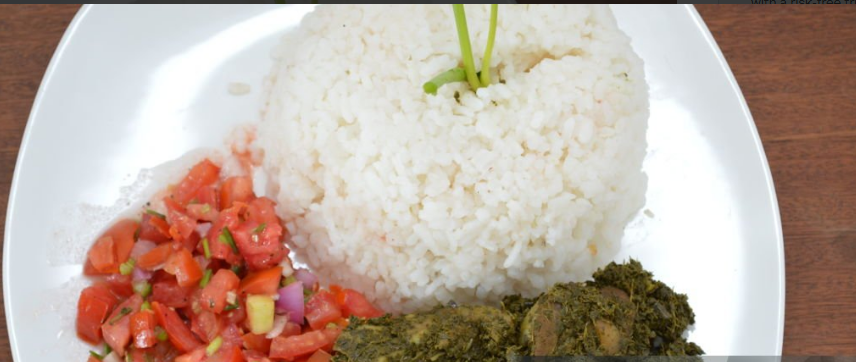
The meat is usually served in large chunks and eaten by hand, often paired with kachumbari (a fresh tomato and onion salad) and ugali. Beer or soft drinks commonly accompany the meal, especially in urban settings.
In Kenyan culture, nyama choma is closely associated with weekends, celebrations, and social bonding. It is not fast food; it is a slow, communal experience.
Ugali: The Everyday Staple of Kenya
Ugali is the foundation of Kenyan meals. It is a stiff maize flour porridge cooked with water until it forms a dense, dough-like consistency.
It is eaten across nearly all regions and socioeconomic groups, making it one of the most unifying foods in the country. Ugali is typically served with vegetables, meat stews, fish, or legumes.
In rural areas, ugali is often eaten twice or even three times a day. In urban environments, it remains a key part of lunch and dinner menus in homes and local eateries.
The cultural importance of ugali lies in its simplicity and versatility. It acts as a base that absorbs flavors from accompanying dishes, making it both filling and adaptable.
Coastal Influence: Swahili Cuisine and Spices
Kenya’s coastal region, influenced by centuries of trade across the Indian Ocean, has developed a distinct culinary identity known as Swahili cuisine.
This food culture features coconut-based curries, aromatic rice dishes, and heavy use of spices such as cardamom, cloves, cinnamon, and turmeric.
Popular coastal dishes include pilau rice, biryani, samaki wa kupaka (fish in coconut sauce), and viazi karai (spiced fried potatoes). These dishes reflect a fusion of African, Arab, and Indian culinary traditions.
Cities like Mombasa and Lamu are central to this cuisine, where street food and home cooking often share the same spice-driven foundation.
Vegetables, Stews, and Everyday Home Cooking
Beyond nyama choma and ugali, Kenyan home cuisine includes a wide variety of vegetables, legumes, and stews.
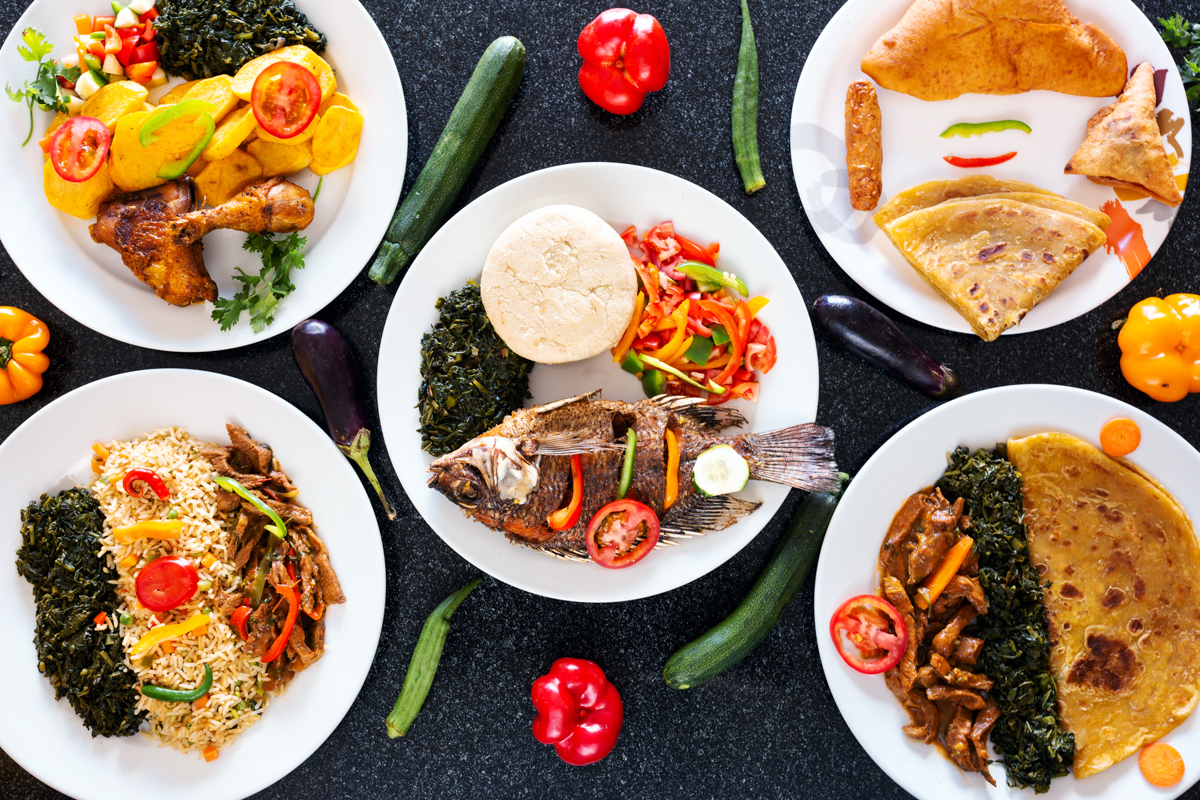
Common vegetables include sukuma wiki (collard greens), spinach, and cabbage. These are often cooked with onions, tomatoes, and small amounts of oil to create simple but nutritious dishes.
Beans, lentils, and peas are widely consumed protein sources, especially in rural and lower-income households. These are typically stewed and served with ugali or rice.
Chicken and beef stews are also common, often slow-cooked with tomatoes, onions, and spices. In many households, meat is not eaten daily but reserved for special occasions or weekends.
Street Food Culture in Kenya
Street food plays a major role in urban Kenyan food culture, especially in cities such as Nairobi and Mombasa.
Common street foods include roasted maize, smokies (sausages), boiled eggs, mandazi (sweet fried dough), and samosas. These foods are affordable, quick, and widely available throughout the day.
Roasted maize, often sold on charcoal grills along roadsides, is particularly popular and eaten with salt, chili, or lemon.
Street food culture is also highly social, with vendors often operating in busy markets, bus stations, and nightlife areas.
Breakfast Culture in Kenya
Breakfast in Kenya varies widely depending on region and lifestyle.
In many households, tea with milk and sugar is a daily staple. It is often accompanied by bread, chapati, mandazi, or leftover ugali from the previous night.
Urban breakfasts may include more diverse options such as eggs, sausages, and pastries, especially in hotels and restaurants.
Tea culture is particularly strong in Kenya, as the country is one of the world’s major tea producers. Kenyan tea is typically strong, milky, and sweet.
Regional Food Diversity
Kenya’s food culture is not uniform. It changes dramatically from one region to another depending on climate, agriculture, ethnic traditions, trade history, and access to lakes, coastlines, and grazing land. Understanding regional food diversity in Kenya is the key to understanding Kenyan cuisine as a whole, because what people eat in the highlands of Central Kenya is very different from what is eaten on the coast or around Lake Victoria.
This diversity is shaped by geography. Fertile highlands support maize, beans, potatoes, and vegetables. The coast brings coconut, rice, spices, and seafood. The lake region depends heavily on fish. Pastoral areas rely on milk and meat. Urban centers like Nairobi blend everything together into a modern, fast-evolving food scene.
Below is a detailed breakdown of Kenya’s major regional food systems and how they define everyday eating.
Central Kenya Food Culture
Central Kenya, largely inhabited by the Kikuyu community, has one of the most agriculturally productive food systems in the country. The region is dominated by fertile highlands where maize, beans, potatoes, bananas, and vegetables grow in abundance.
The foundation of meals in this region is ugali made from maize flour. It is usually paired with vegetables such as sukuma wiki (collard greens), cabbage, or spinach. Beans and lentils are also extremely common and are often cooked in tomato-based stews.
Potatoes and sweet potatoes are widely consumed, sometimes boiled, sometimes fried, and often eaten alongside vegetables or meat. In many households, meat is not an everyday food but is reserved for weekends or special occasions.
Tea culture is also very strong in Central Kenya, with milky sweet tea consumed daily, often accompanied by bread or mandazi.
The food culture here is simple, filling, and heavily dependent on farming cycles.
Western Kenya Food Culture
Western Kenya, especially areas around Lake Victoria, has a very different dietary pattern. This region is home to the Luo, Luhya, and other communities, and fish plays a central role in daily meals.
Tilapia and Nile perch from Lake Victoria are commonly eaten, often fried or stewed with onions, tomatoes, and spices. Fish is frequently served with ugali, making it one of the most iconic combinations in the region.
Vegetables such as kunde (cowpea leaves), osuga, and traditional greens are widely consumed. These are usually boiled or lightly sautéed and served as side dishes.
The Luhya community is also known for generous food portions and a strong tradition of communal eating. Meals often include a mix of ugali, vegetables, meat, and fish when available.
This region has a more protein-rich diet compared to central Kenya due to access to fish and livestock.
Coastal Kenya Food Culture
Coastal Kenya, influenced by centuries of trade across the Indian Ocean, has one of the most distinctive cuisines in East Africa. Cities like Mombasa and coastal towns such as Malindi and Lamu reflect strong Swahili, Arab, and Indian culinary influences.
Rice is a major staple here, unlike the maize-heavy diets of inland Kenya. It is often prepared as pilau or biryani, heavily spiced with cardamom, cloves, cinnamon, and cumin.
Coconut is widely used in cooking, especially in curries, seafood dishes, and vegetable stews. Fish, prawns, crab, and octopus are commonly eaten, often prepared in coconut-based sauces.
Popular dishes include samaki wa kupaka (fish in coconut sauce), biryani, pilau, viazi karai (spiced fried potatoes), and mahamri (sweet fried bread).
The food here is aromatic, spicy, and strongly influenced by Indian Ocean trade routes.
Street food culture is also very strong, with snacks like cassava crisps, roasted maize, and fried dough sold in busy markets and coastal streets.
Northern Kenya Food Culture
Northern Kenya is largely inhabited by pastoral communities such as the Turkana, Samburu, and Somali groups. The environment is semi-arid to arid, which strongly shapes the diet.
Livestock is central to food culture here, meaning milk, meat, and blood are traditional staples. Milk is often consumed fresh or fermented. Meat is usually from goats or camels and is eaten during special occasions or community gatherings.
Due to limited agriculture, vegetables and grains are less dominant compared to other regions. Instead, diets rely heavily on animal products.
Tea is also commonly consumed, often strong and sweetened, and sometimes mixed with milk for added nutrition.
Food in this region reflects survival, adaptation, and pastoral traditions rather than agricultural abundance.
Rift Valley Food Culture
The Rift Valley is one of Kenya’s most diverse regions, both ethnically and agriculturally. It supports farming, livestock keeping, and tourism economies.
Maize is a major staple here, and ugali is widely consumed. Vegetables, beans, and potatoes are common, especially in farming areas.
In higher altitude regions, dairy farming is significant, making milk an important part of daily diets. Tea farming is also prominent in parts of the Rift Valley, contributing to strong tea-drinking culture.
Meat consumption is also relatively high, especially among pastoral communities and in areas where livestock farming is common.
Food in the Rift Valley reflects a balance between agriculture and livestock production.
Kenyan Food Culture
Nairobi Urban Food Culture
Nairobi represents the fusion of all Kenyan regional cuisines. As a major urban center, it brings together food influences from across the country and beyond.
In Nairobi, you can find traditional Kenyan dishes like nyama choma and ugali alongside international fast food, Indian cuisine, Ethiopian restaurants, and modern fusion dining.
Street food is extremely popular, with vendors selling smokies, roasted maize, samosas, and mandazi throughout the city.
Nyama choma culture is especially strong in Nairobi, where social eateries known as “choma zones” serve grilled meat in lively, communal settings.
Urban food culture in Nairobi is fast-paced, diverse, and constantly evolving.
How Geography Shapes Kenyan Food
Kenya’s food diversity is deeply connected to geography. Fertile highlands support maize and vegetables. Coastal areas provide seafood and spices. Lake regions supply fish. Arid northern regions depend on livestock.
This means there is no single “Kenyan diet,” but rather multiple regional diets that reflect local ecosystems.
Climate also affects food preservation and cooking methods. For example, drying fish is common in lake regions, while smoking meat is more common in pastoral areas.
Modern Kenyan Food Trends
Urban areas have seen a rapid evolution in food culture. Nairobi, in particular, has developed a dynamic restaurant scene that blends traditional dishes with global cuisine.
Modern Kenyan restaurants often reinterpret classic dishes like nyama choma with gourmet presentation or fuse Ugandan, Ethiopian, and Indian influences into contemporary menus.
Fast food culture is also growing, but traditional foods remain dominant in everyday eating habits.
Social Meaning of Food in Kenya
Food in Kenya is deeply social. Meals are rarely just individual experiences; they are shared, communal, and often tied to conversation and relationship building.
Nyama choma gatherings are especially important socially, often acting as venues for business discussions, celebrations, and weekend relaxation.
Even in rural areas, food preparation and eating are community-centered activities, reinforcing social bonds.
Final Thoughts
Kenyan food culture is built on simplicity, diversity, and strong social connections. From the smoky flavor of nyama choma to the everyday reliability of ugali, and the spice-rich dishes of the coast, Kenyan cuisine reflects both tradition and adaptation.
What makes it unique is not only the food itself, but how it is eaten—together, slowly, and often with deep cultural meaning.
Whether in a rural village, a coastal town, or a busy Nairobi street, food in Kenya remains a powerful expression of identity, community, and heritage.
Recommended Tours: 8 Days Kenya Wildlife Safari | 4 Days Amboseli & Masai Mara