Explore Tanzania’s National Parks for Unforgettable Wildlife Encounters
Tanzania Wildlife Safari Adventures, a land of breathtaking landscapes and unparalleled wildlife, is a dream destination for nature enthusiasts and adventure seekers. Home to some of the most iconic national parks in Africa, Tanzania offers unforgettable wildlife encounters that will leave you in awe. From the vast savannahs of the Serengeti to the majestic heights of Mount Kilimanjaro, Tanzania’s national parks are a treasure trove of biodiversity and natural beauty. In this article, we’ll explore the must-visit national parks, the best ways to get around, the ideal time to visit, and accommodation options to suit every budget.
Must-Visit National Parks in Tanzania Wildlife Safari Adventures

- Serengeti National Park
The Serengeti is synonymous with African safaris. Known for the Great Migration, where millions of wildebeest, zebras, and gazelles traverse the plains in search of greener pastures, this park is a wildlife spectacle like no other. The Serengeti also boasts a high density of predators, including lions, cheetahs, and leopards, making it a prime destination for game viewing. - Ngorongoro Conservation Area
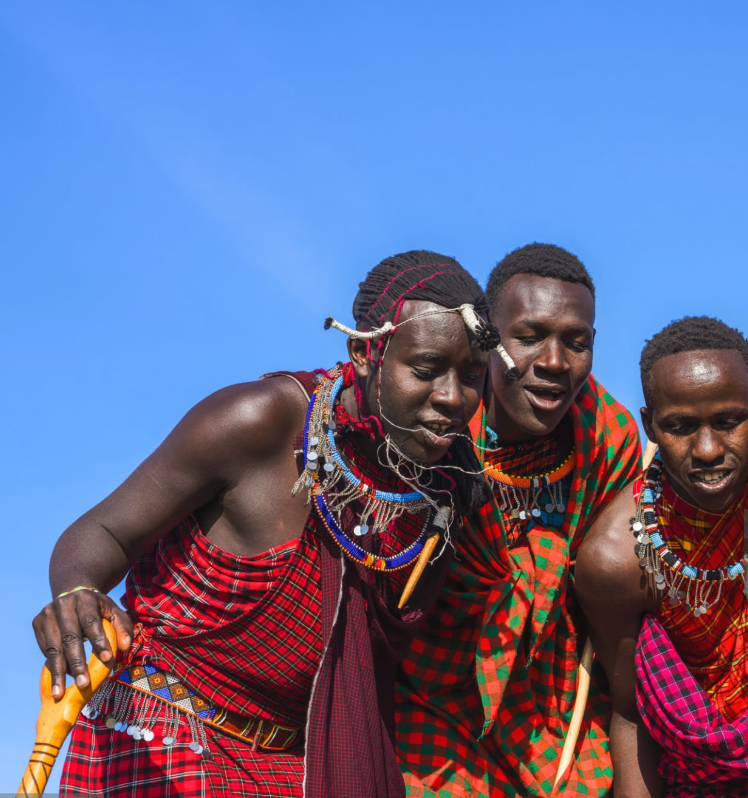
While not a national park in the traditional sense, the Ngorongoro Crater is a UNESCO World Heritage Site and one of Tanzania’s most iconic destinations. The crater is a natural amphitheater teeming with wildlife, including the Big Five (lion, leopard, elephant, buffalo, and rhino). The Maasai people also inhabit this area, offering a unique cultural experience. - Tarangire National Park
Famous for its large elephant herds and ancient baobab trees, Tarangire is a hidden gem. During the dry season, the Tarangire River attracts a plethora of wildlife, making it an excellent spot for game drives. The park is less crowded than the Serengeti, offering a more intimate safari experience. - Lake Manyara National Park
Nestled at the base of the Great Rift Valley, Lake Manyara is a compact park known for its tree-climbing lions, flamingos, and diverse birdlife. The park’s varied habitats, from alkaline lakes to dense forests, make it a unique destination for wildlife enthusiasts. - Selous Game Reserve
As one of the largest game reserves in Africa, Selous offers a more off-the-beaten-path safari experience. The Rufiji River runs through the reserve, providing opportunities for boat safaris, walking safaris, and traditional game drives. Selous is home to large populations of elephants, hippos, and wild dogs. - Ruaha National Park
Ruaha is Tanzania’s largest national park and a haven for predators. Its remote location ensures fewer tourists, allowing for a more exclusive safari experience. The Great Ruaha River is the lifeblood of the park, attracting elephants, lions, and a variety of bird species.
Transportation: Getting Around Tanzania Wildlife Safari Adventures
Tanzania’s national parks are well-connected, but the mode of transport depends on your budget and preferences.
- Domestic Flights
For those short on time, domestic flights are the most convenient way to travel between parks. Airlines like Coastal Aviation and Auric Air offer scheduled flights to major airstrips near the parks. This option is ideal for luxury travelers or those visiting remote parks like Selous and Ruaha. - Private Safari Vehicles
Renting a private 4×4 safari vehicle with a driver-guide is a popular choice for families or small groups. This option allows for flexibility in your itinerary and the freedom to explore at your own pace. Most safari companies offer customized packages that include transportation, accommodation, and park fees. - Group Safari Tours
Budget-conscious travelers can opt for group safari tours, which are more affordable and often include transportation in shared vehicles. These tours are a great way to meet like-minded travelers and are available in various durations, from 3-day trips to 10-day adventures. - Self-Drive Safaris
For the adventurous, self-drive safaris are an option in some parks, such as Tarangire and Lake Manyara. However, this requires careful planning, a reliable 4×4 vehicle, and a good understanding of the terrain.
Best Time to Explore Tanzania Wildlife Safari Adventures
The best time to visit Tanzania’s national parks depends on the wildlife experiences you’re seeking.
- Dry Season (June to October)
The dry season is considered the best time for wildlife viewing. Animals gather around water sources, making them easier to spot. This is also the time of the Great Migration in the Serengeti, a must-see event for any safari enthusiast. - Wet Season (November to May)
The wet season is ideal for birdwatching and enjoying lush, green landscapes. The calving season in the Serengeti (February to March) is a highlight, as predators are highly active. While some roads may be challenging to navigate, the parks are less crowded, and accommodation rates are lower.
Accommodation for Tanzania Wildlife Safari Adventures

Tanzania offers a wide range of accommodation options to suit every traveler’s needs.
- Budget Accommodation
- Public Campsites: Most national parks have public campsites with basic facilities like shared bathrooms and cooking areas. These are ideal for backpackers and budget travelers.
- Hostels and Guesthouses: In towns near the parks, such as Arusha and Moshi, you’ll find affordable hostels and guesthouses offering clean and comfortable stays.
- Mid-Range Accommodation
- Tented Camps: Mid-range tented camps offer a blend of comfort and adventure. These camps provide en-suite bathrooms, comfortable beds, and often include meals in their rates.
- Lodges: Many parks have mid-range lodges that offer comfortable rooms, swimming pools, and on-site restaurants. These are perfect for families and travelers seeking a balance between comfort and cost.
- Luxury Accommodation
- Luxury Lodges: Tanzania is home to some of the most luxurious safari lodges in Africa. Properties like Singita Grumeti and Four Seasons Safari Lodge offer opulent suites, gourmet dining, and exclusive game drives.
- Private Villas: For the ultimate indulgence, consider renting a private villa within a national park. These villas come with dedicated staff, private pools, and personalized safari experiences.
Tips for an Unforgettable Tanzania Wildlife Safari Adventures
- Pack Wisely: Bring lightweight, neutral-colored clothing, a good pair of binoculars, and a camera with a zoom lens.
- Respect Wildlife: Always follow your guide’s instructions and maintain a safe distance from animals.
- Stay Hydrated: The African sun can be intense, so drink plenty of water throughout the day.
- Book in Advance: Popular parks and lodges fill up quickly, especially during peak season, so book well in advance.
Tanzania’s national parks are a testament to the country’s rich natural heritage. Whether you’re witnessing the Great Migration, exploring the Ngorongoro Crater, or marveling at the baobabs of Tarangire, a safari in Tanzania promises memories that will last a lifetime. With a variety of transportation options, accommodation choices, and year-round wildlife experiences, Tanzania is a destination that caters to every traveler’s dreams. So pack your bags, grab your camera, and get ready for an adventure of a lifetime in the heart of Africa
Related reading: Top 10 Luxury Holiday Destinations and Lake Manyara National Park’s tourist attractions.
Ready to see it for yourself? Explore our Tanzania safari tours, including the 6 Days Tanzania Wildlife Safari itinerary, or get in touch with our safari experts to start planning your trip.
How to Prepare for Climbing Kilimanjaro
Preparing well is the single most important factor in successfully summiting Mount Kilimanjaro. Unlike technical mountaineering peaks, Kilimanjaro requires no ropes or climbing equipment – but it does demand cardiovascular fitness, mental resilience, and proper acclimatization. Start your preparation at least three months before your climb.
Begin with regular cardiovascular training including hiking, running, cycling, and stair climbing. Aim to hike with a loaded backpack on uneven terrain at least once a week. Strength training focusing on legs and core will help significantly on the steep sections, particularly the Barafu or Stella Point approaches to the summit.
Sleep at altitude before your climb if possible. Even a weekend at a mountain lodge at 3,000m will help your body begin to adapt. On the mountain, the golden rule is “pole pole” – slowly, slowly. Rushing is the most common cause of altitude sickness and failed summits.
Kilimanjaro Routes Compared
There are seven official routes up Kilimanjaro, each with different scenery, difficulty levels, and summit success rates. The most popular routes are:
- Machame Route (6-7 days): Known as the “Whiskey Route” for its challenging terrain, Machame is the most scenic and has a good acclimatization profile. Success rate: ~85% on 7-day itinerary.
- Lemosho Route (7-8 days): Starting from the west, Lemosho offers the most diverse scenery and the best acclimatization profile. Fewer crowds. Success rate: ~90%.
- Marangu Route (5-6 days): The only route with hut accommodation. Called the “Coca-Cola Route,” it is the shortest but has the lowest success rate (~65%) due to insufficient acclimatization time.
- Rongai Route (6-7 days): The only route approaching from the north, near the Kenyan border. Drier and less crowded, with good wildlife sightings in the lower zone.
- Northern Circuit (9 days): The longest route with the highest success rate (~95%). Circles the entire northern hemisphere of the mountain before the summit push.
Recommended Tours: 7 Days Kilimanjaro Climbing Machame Route | 8 Days Kilimanjaro Lemosho Route