The Safari Experiences That Define Queen Elizabeth National Park
Queen Elizabeth National Park is widely regarded as Uganda’s most rewarding safari destination, and for very good reason. Situated in the western Rift Valley and spanning an extraordinary diversity of landscapes, from open savannah and volcanic crater lakes to dense riverine forest and the famous Kazinga Channel, the park offers a breadth of safari experiences that few destinations anywhere in Africa can match. Whether you are on your first safari or your twentieth, Queen Elizabeth has the power to surprise and delight, revealing new dimensions of the natural world with every visit.

The park was gazetted in 1952 and named in honor of Queen Elizabeth II following her visit to Uganda that year. It covers approximately 1,978 square kilometers and sits at an elevation of between 910 and 1,390 meters above sea level, giving it a pleasant climate year-round. The park shares borders with Kibale National Park to the north and Kyambura Game Reserve and Kigezi Wildlife Reserve to the east and south, creating a vast protected landscape that supports a remarkable diversity of wildlife across connected habitats.
Game Drives: The Heartbeat of the Safari
The classic game drive is the primary safari experience in Queen Elizabeth, and the park’s northern sector, encompassing the Kasenyi Plains and the Queen’s Pavilion area, delivers some of Uganda’s finest wildlife viewing. Early morning drives on the Kasenyi Plains regularly produce encounters with lions, sometimes in groups of up to twelve or fifteen animals, that are so habituated to vehicles that they pay almost no attention to the presence of human observers. This level of habituation creates opportunities for extended, intimate observation of lion behavior that is rarely possible in more heavily visited parks.
The Uganda Kob and Its Leks
Queen Elizabeth is home to large populations of Uganda kob, the elegant antelope that features on Uganda’s coat of arms, and the park is one of the best places in Africa to observe the fascinating behavior known as lekking. Male kob gather in traditional display grounds called leks, where they compete through elaborate posturing, chasing, and occasional fighting to establish dominance and attract females. Watching a lek in action, with dozens of gleaming golden males engaged in their ancient territorial rituals while females move through assessing potential mates, is one of the wildlife world’s great behavioral spectacles and a highlight of any game drive in the northern sector.
Elephant Encounters in the Wild
The elephants of Queen Elizabeth National Park are among Uganda’s most impressive wildlife treasures. Herds of up to 50 or more animals move through the park’s savannah and forest habitats, and encounters on game drives are frequent and often remarkably close. The park’s elephants were heavily affected by poaching during the 1970s and 1980s, and the recovery of the population since then is one of conservation’s notable success stories in East Africa. Today, the elephants of Queen Elizabeth are well habituated to vehicles and provide extraordinary opportunities for close observation of complex social behavior, including family group interactions, suckling calves, and the majestic presence of large bulls during musth.
The Kazinga Channel: A Wildlife Corridor Like No Other
The Kazinga Channel is Queen Elizabeth’s most iconic feature and the setting for one of East Africa’s greatest wildlife experiences. This 32-kilometer natural waterway connects Lake George to the east with Lake Edward to the west and supports staggering concentrations of wildlife along its banks. The afternoon boat launch trip, which departs from the Mweya Jetty and travels slowly along the channel for approximately two hours, brings visitors into intimate proximity with hundreds of hippos, enormous Nile crocodiles, a dazzling variety of waterbirds, and the elephants and buffaloes that come to drink at the water’s edge in the afternoon heat.
Birdlife of the Channel
For birdwatchers, the Kazinga Channel is nothing short of extraordinary. Over 600 bird species have been recorded in Queen Elizabeth National Park, making it one of the most important birding destinations in East Africa, and the channel concentrates many of the most spectacular species in a relatively small area. African skimmers nest on the sandy spits at the channel’s edge, the rare shoebill stork hunts in the papyrus marshes near the channel’s junction with Lake George, and flocks of pink-backed pelicans, yellow-billed storks, and various herons crowd the banks in the afternoon sun. A dedicated birding boat trip on the Kazinga Channel is an experience that serious birdwatchers will treasure for years.
Ishasha: The Domain of Tree-Climbing Lions
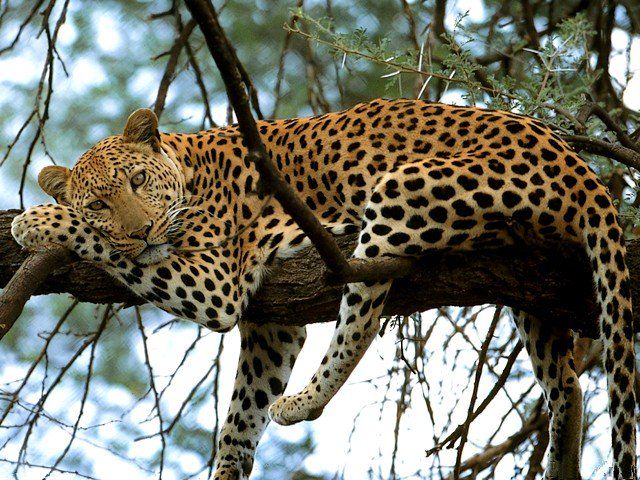
The southern Ishasha sector of Queen Elizabeth National Park is one of Africa’s most celebrated wildlife destinations, famous above all else for its tree-climbing lions. While lions throughout most of Africa rest on the ground, the lions of Ishasha have developed the remarkable habit of climbing into the broad canopy of large fig trees, where they drape themselves lazily across the branches and survey their territory from above. The reason for this behavior is not definitively established but is believed to relate to the desire to escape ground-level insects and to benefit from the cooling breezes that circulate through the upper branches.
Finding the Tree-Climbing Lions
The most productive areas for tree-climbing lion sightings in Ishasha are around the large fig trees that grow near the Ntungwe River and in the areas around the Ishasha River. A knowledgeable guide who knows the territory and the habits of the resident lion prides is essential for maximizing your chances of a sighting. The lions are most likely to be in the trees during the middle of the day when the temperature peaks, and early morning visits to likely locations can sometimes yield the extraordinary sight of lions descending from their arboreal perches as the day begins.
Chimpanzee Trekking in Kyambura Gorge
One of Queen Elizabeth’s most dramatic and unusual features is the Kyambura Gorge, a deep, forested canyon that cuts through the surrounding savannah and provides a habitat for a habituated community of chimpanzees. Trekking into the gorge to find and spend time with these remarkable primates is a highlight experience that many visitors rate alongside the game drives and boat trip as one of their most memorable moments in the park. The contrast between the open savannah above and the lush, enclosed world of the gorge below creates a sense of journeying into a hidden world. Explore our guide to chimpanzee trekking in Uganda for more details.
Planning Your Queen Elizabeth Safari
Queen Elizabeth National Park can be visited year-round, with the dry seasons from June to September and December to February generally offering the best conditions for game viewing and the most comfortable travel. The park is located approximately six hours by road from Kampala or a short charter flight from Entebbe, and it combines naturally with gorilla trekking in Bwindi or chimpanzee trekking in Kibale as part of a comprehensive Uganda safari. Browse our Uganda safari tours or contact us to start planning your Queen Elizabeth adventure.