10-Day Photographic Safari Across Uganda and Rwanda
Photographers chasing genuinely compelling wildlife images find few better combinations anywhere on the African continent than Uganda and Rwanda together, pairing intimate primate portraits in dense rainforest with dramatic open-savanna game viewing within a single well-planned trip. This itinerary is built specifically around photographic priorities, positioning, light, and patience, rather than simply following a standard tourist route. Here is a realistic ten-day photographic safari route across Uganda and Rwanda.
Day 1: Arrival in Entebbe
The trip begins with arrival into Entebbe and an overnight stay, giving photographers time to check and prepare equipment after long-haul travel, since camera gear inevitably needs a once-over before serious shooting begins.
Days 2-3: Queen Elizabeth National Park
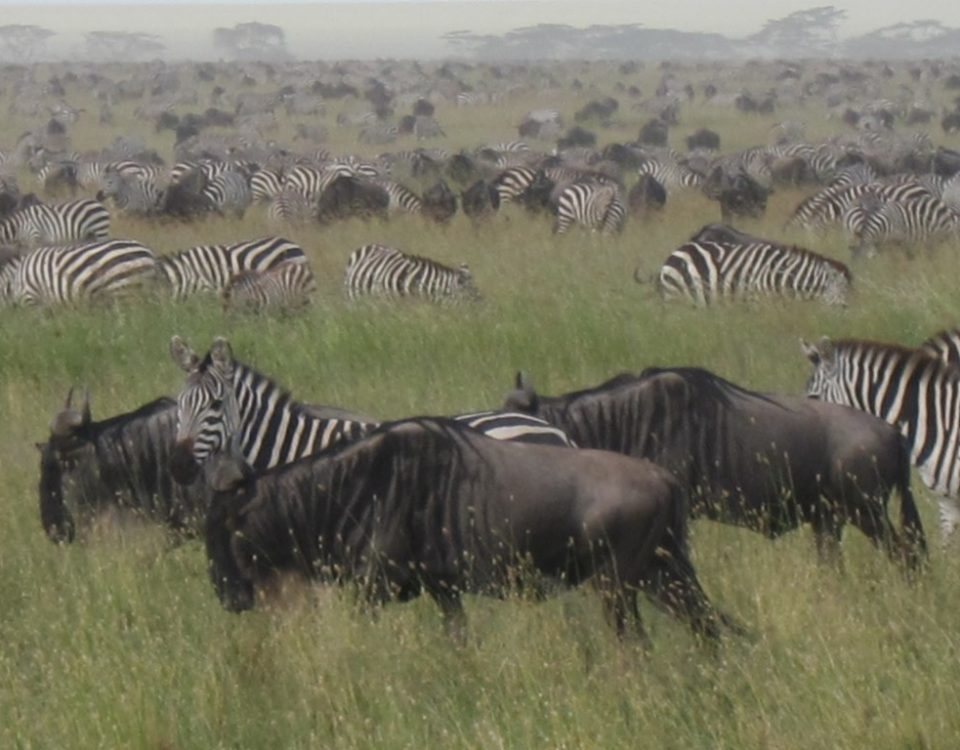
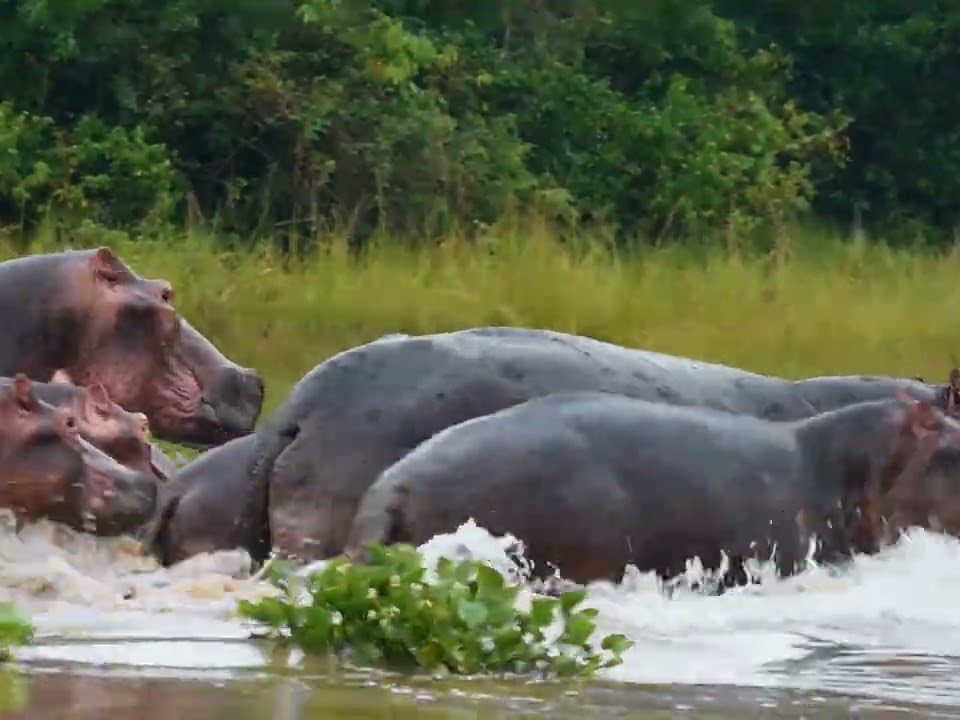
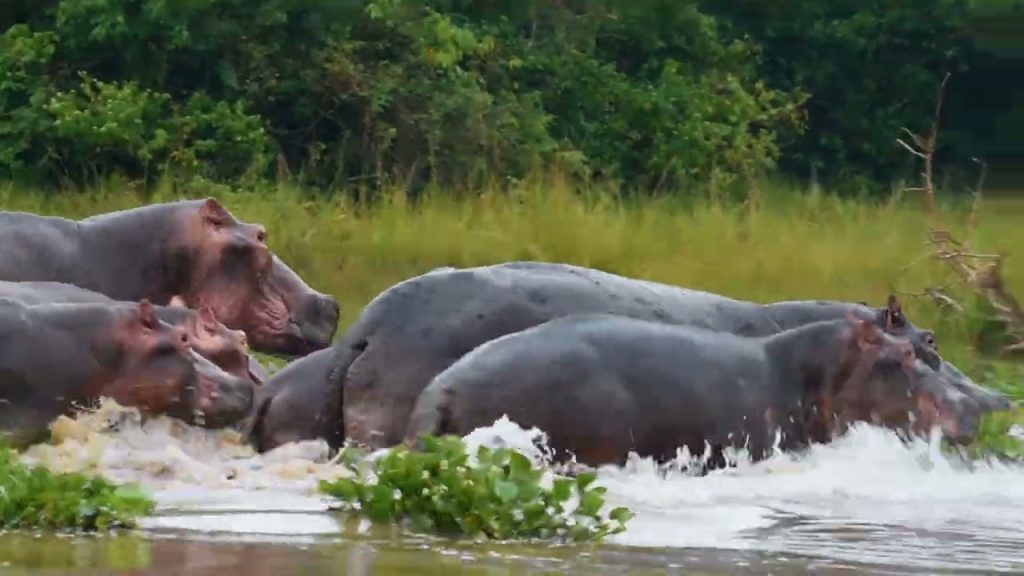
Queen Elizabeth’s open savanna and Kazinga Channel offer excellent early photographic opportunities, tree-climbing lions in the Ishasha sector, dense concentrations of hippos and waterbirds along the channel, and consistently good light during the golden hours framing the park’s dramatic crater lake scenery.
Days 4-5: Bwindi Impenetrable National Park
Gorilla photography in Bwindi’s dense forest presents genuine technical challenges, low light, close subject distances, and a strict no-flash policy, rewarding photographers who arrive prepared with fast lenses and a solid understanding of manual exposure settings for exactly these conditions.
Day 6: Transfer to Rwanda
The overland transfer into Rwanda’s Volcanoes National Park region offers its own photographic opportunities along the way, terraced hillsides and rural village scenes that capture Rwanda’s distinctive landscape character before the trip’s second primate-focused leg begins.
Day 7: Gorilla Trekking in Volcanoes National Park
A second day of gorilla photography in Rwanda’s volcanic bamboo forest offers a genuinely different backdrop from Bwindi’s rainforest, and photographers often find the contrast between the two settings, forest type, light quality, terrain, adds meaningful variety to a trip’s overall photographic portfolio.
Day 8: Golden Monkey Trekking
Golden monkeys offer a considerably more energetic photographic subject than gorillas, moving quickly through bamboo canopy and requiring faster shutter speeds and more reactive shooting technique to capture their genuinely entertaining, fast-paced behaviour as they leap and forage among the dense stems.
Day 9: Lake Kivu or Dian Fossey Hike
A final full day offers a choice between Lake Kivu’s scenic shoreline, excellent for landscape and sunset photography, or the moderately demanding Dian Fossey grave hike, which rewards photographers with dramatic volcanic slope scenery and forest views along the trail up to the former Karisoke Research Center site.
Day 10: Return to Kigali and Departure
The final day covers the drive to Kigali for international departure, closing out a ten-day trip that has delivered a genuinely diverse photographic portfolio across two countries and multiple distinct ecosystems.
Equipment Recommendations for This Itinerary
A versatile setup covering both a telephoto zoom in the 100-400mm range for savanna wildlife and a shorter, faster lens for the close-quarters, low-light conditions of gorilla and golden monkey trekking serves this itinerary better than committing entirely to one specialised setup, given how much the shooting conditions vary across the ten days.
Managing Low Light in Forest Environments
Both Bwindi and Volcanoes National Park’s forest canopy blocks significant light even at midday, meaning photographers should be comfortable shooting at higher ISO settings and understand their camera’s noise performance limits well before arriving, since there’s little opportunity to experiment with settings during the actual limited encounter window, and a missed exposure setting can mean the difference between a sharp, usable image and a disappointing, blurred one.
The No-Flash Rule and Why It Matters
Flash photography is strictly prohibited during gorilla and golden monkey encounters across both countries, a rule enforced to avoid startling habituated primates, meaning photographers must rely entirely on available light and appropriate camera settings rather than any artificial lighting solution during these specific encounters.
Best Time of Year for Photographic Light
The dry seasons from June through September and December through February generally offer clearer skies and more predictable light conditions across both countries, though the softer, more dramatic light sometimes available during the shoulder seasons appeals to photographers specifically chasing atmospheric, moody conditions rather than purely technical, high-clarity results.
Working With Photography-Focused Guides
Requesting a guide with specific photography experience, rather than a generalist tracker, genuinely improves positioning and patience during key moments, since photography-focused guides understand the value of holding a position for better light or composition rather than moving the group along purely for efficiency or a fixed schedule.
Budgeting for a Photography-Focused Trip
This itinerary’s premium permit costs across both countries’ gorilla trekking programmes, plus Rwanda’s additional golden monkey permit, represent a significant investment, one most serious photographers consider justified given the genuinely irreplaceable nature of close-range primate photography opportunities that simply cannot be recreated anywhere else in the world.
Composing Gorilla Portraits That Stand Out
The most compelling gorilla photographs generally move beyond a straightforward frontal portrait to capture genuine behaviour, a mother grooming an infant, a juvenile play-wrestling, or a silverback’s watchful gaze across the group, meaning photographers who spend the encounter’s full hour observing rather than shooting continuously often come away with stronger, more varied final images.
Landscape Photography Opportunities Along the Route
Beyond the primate and wildlife subjects that headline this itinerary, both countries offer genuinely compelling landscape opportunities, Queen Elizabeth’s crater lakes and open savanna vistas, the dramatic volcanic cones framing Volcanoes National Park, and Rwanda’s famous terraced hillsides visible throughout the overland transfer between the two countries.
Working With Local Trackers and Rangers as Photographic Allies
Experienced trackers and rangers often have an intuitive sense of how a gorilla family or golden monkey troop is likely to move within the next few minutes, and photographers who communicate their compositional priorities clearly, wanting a clear sightline to a specific individual, for instance, often find rangers genuinely willing to help position the group accordingly within the constraints of safe viewing distance.
Post-Processing Considerations for Forest Photography
Images captured in Bwindi and Volcanoes National Park’s forest interior often require more deliberate post-processing than open savanna shots, correcting for mixed lighting conditions, elevated ISO noise, and the greenish colour cast common beneath dense, layered forest canopy, and photographers unfamiliar with these specific corrections may want to research forest wildlife editing techniques before the trip.
Backing Up Images During a Multi-Country Trip
Given how irreplaceable this itinerary’s photographic opportunities are, maintaining a reliable backup system, multiple memory cards, a portable hard drive, or cloud backup where connectivity allows, matters considerably more here than on a standard leisure trip, since a card failure after a single gorilla encounter cannot simply be reshot the next day the way a missed landscape shot sometimes can.
Battery and Power Considerations in Remote Lodges
Several lodges along this route, particularly those near Volcanoes National Park and in Bwindi’s more remote sectors, may rely on generator power available only during set hours, meaning photographers should charge all batteries fully whenever power is available and carry enough spares to cover a full trekking day without guaranteed recharging access.
Cultural Portrait Photography Along the Way
Both Uganda and Rwanda offer respectful opportunities for cultural portrait photography, community and village visits where local guides can facilitate genuine, consensual interactions with residents, and photographers are strongly encouraged to always ask permission before photographing individuals rather than treating people as incidental scenery within a broader trip.
Common Questions About This Photographic Itinerary
Photographers often ask whether ten days is enough time to capture a genuinely strong portfolio, and this itinerary’s variety of subjects and settings, savanna wildlife, two distinct primate encounters, and Rwanda’s dramatic volcanic landscape, generally delivers strong material within this timeframe for photographers who arrive well-prepared and understand the specific technical constraints of each location in advance.
Physical Demands and Carrying Equipment on Treks
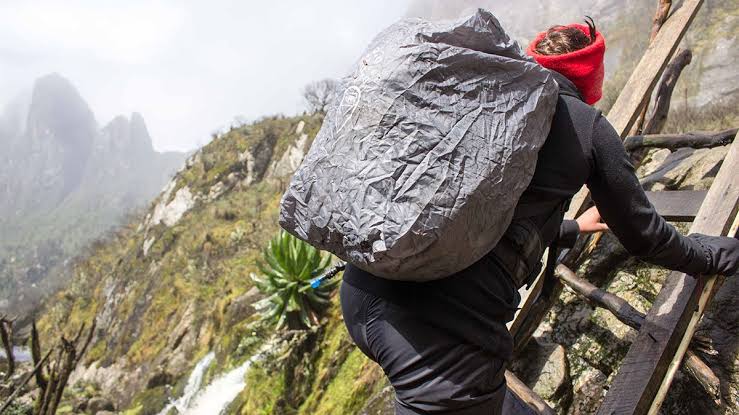
Gorilla and golden monkey trekking both involve genuine physical exertion across uneven forest terrain, and photographers should plan carrying equipment accordingly, a well-padded, weather-resistant backpack, a rain cover for camera bodies given the forest’s frequent showers, and a realistic sense of how much gear can comfortably be carried across potentially several hours of trekking before the actual photographic opportunity even begins.
Why This Itinerary Suits Both Amateur and Professional Photographers
While this itinerary rewards travellers with advanced camera equipment and technical knowledge, the fundamental photographic opportunities, close-range primate encounters and dramatic savanna wildlife, remain genuinely rewarding for amateur photographers using more modest equipment, since positioning and patience matter as much as camera specification for capturing memorable images in these specific conditions, a genuinely level playing field regardless of budget.
Planning Your Photographic Safari
Given the specific technical demands of this itinerary, working with an operator experienced in photography-focused travel helps ensure guides understand positioning and patience priorities that differ meaningfully from a standard sightseeing safari focused purely on ticking off sightings. Done well, this trip delivers a genuinely diverse and technically rewarding photographic record across two of East Africa’s most visually striking countries, one that few other regional itineraries can match for sheer variety within a single ten-day window.
Recommended Tours: 13 Days Uganda Rwanda Tour | 2 Days Golden Monkey Trekking