14-Day East Africa Overland: Nairobi to Kigali
An overland route connecting Nairobi to Kigali strings together some of East Africa’s most rewarding wildlife and cultural destinations into a single continuous journey, trading the speed of flight connections for a genuinely immersive, ground-level view of the region as it changes from Kenya’s dry savanna to Uganda’s lush interior to Rwanda’s volcanic highlands. Fourteen days gives this route enough breathing room to stop meaningfully at each major destination along the way rather than treating the drive itself as dead time between flights. This itinerary walks through a realistic overland route from Nairobi to Kigali, covering the major stops, road conditions, and border crossings along the way.
Day 1: Arrival in Nairobi
The trip begins with arrival into Jomo Kenyatta International Airport and a night in Nairobi, giving travellers time to recover from long-haul flights before the overland journey properly begins. A visit to a nearby giraffe centre or elephant orphanage offers a relaxed first activity for those arriving with a spare afternoon.
Days 2-3: Maasai Mara National Reserve
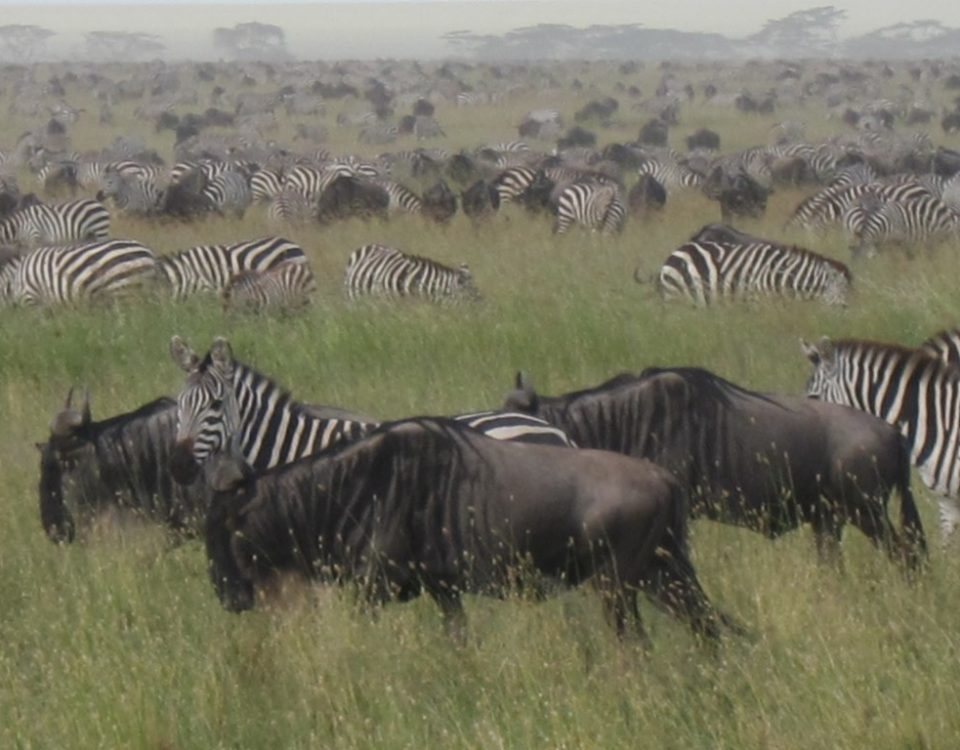
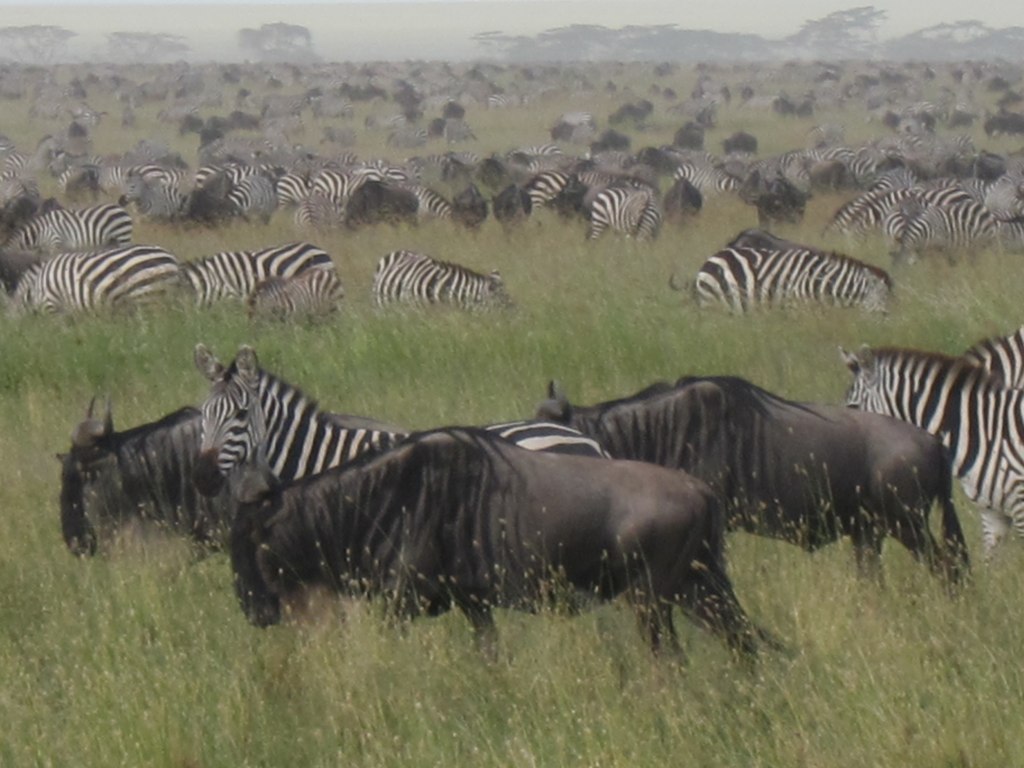
The drive from Nairobi into the Maasai Mara takes around five to six hours along a well-travelled route, delivering travellers into one of Africa’s most celebrated wildlife ecosystems. Two full days here allow for multiple game drives across different parts of the reserve, with strong odds of sighting lion, elephant, and, depending on season, the Great Migration’s wildebeest herds moving across the plains.
Day 4: Overland to the Kenya-Uganda Border
Leaving the Mara, the route continues west toward the Kenya-Uganda border, typically crossing at Malaba or Busia before continuing into eastern Uganda. This is a genuinely long driving day, and travellers should expect a full day on the road with a border formalities stop somewhere in the middle.
Days 5-6: Jinja and the Source of the Nile
Jinja, sitting where the Nile begins its long journey north from Lake Victoria, offers a welcome change of pace after the border crossing, with white-water rafting, a boat trip to the actual source point, and a relaxed riverside setting that suits a rest day well. Adventure travellers often use this stop for rafting the Nile’s rapids, one of the most exhilarating single-day activities available anywhere along this route.
Day 7: Kampala and Onward to Western Uganda
A short stop in Kampala, Uganda’s capital, allows for a look at the city before continuing west toward Uganda’s national parks, with the drive to Queen Elizabeth National Park or Kibale Forest region taking most of the remaining day.
Days 8-9: Kibale Forest Chimpanzee Trekking
Kibale Forest National Park holds one of Africa’s highest primate densities, and a morning chimpanzee trek here delivers close encounters with East Africa’s largest population of habituated chimpanzees, often accompanied by several other monkey species along the same forest trails. A second day allows for the region’s crater lakes and community walks for travellers wanting a gentler pace after the trek.
Days 10-11: Bwindi Impenetrable National Park
The drive south to Bwindi crosses genuinely spectacular terrain, and the following morning’s gorilla trekking delivers the trip’s centrepiece wildlife encounter, a carefully regulated hour spent with a habituated mountain gorilla family deep in one of Africa’s oldest rainforests.
Day 12: Overland to the Rwanda Border
From Bwindi, the route continues to the Uganda-Rwanda border, typically crossing near Cyanika or Katuna before continuing into Rwanda’s Volcanoes National Park region, a crossing that showcases Rwanda’s famous terraced hillsides along the final stretch.
Day 13: Volcanoes National Park Activity
A second primate encounter, golden monkey trekking in the bamboo forests of Volcanoes National Park, offers a gentler, still genuinely rewarding activity to close out the trip’s wildlife component before the final push to Kigali.
Day 14: Kigali and Departure
The final day covers the short drive to Kigali, with time to explore Rwanda’s capital, including its moving genocide memorial, before departure from Kigali International Airport, closing a fourteen-day journey that has crossed three countries entirely overland.
Road Conditions and What to Expect
This route mixes well-maintained tarmac roads, particularly across Kenya’s main highways and Rwanda’s excellent road network, with rougher stretches in parts of western Uganda, meaning a comfortable, well-maintained overland vehicle with an experienced driver-guide makes a genuine difference to overall comfort. Long driving days are simply part of an overland itinerary of this scale, and travellers should approach the journey itself as part of the experience rather than an inconvenience to be minimised.
Why Choose Overland Over Flying Between Countries
Flying between each destination would certainly save time, but it also removes the chance to see the landscape change gradually, Kenya’s dry acacia savanna giving way to Uganda’s green, densely populated hills, before rising into Rwanda’s volcanic highlands, a transition that overland travel captures in a way flight connections simply cannot. Overland routes also pass through towns and rural areas entirely skipped by air travel, offering a more grounded sense of daily life across the three countries.
Budgeting for a Fourteen-Day Overland Trip
Overland trips of this length generally cost less in transport than an equivalent multi-flight itinerary, though gorilla and golden monkey permits remain a significant fixed cost regardless of how travellers move between destinations. Working with an operator experienced in overland logistics across all three countries helps manage border crossing paperwork and vehicle logistics that a trip of this scale requires.
Best Time of Year for This Route
The dry seasons from June through September and again from December through February generally offer the firmest road conditions across all three countries, an important consideration given how much of this itinerary depends on overland driving rather than flights. Gorilla and chimpanzee trekking remain viable year-round, though wetter months can make some of the rougher stretches in western Uganda considerably slower going.
What to Pack for a Long Overland Journey
Beyond the standard safari essentials, this route’s long hours on the road reward a few extra comforts: a good travel pillow, entertainment for the driving stretches, and a refillable water bottle to cut down on plastic waste across three countries with limited recycling infrastructure. Layered clothing matters here more than on a shorter, single-climate trip, since the journey moves from Kenya’s hot savanna through Uganda’s humid interior into Rwanda’s cooler volcanic highlands, sometimes within the same driving day.
Health and Safety Considerations Along the Route
Malaria prophylaxis is strongly recommended for the lower-altitude stretches of this route, particularly around Jinja and the Nile basin, while the higher elevations around Bwindi and Volcanoes National Park carry lower mosquito risk. Comprehensive travel insurance covering emergency evacuation is genuinely worth carrying on a trip that spends this much time in remote, overland settings between formal medical facilities, and a reputable operator will typically confirm this is in place before departure.
Wildlife and Cultural Highlights Beyond the Headline Stops
Beyond the trip’s marquee gorilla and chimpanzee encounters, this overland route passes through genuinely rich cultural territory, from Maasai communities near the Mara to the bustling markets of Kampala and the terraced hillsides of rural Rwanda, offering far more texture than a fly-in itinerary that skips directly between national parks. Travellers with an interest in local culture alongside wildlife often cite these in-between moments, a roadside market stop, a chat with a local guide about daily life, as some of the trip’s most memorable.
Common Questions About This Overland Route
Travellers often ask whether fourteen days on the road sounds exhausting, and while this itinerary does involve several long driving days, the variety of destinations and activities along the way generally keeps the trip feeling like a genuine journey rather than an endurance test. Another common question concerns border crossing complexity, and for travellers working with an experienced overland operator, each crossing along this route is typically a well-organised process taking no more than an hour or two.
Shortening or Adjusting the Route
Travellers with less time available can compress this route by cutting the Jinja rafting stop or reducing the Maasai Mara segment to a single day, though doing so trades away some of what makes an overland journey feel genuinely complete. Others with additional time extend the trip with a few extra days on Lake Kivu’s shores in Rwanda or an added night in Kampala, and an experienced overland operator can adjust individual segments without disrupting the route’s overall east-to-west logic.
Accommodation Style Along an Overland Route
Overland itineraries of this kind typically use a mix of comfortable tented camps, mid-range lodges, and the occasional guesthouse in towns like Jinja and Kampala, prioritising practical, well-located properties over the more luxurious fly-in camps found on shorter, higher-budget itineraries. This accommodation style suits the overland spirit of the trip well, keeping costs more manageable across fourteen days while still delivering genuinely comfortable stays at each major stop.
Planning Your Nairobi to Kigali Overland Journey
Given the number of border crossings, permit bookings, and long driving stretches involved, an experienced overland operator familiar with this exact route makes a substantial difference in how smoothly the journey comes together. Done well, this fourteen-day route delivers one of the most complete, genuinely immersive ways to experience East Africa’s transition from open savanna to volcanic highland within a single continuous overland journey.
Recommended Tours: 10-Day East Africa Primates and Big Five Safari | 3 Days Chimpanzee Trekking in Kibale