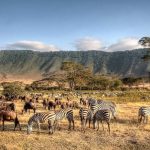
14 Day Kenya and Tanzania Itinerary: A Balanced Plan
This 14 day Kenya and Tanzania itinerary starts in Nairobi and ends at Kilimanjaro International Airport. You’ll spend two nights each in the Maasai Mara, Amboseli and the Serengeti, with a stop at Lake Naivasha to break up the road journey. In Tanzania, you’ll also visit Tarangire and the Ngorongoro Crater before flying back to the Arusha area for your final night.
The route crosses at Namanga, which makes sense after Amboseli. The Maasai Mara and Serengeti share a wildlife landscape, but there’s no direct tourist road crossing between them inside the parks. By visiting Amboseli before crossing into Tanzania, you turn that geography into a practical route. The plan is still active, so it keeps arrival day, the border crossing and the final airport transfer free of fixed safari activities.
14 day Kenya and Tanzania itinerary at a glance
| Day | Route or destination | Main plan | Overnight |
|---|---|---|---|
| 1 | Nairobi | Arrive and rest | Nairobi |
| 2 | Nairobi to Maasai Mara | Road transfer, with an afternoon drive if time allows | Maasai Mara |
| 3 | Maasai Mara | Full day for game viewing | Maasai Mara |
| 4 | Maasai Mara to Lake Naivasha | Transfer and optional boat trip | Lake Naivasha |
| 5 | Lake Naivasha to Amboseli | Road transfer and lodge time | Amboseli area |
| 6 | Amboseli National Park | Game drives with a midday break | Amboseli area |
| 7 | Amboseli to Arusha | Cross into Tanzania at Namanga | Arusha |
| 8 | Arusha to Tarangire | Game drive in Tarangire National Park | Tarangire area |
| 9 | Tarangire area to Karatu | Shorter transfer and a quieter afternoon | Karatu |
| 10 | Ngorongoro Crater | Crater game drive | Karatu |
| 11 | Karatu to Serengeti | Transfer with wildlife viewing where time allows | Central Serengeti |
| 12 | Serengeti National Park | Full day for game viewing | Central Serengeti |
| 13 | Serengeti to Arusha area | Domestic flight and final overnight stay | Arusha or near Kilimanjaro airport |
| 14 | Kilimanjaro International Airport | Depart Tanzania | Onward travel |
Days 1 to 4 — Nairobi, Maasai Mara and Lake Naivasha
Day 1 — Arrive in Nairobi
Keep the first day for your airport transfer, a meal and some rest. If your flight lands early, you can arrange a short outing. Avoid buying a timed ticket you might miss if immigration or traffic takes longer than expected. Confirm your pickup time for the next morning before you settle in.
Days 2 and 3 — Explore the Maasai Mara
Leave Nairobi in the morning. Before the trip, ask which gate your driver plans to use and how far your camp is from that gate. An itinerary can say “Maasai Mara” without telling you whether the lodge is in the reserve, in a neighbouring conservancy or outside both. That location affects your transfer, the fees you pay and where your guide can take you.
Keep the afternoon drive on Day 2 optional. On Day 3, choose between one longer drive and two shorter drives with a break at camp. If you’re travelling for the Great Migration, ask about recent herd movements rather than planning the whole day around a river crossing. Resident wildlife still gives you plenty to look for when the migrating herds are elsewhere.
Day 4 — Break the journey at Lake Naivasha
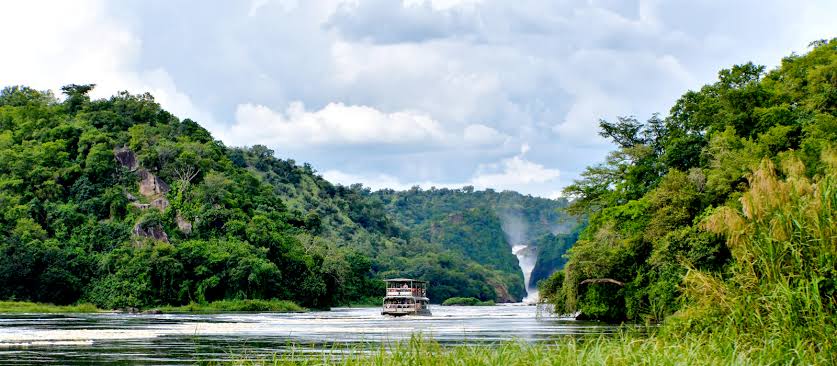
Drive to Lake Naivasha and slow the pace. If you arrive in time and conditions allow, take a guided boat trip to look for waterbirds and hippos. If you’ve had enough travel for the day, skip the boat and enjoy the afternoon at your lodge. Naivasha earns its place in this itinerary by breaking up the drive towards Amboseli, even if you do nothing more than rest.
Days 5 to 7 — Amboseli and the Namanga border
Days 5 and 6 — Travel to Amboseli and watch elephants
Treat Day 5 as a transfer day. Ask for a lodge-to-lodge drive estimate that includes the time needed to get past Nairobi-area traffic and reach your accommodation. Don’t pay for an afternoon activity that depends on arriving at the earliest possible time.
Use Day 6 for Amboseli’s open plains and wetlands. The park is well known for its elephant herds, and two shorter drives let you watch how animals use different areas over the day. Return to the lodge for lunch and a rest if it’s practical. Mount Kilimanjaro can be visible from Amboseli, but cloud may hide it. Choose the park for the wildlife and landscape rather than a promised mountain photograph.
Day 7 — Cross at Namanga and continue to Arusha
Use Namanga for the overland transfer into Tanzania. Before departure, confirm whether you’ll keep the same vehicle or meet a Tanzanian driver on the other side. If there’s a handover, get the meeting point and contact details for both drivers. Keep your passport and entry documents accessible rather than packing them in your main bag.
Allow time for immigration, paperwork and the drive to Arusha. Don’t book Tarangire for the same afternoon. An overnight in Arusha gives you a fresh start in Tanzania and keeps the border transfer from affecting your first park visit.
Days 8 to 10 — Tarangire, Karatu and Ngorongoro
Day 8 — Spend the day in Tarangire
Leave Arusha early enough to spend a useful part of the day in Tarangire. Instead of covering as much ground as possible, ask your guide which areas make sense given recent rainfall and sightings. Spend time observing elephants or watching what moves through the river habitat. Sleep in the Tarangire area so you don’t have to drive back to Arusha afterwards.
Day 9 — Make Karatu your rest stop
Transfer to Karatu and keep the afternoon easy. Use the time for laundry, a quiet lunch or a short visit arranged with a local host. Keeping this day light gives you two nights in the same place and avoids putting a long drive immediately after the crater visit.
Day 10 — Descend into the Ngorongoro Crater
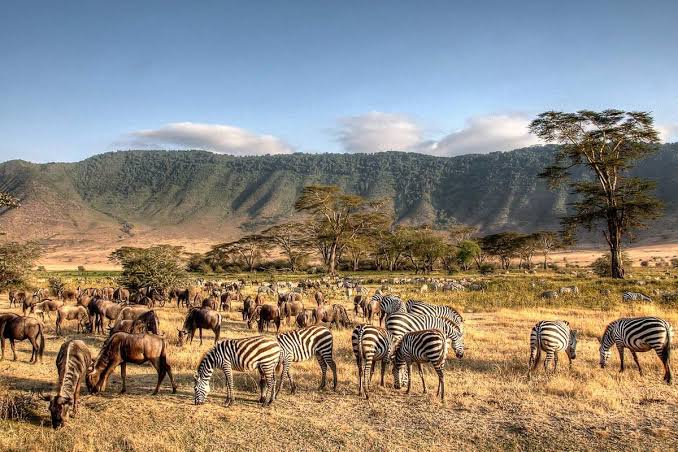
Leave Karatu early and allow for the drive to the entry point and the descent to the crater floor. You may see several species in one outing, but sightings still depend on where the animals are and what conditions are like. Ask your guide where you can stop for lunch and when you’ll start the return journey.
When comparing quotes, check that the operator has included both the applicable conservation-area entry charges and the crater service fee. The Ngorongoro Conservation Area Authority lists them separately. Also ask how the quote handles conservation-area fees for the next day’s road transfer towards the Serengeti.
Days 11 to 14 — Serengeti and departure
Days 11 and 12 — Give the Serengeti time
Travel to your Serengeti camp on Day 11. You can look for wildlife along the way, but the transfer is not the same as a full game drive. Keep Day 12 free for viewing. Central Serengeti is the base for this plan. If the migration is your main reason for travelling, ask whether a different part of the park makes more sense for your dates. Moving camp can change the drive time and which airstrip you use.
Tell your guide what you’d enjoy doing with a full day. You might choose to spend more time watching one sighting, look for birds or explore river habitats rather than driving between reports of big cats. Two nights make room for those choices without forcing you to leave as soon as you arrive.
Days 13 and 14 — Fly back and leave a buffer
On Day 13, take a domestic flight from the Serengeti to the Arusha area, subject to the schedule for your dates. Confirm the departure airstrip, arrival airport and baggage rules before you book the camp. Arusha Airport and Kilimanjaro International Airport are different airports. If your domestic flight lands at Arusha, arrange the onward road transfer and choose your final hotel with Day 14 in mind.
If you prefer to travel entirely by road, don’t assume you can swap the flight for a drive and keep everything else unchanged. Confirm the full journey with your operator. You may need to leave the Serengeti earlier or drop a stop to protect your international departure.
What to check before booking
- Entry requirements. Check whether your passport requires a Kenyan eTA and which Tanzanian visa rules apply. Confirm any health documents for the full route, including entry into Tanzania from Kenya overland.
- Park and conservancy fees. Ask which fees are included, how many entries the quote covers and whether your accommodation adds a separate conservancy charge.
- Transfers and flights. Get the Namanga handover arrangements, the domestic flight and both airport transfers in writing. Compare baggage allowances with what you’ll actually carry.
- The pace of the route. If you dislike long drives, ask the operator which stop they would remove. Cutting one destination is usually better than shortening every stay.
Frequently asked questions
Can I add Zanzibar without making the trip longer?
Yes, but replace part of the route rather than adding the beach stay on top. If Zanzibar is essential, choose between the Naivasha–Amboseli section and a longer Tanzania circuit. Leave enough time to reach the island and take your onward flight.
Can I drive directly from the Maasai Mara into the Serengeti?
No. The parks share a boundary, but you must use an authorised international border post. Isebania–Sirari is an option for a more direct Mara-to-Serengeti itinerary. Namanga suits this route because it includes Amboseli and Arusha.
Is this trip only worthwhile during the Great Migration?
No. The itinerary also includes elephant viewing, wetland birdlife, the Ngorongoro Crater and time to watch resident wildlife. If you want to see a particular stage of the migration, choose your camp locations around that goal rather than assuming the same plan works equally well in every month.