9-Day Great Migration Safari: Maasai Mara to Serengeti
Rather than treating Kenya and Tanzania as two separate stops loosely connected by a shared migration theme, this nine-day itinerary is built to physically follow the herds’ natural southward movement, entering via the Maasai Mara during the peak crossing season and then tracking the migration as it begins moving back south into the Serengeti’s western corridor and central plains. The extra days compared to a shorter combined trip allow genuine time to actually witness this transition unfold rather than catching only a single fleeting snapshot in each country. Here is a realistic, carefully sequenced nine-day route following the migration from Kenya into Tanzania.
Day 1: Arrival in Nairobi
The trip begins with an international flight into Nairobi and an overnight stay, giving travellers time to recover from long-haul flights before the safari’s more intensive, wildlife-packed days begin in earnest.
Days 2-4: Maasai Mara National Reserve and Private Conservancies
Three full days in the Mara combine time in the main reserve with a stay in one of the surrounding private conservancies, which permit night drives and off-road driving not allowed in the public reserve, giving this longer itinerary access to a genuinely broader range of activities and considerably quieter game viewing away from the main reserve’s peak-season vehicle density and crowds.
Day 5: Cross Into Tanzania
Moving from the Mara into Tanzania typically involves a flight connection through Nairobi given current cross-border routing, arriving in the Serengeti’s northern reaches near the Mara River in time for an afternoon game drive tracking the herds’ early, developing southward movement into Tanzanian territory.
Days 6-7: Northern and Western Serengeti
Two days exploring the Serengeti’s northern and western corridor regions follow the migration’s developing southward movement, an area considerably less visited than the park’s central Seronera region and correspondingly quieter and less crowded for game viewing overall, despite holding genuinely excellent wildlife throughout the year.
Day 8: Central Serengeti and the Seronera Region
A day in the Serengeti’s central Seronera region, one of the park’s most reliably productive areas for lion and leopard sightings year-round, adds a further dimension to the itinerary’s overall wildlife tally before the trip’s final, well-earned day.
Day 9: Final Game Drive and Departure
A final morning game drive makes the most of peak wildlife activity before transferring to an airstrip for the flight back to Kilimanjaro or Arusha and onward international connections, closing out a genuinely comprehensive nine-day migration journey.
Why Follow the Migration’s Actual Direction
Most combined Kenya-Tanzania migration itineraries simply visit both countries without particular regard to the herds’ actual movement pattern, but this itinerary’s extended length allows for a more deliberate approach, entering where the migration currently is at its most dramatic, the Mara River crossings, and then tracking its natural progression south into Tanzania over the following days rather than treating the two country legs as disconnected, unrelated stops.
Private Conservancies as a Key Difference From Shorter Itineraries
The extra Mara days in this itinerary allow time in private conservancies bordering the main reserve, exclusive-use areas with strict visitor caps that permit walking safaris, night drives, and off-road positioning near sightings, activities unavailable within the public reserve and a genuine upgrade for travellers who have previously visited only the main Maasai Mara National Reserve.
Understanding the Migration’s Southward Transition
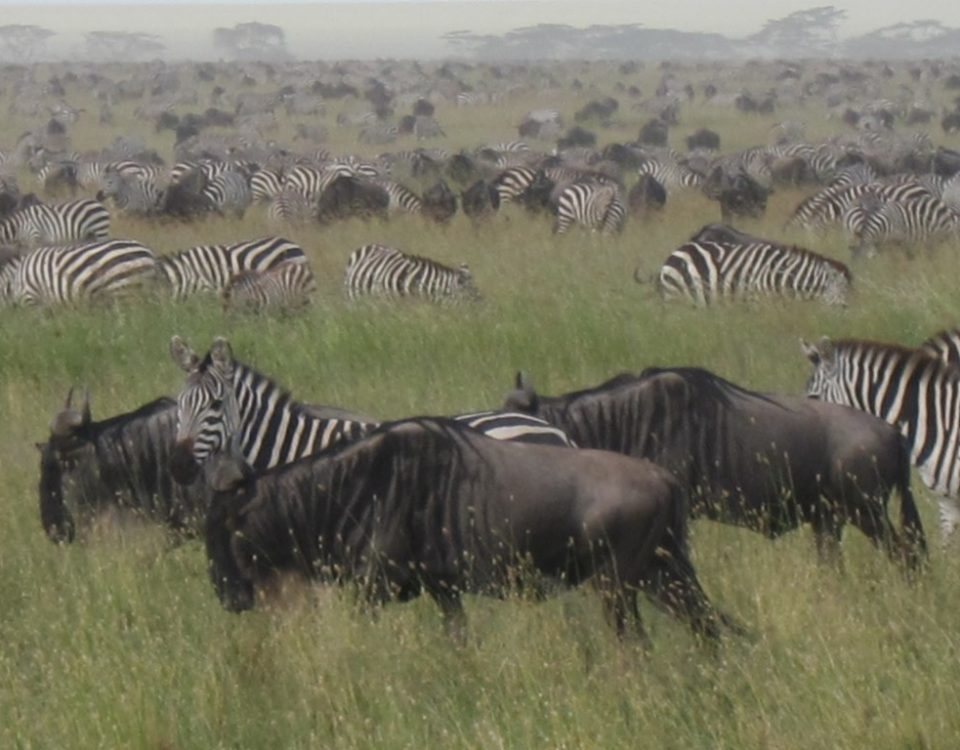
After the dramatic Mara River crossings typically concentrated between July and October, the herds begin working their way back south into the Serengeti, first through the western corridor and northern reaches before eventually reaching the southern short-grass plains for calving season, and this itinerary’s later days are positioned to intersect this transitional movement.
Photography Considerations for a Longer Migration Trip
Nine days spread thoughtfully across both countries gives photographers considerably more flexibility to wait for ideal light and positioning around key moments than a shorter, more compressed itinerary allows, particularly valuable for capturing the specific drama of a river crossing, which can require hours of patient waiting at a likely crossing point before anything actually happens.
Budgeting for This Extended Itinerary
This itinerary’s additional days and inclusion of a private conservancy stay push overall cost above a shorter combined trip, a worthwhile investment for travellers specifically seeking deeper engagement with the migration’s full seasonal arc rather than a single snapshot moment captured in each country separately.
Best Time of Year for This Specific Route
This itinerary is specifically designed around the July through October window, when the migration’s dramatic Mara crossings are underway and the herds’ subsequent southward movement into the Serengeti becomes genuinely trackable, making timing considerably more specific for this route than for a general-purpose migration trip booked without this sequencing logic in mind.
What Makes a Great River Crossing Sighting
A dramatic river crossing depends on a genuine confluence of factors, herd density near the riverbank, predator presence testing the crossing point, and the lead animals’ willingness to commit, meaning even a well-timed itinerary cannot guarantee witnessing the single most dramatic version of this event, though positioning across multiple days at known crossing points genuinely improves the odds considerably.
Resident Wildlife Beyond the Migration Itself
Both the Mara and Serengeti hold exceptional year-round resident wildlife independent of the migrating herds, well-habituated lion prides, healthy leopard populations along riverine woodland, and consistently strong cheetah sightings across open plains, meaning this itinerary delivers genuinely excellent game viewing throughout regardless of exactly where the migration happens to be on any given day.
Walking Safaris in the Private Conservancies
The Mara conservancy segment of this itinerary offers the option of a guided walking safari, an activity unavailable in the main public reserve, slowing the pace considerably to notice tracks, smaller creatures, and plant life easily missed from a moving vehicle, and adding a genuinely different sensory dimension to the trip’s early days.
Comparing the Northern and Southern Serengeti Experiences
This itinerary’s route through the Serengeti’s northern and western reaches before finishing in the central Seronera region gives travellers a genuinely broad sense of the park’s ecological variation, from the more remote, less visited northern woodlands to Seronera’s classic open plains and consistently reliable predator sightings.
Accommodation Strategy Across This Longer Route
This itinerary’s extended length allows for more considered camp selection at each stage, a private conservancy lodge for the Mara segment, and camps positioned according to current herd location for the Serengeti days, rather than compromising on location to fit a tighter schedule.
Health and Visa Considerations for This Trip
Standard East Africa health precautions apply throughout, and travellers should confirm current visa requirements for both Kenya and Tanzania well ahead of departure, since standard e-visa applications for both countries generally require some advance processing time before travel.
Working With Guides Who Understand the Full Picture
Because this itinerary’s core premise depends on understanding the migration as a connected process rather than two separate events, guides with genuine cross-border knowledge of both the Mara and Serengeti’s current conditions add considerably more value here than a generalist single-country guide would, since their insight directly shapes how well the itinerary’s sequencing actually plays out day to day.
Common Questions About This Extended Migration Safari
Travellers often ask whether nine days risks feeling repetitive given the shared migration theme across both countries, and the itinerary’s private conservancy stay, varied Serengeti regions, and genuine sense of following a developing story rather than viewing two disconnected snapshots generally keeps each day feeling distinct and worthwhile. Another common question concerns whether nine days is too long for travellers with limited vacation time, and while a shorter combined trip certainly exists as an alternative, this itinerary’s depth genuinely rewards the additional investment for anyone specifically fascinated by the migration’s full seasonal mechanics.
Why This Itinerary Suits Serious Migration Enthusiasts
Travellers who have previously visited either the Mara or Serengeti individually and left wanting a deeper, more connected understanding of how the migration actually functions as a single continuous ecological process often find this longer, more deliberately sequenced itinerary genuinely more satisfying than a shorter trip that simply visits both countries without regard to the herds’ current position or direction of travel.
Packing for a Longer, Two-Country Migration Trip
Given this itinerary’s extended length and inclusion of both a walking safari option and standard game drives across two countries, a versatile packing list covering sturdy closed shoes for walking, standard safari clothing in neutral tones, and reliable rain protection for the Serengeti’s occasional afternoon showers serves this trip well throughout.
Planning Your Nine-Day Migration Journey
Given how precisely this itinerary depends on current migration positioning across two countries, working with an operator who tracks herd movement closely and can adjust camp selection and routing accordingly makes a genuine difference to the trip’s overall success and coherence. Done well, this journey delivers one of the most thoughtfully sequenced migration experiences available anywhere in East Africa, following the herds’ story rather than simply visiting two countries that happen to share it.
Recommended Tours: 5 Days Great Migration River Crossing Safari | 10 Days Rwanda, Kenya and Tanzania Wildlife Safari