9-Day Tanzania Southern Circuit: Ruaha and Nyerere
While most first-time visitors to Tanzania head straight for the Serengeti and Ngorongoro, the country’s southern circuit, anchored by Ruaha National Park and Nyerere National Park, formerly known as Selous Game Reserve, offers a genuinely different safari experience: fewer vehicles, wilder landscapes, and wildlife encounters that feel considerably less scripted than the busier northern parks. A nine-day itinerary gives both parks enough time to reveal their distinct characters properly. This guide walks through a realistic nine-day route across Tanzania’s southern circuit, covering what makes this region worth the extra effort to reach.
Day 1: Arrival in Dar es Salaam
Most southern circuit itineraries begin with a flight into Julius Nyerere International Airport in Dar es Salaam, followed by an overnight stay before connecting onward to the southern parks by light aircraft the following day. Dar es Salaam’s coastal setting offers a relaxed first stop for travellers arriving from long-haul flights.
Days 2-4: Ruaha National Park
A short flight from Dar es Salaam delivers travellers into Ruaha National Park, Tanzania’s largest national park and one of Africa’s most significant elephant strongholds, alongside healthy populations of lion, leopard, and the greater and lesser kudu found in this transition zone between East and Southern African ecosystems. Three full days allow for multiple game drives across Ruaha’s varied terrain, from the Great Ruaha River’s dry-season wildlife concentrations to the park’s distinctive baobab-studded hills.
Day 5: Fly to Nyerere National Park
A connecting flight moves travellers from Ruaha to Nyerere National Park, Africa’s largest protected wildlife area and a fundamentally different ecosystem from Ruaha’s dry hill country, dominated instead by the Rufiji River’s extensive waterways, lakes, and riverine forest.
Days 6-8: Nyerere National Park
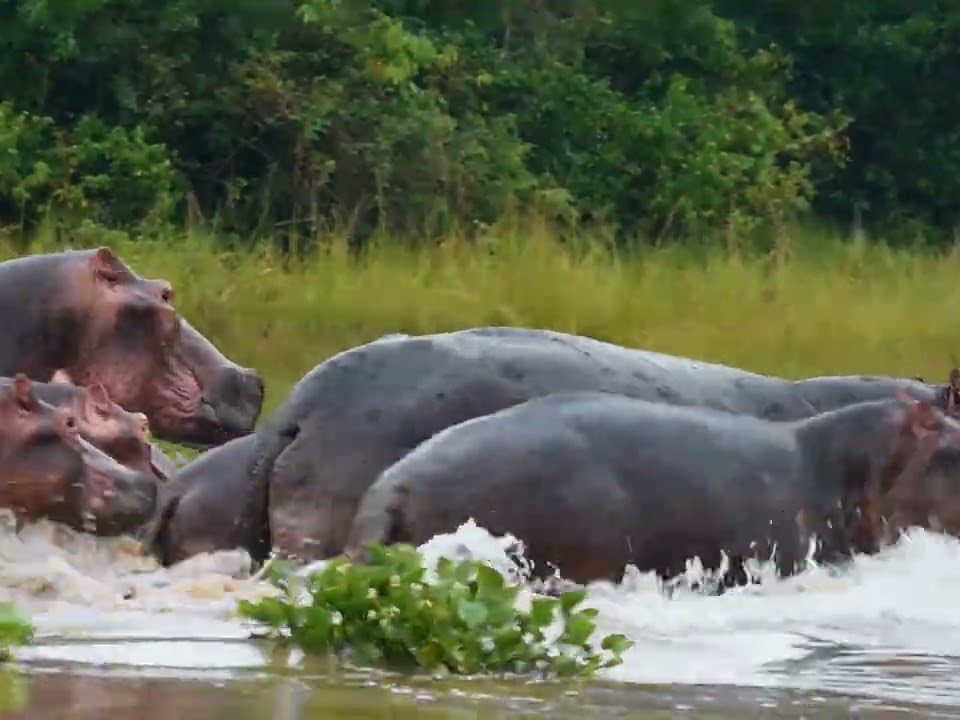
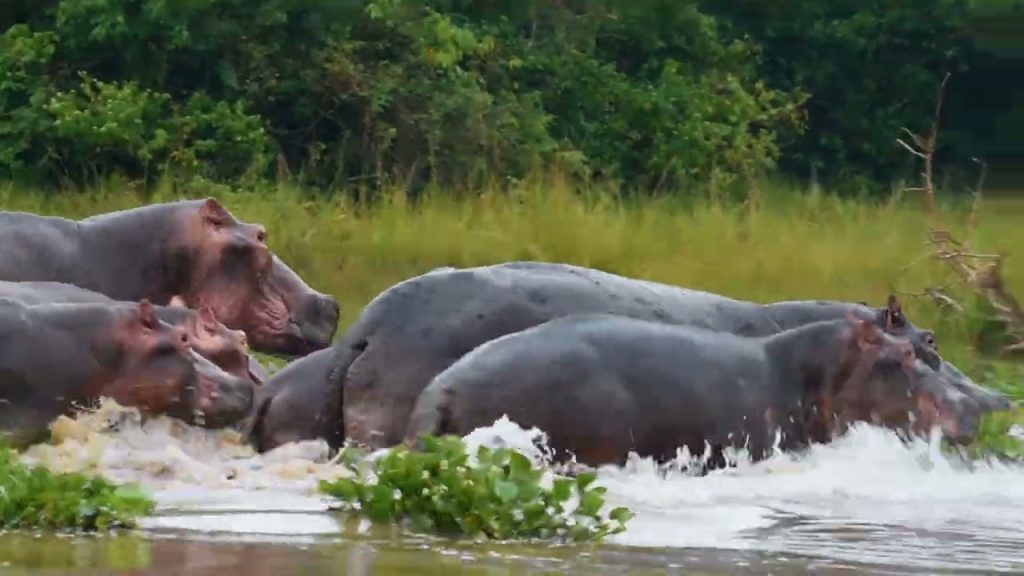
Nyerere’s defining feature is the boat safari, a genuinely distinctive way to view wildlife from the water, gliding past hippo pods, basking crocodiles, and elephants coming down to drink along the Rufiji’s extensive channel system. Three full days here combine boat safaris with traditional game drives and, in select areas, walking safaris that bring visitors into even closer contact with this vast wilderness on foot alongside an armed ranger.
Day 9: Return to Dar es Salaam and Departure
A final flight returns travellers to Dar es Salaam for international departure, closing out a nine-day trip that has covered two of Tanzania’s most significant, least-visited protected areas.
Why the Southern Circuit Feels So Different
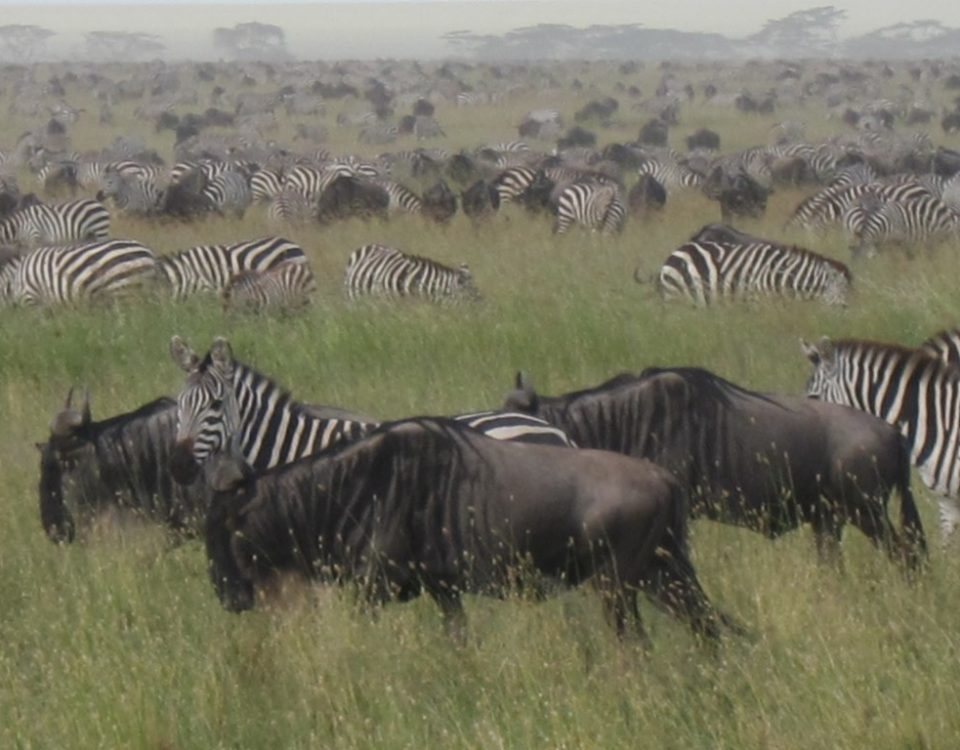
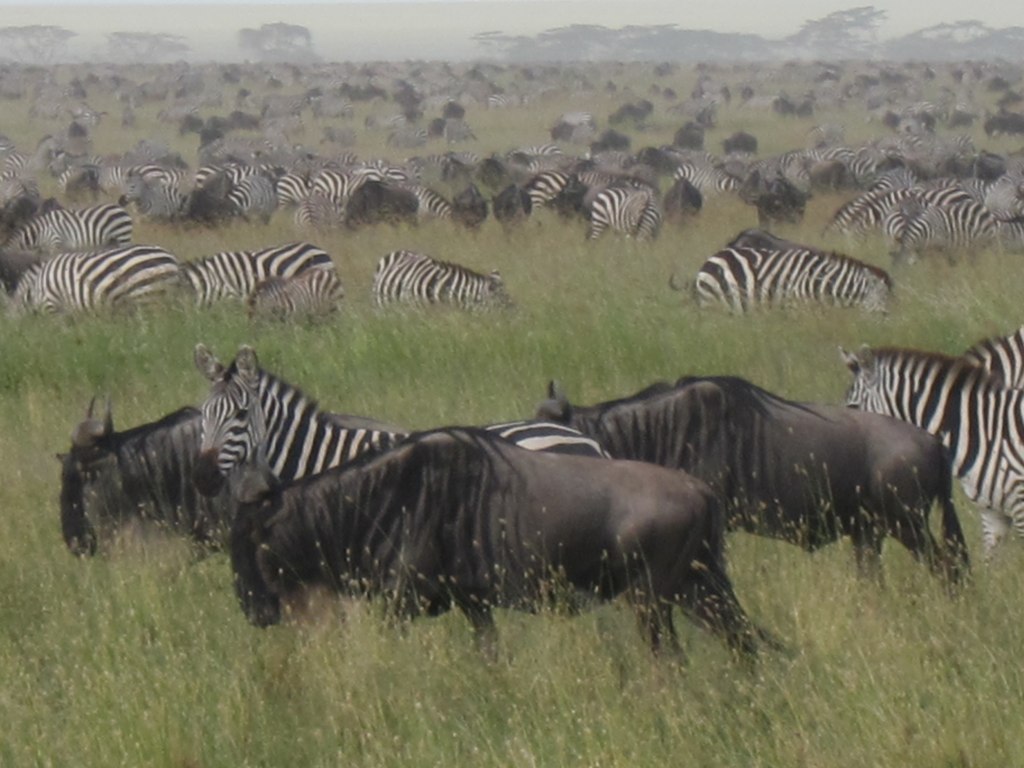
Tanzania’s southern parks receive a small fraction of the visitor numbers found in the Serengeti and Ngorongoro, largely due to the additional flight connections required to reach them, and this lower visitor density translates directly into a genuinely wilder feel, fewer vehicles at sightings, more unpredictable wildlife behaviour, and a stronger sense of exploring genuine wilderness rather than a well-trodden circuit.
Ruaha’s Distinctive Ecosystem
Ruaha sits at a fascinating ecological crossroads, where East African species overlap with those more typical of Southern Africa, producing a wildlife checklist that includes both greater kudu and sable antelope alongside the classic East African Big Five roster. This ecological blending, combined with one of Tanzania’s largest elephant populations, makes Ruaha a genuinely rewarding destination for travellers who have already covered the northern circuit’s classic species and want something a little different.
Nyerere’s Boat Safaris and Walking Safaris
What sets Nyerere apart from nearly every other major Tanzanian park is the combination of activities available: boat safaris along the Rufiji River, traditional vehicle-based game drives, and walking safaris in designated areas, giving visitors a genuinely varied set of perspectives on the same ecosystem within a single stay. Few other parks in Tanzania offer this same breadth of activity options across a single destination.
Best Time of Year for the Southern Circuit
The dry season, from roughly June through October, offers the strongest wildlife viewing across both parks, concentrating animals around Ruaha’s river and Nyerere’s remaining water sources as the surrounding bush dries out. Nyerere’s wetter months can also bring seasonal flooding that limits road access, making the dry season a particularly important consideration for this specific circuit.
Accommodation on the Southern Circuit
Both Ruaha and Nyerere offer a smaller, more intimate selection of camps compared to the northern circuit’s dense lodge network, generally emphasising a classic tented safari camp experience with a genuine sense of remoteness, open-sided dining areas, and evenings spent listening to the surrounding bush rather than the sounds of neighbouring vehicles. Booking well ahead matters given the more limited total bed capacity across both parks compared to Tanzania’s busier northern destinations.
Budgeting for a Southern Circuit Safari
The additional light aircraft flights required to reach and move between Ruaha and Nyerere add meaningful cost compared to a road-based northern circuit itinerary, a trade-off most southern circuit travellers consider worthwhile given the lower visitor density and genuinely wilder experience delivered in return.
Combining the Southern Circuit With Zanzibar
Given Dar es Salaam’s proximity to Zanzibar, many travellers extend this itinerary with a few beach days on the island after completing the southern circuit, pairing an intensive wildlife-focused trip with a genuinely restful close near some of the Indian Ocean’s finest beaches.
Wildlife Highlights Unique to Each Park
Ruaha’s dry, hilly terrain suits sightings of greater kudu, sable and roan antelope, and one of Tanzania’s healthiest lion populations, species and predator densities considerably rarer or entirely absent from the northern circuit’s more grassland-dominated parks. Nyerere, by contrast, holds significant populations of African wild dog, one of Africa’s most endangered large carnivores, alongside substantial hippo and crocodile numbers concentrated along the Rufiji’s waterways, giving each park a genuinely distinct wildlife signature worth understanding before booking.
Flight Logistics Between the Two Parks
Moving between Ruaha and Nyerere requires a light aircraft connection rather than a road transfer, since the two parks sit a considerable distance apart with no practical driving route connecting them within a reasonable timeframe. Scheduled flight networks serving Tanzania’s southern circuit have expanded considerably in recent years, though schedules remain less frequent than the well-served northern circuit, making advance booking through an experienced operator genuinely important for this itinerary, particularly during peak season when seat availability on smaller aircraft can fill quickly.
Walking Safaris as a Signature Nyerere Activity
Nyerere’s walking safaris, conducted with an armed ranger and experienced guide, offer a fundamentally different perspective on the bush than a vehicle-based game drive, slowing the pace down to notice tracks, smaller creatures, and plant life easily missed from a moving vehicle. This activity suits travellers who have already experienced traditional game drives elsewhere and want a more immersive, sensory connection to the landscape during their southern circuit visit.
Photography Considerations for the Southern Circuit
Nyerere’s boat safaris offer a genuinely unique photographic vantage point, low to the water and often remarkably close to hippos and waterbirds, rewarding photographers who bring a versatile zoom lens capable of both close portraits and wider environmental shots capturing the river’s scale. Ruaha’s baobab-studded landscape similarly rewards wide-angle composition, particularly during the soft light of early morning and late afternoon game drives.
Health and Practical Considerations
Standard East Africa health precautions apply across both parks, malaria prophylaxis in particular given the southern circuit’s lower elevation and warmer, more humid climate compared to the northern circuit’s higher-altitude parks. Mobile phone coverage and internet access remain limited across much of Ruaha and Nyerere, a genuine feature rather than a drawback for travellers specifically seeking a proper disconnect from daily routine during their safari.
Common Questions About the Southern Circuit
Travellers often ask why the southern circuit remains so much less visited than the Serengeti and Ngorongoro despite offering genuinely excellent wildlife viewing, and the answer largely comes down to accessibility, the additional flight connections required simply mean fewer travellers make the effort compared to the more straightforward northern circuit route from Arusha. Another common question concerns whether wildlife density in the south matches the north, and while overall animal numbers are generally lower given the vastly larger, more dispersed terrain, the quality and exclusivity of sightings often more than compensates for travellers prioritising a genuine wilderness feel.
Who This Itinerary Suits Best
The southern circuit generally appeals most strongly to travellers who have already experienced Tanzania’s northern parks, or East African safari destinations more broadly, and are specifically seeking a quieter, more exploratory alternative rather than a first-time introduction to African safari. First-time visitors are certainly welcome and will find excellent wildlife here too, but those prioritising the highest possible concentration of animals per day are often better served starting with the northern circuit before adding a southern circuit trip on a future visit.
Planning Your Southern Circuit Safari
Given the additional flight logistics and more limited accommodation options involved, working with an operator experienced specifically in Tanzania’s southern parks helps ensure smooth connections and well-timed park entries across this less conventional route. Done well, nine days across Ruaha and Nyerere delivers one of the most genuinely wild, uncrowded safari experiences available anywhere in East Africa, a reward well worth the extra flight connections for travellers seeking something beyond the well-trodden northern circuit route.
Recommended Tours: 5 Days Nyerere & Mikumi Safari | 6 Days Tanzania Wildlife Safari