

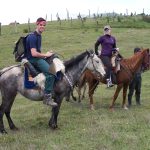
Horse Back Riding
January 28, 2026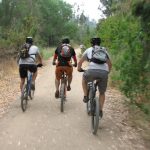
Bike Riding
January 28, 2026

Camel Trekking
Camel trekking is one of Africa’s most ancient and evocative travel experiences. Long before modern vehicles crossed deserts and savannahs, camels were the lifeline of trade, migration, and cultural exchange across arid landscapes. Today, camel trekking offers travelers a chance to step back in time, moving slowly through vast open spaces while experiencing the rhythm, silence, and raw beauty of Africa’s deserts and semi-arid regions.



Big Five in the Masaai Mara
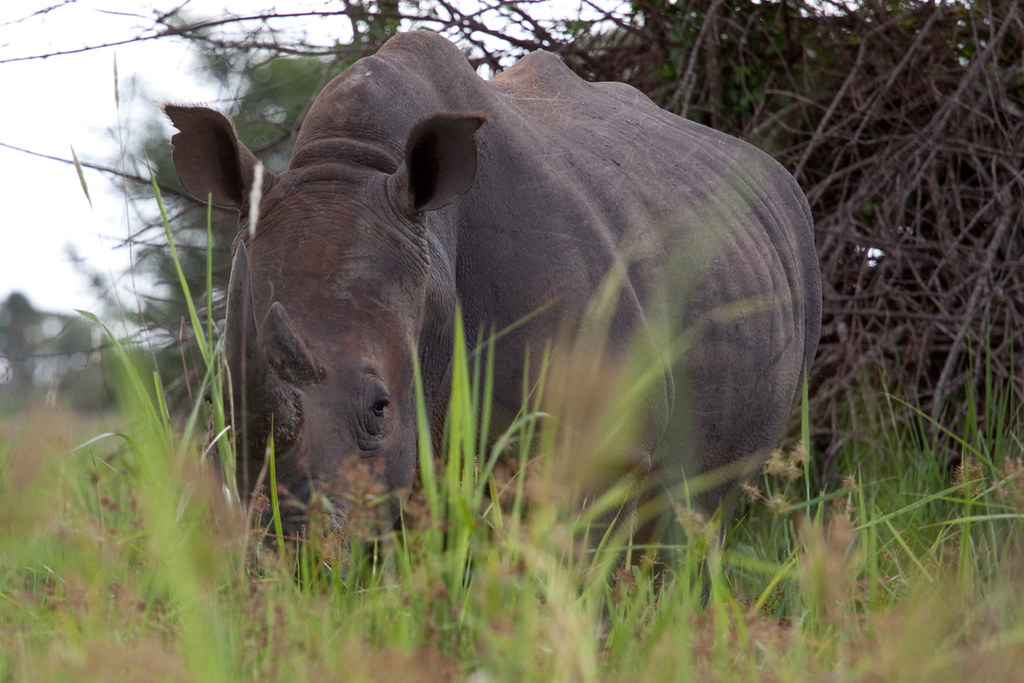
When people think of African safaris, the “Big Five” often comes to mind: lion, leopard, elephant, buffalo, and rhinoceros. Rwanda may be small, but it offers excellent opportunities to see several of these iconic animals, especially in Akagera National Park, which is the country’s main savannah and wildlife reserve.
Camel Trekking: A Complete Guide to Experiences Across the Region
Why Camel Trekking Is a Unique Safari Experience
Camel trekking stands apart from other safari activities because of its pace and intimacy. Traveling by camel allows visitors to move quietly through landscapes without disturbing wildlife or the environment. This slow movement encourages observation, mindfulness, and appreciation of subtle details, from animal tracks in the sand to shifting light across dunes and plains.
The experience also carries strong cultural significance. Camels have been central to the lives of nomadic communities for centuries, serving as transport, livelihood, and companions. Trekking alongside local guides provides insight into traditional survival skills, storytelling, and desert wisdom passed down through generations.
Top Camel Trekking Destinations in Africa
Africa offers exceptional camel trekking destinations, particularly in its desert and semi-arid regions. Northern Kenya is one of the continent’s most renowned areas for camel safaris, especially in regions such as Samburu, Laikipia, and the Chalbi Desert. These landscapes combine rugged beauty with rich cultural heritage, offering encounters with pastoral communities and wildlife adapted to arid environments.
In North Africa, camel trekking across the Sahara remains iconic. Countries such as Morocco, Tunisia, and Egypt offer vast dune systems, rocky plateaus, and ancient caravan routes that evoke the romance of trans-Saharan travel. Southern Africa also presents unique camel trekking opportunities in Namibia’s desert landscapes, where red dunes, dry riverbeds, and desert-adapted wildlife create striking scenery.
What to Expect on a Camel Trekking Safari
A camel trekking safari typically begins with an introduction to the animals, trekking procedures, and safety guidelines. Guides explain how to mount and dismount camels and how to move comfortably during the journey. Camels are well-trained and accustomed to carrying travelers and supplies, ensuring a smooth and secure experience.
Treks can range from short excursions lasting a few hours to multi-day journeys with overnight camps under the stars. Days are spent walking or riding alongside camels, while evenings often include campfires, traditional meals, and storytelling. The simplicity of life on trek enhances the sense of adventure and immersion.
Landscapes and Wildlife Encounters
Camel trekking reveals landscapes that feel vast, untouched, and timeless. Desert plains, rolling dunes, dry riverbeds, and acacia-dotted savannahs unfold slowly, allowing travelers to absorb their scale and beauty. Sunrise and sunset transform the terrain with dramatic colors and shadows, creating unforgettable visual moments.
Wildlife encounters are often subtle yet rewarding. Travelers may spot desert-adapted species such as oryx, gerenuk, Grevy’s zebra, ostriches, and foxes. Birdlife is abundant, particularly raptors and desert birds that thrive in arid environments. The quiet nature of camel trekking increases the chance of observing wildlife behaving naturally.
Cultural Encounters and Nomadic Traditions
One of the most meaningful aspects of camel trekking is the cultural connection. Many treks are guided by members of nomadic or semi-nomadic communities who share their knowledge of the land, animals, and traditions. Travelers learn about traditional herding practices, medicinal plants, navigation methods, and the role of camels in daily life.
Meals often reflect local cuisine, prepared over open fires using simple, time-honored techniques. Conversations around the campfire provide insight into oral traditions, legends, and the challenges of life in remote environments, creating authentic cultural exchange.
Best Seasons for Camel Trekking in Africa
Camel trekking is best enjoyed during cooler, drier months when temperatures are more comfortable for walking and riding. In East Africa and North Africa, this typically falls between late autumn and early spring. Cooler mornings and evenings enhance trekking comfort, while clear skies provide excellent visibility and stargazing opportunities.
Seasonal considerations also affect landscapes and wildlife movement. Dry seasons highlight stark desert beauty and concentrate wildlife around water sources, while post-rain periods may bring bursts of vegetation and migratory birdlife.
Safety and Responsible Trekking Practices
Safety is a priority on camel trekking safaris. Experienced guides assess weather conditions, terrain, and group abilities to ensure a safe journey. Travelers are encouraged to follow instructions, stay hydrated, and respect both animals and the environment.
Responsible camel trekking emphasizes animal welfare and environmental protection. Ethical operators ensure camels are well cared for, properly rested, and not overworked. Trekking routes are chosen to minimize environmental impact, preserving fragile desert ecosystems for future generations.
Family and Group Camel Trekking Experiences
Camel trekking can be adapted for families and groups, with routes and durations adjusted to suit different fitness levels and ages. Shorter treks offer gentle introductions for children, while longer journeys appeal to adventurous families and groups seeking deeper immersion.
Group camel treks foster camaraderie and shared discovery. Walking together through vast landscapes, sharing meals, and sleeping under the stars create strong bonds and memorable experiences that resonate long after the journey ends.
Combining Camel Trekking with Other Safari Adventures
Camel trekking pairs beautifully with other safari experiences. In East Africa, it can be combined with wildlife game drives, cultural village visits, hiking, and boat safaris. Desert treks in North Africa often integrate historical site exploration, oasis visits, and traditional markets, enriching the overall journey.
This combination allows travelers to experience Africa’s diversity, from arid landscapes to wildlife-rich savannahs and vibrant cultures, within a single itinerary.
The Emotional and Reflective Impact of Camel Trekking
Camel trekking offers more than physical adventure; it provides emotional depth and reflection. The slow pace, vast silence, and simplicity of life on trek encourage introspection and presence. Many travelers describe a profound sense of peace, freedom, and clarity while journeying through open landscapes.
Sleeping beneath expansive night skies, listening to the quiet sounds of nature, and sharing stories by firelight create moments of connection that feel deeply human and timeless. Camel trekking reconnects travelers with ancient rhythms of travel and survival. Camel trekking in Africa is a journey through history, culture, and nature. It offers an authentic way to explore deserts and semi-arid regions while engaging with traditions that have shaped life across the continent for centuries.
This adventure combines physical movement, cultural exchange, and emotional reflection, making it one of Africa’s most meaningful travel experiences. For travelers seeking authenticity, depth, and a connection to timeless landscapes, camel trekking stands as a truly unforgettable safari adventure.
Our Recommended Tour Ideas

Murchison Falls' classic activities based from a premium riverside lodge, with private transfers throughout.

Search for the shoebill stork among 450+ recorded species, with classic game drives built around the trip too.
A dedicated sunset game drive for peak predator activity, alongside the park's classic Nile boat cruise.
Cast for Nile perch below the falls, then spend an afternoon on a classic savannah game drive.

Uganda's only wild rhinos at Ziwa, chimpanzee trekking in Budongo, and classic Murchison Falls game drives.
A fast, efficient fly-in trip with a game drive and boat cruise to the base of the falls.

A longer, quieter Nile cruise downstream to the Delta on Lake Albert, known for strong shoebill stork sightings.
Hike to the top of Murchison Falls where the Nile forces through a narrow gorge, plus classic savannah game drives.

Skip the long drive with a direct flight to wherever the migration currently is, for a fast, high-value trip.
What Our Travelers Enjoyed About Primate Safaris

Gorillas "Silverback"
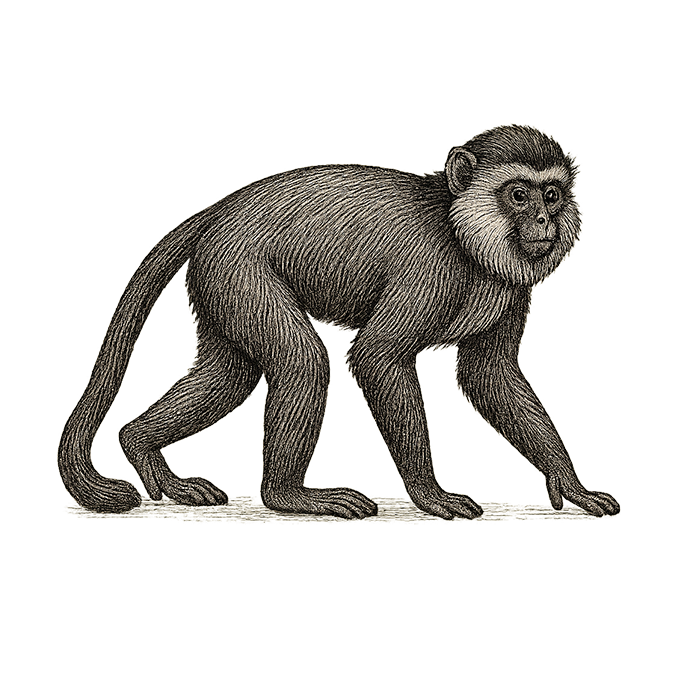
Golden Monkey "Photogenic"
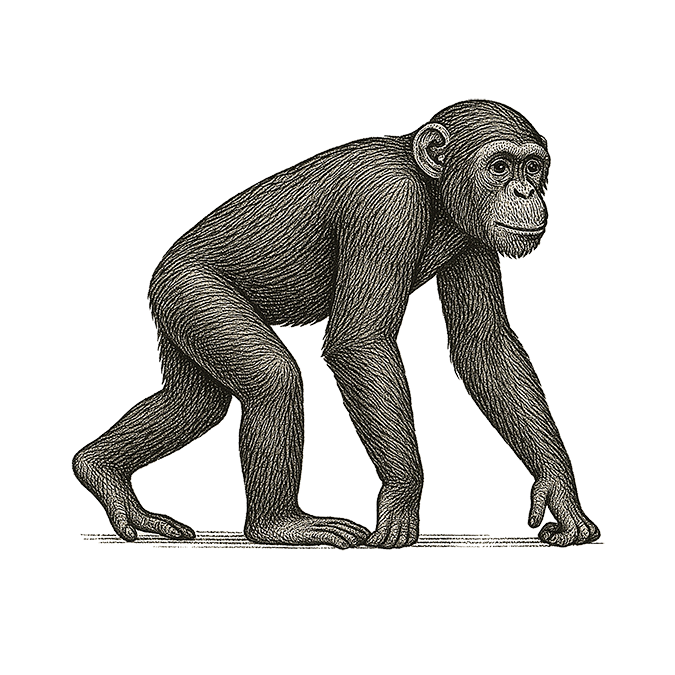
Chimpanzees "Pant-hoot"
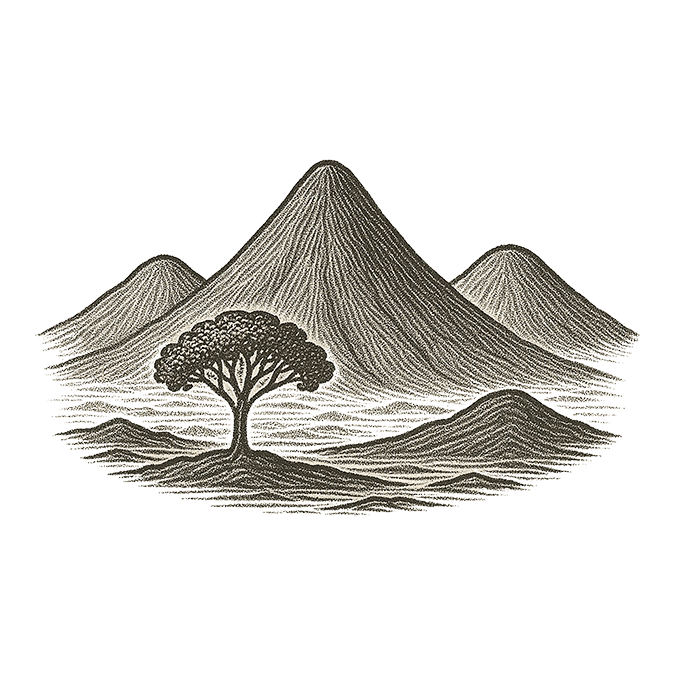
Volcanoes "Real Forest Africa"
Experience East Africa the Way It Was Meant to Be
Northern Kenya’s arid Samburu region is the country’s main hub for camel trekking, a mode of travel that remains genuinely practical here rather than purely a tourist novelty, since local Samburu pastoralist communities still use camels for transport and trade across this dry, sparsely populated landscape. Guided treks typically range from a few hours to multi-day camel-supported walking safaris, where the camels carry camping equipment and supplies while guests walk alongside a local guide, camping at a different spot each night.
Further north still, communities around Lake Turkana also use camels extensively, and some specialist operators run longer expedition-style camel treks into this remote, striking landscape of volcanic terrain and the world’s largest permanent desert lake, though these trips require significantly more planning, time, and a higher tolerance for basic camping conditions than a standard safari. Camel trekking in this part of Kenya is generally paired with a broader northern Kenya itinerary that includes Samburu National Reserve’s wildlife, rather than being booked as a standalone activity.