

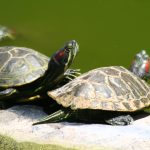
Turtle Watching
January 28, 2026
Snorkeling
January 28, 2026

Scuba Diving
Scuba diving opens a doorway into a world that feels both alien and deeply connected to life on Earth. Beneath the ocean’s surface lies a realm of color, movement, and silence where time slows and awareness sharpens. Scuba diving is not simply a sport or recreational activity; it is an immersive journey into one of the planet’s most complex and beautiful ecosystems. From vibrant coral gardens to dramatic underwater cliffs and shipwrecks, diving reveals stories written in water, light, and life.


Golden Monkey Trekking
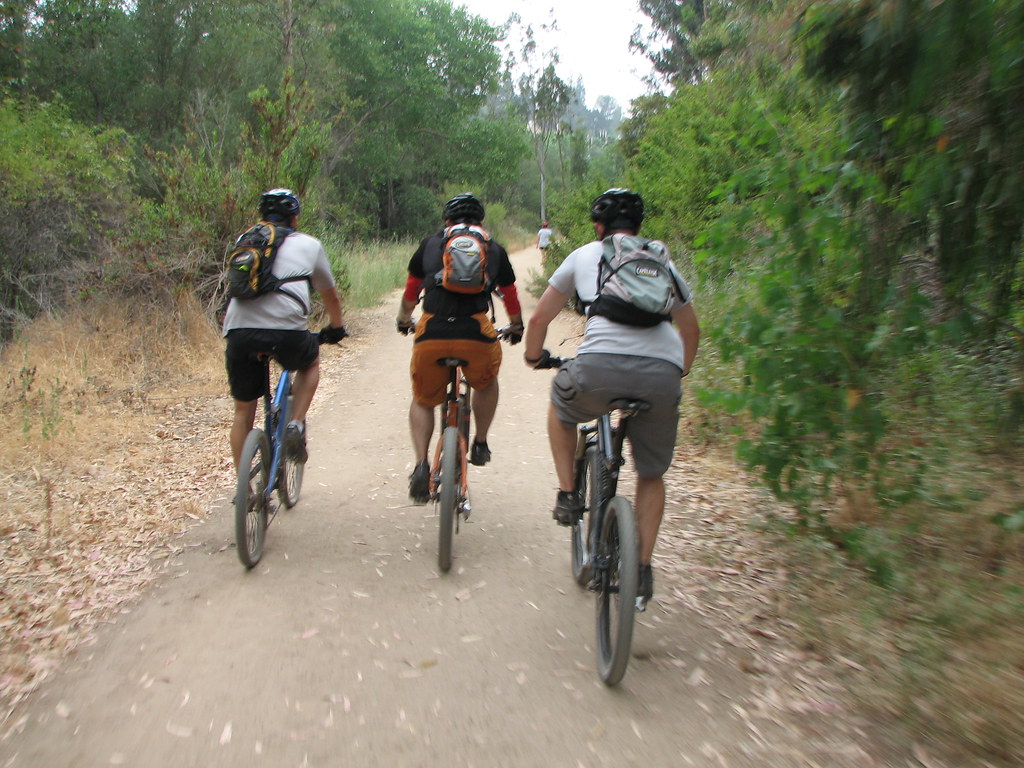
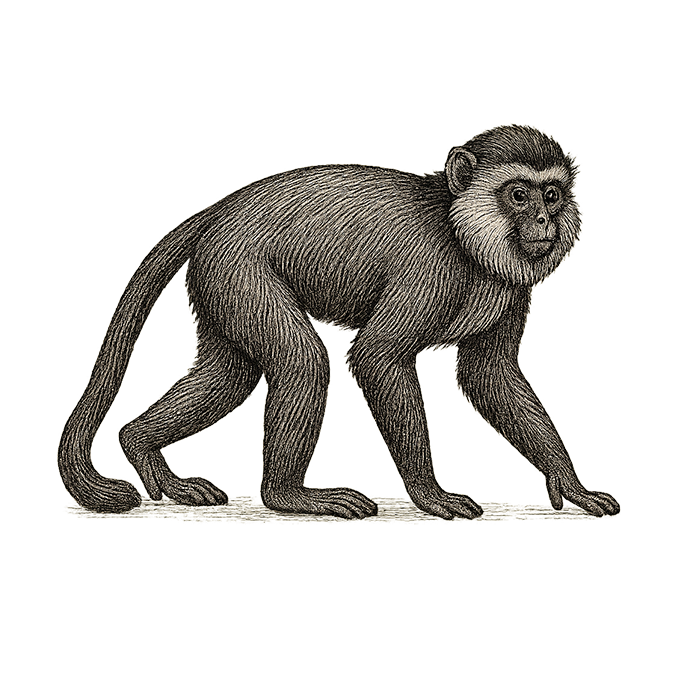
Golden monkeys are endemic to the Albertine Rift, meaning they are found nowhere else in the world. Trekking to see them is not only an adventure but also an opportunity to witness a rare species whose survival depends on continued conservation and responsible tourism.
Scuba Diving: A Complete Guide to Experiences Across the Region
Why Scuba Diving Is a Transformative Experience
Scuba diving changes how people perceive the natural world. Floating weightlessly in water creates a sense of freedom unlike anything on land. Sounds fade, movements become slow and deliberate, and attention shifts inward and outward at the same time. Divers learn to observe rather than chase, to remain calm, and to move with the rhythm of the ocean.
The emotional impact of diving often surprises first-time participants. Encounters with marine life feel personal and intimate, even when no physical interaction occurs. Watching a reef come alive with color or meeting the gaze of a curious fish fosters respect for marine ecosystems and a deeper understanding of humanity’s place within nature.
Scuba Diving Environments and Underwater Landscapes
The underwater world is extraordinarily diverse, offering a range of diving environments that rival terrestrial landscapes in scale and complexity. Coral reefs are among the most popular and visually striking dive sites, known for their intense colors, intricate formations, and dense marine life. These ecosystems support thousands of species and are often referred to as the rainforests of the sea.
Beyond reefs, divers explore underwater walls that plunge into deep blue depths, sandy plains dotted with rays and sharks, and volcanic formations shaped by geological forces. Wreck diving introduces a historical element, where sunken ships become artificial reefs, home to fish, corals, and sponges. Each environment offers a unique narrative and sensory experience, ensuring that no two dives are ever the same.
Marine Life Encounters While Scuba Diving
One of the greatest attractions of scuba diving is the opportunity to encounter marine wildlife in its natural habitat. Tropical waters are home to colorful reef fish, sea turtles, moray eels, octopus, and reef sharks. In some regions, divers may encounter larger species such as manta rays, whale sharks, and schooling pelagic fish.
These encounters are often unplanned and spontaneous, adding to their emotional impact. Marine animals move freely, unconfined by borders or paths, and observing their behavior provides insight into complex ecological relationships. Scuba diving teaches patience and respect, as the most meaningful encounters occur when divers remain calm and unobtrusive.
Scuba Diving Destinations Around the World
Scuba diving is possible in oceans, seas, and even freshwater systems across the globe. Warm tropical waters are favored for their comfort, clarity, and biodiversity, making them ideal for beginners and experienced divers alike. These destinations offer calm conditions, vibrant reefs, and consistent marine life sightings.
Other regions attract divers seeking adventure and challenge. Cooler waters provide unique ecosystems, dramatic underwater terrain, and rare species adapted to colder environments. Seasonal changes influence visibility, currents, and marine activity, making destination choice an important part of planning a successful diving experience.
What defines the best scuba diving destination is not only marine life but also the balance between environmental protection, professional dive operations, and responsible tourism practices.
Learning to Scuba Dive and Skill Development
Scuba diving is accessible to beginners through structured training programs led by certified instructors. Learning to dive involves understanding equipment, buoyancy control, breathing techniques, and underwater communication. Training emphasizes safety, confidence, and environmental awareness, ensuring divers are prepared to explore responsibly.
As divers gain experience, they often pursue advanced training to explore deeper waters, navigate more complex sites, and refine their skills. Continuous learning is part of the diving lifestyle, enhancing safety while expanding opportunities for exploration.
The sense of achievement that comes from mastering diving skills adds depth to the experience, turning each dive into a balance of discipline and discovery.
Best Time for Scuba Diving Experiences
The ideal time for scuba diving depends on water temperature, visibility, weather conditions, and marine life patterns. Calm seas and clear water improve comfort and viewing quality, while certain seasons bring migrations, breeding events, and increased marine activity.
Understanding seasonal variations allows divers to align their interests with natural cycles. Some divers plan trips around specific encounters, such as manta ray gatherings or coral spawning events, while others prioritize stable conditions and relaxed exploration.
Careful timing enhances the overall diving experience, ensuring safety and maximizing underwater encounters.
Safety and Responsibility in Scuba Diving
Safety is fundamental to scuba diving and underpins every successful experience. Proper training, equipment maintenance, and adherence to dive plans reduce risks and build confidence underwater. Divers learn to monitor air supply, manage depth and time, and communicate effectively with dive partners.
Responsible diving also includes environmental stewardship. Avoiding contact with coral, maintaining neutral buoyancy, and respecting marine life help protect fragile ecosystems. Ethical diving practices ensure that future generations can enjoy the same underwater wonders.
Scuba diving teaches accountability, both for personal safety and for the health of the ocean.
Scuba Diving for Families and Groups
Scuba diving is increasingly accessible to families and groups through tailored programs and introductory experiences. Youth diving courses introduce younger participants to marine life in controlled, age-appropriate settings. Group diving fosters shared excitement, teamwork, and collective memory-making.
For families, diving often becomes a bonding experience rooted in learning and exploration. For groups of friends or organized tours, shared underwater encounters create stories that last a lifetime.
The flexibility of scuba diving allows it to adapt to different ages, skill levels, and travel styles.
Combining Scuba Diving with Other Travel Experiences
Scuba diving integrates seamlessly with broader travel itineraries. Coastal vacations, island escapes, cultural tours, and wildlife safaris often include diving as a highlight. Combining marine exploration with land-based adventures creates a balanced journey that showcases diverse ecosystems.
In Africa and other regions, travelers may pair scuba diving with safari experiences, cultural immersion, or nature exploration, creating a unique contrast between land and sea. This combination enhances appreciation for the interconnectedness of Earth’s environments.
The Emotional and Mental Impact of Scuba Diving
Many divers describe scuba diving as meditative and restorative. The slow breathing required underwater promotes calmness and focus, reducing stress and mental noise. The absence of everyday distractions allows divers to be fully present in the moment.
The sense of wonder inspired by underwater life often leads to lasting changes in perspective. Divers frequently develop a deeper commitment to conservation and environmental responsibility, inspired by firsthand experiences beneath the surface.
Scuba diving is not only an adventure but a form of personal renewal. Scuba diving adventures offer a rare opportunity to explore one of the planet’s most mysterious and beautiful realms. From vibrant coral reefs to encounters with extraordinary marine life, diving reveals the ocean as a living, breathing world full of complexity and wonder.
This experience goes beyond recreation. It fosters respect for nature, builds confidence and awareness, and creates memories shaped by silence, movement, and light. Scuba diving invites travelers to look beneath the surface—of the ocean and of themselves—and discover a deeper connection to the natural world.
Our Recommended Tour Ideas

Murchison Falls' classic activities based from a premium riverside lodge, with private transfers throughout.

Search for the shoebill stork among 450+ recorded species, with classic game drives built around the trip too.
A dedicated sunset game drive for peak predator activity, alongside the park's classic Nile boat cruise.
Cast for Nile perch below the falls, then spend an afternoon on a classic savannah game drive.

Uganda's only wild rhinos at Ziwa, chimpanzee trekking in Budongo, and classic Murchison Falls game drives.
A fast, efficient fly-in trip with a game drive and boat cruise to the base of the falls.

A longer, quieter Nile cruise downstream to the Delta on Lake Albert, known for strong shoebill stork sightings.
Hike to the top of Murchison Falls where the Nile forces through a narrow gorge, plus classic savannah game drives.

Skip the long drive with a direct flight to wherever the migration currently is, for a fast, high-value trip.
What Our Travelers Enjoyed About Primate Safaris

Gorillas "Silverback"
Golden Monkey "Photogenic"
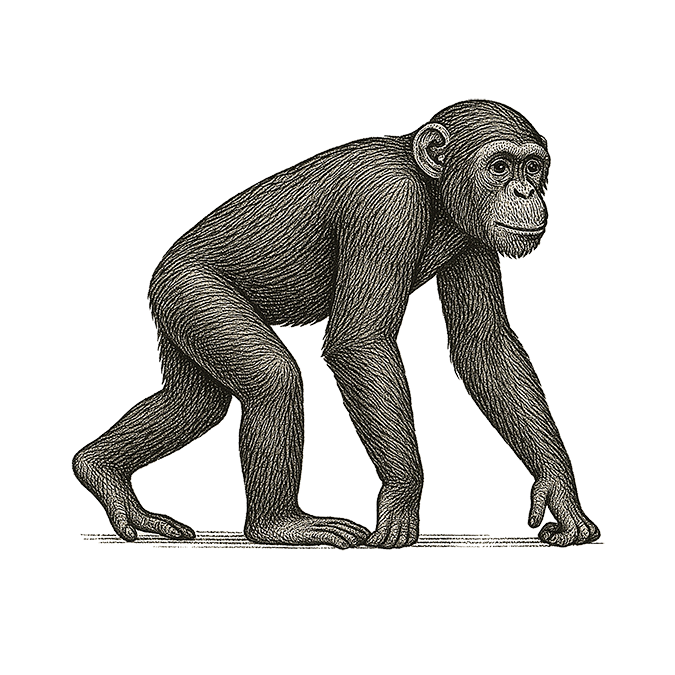
Chimpanzees "Pant-hoot"

Volcanoes "Real Forest Africa"
Experience East Africa the Way It Was Meant to Be
Pemba Island, north of Zanzibar, is generally considered the more serious diving destination in Tanzanian waters, with dramatic drop-offs and coral walls plunging into deep channel water, drawing experienced divers who want more than the shallower reef diving found closer to Zanzibar’s main tourist beaches. Zanzibar itself still offers accessible, well-established dive sites suitable for both beginners working toward a certification and more experienced divers, with several PADI-affiliated dive centers based along its northern and eastern coasts.
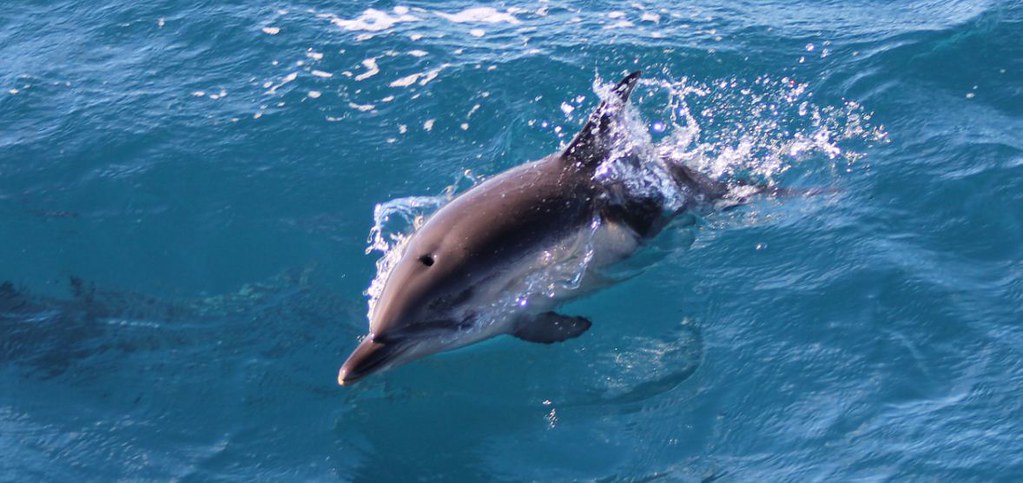
On the Kenyan coast, the Kisite-Mpunguti Marine Park near Wasini Island is the country’s most respected dive site, protecting a compact but biodiverse reef system with regular sightings of turtles, moray eels, and large schools of reef fish, and it’s often combined with a dolphin-watching boat trip in the same outing. Mafia Island in Tanzania adds a further draw for divers specifically: a seasonal aggregation of whale sharks, typically between November and February, that has made it one of the more sought-after specialty diving destinations on the coast. Most dive operators in the region offer courses for beginners as well as guided dives for certified divers.