

Fossil Site Visits
January 28, 2026
Stargazing / Night Sky
January 28, 2026

Rock Art & Cave Paintings
Rock art and cave paintings in Africa represent some of the oldest surviving expressions of human creativity and spirituality. Long before written language, early communities used stone surfaces and cave walls to record their beliefs, daily life, rituals, and relationships with nature. Visiting these ancient sites is like stepping into a living archive where stories etched thousands of years ago still speak to the present.




Chimpanzee Trekking
Chimpanzee trekking in Africa is a powerful and intimate wildlife experience that combines adventure, education, and conservation. From the dense forests of Uganda and Rwanda to the remote shores of Lake Tanganyika in Tanzania, each destination offers a unique perspective on chimpanzee life in the wild.
Rock Art & Cave Paintings: A Complete Guide to Experiences Across the Region
Why Rock Art Visits Are a Unique Cultural Experience
Rock art and cave painting visits stand out because they bridge the gap between archaeology, culture, and nature. Each image, symbol, or engraving reflects the worldview of early humans and their interaction with the land. Scenes of hunting, dancing, animals, and spiritual rituals reveal how ancient societies understood survival, community, and the unseen world.
These sites offer more than historical insight; they encourage reflection on humanity’s shared origins. Standing before paintings created thousands of years ago evokes a sense of continuity, reminding visitors that creativity and storytelling are fundamental human traits that transcend time.
Africa as the Cradle of Rock Art
Africa is home to some of the world’s most extensive and diverse rock art traditions. From the San rock art of southern Africa to the ancient paintings of the Sahara and East Africa, the continent holds an unparalleled record of early artistic expression.
In East Africa, rock art sites are often found in caves, rock shelters, and escarpments near water sources and ancient migration routes. Uganda, Kenya, Tanzania, and Ethiopia host significant sites that depict wildlife, human figures, geometric patterns, and symbolic imagery. Southern Africa’s rock art is particularly renowned for its detailed depictions of animals and spiritual ceremonies, offering insight into the beliefs of hunter-gatherer societies.
What to Expect During a Rock Art and Cave Paintings Visit
A rock art visit typically begins with a guided walk to the site, often through scenic landscapes that enhance the sense of discovery. Guides provide historical and cultural context before entering the cave or rock shelter, explaining the significance of the location and its artwork.
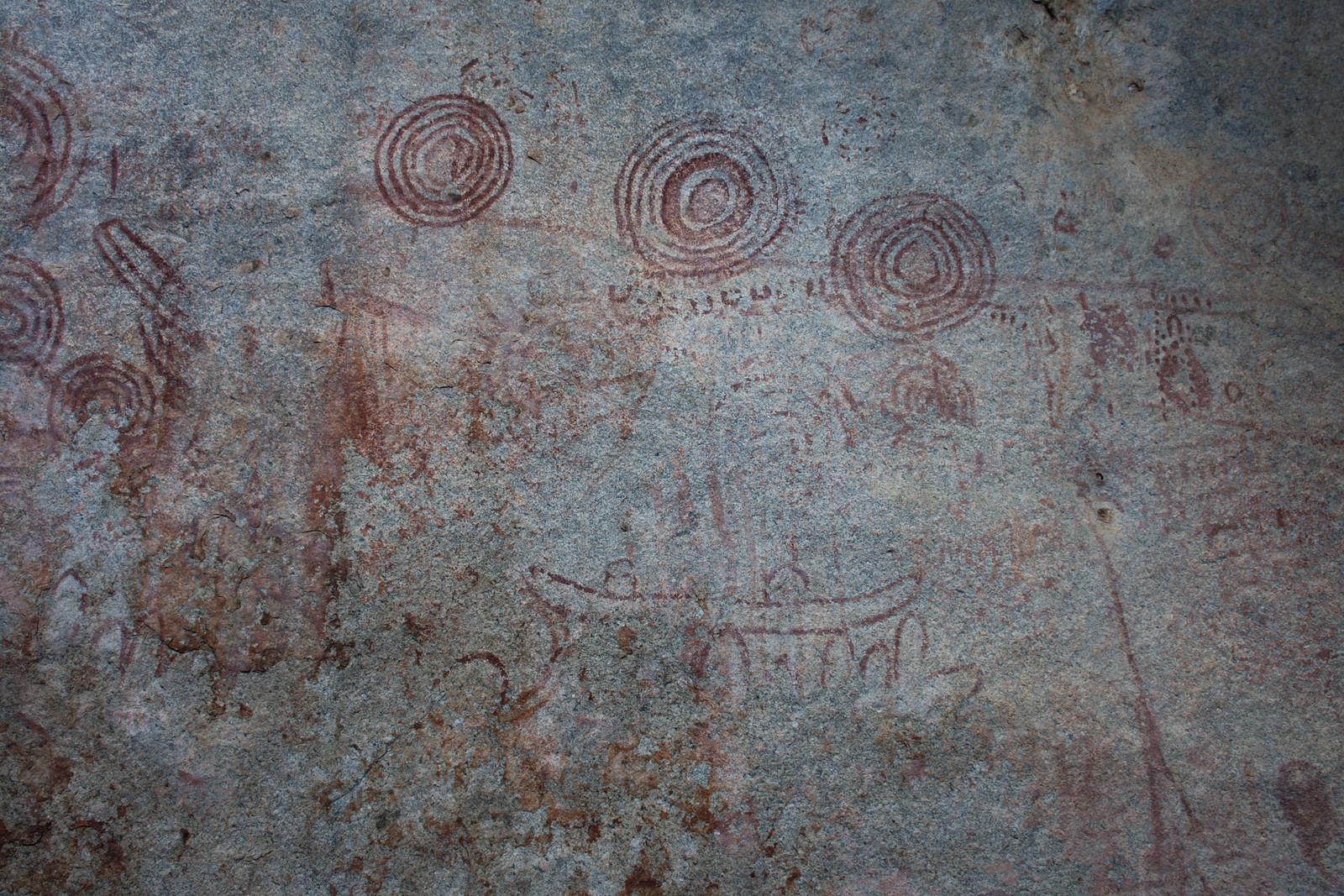
Inside the cave, visitors encounter paintings and engravings preserved on stone surfaces. Natural pigments derived from minerals, plants, and animal products were used to create enduring images that have survived centuries of exposure. Guides interpret the artwork, highlighting recurring themes, stylistic variations, and symbolic meanings that may differ across regions and cultures.
Understanding the Meanings Behind the Art
Rock art is not merely decorative; it carries deep symbolic and spiritual meaning. Many images are believed to represent rituals, trance states, ancestral worship, and relationships between humans and animals. Animals often appear as powerful spiritual symbols rather than simple representations of prey.
Interpreting rock art requires an understanding of cultural context and oral traditions. Guides often share local interpretations passed down through generations, providing insights that go beyond academic analysis. These narratives enrich the experience, transforming static images into dynamic stories of belief and identity.
The Artistic Techniques and Materials Used
Early artists demonstrated remarkable skill and innovation in their techniques. Natural pigments were carefully prepared and applied using fingers, brushes made from plant fibers, or simple tools. Engravings were created by chiseling or scratching into rock surfaces with stone implements.
Despite the simplicity of tools, the resulting artwork displays sophistication in composition, movement, and symbolism. The durability of these paintings speaks to the knowledge early humans had of materials and environmental conditions.
Sacred and Spiritual Dimensions of Cave Art Sites
Many rock art sites are considered sacred spaces, both historically and in contemporary local cultures. Caves and rock shelters were often used for rituals, ceremonies, and communication with ancestral spirits. Visiting these sites requires respect and sensitivity, as they remain spiritually significant to surrounding communities.
Guides emphasize appropriate behavior, encouraging quiet observation and reflection. This respect enhances the experience, allowing visitors to connect not only with ancient artists but also with living cultural traditions.
Preservation and Conservation of Rock Art
Rock art and cave paintings are fragile and irreplaceable. Exposure to weather, human contact, and environmental changes poses ongoing threats to their preservation. Responsible tourism plays a crucial role in protecting these sites for future generations.
During visits, touching artwork is strictly avoided, and photography may be restricted in sensitive areas. Conservation efforts often involve collaboration between governments, researchers, and local communities to monitor and protect these cultural treasures.
Best Time to Visit Rock Art Sites
Rock art visits can generally be enjoyed year-round, but dry seasons often provide easier access and clearer viewing conditions. Rain can make paths slippery and obscure details on rock surfaces. Planning visits during favorable weather ensures both safety and optimal visibility of the artwork.
Early morning or late afternoon visits offer softer light, enhancing the visibility of pigments and textures while adding atmosphere to the experience.
Educational and Family-Friendly Value
Rock art visits are highly educational and suitable for families with older children. The experience encourages curiosity about history, archaeology, and cultural diversity. Children often find the idea of ancient paintings fascinating, sparking questions and discussions that extend beyond the visit.
Guided interpretation ensures that the content is accessible and engaging, making rock art visits a valuable learning experience for travelers of all ages.
Combining Rock Art Visits with Other Cultural Experiences
Rock art and cave painting visits pair naturally with cultural tours, nature walks, and wildlife safaris. Exploring these sites alongside visits to local communities, museums, or traditional performances provides a deeper understanding of regional heritage.
In many destinations, rock art sites are located near national parks or scenic landscapes, allowing travelers to combine cultural discovery with natural exploration in a single itinerary.
The Emotional Impact of Standing Before Ancient Art
Encountering rock art in its original setting often evokes a profound emotional response. The realization that another human stood in the same place thousands of years ago, creating images that still endure, fosters a sense of connection across time.
This experience encourages reflection on humanity’s shared history, resilience, and creativity. Many visitors describe rock art visits as moments of quiet awe that linger long after the journey ends. Rock art and cave painting visits in Africa offer a rare opportunity to connect with the continent’s ancient past through powerful visual storytelling. These sites reveal the beliefs, creativity, and spiritual lives of early humans, preserved in landscapes that remain largely unchanged.
Our Recommended Tour Ideas

Murchison Falls' classic activities based from a premium riverside lodge, with private transfers throughout.

Search for the shoebill stork among 450+ recorded species, with classic game drives built around the trip too.
A dedicated sunset game drive for peak predator activity, alongside the park's classic Nile boat cruise.
Cast for Nile perch below the falls, then spend an afternoon on a classic savannah game drive.

Uganda's only wild rhinos at Ziwa, chimpanzee trekking in Budongo, and classic Murchison Falls game drives.
A fast, efficient fly-in trip with a game drive and boat cruise to the base of the falls.

A longer, quieter Nile cruise downstream to the Delta on Lake Albert, known for strong shoebill stork sightings.
Hike to the top of Murchison Falls where the Nile forces through a narrow gorge, plus classic savannah game drives.

Skip the long drive with a direct flight to wherever the migration currently is, for a fast, high-value trip.
What Our Travelers Enjoyed About Primate Safaris

Gorillas "Silverback"

Golden Monkey "Photogenic"

Chimpanzees "Pant-hoot"
Volcanoes "Real Forest Africa"
Experience East Africa the Way It Was Meant to Be
Central Tanzania’s Kondoa Irangi Rock-Art Sites, a UNESCO World Heritage Site since 2006, hold one of the densest collections of rock paintings in East Africa, spread across more than 150 known shelters cut into the granite outcrops of the Maasai Escarpment. The paintings, some estimated to be thousands of years old, are attributed to hunter-gatherer ancestors of the region’s Sandawe people, and later layers were added by Bantu-speaking farming and pastoralist communities who arrived over subsequent centuries. Depictions of elongated human figures, hunting scenes, and wildlife including giraffe and eland are still visible in ochre and white pigment.
Further north, in eastern Uganda’s Kumi District, the Nyero Rock Paintings offer a smaller but still significant site, with concentric circle motifs painted onto smooth granite boulders by early hunter-gatherer groups. Visits to either site are typically arranged with a local guide who can walk you between shelters and explain what is known, and what remains genuinely uncertain, about who painted them and why. These sites are usually added onto a broader Tanzania or Uganda itinerary rather than visited on their own, since they sit some distance from the main safari circuits.