Upemba National Park
January 28, 2026
Lomami National Park
January 28, 2026

Maiko National Park
Maiko National Park, located in the northeastern part of the Democratic Republic of the Congo (DRC), is one of Africa’s most remote and biologically rich rainforests. Covering nearly 10,885 km² (4,200 mi²), this vast park is home to some of the continent’s most endangered and elusive species, including the eastern lowland gorilla, the okapi, and forest elephants. Unlike the more frequented savanna parks of East Africa, Maiko offers a truly primal, untouched wilderness experience for those willing to journey into its dense, humid forests.




Attractions In Rwanda
Attractions In Tanzania
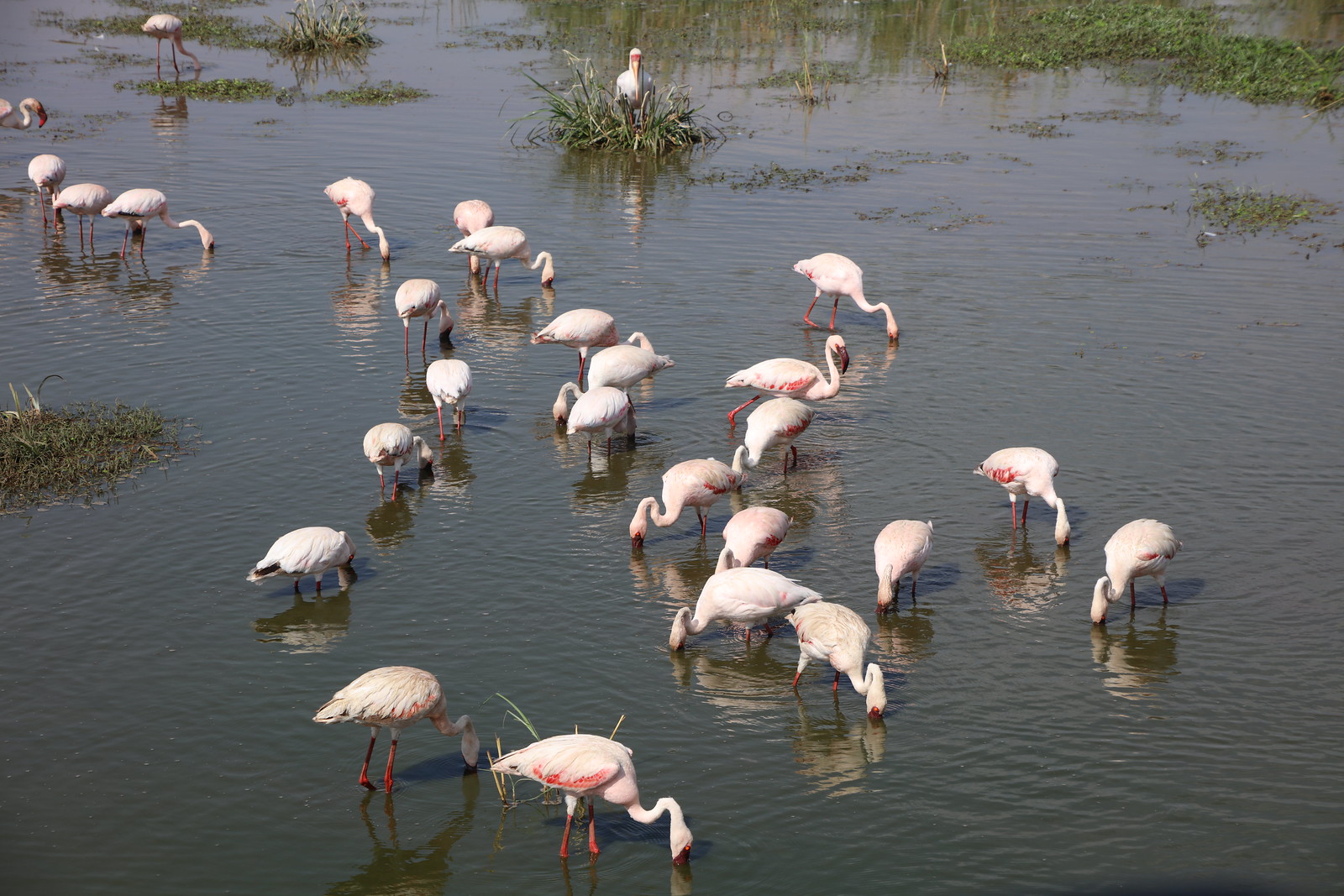
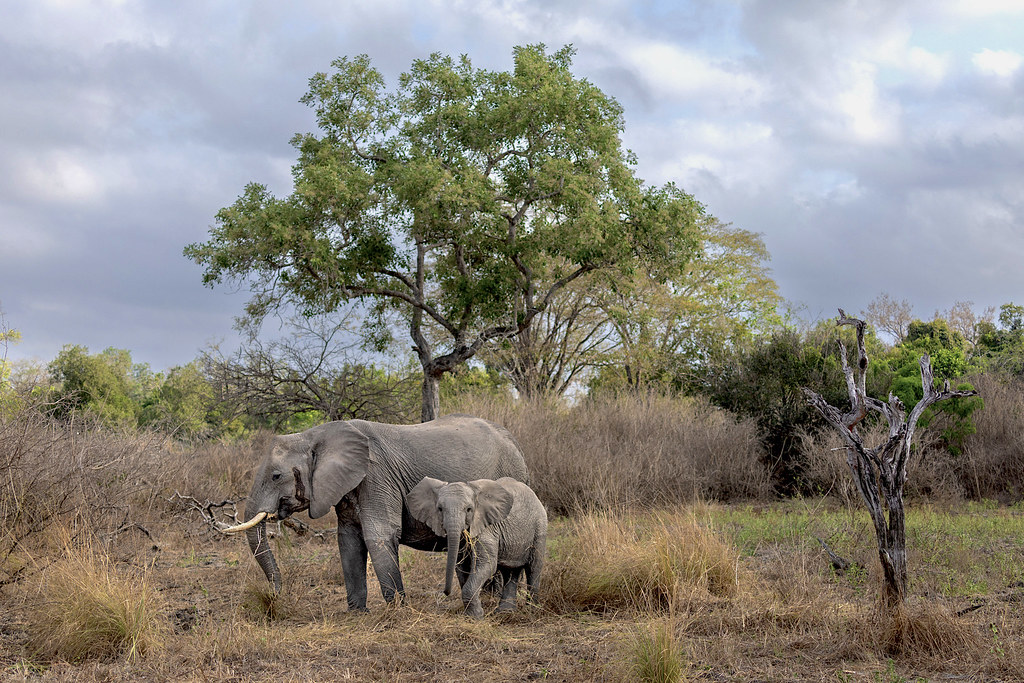
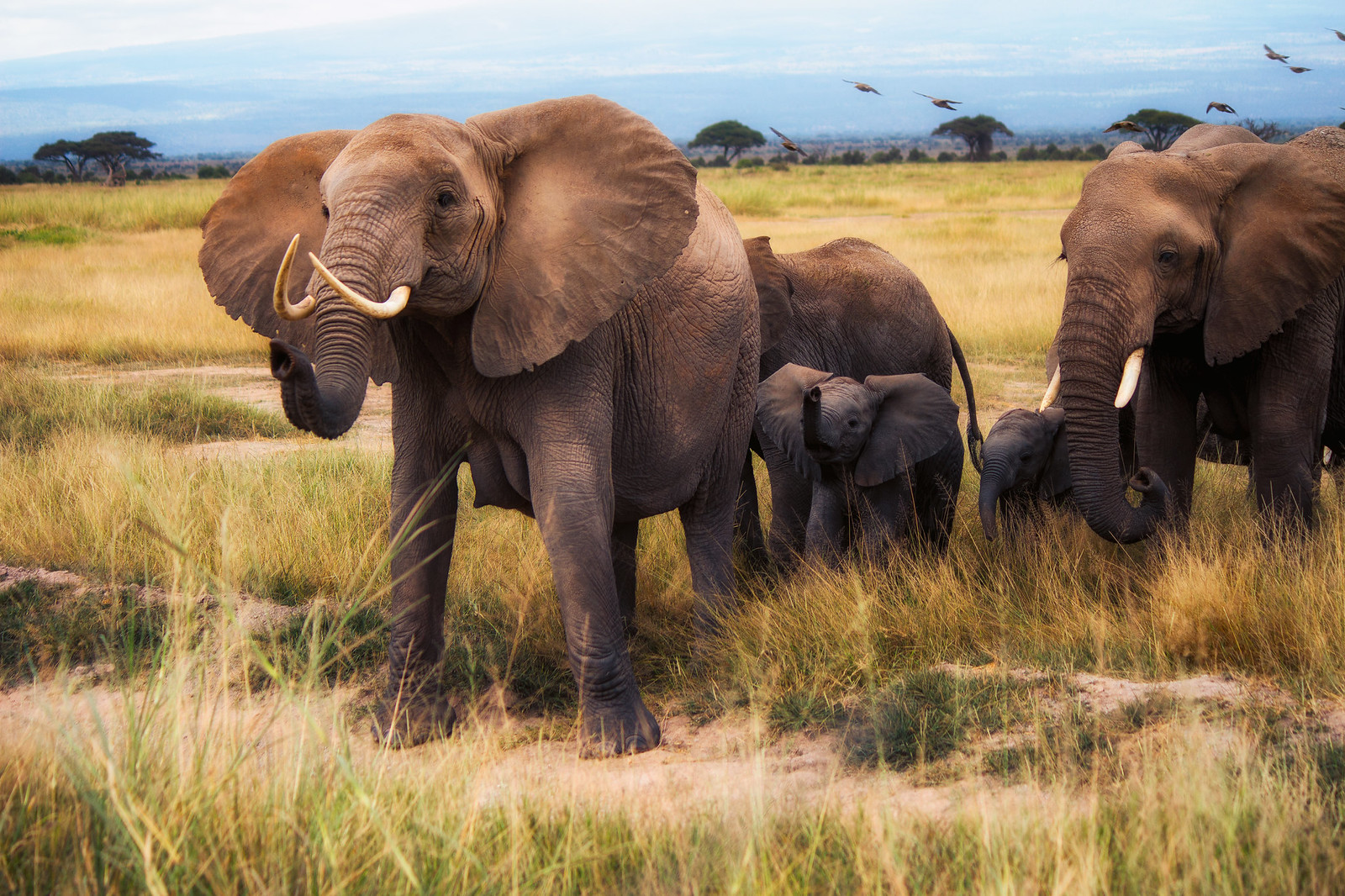
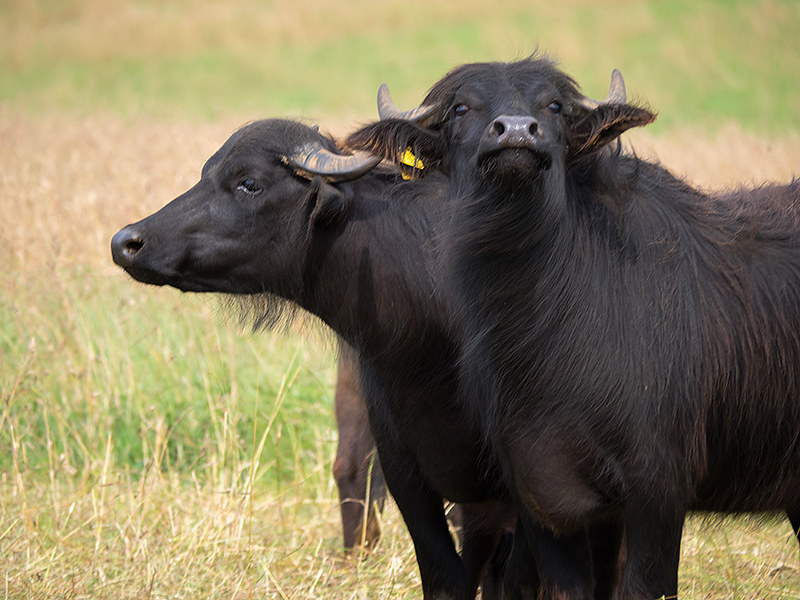
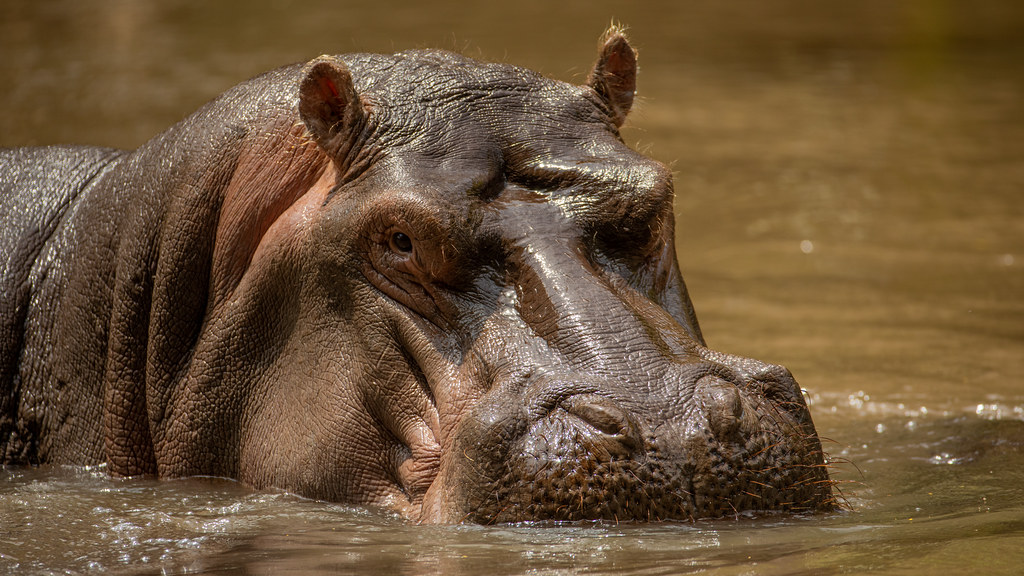
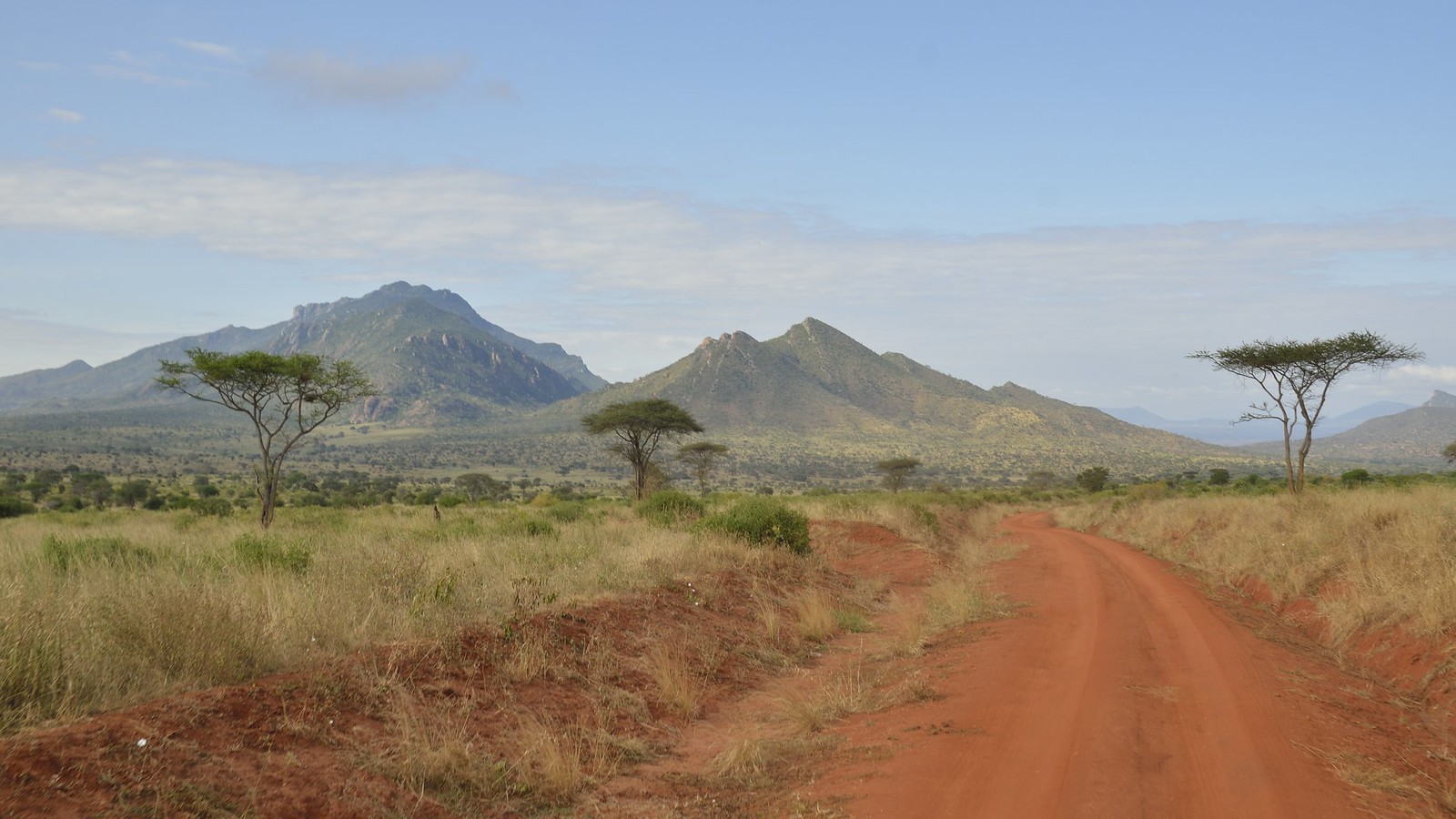
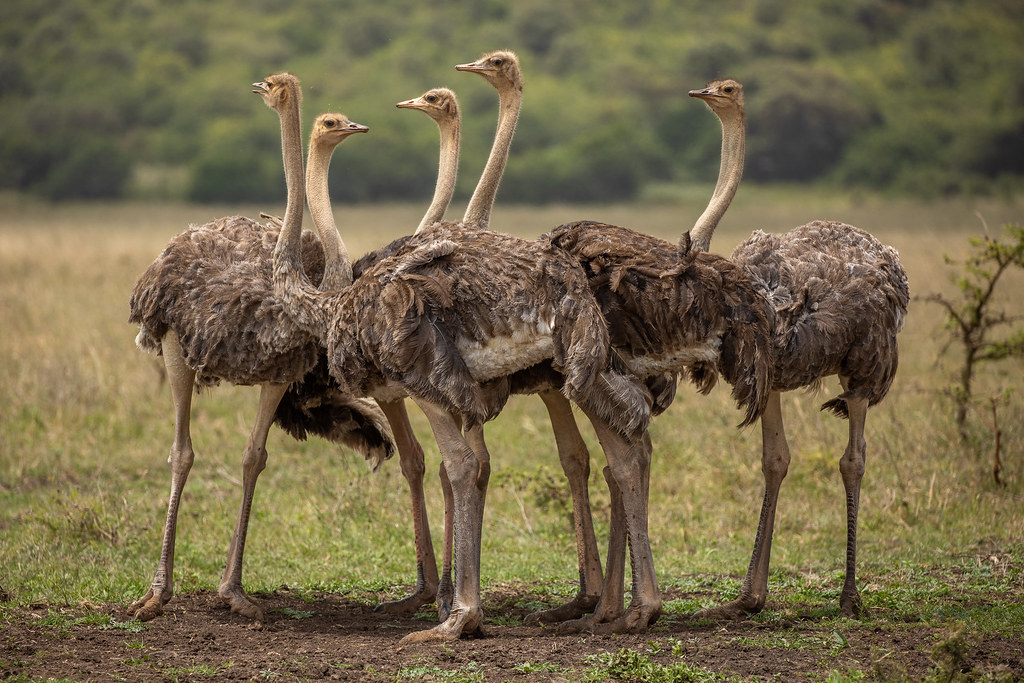
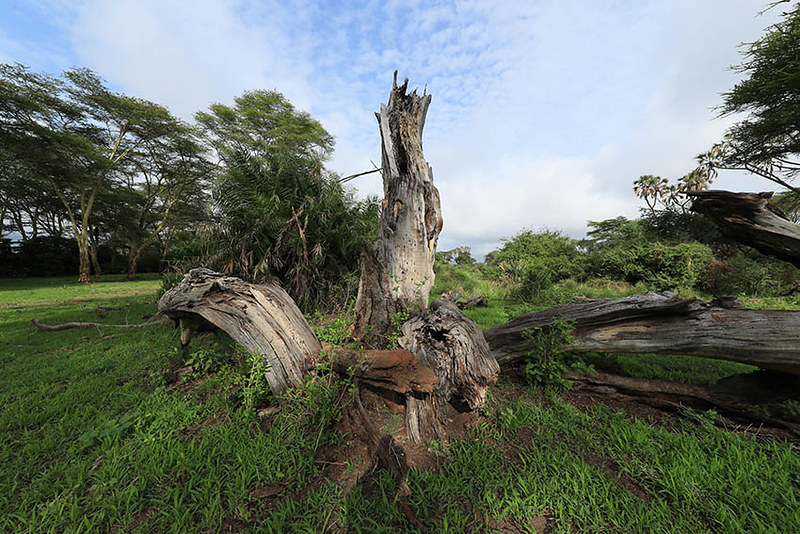
Maiko National Park
Although tourism here is extremely limited due to accessibility and safety challenges, Maiko’s ecological and conservation significance makes it an extraordinary destination for wildlife researchers, conservationists, and intrepid travelers seeking a deep immersion into Central Africa’s rainforest heart.
Maiko National Park: National Parks and Protected Areas
The Unique Ecosystem of Maiko National Park
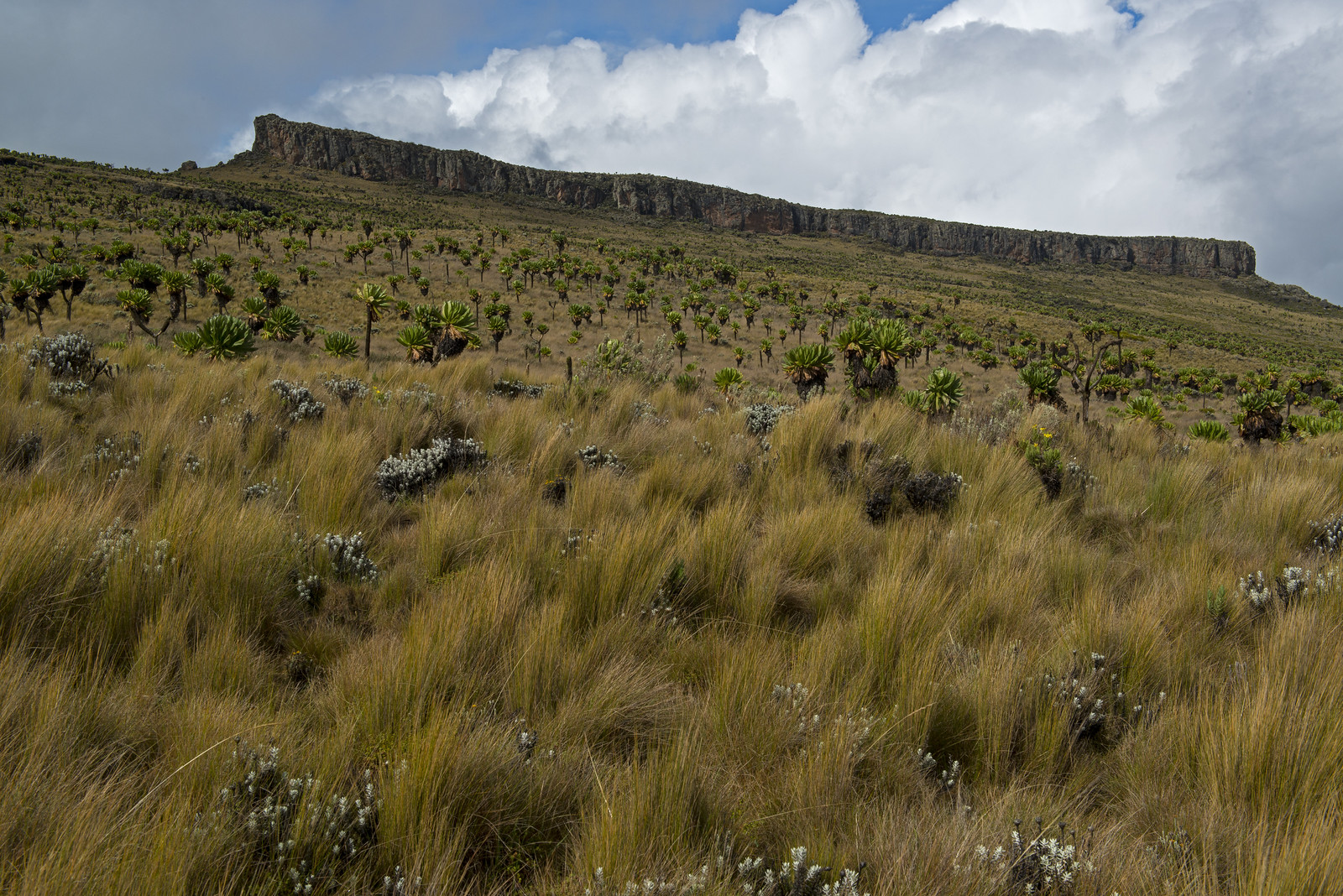
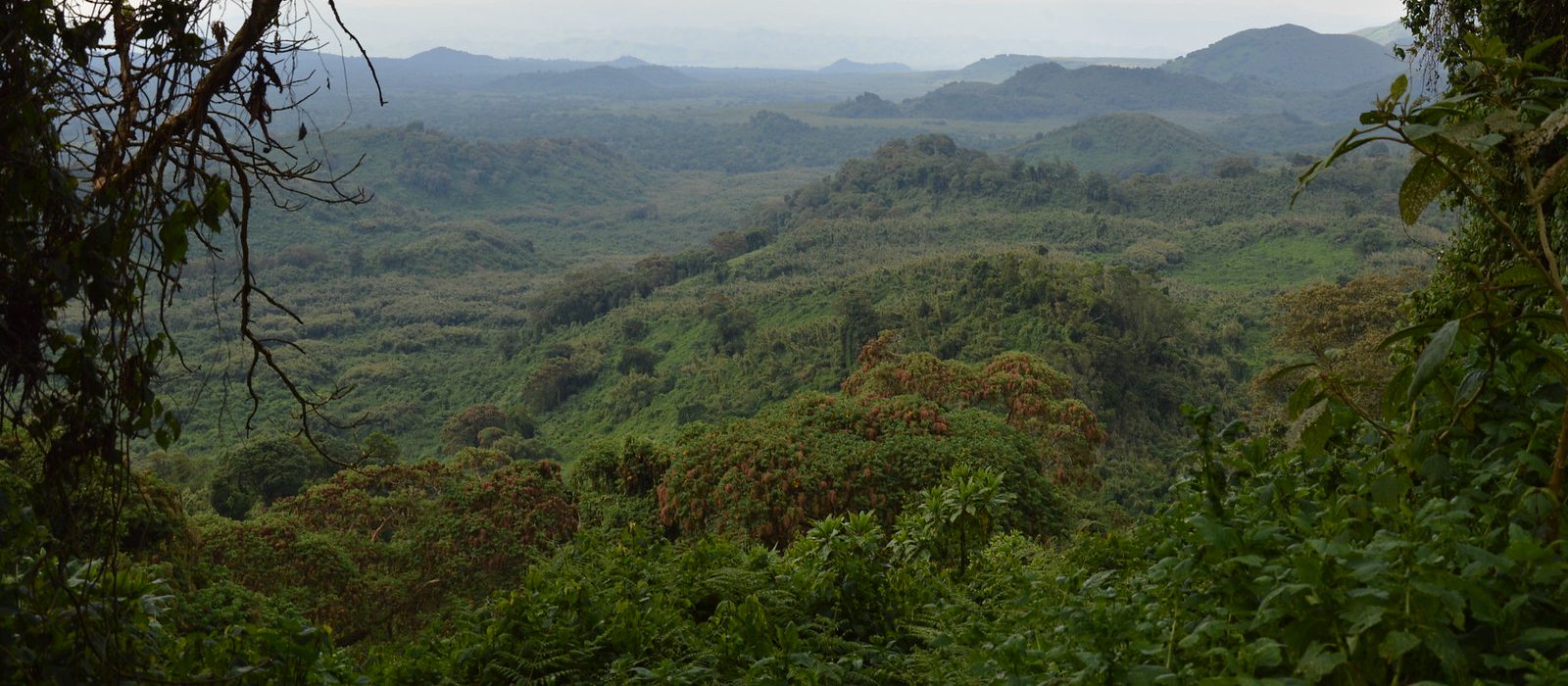
Maiko National Park lies within the Congo Basin, the second-largest rainforest in the world, and spans the provinces of Nord-Kivu, Tshopo, and Maniema. Its terrain encompasses lowland and upland rainforest, swamp forests, and river valleys, creating diverse habitats for a remarkable array of species. The park’s isolation has helped preserve its wilderness character, leaving much of the forest unexplored and largely unstudied by scientists.
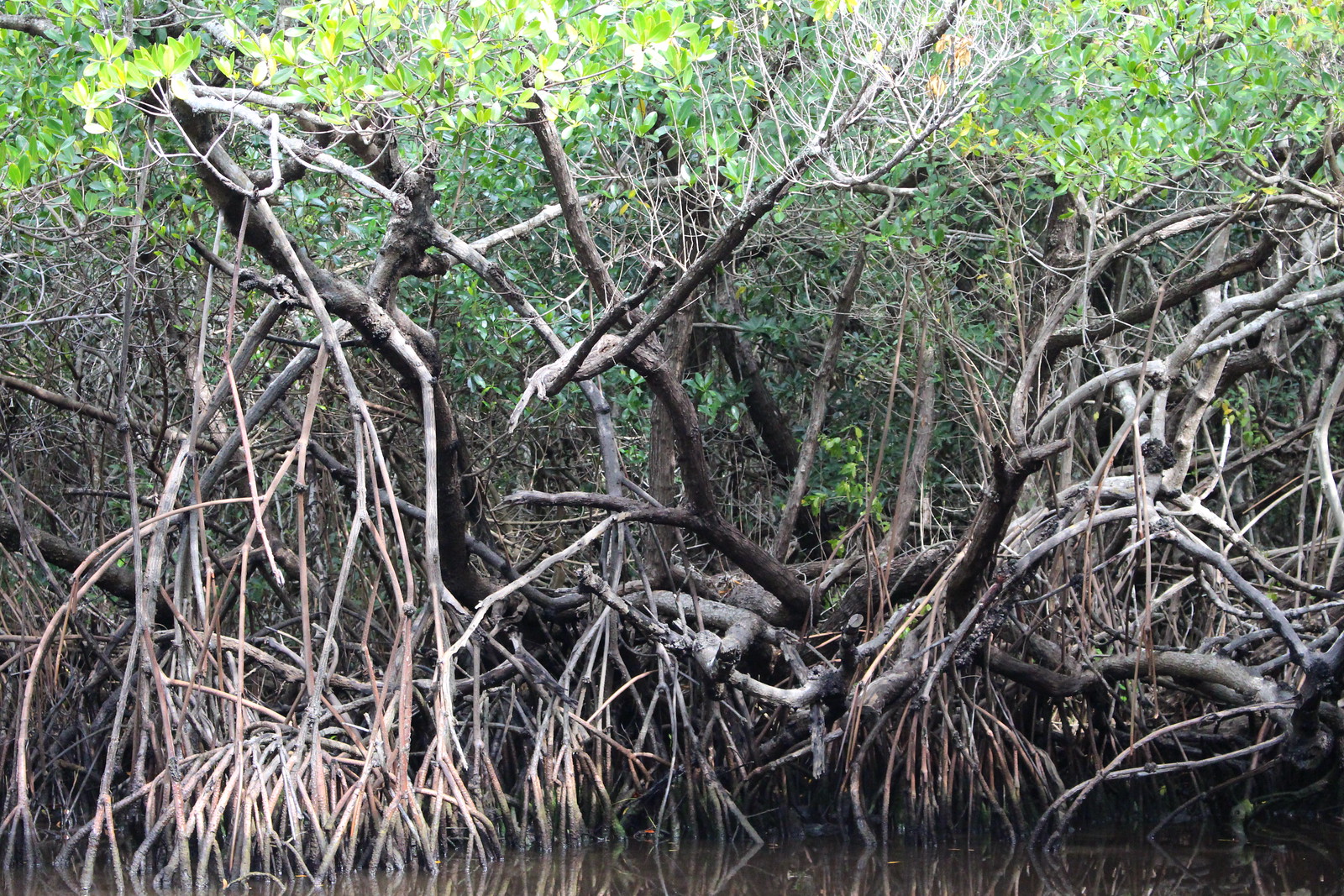
The park is ecologically vital. The dense forest serves as a carbon sink, storing massive amounts of carbon and playing a key role in regulating the global climate. The rivers and wetlands within Maiko filter water, prevent soil erosion, and provide breeding grounds for aquatic life. Mangroves along riverbanks and swampy areas support amphibians, fish, and invertebrates, maintaining the ecological balance of the region.
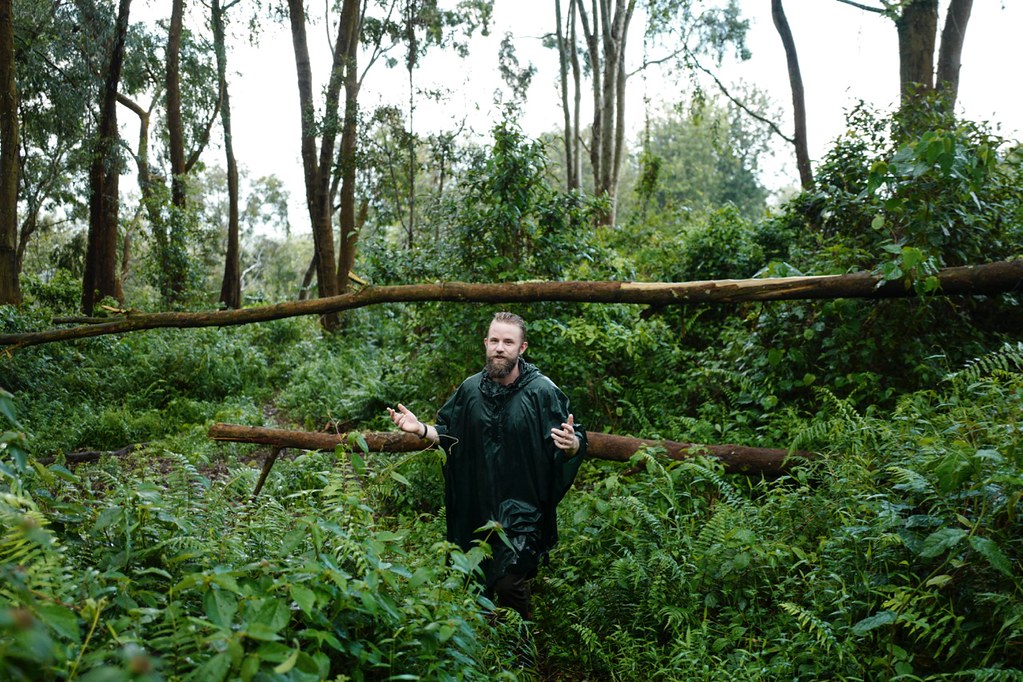
Visitors to Maiko experience a landscape unlike any other in Africa — a labyrinth of rivers, thick canopy cover, and lush undergrowth where light filters softly through the towering trees. This complexity makes the park a haven for species that are rare or extinct in other parts of Central Africa.
Endangered Wildlife of Maiko
Eastern Lowland Gorillas
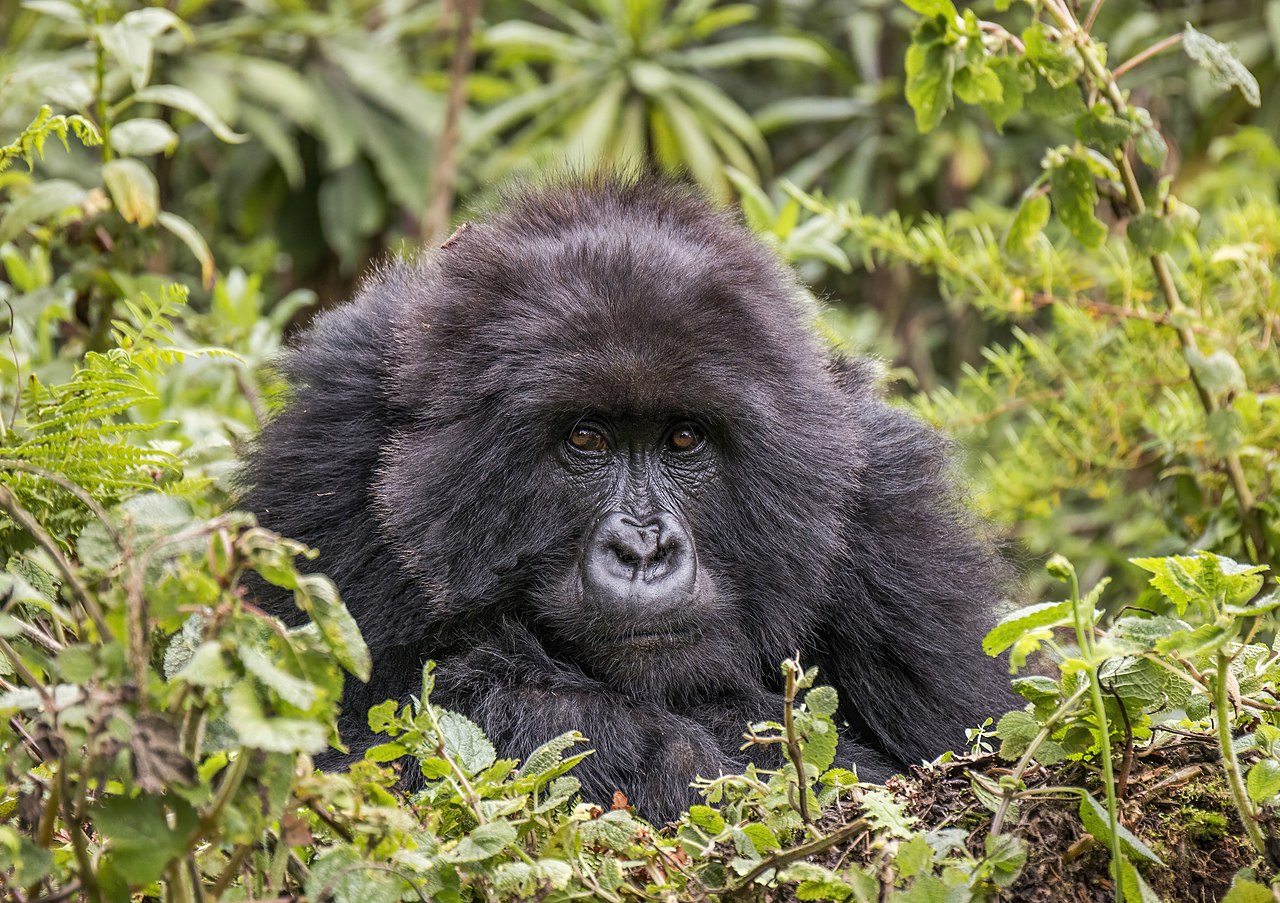
Maiko National Park is one of the last refuges for the eastern lowland gorilla (Grauer’s gorilla), the largest of all gorilla subspecies. These gorillas are critically endangered due to poaching and habitat loss. Sightings are rare and generally occur in areas deep within the forest. Researchers continue to study these populations, which makes Maiko an essential site for conservation and understanding the species’ natural behaviors.
Okapi: The Forest Giraffe
Another iconic resident of Maiko is the okapi, often referred to as the “forest giraffe.” Endemic to the DRC, okapis are shy and elusive, preferring the dense understory of the rainforest. Maiko’s undisturbed habitats make it one of the few places where this rare species thrives, offering a unique opportunity for researchers and wildlife enthusiasts to study them in their natural environment.
Forest Elephants and Other Large Mammals
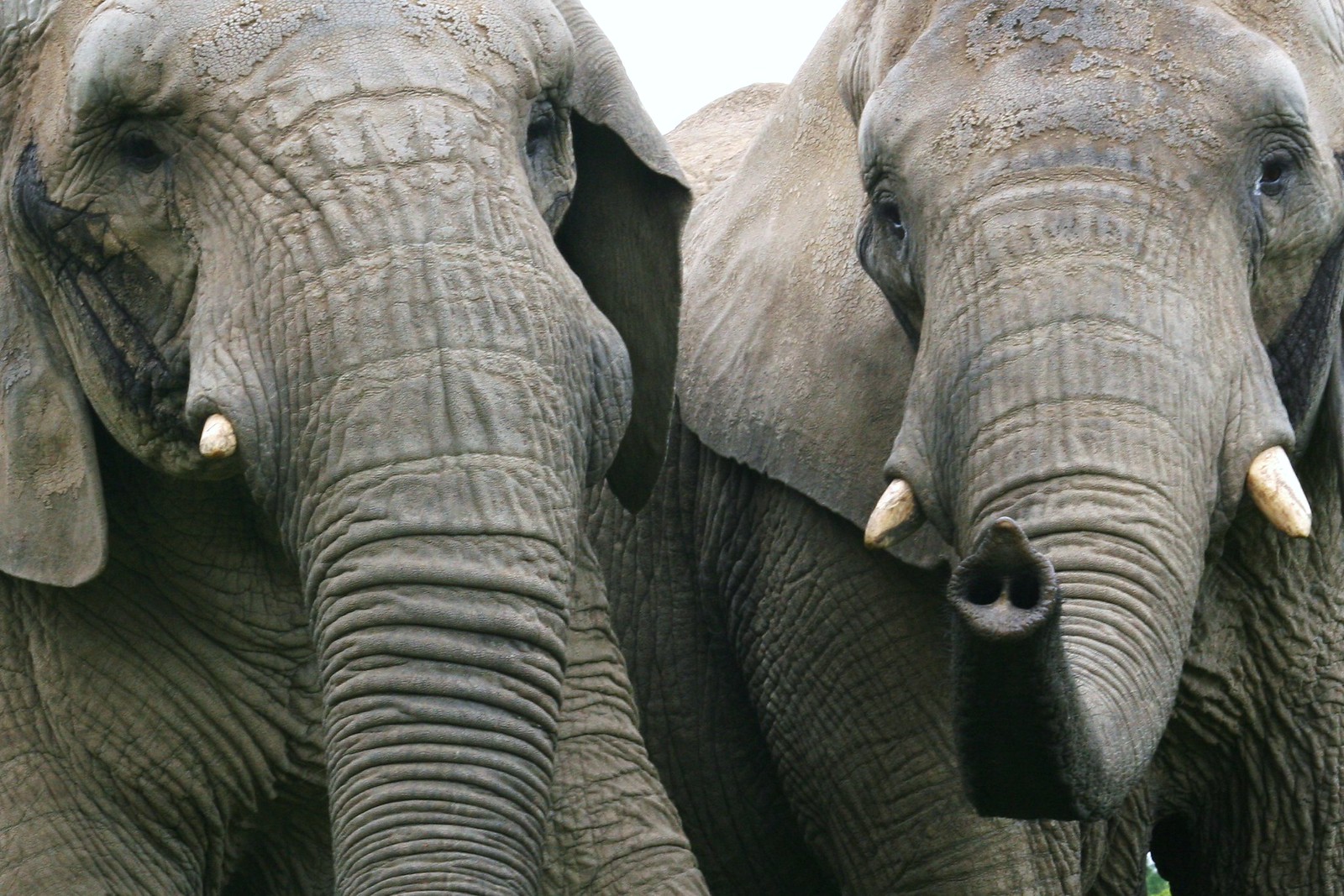
Maiko is home to African forest elephants, which are smaller than their savannah counterparts but play a critical role in forest ecology by dispersing seeds and shaping vegetation. Other mammals include bongos, forest buffalo, giant forest hogs, and a range of small carnivores. These species are often difficult to observe due to dense vegetation, but their presence underlines the park’s importance as a biodiversity hotspot.
Primates Beyond Gorillas
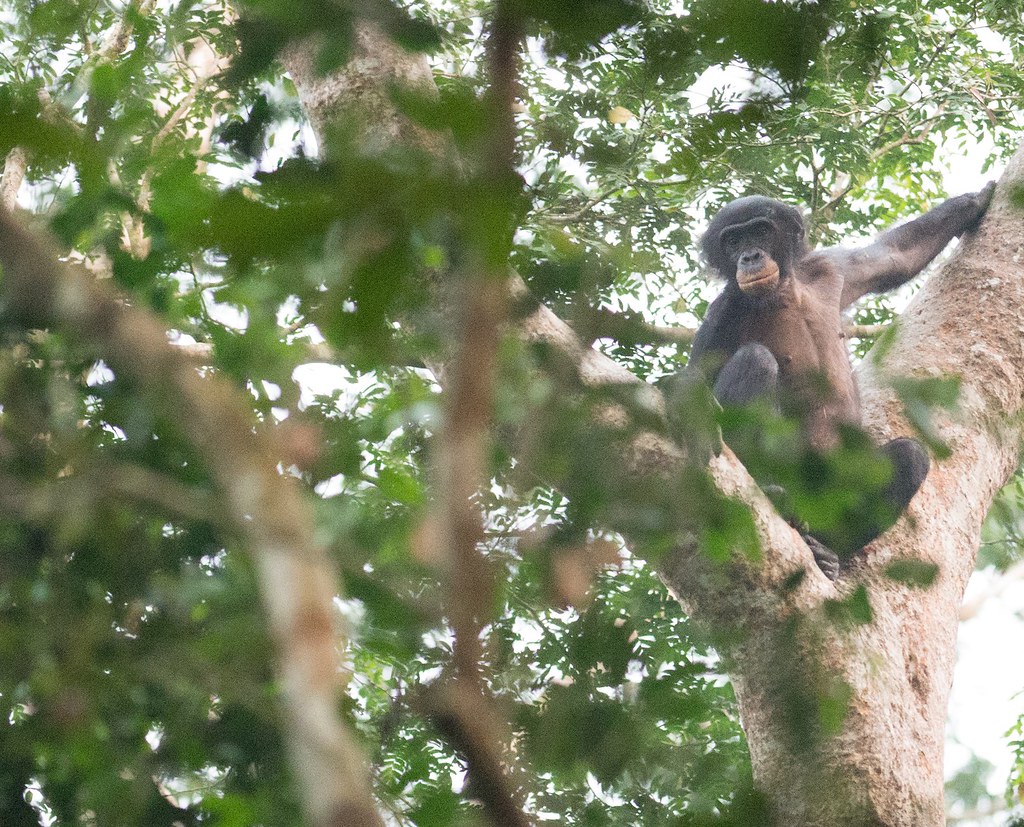
The park’s rainforest canopy and understory host numerous primate species. Populations of eastern chimpanzees share the forest with red colobus monkeys, black-and-white colobus, blue monkeys, and L’Hoest’s monkeys. Nocturnal primates, including pottos and galagos, inhabit the lower strata of the forest. Observing these species in their natural environment offers unparalleled insights into primate behavior and social structures.
Birds and Avian Diversity
Maiko National Park is an Important Bird Area thanks to its remarkable avian diversity. Over 300 bird species inhabit the park, including the endemic Congo peafowl, hornbills, turacos, African grey parrots, kingfishers, egrets, and forest songbirds. Migratory birds also frequent the park seasonally. For birdwatchers, Maiko offers a rare opportunity to spot species found nowhere else, particularly in the dense forest interiors where human presence is minimal.
Reptiles, Amphibians, and Invertebrates
Maiko’s reptile and amphibian populations include tree frogs, chameleons, pythons, and dwarf crocodiles, while countless insects and invertebrates form a critical part of the rainforest food web. Many species remain undocumented, highlighting Maiko as a frontier for scientific discovery and ecological research.
Challenges of Access and Tourism
Maiko is unlike conventional safari destinations. Its remoteness, minimal infrastructure, and historical instability in the region have limited tourism development. There are few roads, lodges, or formal trails, which means access typically requires specialized guides, logistical planning, and coordination with conservation organizations. While this makes visiting difficult, it also preserves the park’s untouched wilderness character, offering a truly raw rainforest experience for those who venture in.
Adventurous travelers, researchers, and conservationists often participate in guided expeditions that involve trekking through dense forest trails, navigating rivers by canoe, and camping within the park. These experiences provide a deep immersion into the ecosystem and allow for close encounters with rare wildlife in ways impossible in more developed parks.
Conservation Efforts
Maiko National Park faces serious threats, including poaching, illegal mining (gold and coltan), bushmeat hunting, and encroachment, all of which endanger its wildlife and ecological integrity. Despite these challenges, the Institut Congolais pour la Conservation de la Nature (ICCN), supported by international partners, continues to implement conservation measures such as ranger patrols, habitat monitoring, community engagement, and anti-poaching initiatives.
Community involvement is vital. Local ethnic groups, including the Kumu, Bali, Ndaka, and Lokele, have lived alongside the forest for generations and provide valuable traditional knowledge for sustainable conservation practices. Educational programs aim to raise awareness about the ecological and economic benefits of protecting the park, highlighting how safeguarding wildlife can also support livelihoods.
What Visitors Can Expect
Tourism in Maiko is not mainstream. Visitors should be prepared for challenging conditions, including humid heat, muddy terrain, dense vegetation, and long treks. Activities may include guided rainforest walks, primate tracking, birdwatching, and river exploration by canoe. Each expedition provides a sense of discovery, revealing the forest’s hidden wildlife and intricate ecosystems.
Due to its difficulty, visiting Maiko requires careful planning and collaboration with specialized tour operators or conservation organizations. Travelers must prioritize safety, follow local guidance, and respect the fragile environment. Those willing to take on the challenge are rewarded with an unmatched experience of Africa’s most pristine and remote rainforest.
Best Time to Visit
The drier months, from May to September, are generally more suitable for travel, as trails are slightly easier to navigate and river levels are more manageable. However, the rainforest remains challenging year-round, and preparation is key. Visitors should pack waterproof gear, mosquito protection, quick-dry clothing, and sufficient supplies for extended treks in remote areas.
Why Maiko Matters
Maiko National Park is one of the most critical conservation areas in Central Africa. It protects endangered species, endemic primates, and unique birds while maintaining essential ecological functions such as carbon storage, water purification, and habitat connectivity. Its remoteness, biodiversity, and wilderness status make it an irreplaceable natural treasure.
For travelers seeking more than a traditional safari, Maiko offers a rare opportunity to experience Africa in its rawest form, witnessing wildlife and landscapes largely untouched by human activity. It is a place of adventure, discovery, and profound connection to nature.
Maiko National Park is not for the casual tourist. It is a destination for adventurers, researchers, and conservation-minded travelers who seek to explore one of Africa’s last true rainforests. From eastern lowland gorillas and elusive okapis to chimpanzees, forest elephants, and hundreds of bird species, the park offers unparalleled biodiversity. Its rivers, swamps, and dense forests create a unique and intricate ecosystem that continues to surprise scientists and visitors alike.
Despite the challenges of access and ongoing conservation threats, Maiko remains a symbol of Africa’s wild heart, reminding us of the importance of preserving untouched ecosystems for future generations. For those willing to venture into its depths, the park offers an unforgettable journey into the untamed and mysterious rainforests of Central Africa.
Our Recommended Tour Ideas
Trek Gabon's lush rainforests for western gorillas and forest elephants on this unique 10-day wildlife safari.
Double your gorilla trekking with both permits in Volcanoes National Park on this 4-day Rwanda gorilla safari.

Explore Uganda's diverse parks from Bwindi to Murchison Falls on this detailed rewarding 12-day Uganda safari.
Skip the long road transfer with a scenic flight straight to Volcanoes National Park for an easier first gorilla trekking trip.

Private vehicles and extended golden-hour game drives, built specifically for photographers chasing the Big Five.

Track wild chimpanzees through Kibale Forest on this intimate, rewarding 3-day Ugandan chimpanzee safari trip.
Choose Bwindi or Volcanoes for an amazing gorilla trek on this flexible and exciting 4-day Kigali safari trip.
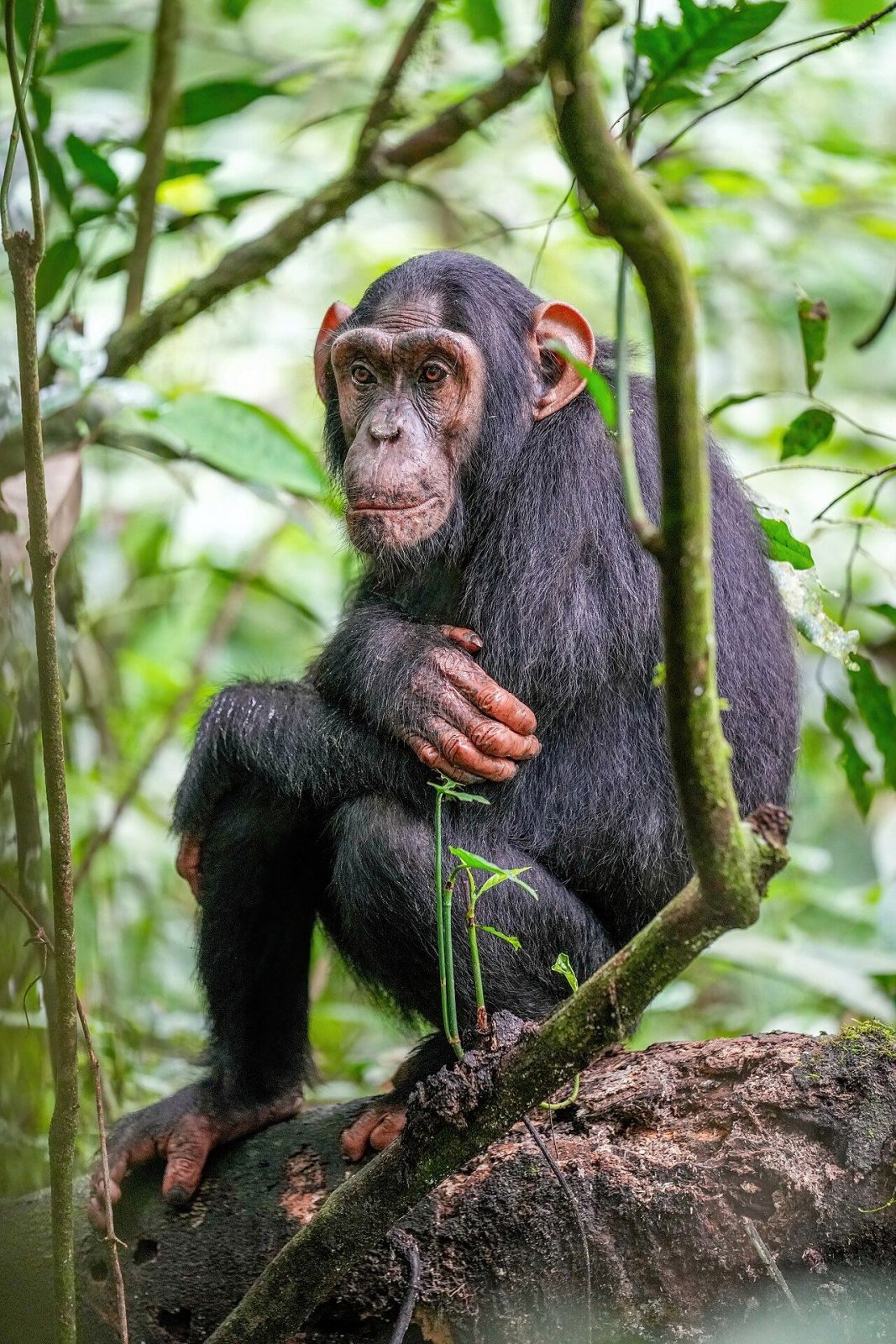
Spend up to four hours with a chimp community as researchers habituate it to humans, far beyond a standard hour-long trek.
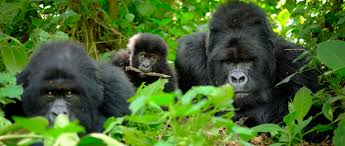
Journey from Kigali to Bwindi for a mountain gorilla encounter on this exciting short 2-day cross-border trek.
What Our Travelers Enjoyed About Primate Safaris

Gorillas "Silverback"
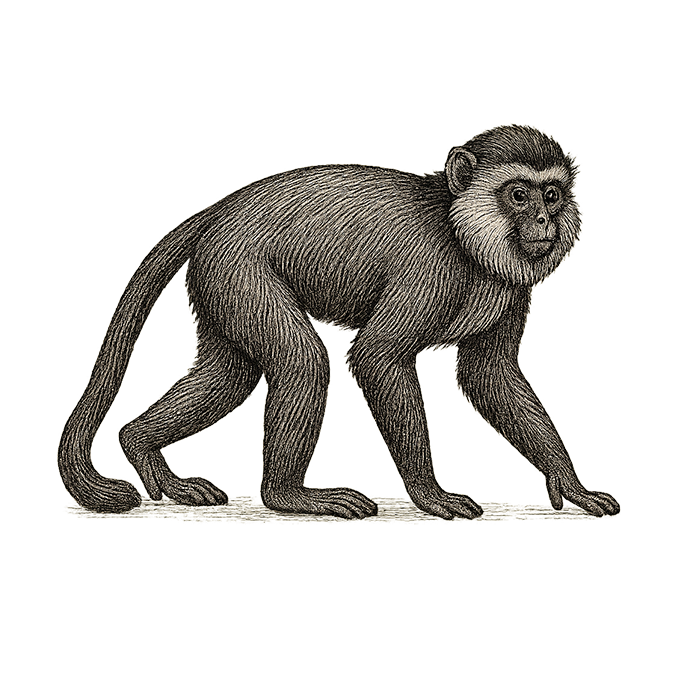
Golden Monkey "Photogenic"

Chimpanzees "Pant-hoot"