Gorilla Trekking in the Dry Season vs Rainy Season: Pros and Cons
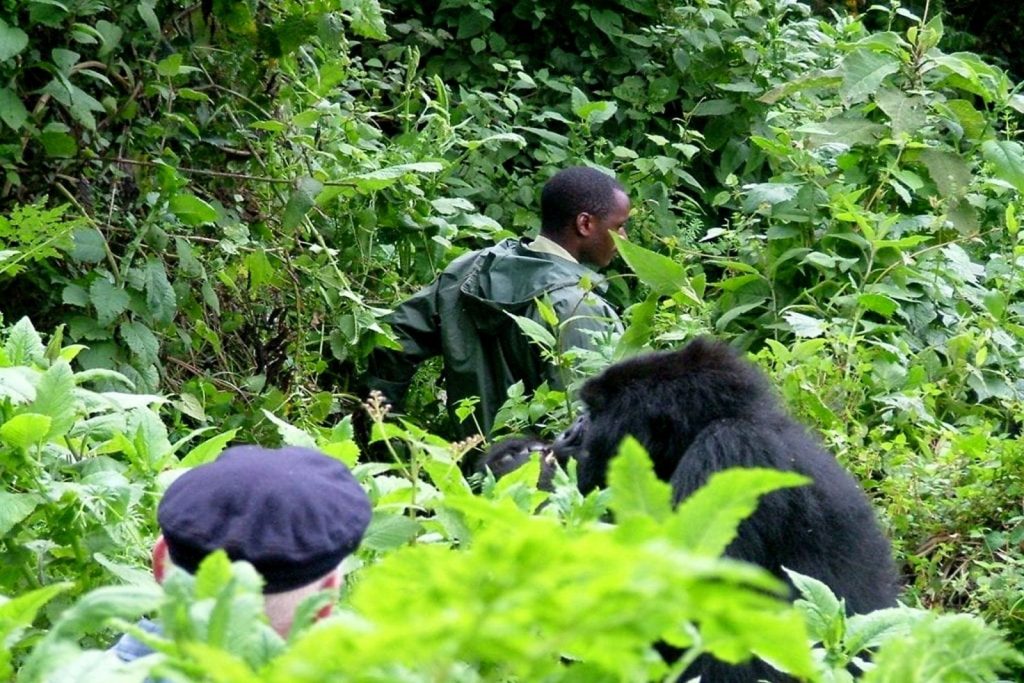
Gorilla trekking in Uganda‘s Bwindi Impenetrable National Park and Rwanda’s Volcanoes National Park is an extraordinary experience that draws wildlife enthusiasts from around the globe. One important factor that influences the trekking experience is the season. Both dry and rainy seasons offer distinct advantages and challenges, affecting trail conditions, gorilla behavior, forest scenery, and overall trekking logistics. Understanding the pros and cons of each season helps travelers plan a safe, comfortable, and memorable gorilla trekking adventure.
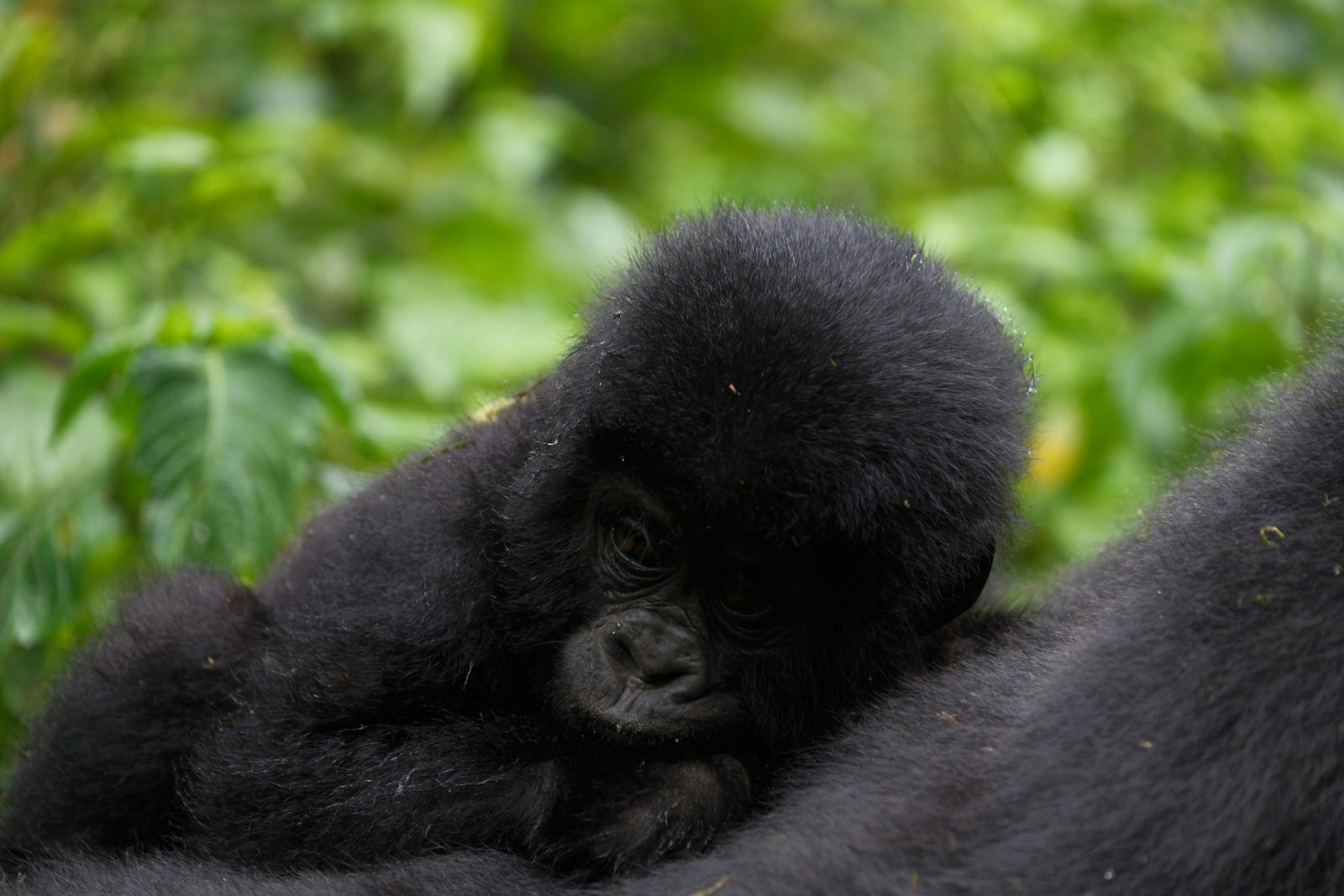
While the mountains and forests are lush year-round, seasonal variations impact accessibility, photography opportunities, and comfort levels. Trekking in the dry season may offer easier trails and more predictable conditions, while rainy season treks provide a quieter, more intimate experience with vibrant greenery and fewer crowds. The choice of season ultimately depends on traveler priorities, fitness levels, and desired experiences.
Dry Season Gorilla Trekking: June to September and December to February
The dry season is generally considered the peak time for gorilla trekking. Trails are easier to navigate due to reduced mud and minimal rainfall, allowing trekkers to move more comfortably and predictably through forest terrain.
During this period, gorillas tend to be more visible as they move through the forest searching for food, making it easier for guides to locate families and for tourists to observe social interactions. The dry season is particularly favorable for photography, as natural light is more consistent, with fewer overcast days and less mist or fog.
Lodges and accommodation are typically busier during the dry season due to higher tourist numbers. Advance booking is essential, especially for popular sectors in Bwindi such as Buhoma, Rushaga, Ruhija, and Nkuringo, as well as habituated families in Volcanoes National Park like Susa or Hirwa. Despite higher crowd density, the dry season provides comfort and accessibility that appeal to first-time trekkers and those seeking predictable trail conditions.
Pros of Dry Season Trekking
- Easier trails and better footing, reducing risk of slips or fatigue.
- Higher visibility for locating gorillas quickly.
- More predictable weather and stable light for photography.
- Reduced likelihood of encountering flooded or slippery paths.
- Suitable for families, seniors, and less experienced trekkers.
Cons of Dry Season Trekking
- Higher tourist numbers can make trails and gorilla encounters less private.
- Accommodation and permits may be more expensive and require advance booking.
- The forest can appear slightly less vibrant compared to the rainy season.
Rainy Season Gorilla Trekking: March to May and October to November
The rainy season offers a contrasting experience with its lush vegetation, vibrant forest colors, and quieter trekking trails. While rain can make trails muddy, slippery, and more physically demanding, the experience is often considered more intimate and serene.
During rainy months, fewer tourists visit the parks, resulting in smaller trekking groups and a more personalized encounter with gorilla families. Guides can provide more focused attention, allowing trekkers to observe detailed behaviors and social interactions. The rain also enhances the sensory experience, with misty forests, sparkling foliage, and the sounds of flowing streams adding atmosphere to the trek.
Photography during the rainy season requires preparation, including waterproof gear, higher ISO settings, and patience for diffused or variable lighting. While trails are more challenging, the vibrant forest scenery, waterfalls, and mist create unique photographic opportunities not present in the dry season.
Pros of Rainy Season Trekking
- Lush, vibrant forest scenery with enhanced biodiversity.
- Fewer tourists, resulting in more intimate encounters.
- Lower accommodation costs and easier permit availability.
- Unique photographic opportunities with mist, rain, and reflections.
- Active wildlife and healthy vegetation make the forest ecosystem feel alive.
Cons of Rainy Season Trekking
- Muddy, slippery trails increase physical difficulty.
- Treks can be longer and more tiring due to trail conditions.
- Photography can be challenging due to low light and rain.
- Cooler and wetter conditions may require additional clothing and gear.
- Some areas may experience temporary inaccessibility after heavy rainfall.
Choosing the Right Season Based on Traveler Preferences
Travelers should weigh personal priorities, fitness levels, and trekking experience when choosing a season:
- First-time trekkers or those with children and seniors may prefer the dry season for easier trails and predictable conditions.
- Adventure-seekers and photographers may enjoy the rainy season for its intimate encounters, lush scenery, and unique photographic opportunities.
- Budget-conscious travelers can benefit from fewer tourists and lower accommodation costs during the rainy season.
- Seasoned trekkers looking for challenge may embrace wet-season trails for the rewarding combination of solitude and vibrant forest environments.
Regardless of the season, careful planning, appropriate gear, and guidance from experienced rangers and tour operators ensure a safe and memorable gorilla trekking experience. Layered clothing, waterproof jackets, gaiters, hiking boots, trekking poles, and insect repellent are essential for both seasons.
Seasonal Wildlife and Forest Observations
Beyond gorillas, each season offers unique opportunities to observe forest biodiversity. The dry season allows easier spotting of birds, monkeys, and forest insects along clear trails. In contrast, the rainy season enhances the visibility of waterfalls, streams, and forest flora, creating a dynamic environment for both wildlife enthusiasts and nature photographers.
Gorilla behavior also varies subtly with season. During wet months, gorillas may spend more time in bamboo or highland forests, consuming fresh vegetation, while dry season treks often follow more predictable feeding paths. Guides adjust trekking routes accordingly, maximizing the likelihood of rewarding wildlife encounters in both seasons.
Gorilla trekking in the dry season versus the rainy season offers distinct experiences, each with advantages and challenges. The dry season provides easier trails, consistent weather, and clear visibility, making it ideal for first-time trekkers, families, and seniors. The rainy season delivers lush landscapes, fewer crowds, and intimate wildlife encounters, appealing to adventurous travelers and photographers seeking unique forest aesthetics.
Ultimately, gorilla trekking is worth the effort in any season. Choosing the optimal season depends on personal preferences, physical readiness, and the type of experience desired. With careful preparation, the guidance of experienced rangers, and suitable gear, travelers can enjoy an unforgettable adventure observing mountain gorillas while contributing to their conservation and the protection of their habitats.