Congo vs Uganda vs Rwanda Gorilla Trekking: The Ultimate Comparison
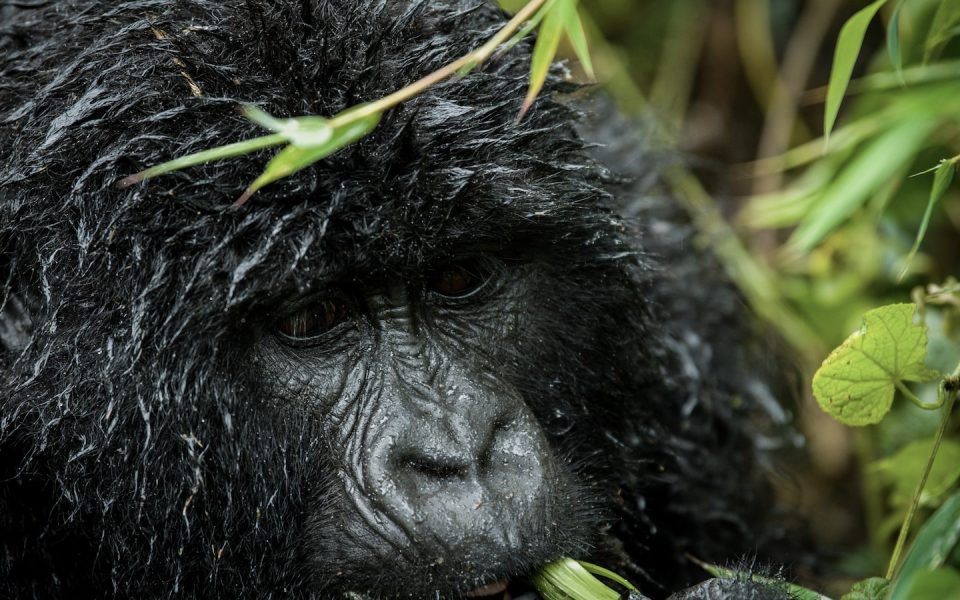
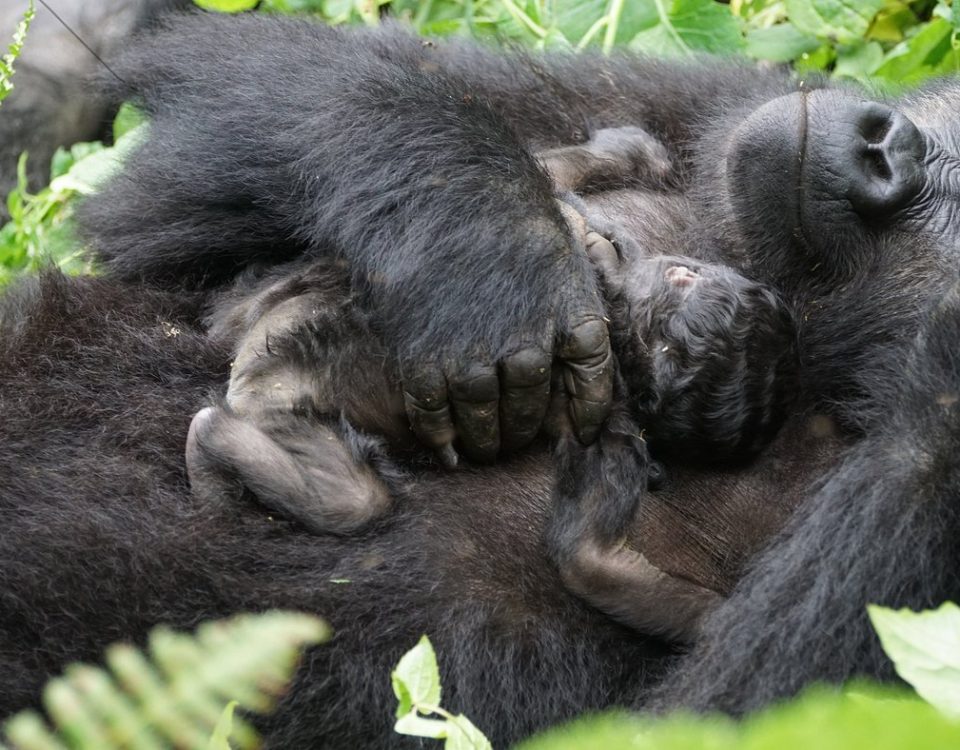
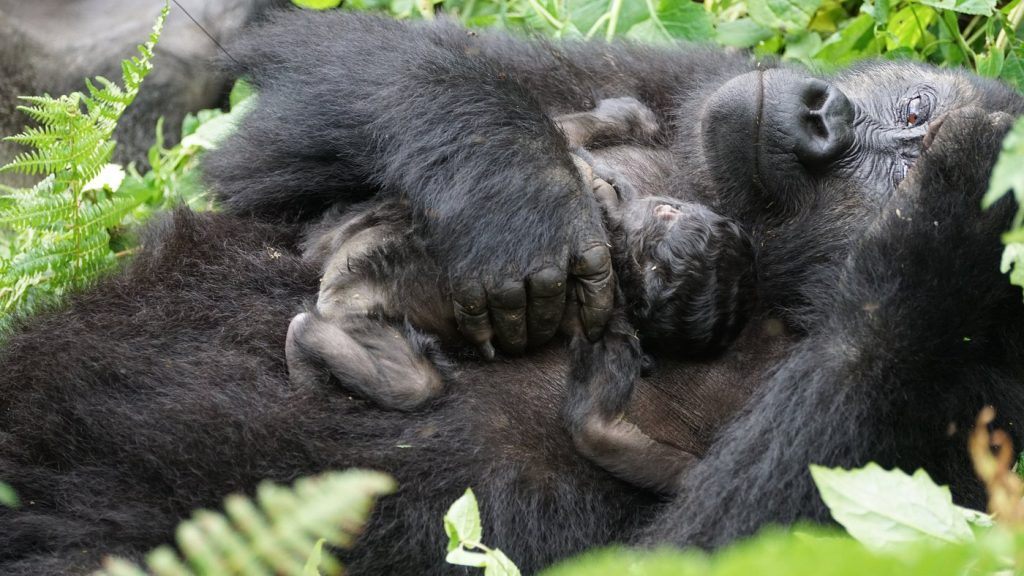
Gorilla trekking is a once-in-a-lifetime experience, and East Africa offers three primary destinations for encountering the critically endangered mountain gorilla: Virunga National Park in Congo, Bwindi Impenetrable Forest National Park and Mgahinga Gorilla National Park in Uganda, and Volcanoes National Park. Each destination offers unique landscapes, wildlife, cultural experiences, and logistical considerations. Choosing the right country for your first gorilla trek depends on your preferences, travel style, and the type of adventure you seek.
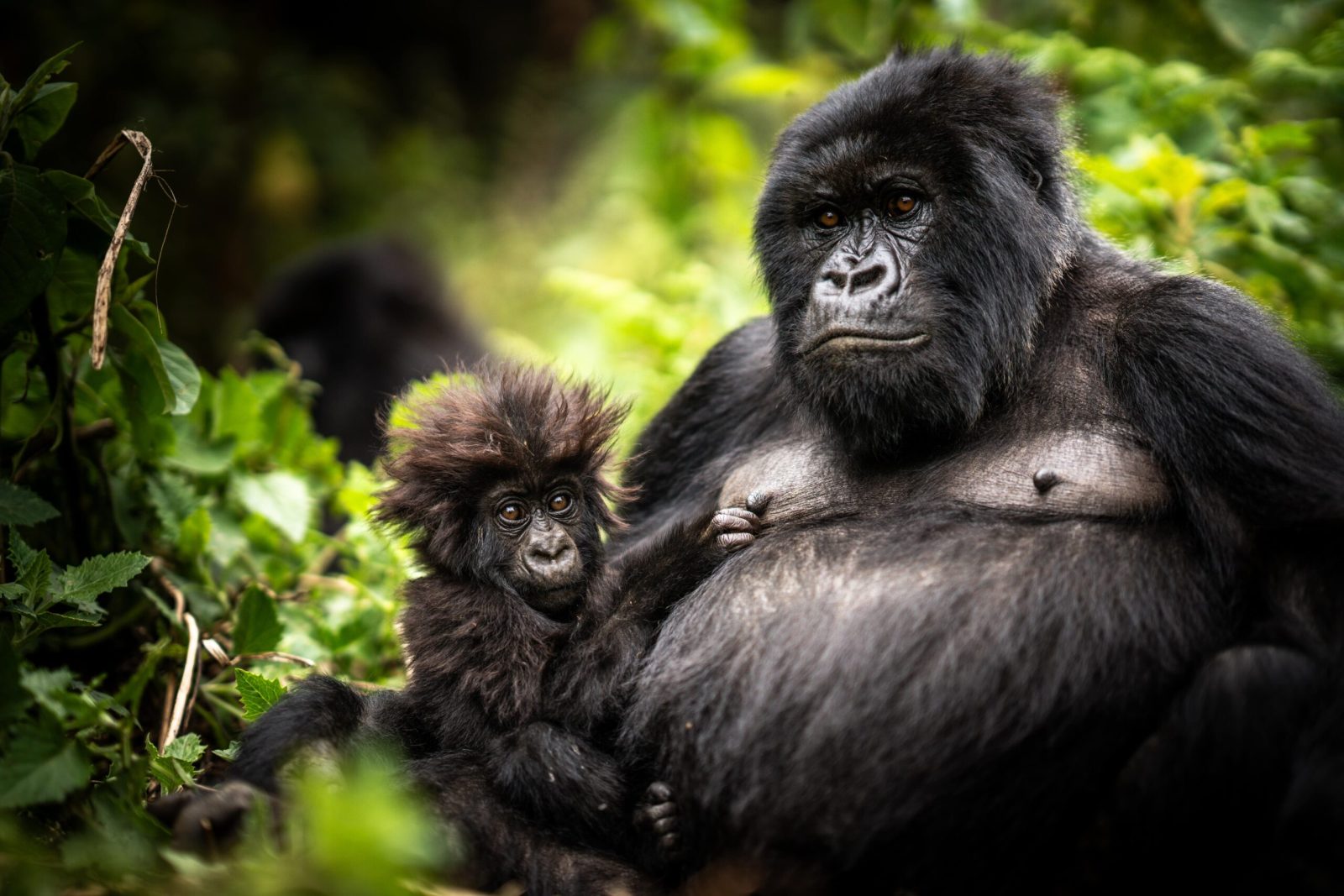
This guide compares costs, accessibility, trekking experience, group size, accommodation, and safety, providing a complete picture for 2026 travelers planning a gorilla safari.
Accessibility and Entry Points
Congo (Virunga National Park)
Virunga National Park is accessed primarily via Goma, a city in eastern DRC. Travelers often fly into Kigali or Entebbe before crossing the border. Entry involves obtaining a DRC visa, coordinating with local operators, and navigating stricter security protocols. While more logistically challenging, Congo offers a raw, less commercial trekking experience.
Uganda (Bwindi & Mgahinga)
Uganda’s gorilla parks are accessible via Entebbe International Airport, with road transfers to Bwindi or Mgahinga. Travel is straightforward, and Uganda’s tourism infrastructure is well-developed, making it ideal for first-time gorilla trekkers. Roads are generally good, although Bwindi’s remote location may require longer drives or light flights.
Rwanda (Volcanoes National Park)
Rwanda is the most compact and accessible gorilla destination. The park headquarters are near Kigali, and road transfers take 2-3 hours. Rwanda’s roads, safety, and operator coordination are excellent, making it convenient for travelers with limited time.
Gorilla Trekking Experience
Congo
- Trekking in Virunga is adventurous and often more physically challenging due to dense forest and less established trails.
- Smaller group sizes and fewer tourists provide a more intimate and authentic encounter.
- The park offers additional experiences like chimpanzee tracking and volcano hikes, enhancing the adventure component.
Uganda
- Bwindi and Mgahinga treks vary from moderate to strenuous depending on terrain and the gorilla family’s location.
- Uganda has more habituated gorilla families, increasing the chance of a successful trek.
- Groups are larger than in Congo but smaller than in Rwanda, balancing intimacy with accessibility.
Rwanda
- Trekking in Volcanoes National Park is relatively easy, with well-maintained trails.
- Rwanda prioritizes tourist comfort and efficiency, often with shorter trekking durations.
- The park has the highest habituation rate, virtually guaranteeing gorilla encounters.
Cost Comparison
Congo
- Gorilla permits: ~$400-450 (2026)
- Overall cost higher due to logistics, security, and limited accommodation options.
Uganda
- Gorilla permits: $700 for Bwindi, $600 for Mgahinga (2026)
- Travel costs lower for international flights and transfers.
- Accommodation ranges from budget to luxury, making it flexible for different budgets.
Rwanda
- Gorilla permits: $1,500 (2026)
- Rwanda is premium-priced but compensates with convenience, safety, and guaranteed sightings.
- All-inclusive tour packages are common, simplifying planning for travelers.
Group Sizes and Rules
Congo
- Smaller groups of 4-6 trekkers per gorilla family, providing an intimate and private experience.
- Strict adherence to park rules, with more rugged conditions.
Uganda
- Groups of up to 8 trekkers per family.
- Guides are experienced; protocols are well enforced.
Rwanda
- Standard group size of 8 trekkers per family.
- Highly structured and organized, with strict health and safety protocols.
Accommodation Options
Congo
- Lodges are limited and often rustic.
- Eco-lodges such as Mikeno Lodge or Sabinyo Silverback Lodge offer comfort but fewer luxury options.
Uganda
- Extensive options from budget guesthouses to luxury lodges in and around Bwindi and Mgahinga.
- Many lodges are close to trailheads, reducing travel time.
Rwanda
- High-quality lodges and boutique eco-resorts dominate, with seamless transfers and services.
- Excellent for travelers who prioritize comfort and convenience.
Safety and Security
Congo
- Travelers must navigate stricter security due to the region’s history of conflict.
- Trekking is safe when arranged through reputable operators, but extra vigilance is required.
Uganda
- Safe for independent and guided travelers.
- Tourism infrastructure and ranger presence are strong.
Rwanda
- Extremely safe, with well-managed tourism systems and reliable operators.
- Ideal for solo travelers or those new to East Africa.
Best Choice for 2026 Travelers
- For adventure and exclusivity: Congo’s Virunga National Park is unmatched if you want rugged terrain, fewer tourists, and a raw wilderness experience.
- For balance and accessibility: Uganda provides a versatile option with multiple parks, a range of permits and accommodations, and solid trekking chances.
- For convenience and guaranteed sightings: Rwanda is perfect for first-time visitors, short itineraries, or those seeking luxury and efficiency.
Choosing between Congo, Uganda, and Rwanda for gorilla trekking depends on your priorities. Congo offers adventure and intimacy, Uganda offers diversity and accessibility, and Rwanda offers convenience and reliability. All three destinations contribute directly to mountain gorilla conservation, providing travelers with an unforgettable encounter that supports critical wildlife protection in East Africa.
Gorilla Trekking in the Democratic Republic of Congo
The Democratic Republic of Congo (DRC) is home to two gorilla species found nowhere else together: mountain gorillas in Virunga National Park and eastern lowland gorillas (Grauer’s gorillas, Gorilla beringei graueri) in Kahuzi-Biega National Park. Both are UNESCO World Heritage Sites.
Virunga National Park – Africa’s oldest national park, established in 1925 – covers 7,900 km² of remarkable ecological diversity, from the volcanic peaks of the Virunga Massif to the glaciers of the Rwenzori Mountains and the tropical lowland forests of the Congo Basin. The park is also home to hippos, elephants, okapis, and the entire cast of Congo rainforest wildlife.
Eastern Lowland Gorillas – A Unique Encounter
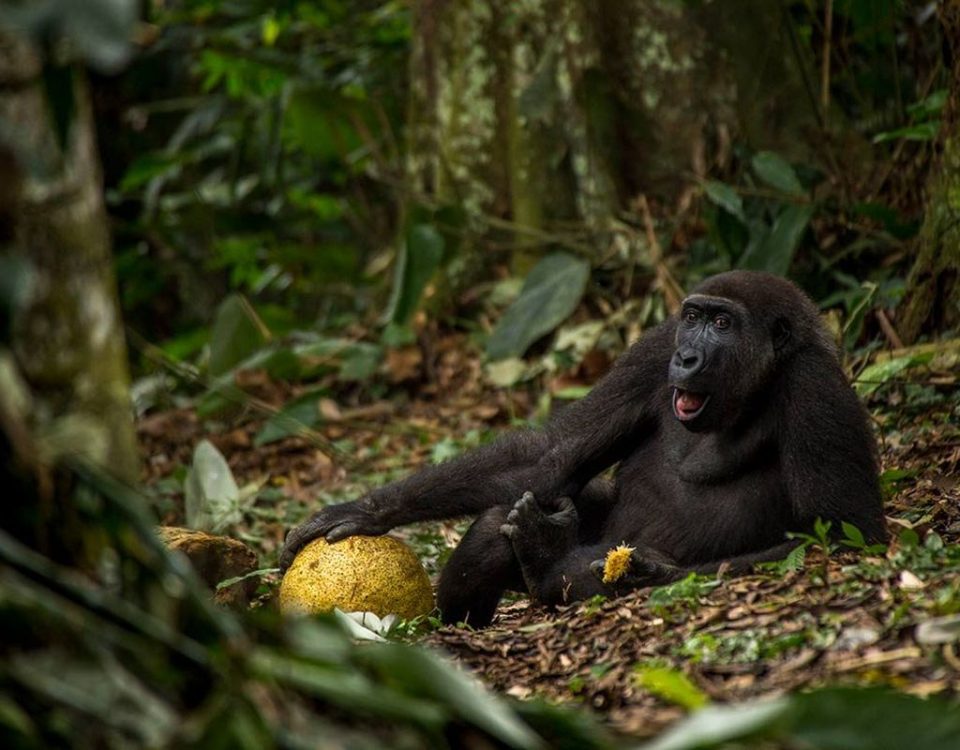
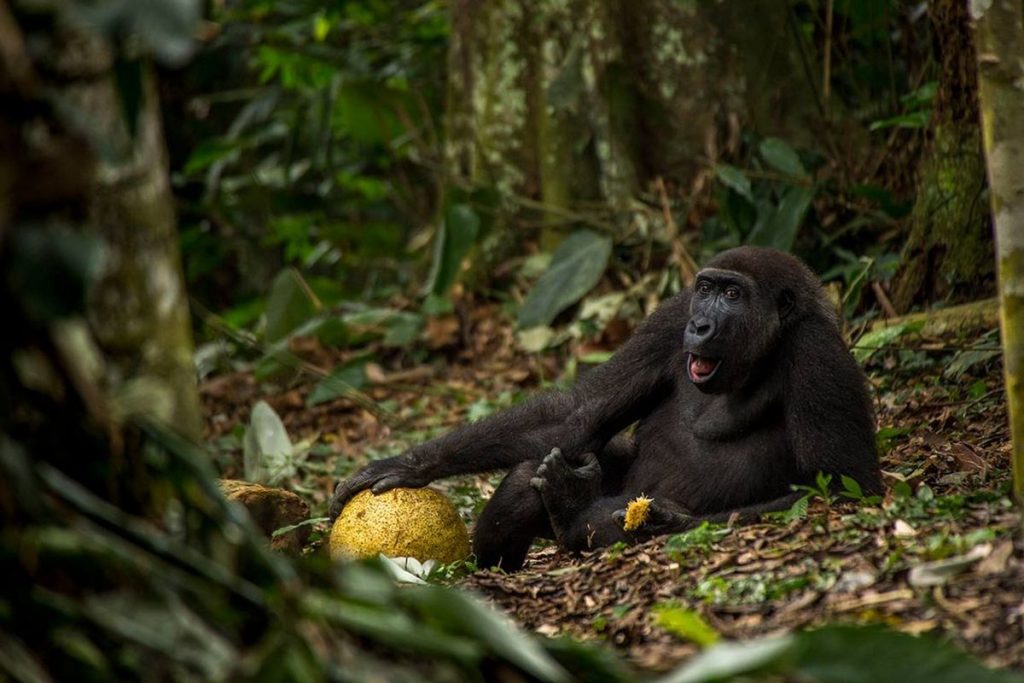
The eastern lowland gorilla (Grauer’s gorilla) is the world’s largest subspecies of gorilla, with silverbacks weighing up to 220kg. Found only in the DRC, Grauer’s gorillas are considerably rarer than mountain gorillas – their population has declined by more than 70% since the 1990s due to conflict, habitat loss, and poaching. Kahuzi-Biega National Park in South Kivu offers the only reliable trekking experience with habituated Grauer’s gorilla families.
A gorilla permit in the DRC costs USD 400 per person – significantly cheaper than Rwanda (USD 1,500) or Uganda (USD 800). The experience is raw, off-the-beaten-track, and unforgettable for travellers seeking something genuinely uncommon.
Practical Information for DRC Gorilla Trekking
Getting to Virunga and Kahuzi-Biega
The most common entry point to eastern DRC is via Kigali, Rwanda. Goma – the gateway to Virunga National Park – is just 80km from Kigali. Direct flights from Nairobi and Kampala also serve Goma. Bukavu (gateway to Kahuzi-Biega) is accessible from Goma by road (3-4 hours) or by light aircraft.
Is it safe to trek gorillas in the DRC?
Security in eastern DRC is complex and fluctuates. Virunga National Park and Kahuzi-Biega have experienced periods of closure due to armed group activity. Always check current security conditions with your tour operator and your government’s travel advisory before planning a DRC gorilla trek. Reputable operators with established local security networks are essential.
Recommended Tours: 8 Days Congo Gorillas & Nyiragongo Safari | 5 Days Lowland Gorilla Safari Congo