
Is Tanzania an Ebola-Free State? What You Need to Know
Tanzania is often described as an Ebola-free country because it has never recorded a confirmed large-scale Ebola outbreak. However, in public health terms, “Ebola-free” does not mean zero risk. It means the country has not had sustained transmission of the virus within its borders.
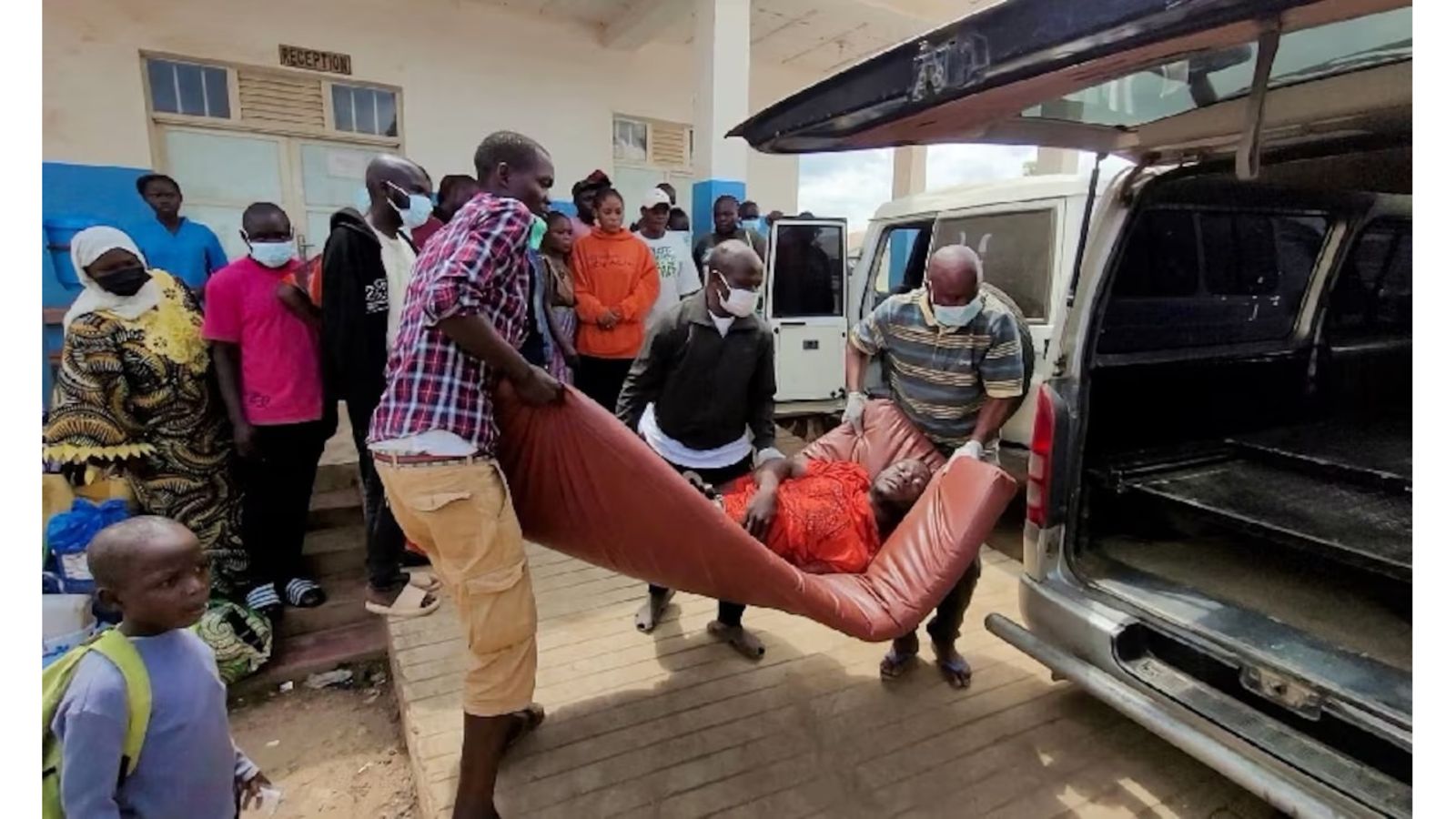
The situation in the Tanzania is best understood through two ideas: absence of confirmed outbreaks and continuous preparedness due to regional risk. Tanzania sits in a region where Ebola has appeared in neighboring countries, especially the Democratic Republic of Congo and Uganda. This makes prevention and surveillance a constant priority.
Has Tanzania Ever Had Ebola?
Tanzania has not recorded a confirmed Ebola epidemic or sustained outbreak. Over the years, there have been suspected cases reported in different parts of the country, but laboratory testing has not confirmed local transmission.
This is important because Ebola is a highly monitored disease. Any suspected case triggers immediate investigation, testing, and isolation. In Tanzania, these systems have consistently ruled out active Ebola transmission.
While some rumors and alerts have circulated in the past, none have developed into confirmed outbreaks.
Why Tanzania Is Considered Low Risk but Not Zero Risk
Tanzania is considered low risk for Ebola compared to countries with repeated outbreaks, but it is not completely free from risk.
There are three main reasons for this:
First, Tanzania shares regional connections with countries that have experienced Ebola outbreaks. Movement of people for trade, work, and family visits increases the need for vigilance.
Second, the country has forested areas and wildlife ecosystems that could, in theory, support zoonotic disease transmission. Ebola is believed to originate from wildlife in certain ecological zones, especially bats.
Third, global travel patterns mean that imported cases are always a theoretical possibility, even if extremely rare.
Because of these factors, Tanzania maintains strong surveillance systems rather than assuming zero risk.
Tanzania’s Disease Surveillance System
Tanzania has built a structured disease monitoring system focused on early detection. Hospitals and health centers are required to report unusual illness patterns quickly.
When a suspected Ebola case appears, samples are collected and sent to laboratories for confirmation. Isolation protocols are activated immediately while testing is ongoing.
Border screening is also part of the system. Health officials monitor entry points for travelers showing symptoms consistent with viral hemorrhagic fevers.
This system ensures that even if a case were introduced, it would likely be detected early.
Response Preparedness in Tanzania
Even without active outbreaks, Tanzania invests in preparedness training. Health workers are trained to recognize symptoms of Ebola, including sudden fever, weakness, vomiting, and bleeding in severe cases.
Emergency response teams are also in place to handle suspected outbreaks. These teams coordinate isolation, contact tracing, and public communication if needed.
Training exercises and simulations are carried out periodically to keep response systems active and ready.
Border Monitoring and Regional Cooperation
Tanzania’s preparedness is closely linked to regional health coordination. Because Ebola has appeared in neighboring countries, cross-border monitoring is essential.
Health authorities coordinate with regional partners to track outbreaks in nearby countries and adjust screening measures when needed.
Border regions are especially important because they experience regular movement of traders, transport workers, and families across countries.
Public Awareness and Community Role
Community awareness is a key part of Tanzania’s prevention strategy. People are educated on how Ebola spreads and what symptoms to report.
Health communication focuses on early reporting of fever and unusual illness, especially during regional alerts.
Community health workers play a major role in identifying suspicious cases and guiding people to health facilities.
Difference Between “Ebola-Free” and “Ebola-Prepared”
It is important to understand the difference between being Ebola-free and being Ebola-prepared.
Tanzania is considered Ebola-free in the sense that it has no confirmed ongoing transmission. However, it is also Ebola-prepared because it maintains systems to detect and respond quickly if a case appears.
This includes laboratory capacity, trained health workers, isolation units, and coordination with international health agencies.
Lessons from Regional Ebola Outbreaks
Ebola outbreaks in neighboring countries have influenced Tanzania’s preparedness strategy.
The main lesson is that early detection prevents spread. Countries that identify cases quickly are able to contain outbreaks more effectively.
Another lesson is the importance of communication. Clear public messaging reduces panic and helps people follow health guidance.
Finally, regional cooperation is essential because disease outbreaks do not remain within borders.
Impact on Travel and Tourism
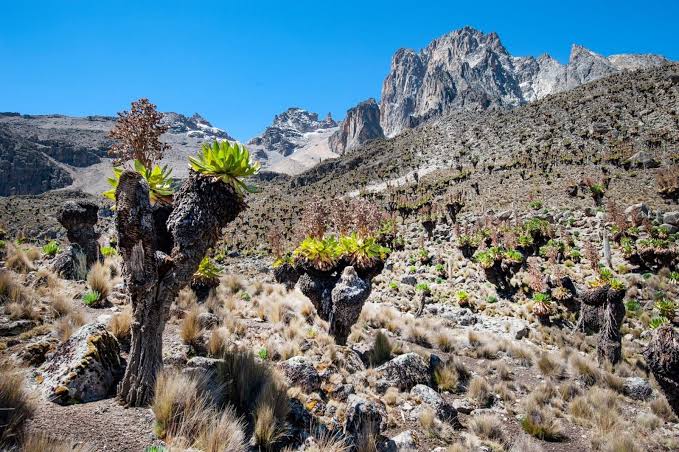
Tanzania’s tourism sector, which includes destinations such as Serengeti National Park and Mount Kilimanjaro, is sensitive to regional health alerts.
Even though the country has no active Ebola outbreaks, tourism can be indirectly affected when neighboring countries report cases.
Travel advisories may influence visitor decisions, especially for long-distance travelers. However, when Tanzania itself has no confirmed cases, most tourism activities continue normally.
Tanzania has never experienced a confirmed Ebola outbreak, making it one of the countries in East Africa without direct Ebola epidemic history. However, it is not considered completely risk-free due to regional movement and proximity to affected countries.
The country remains focused on surveillance, preparedness, and rapid response systems to ensure that any suspected case is detected early. In practical terms, Tanzania is Ebola-free in terms of confirmed outbreaks, but it is always alert and prepared due to its regional context.