The Best Time of Year to Go Gorilla Trekking in Uganda
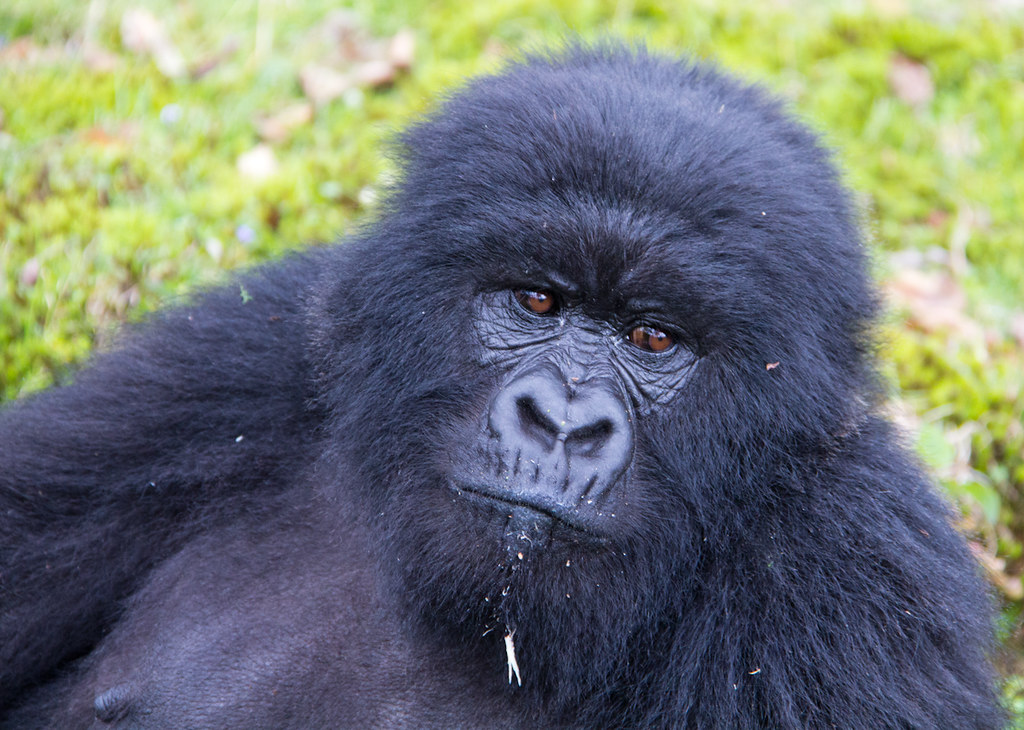
Gorilla Trekking in Uganda” width=”1024″ height=”730″ /> The Best Time of Year to Go Gorilla Trekking in Uganda
Uganda, the “Pearl of Africa,” offers one of the world’s most profound wildlife experiences: trekking through dense, misty rainforests to spend a precious hour with a family of mountain gorillas. With over half of the world’s remaining mountain gorilla population residing in Uganda’s Bwindi Impenetrable Forest and Mgahinga Gorilla National Parks, this East African nation is the premier destination for this bucket-list adventure.
One of the most common questions prospective trekkers ask is, “When is the best time to go?” The answer is more nuanced than a simple month or season. The good news is that gorilla trekking in Uganda is a year-round activity; the gorillas do not migrate and can be observed in every month. However, the quality of your experience-from the difficulty of the hike to the clarity of your photographs-is profoundly influenced by the weather. Understanding Uganda’s seasonal patterns is essential for planning the perfect trek.
Understanding Uganda’s Climate: The Two Dry and Two Wet Seasons
Uganda’s equatorial climate is moderated by its high altitude, resulting in relatively consistent temperatures throughout the year, typically ranging from the mid-20s to low-30s Celsius. However, the key differentiator between seasons is rainfall. The country experiences two distinct dry seasons and two wet or rainy seasons.
The Long Dry Season runs from June to September and is the most popular time for a visit. The Short Dry Season spans December to February and offers another excellent, albeit slightly shorter, window for comfortable travel. The Long Rainy Season occurs from March to May and sees the heaviest and most consistent downpours. The Short Rainy Season covers October to November, bringing a period of lighter but still significant rainfall.
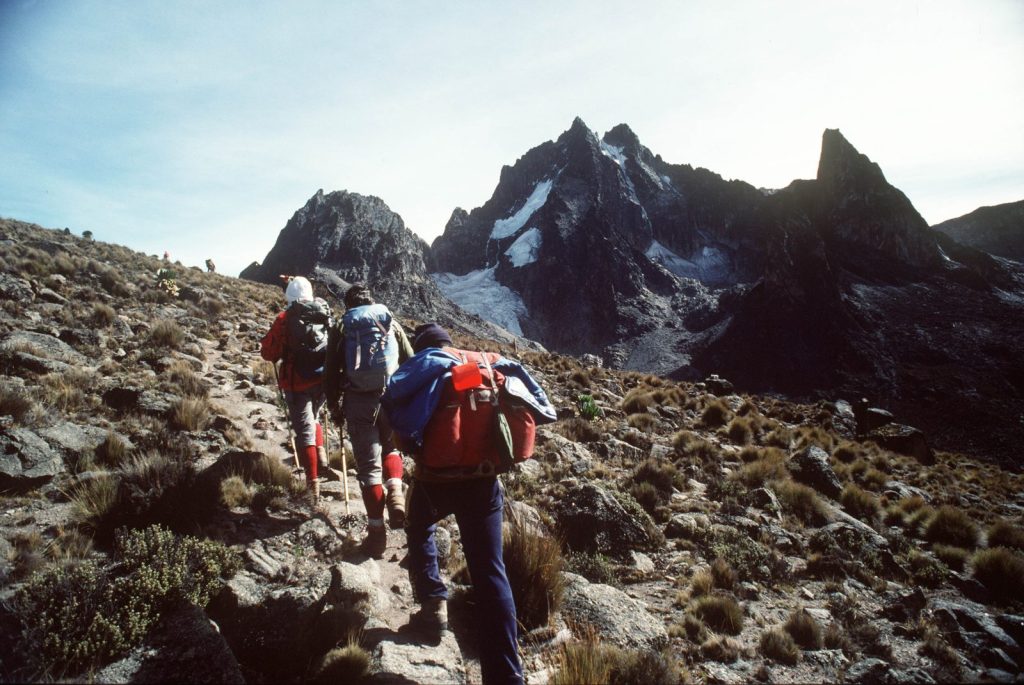
The impact of these seasons is most pronounced in the mountainous terrain of the gorilla parks. In the dry seasons, the forest trails are firmer, less slippery, and easier to navigate. During the wet seasons, the paths transform into a challenging, muddy, and slippery quagmire, making the trek significantly more strenuous.
In-Depth Season Breakdown
The Dry Seasons: June to September and December to February
The Verdict: The Best Time for Most Travelers
If your primary goals are comfortable hiking, clear views, and the ease of combining your trek with other safari activities, the dry seasons are unequivocally the best time to visit.
What to Expect:
The trekking conditions are at their optimal best. The trails are drier, less muddy, and more stable. This makes the often steep and challenging terrain of Bwindi and Mgahinga far more manageable, especially for first-time trekkers or those with moderate fitness levels. Visibility is excellent during these months. With less rain, the forest canopy is less dense, and the air is clearer. This improves your chances of unobstructed views of the gorillas, which is a significant advantage for photography and simply savoring the experience.
Travel logistics become much easier beyond the parks as well. The dry season makes travel on Uganda’s rural roads easier and more reliable. This is crucial if you plan a multi-stop itinerary that includes safari drives in parks like Queen Elizabeth or Murchison Falls, where animals are also easier to spot as they gather around shrinking water sources. While a brief tropical shower is possible at any time, you can generally expect long periods of sunshine and clear skies, making for a more pleasant overall experience.
The Drawbacks:
This is peak season, meaning the parks and lodges are at their busiest. Gorilla permits, which are strictly limited to protect the gorillas, are in the highest demand and can sell out months in advance. You will also face higher prices for accommodation and flights. A key piece of advice is to book your gorilla permit at least six months ahead of time for treks during these months.
The Wet Seasons: March to May and October to November
The Verdict: A Hidden Gem for the Adventurous Traveler
For many, the idea of trekking in the rain sounds less than ideal. However, the wet season offers a completely different, and for some, a more magical and intimate experience. It is the best time for those seeking solitude and a lush, atmospheric adventure.
What to Expect:
The rainforest comes alive with lush, vibrant landscapes. The flora is at its most emerald and vibrant, with a profusion of wildflowers and an explosion of greenery that creates a stunning backdrop for photography. Mist and low clouds weave through the trees, lending a mystical, primeval feel to the forest. Tourist numbers plummet during the rainy season, resulting in quieter, more intimate encounters. This means you are far more likely to have a quiet and personal experience, sometimes with only a handful of other trekkers in your group. The forest feels much more solitary and wild.
An interesting phenomenon occurs during the wet season. The gorillas often move down to lower altitudes where it is warmer and where there is an abundance of fresh, rain-fed food. This can result in a shorter trek to find them, offsetting the challenge of the muddy trails. Because it is the low season, lodges and tour operators often offer significant discounts on their packages and accommodation. This can make a dream safari more affordable.
The Drawbacks:
The trekking conditions become extremely challenging. The trails become muddy, slippery, and demanding. The hike is more physically demanding, requiring greater effort and caution. This is a key consideration for older travelers or those with limited mobility. Heavy rains can be torrential, potentially flooding roads and making travel between parks difficult. Your safari itinerary may need to be more flexible to accommodate weather-related delays. Heavy rain can also reduce visibility within the forest, and the thick foliage can make it harder to spot the gorillas and photograph them clearly.
A Closer Look at the Shoulder Months
Late May and early October are considered the shoulder seasons. These periods are when the rains are starting to recede. They can offer the best of both worlds-still-green landscapes and fewer crowds, but with improving trail conditions and more reliable weather. November is another month worth considering. Some experts argue that November, often dismissed as a rainy month, is highly rewarding. It offers vibrant, green landscapes, shifting light ideal for photography, and a deeply immersive, solitary experience as visitor numbers are at their lowest.
Debunking Myths and Final Verdict
A common myth is that trekking is impossible in the rain. This is false. Gorilla treks go ahead regardless of the weather, barring extreme conditions. Park rangers and guides are highly experienced in navigating the forest in all conditions.
So, when is the best time to go?
Choose the Dry Season from June to September and December to February if you prioritize easier hiking, clear photography, reliable travel conditions, and want the most comfortable experience. You will need to accept higher costs and plan well in advance.
Choose the Wet Season from March to May and October to November if you are an adventurous traveler who values solitude, is on a budget, and is captivated by the idea of a lush, misty, and more intimate jungle experience. You will need a good level of fitness, the right gear including quality waterproof boots and a rain jacket, and a flexible mindset.
Ultimately, there is no truly bad time to go gorilla trekking in Uganda. The thrill of coming face-to-face with a mountain gorilla in its natural habitat is an unforgettable, life-changing experience that transcends the weather. Your choice simply depends on the type of adventure you seek. Whether you choose a challenging but rewarding trek through the emerald mud of a rainforest or a steep hike under a clear, blue sky, the reward-a close encounter with these magnificent creatures-is the same.