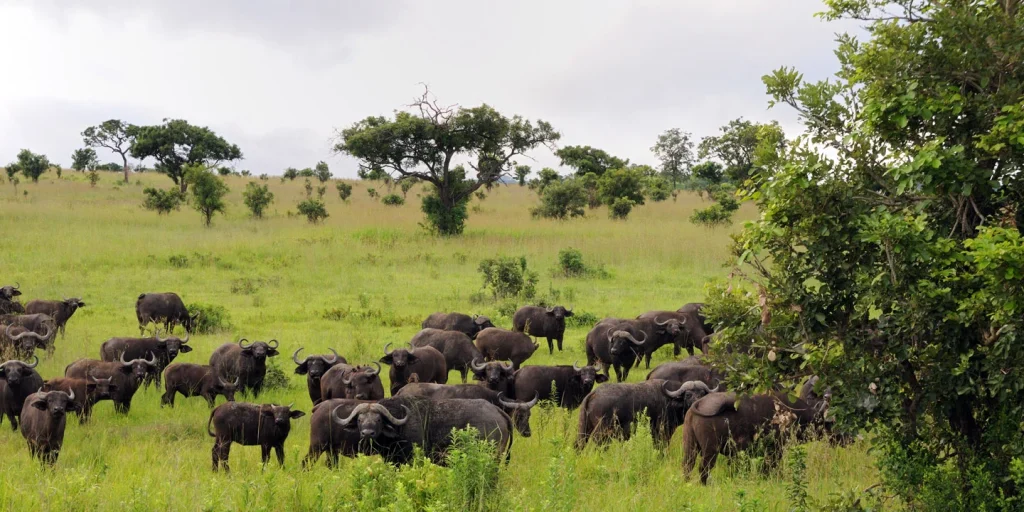

Serengeti National Park is one of the world’s most celebrated wildlife sanctuaries, renowned for its diverse ecosystems, the great migration, and its role as a key habitat for countless species. However, the park’s rich biodiversity is under constant threat from various factors, including poaching, habitat loss, and climate change. To safeguard this unique ecosystem for future generations, extensive conservation efforts are underway. This article provides a closer look at Serengeti conservation efforts, offering an overview of the strategies, challenges, and successes in preserving one of Africa’s most iconic landscapes.(Serengeti Conservation Efforts Overview)
The Importance of Serengeti Conservation
The Serengeti ecosystem is a vital part of the global natural heritage, supporting a wide array of flora and fauna, some of which are found nowhere else on Earth. The park’s health is crucial not only for the species that reside within its borders but also for the overall ecological balance of the region. The great migration, for example, plays a significant role in nutrient cycling and vegetation management, affecting ecosystems beyond the Serengeti itself. Effective conservation efforts ensure that these natural processes continue to thrive, maintaining the Serengeti’s ecological integrity.
Key Challenges Facing Serengeti Conservation
Conserving the Serengeti is a complex task, with numerous challenges that must be addressed to protect the park’s biodiversity:
1. Poaching and Illegal Wildlife Trade
Poaching remains one of the most significant threats to wildlife in the Serengeti. Despite strict laws and increased enforcement, the illegal killing of animals for their tusks, horns, and skins continues. Poaching not only endangers iconic species like elephants and rhinos but also disrupts the entire ecosystem, as the loss of key species can have cascading effects on other wildlife and vegetation.
2. Human-Wildlife Conflict
As human populations grow and encroach on wildlife habitats, conflicts between people and animals have become more frequent. Livestock predation, crop raiding, and competition for water resources are common issues that lead to retaliatory killings of wildlife. Balancing the needs of local communities with the preservation of wildlife is a critical challenge for conservationists.
3. Habitat Loss and Fragmentation
Habitat loss due to agricultural expansion, infrastructure development, and land conversion poses a significant threat to the Serengeti. Fragmentation of habitats disrupts migration patterns and reduces the available space for wildlife, leading to increased competition for resources. Maintaining connected and protected habitats is essential for the survival of many species.
4. Climate Change
Climate change is affecting the Serengeti in various ways, including altering rainfall patterns, increasing temperatures, and affecting the availability of water and food resources. These changes can have profound impacts on wildlife, particularly migratory species that rely on specific environmental cues for their movements. Adapting conservation strategies to account for climate change is becoming increasingly important.
Key Serengeti Conservation Efforts Overview
Despite these challenges, numerous conservation efforts are being implemented to protect the Serengeti’s unique ecosystem. Here’s an overview of some of the most significant initiatives:
1. Anti-Poaching Measures
Anti-poaching efforts in the Serengeti have been intensified in recent years, with increased patrols, better equipment, and the use of advanced technology such as drones and GPS tracking to monitor wildlife and deter poachers. Collaboration between government agencies, local communities, and international organizations has been crucial in these efforts. Additionally, programs aimed at reducing demand for illegal wildlife products through education and awareness campaigns have shown promise in curbing poaching.
2. Community-Based Conservation
Engaging local communities in conservation efforts is a key strategy in the Serengeti. Community-based conservation programs focus on providing education, economic incentives, and alternative livelihoods to reduce reliance on poaching and unsustainable practices. By involving local people in conservation, these programs help to foster a sense of stewardship and ensure that conservation efforts are sustainable in the long term.
3. Habitat Restoration and Protection
Efforts to protect and restore habitats within and around the Serengeti are ongoing. This includes reforestation projects, the creation of wildlife corridors to connect fragmented habitats, and the protection of key water sources. These initiatives aim to ensure that wildlife has the space and resources it needs to thrive. Additionally, land-use planning and zoning are being used to manage development and reduce the impact on critical habitats.
4. Research and Monitoring
Research and monitoring are essential components of Serengeti conservation efforts. Scientists are continually studying the park’s ecosystems, tracking wildlife populations, and assessing the impacts of human activities and climate change. This research informs conservation strategies and allows for adaptive management practices that can respond to emerging threats. Long-term monitoring also helps to track the effectiveness of conservation initiatives and make necessary adjustments.
5. Education and Awareness
Education and awareness campaigns are crucial for building support for conservation among both local communities and the global public. In the Serengeti, educational programs focus on teaching the importance of biodiversity, the value of ecosystems, and the need for sustainable practices. These programs target schools, local communities, and visitors, helping to create a culture of conservation. Internationally, awareness campaigns highlight the threats facing the Serengeti and encourage support for conservation efforts.
Success Stories in Serengeti Conservation
While challenges remain, there have been notable successes in Serengeti conservation efforts:
1. Rhino Conservation
Black rhinos, once nearly wiped out in the Serengeti due to poaching, are making a comeback thanks to intensive conservation efforts. Anti-poaching patrols, habitat protection, and breeding programs have all contributed to the gradual recovery of rhino populations. The reintroduction of rhinos into secure areas within the park is a significant milestone in these efforts.

2. Elephant Population Stabilization
The Serengeti’s elephant population, once under severe threat from poaching, has shown signs of stabilization and recovery. This success is attributed to effective anti-poaching measures, including the use of modern technology and strong legal protections. Continued vigilance is required to maintain this progress, but the outlook for Serengeti’s elephants is more optimistic than it was a decade ago.
3. Community Involvement and Benefits
Community-based conservation initiatives have resulted in tangible benefits for local people, including improved livelihoods, better education, and greater involvement in decision-making processes. Programs that promote sustainable agriculture, ecotourism, and craft production have provided alternatives to activities that harm the environment, demonstrating that conservation can go hand in hand with economic development.
The Future of Serengeti Conservation
Looking ahead, the future of Serengeti conservation will depend on continued collaboration between governments, NGOs, local communities, and the global community. Addressing emerging challenges such as climate change, increasing human-wildlife conflict, and the pressures of development will require innovative solutions and sustained commitment.
Investment in technology, education, and community engagement will be crucial for the long-term success of conservation efforts. Additionally, global support for conservation initiatives, through funding, advocacy, and responsible tourism, will play a key role in ensuring that the Serengeti remains a thriving and protected wilderness.
Serengeti conservation efforts are vital for preserving one of the world’s most important natural ecosystems. By addressing the challenges of poaching, habitat loss, and climate change, and through the implementation of innovative and collaborative strategies, these efforts aim to protect the Serengeti’s incredible biodiversity for future generations. As we take a closer look at these initiatives, it becomes clear that conservation is not just about protecting wildlife but also about sustaining the delicate balance of life that makes the Serengeti so unique. Through continued dedication and global cooperation, the Serengeti can remain a symbol of the wild and a testament to the power of conservation.(Serengeti Conservation Efforts Overview)