Rwenzori Mountains: Trekking Africa’s “Mountains of the Moon”
Rwenzori Mountains trekking remains one of East Africa’s best-kept secrets, overshadowed by the fame of Kilimanjaro despite offering a genuinely wilder, more technical, and more visually strange experience. Ancient geographers called this range the Mountains of the Moon, believing it held the source of the Nile, and standing among its glaciers, bogs, and giant surreal plants today, it’s easy to understand why the name stuck. This guide covers what makes Rwenzori Mountains trekking worth the effort, the main routes, and what first-time trekkers should know before committing to the climb.
What Makes the Rwenzoris Different From Kilimanjaro
Where Kilimanjaro is a single, relatively straightforward volcanic cone that thousands of trekkers summit each year with modest technical skill, the Rwenzoris are a genuine mountain range, jagged, glaciated, and considerably more demanding underfoot. Trails wind through dense montane forest, boggy moorland that can swallow a boot to the knee, and steep rock and ice scrambles near the highest peaks. The range’s isolation and difficulty mean far fewer trekkers attempt it in a given year compared to Kilimanjaro, which translates into a genuinely wild, uncrowded experience for those who do. This is trekking for travelers who want a real physical and logistical challenge, not simply a high-altitude walk.
Margherita Peak: The Roof of the Range
Margherita Peak, on Mount Stanley, is the highest point in the Rwenzori range and the third-highest peak in Africa after Kilimanjaro and Mount Kenya. Reaching the summit requires genuine mountaineering skill, including glacier travel and some technical rock and ice sections near the top, and most itineraries budget seven to nine days round trip to allow for proper acclimatization and a realistic shot at the summit in changeable weather. Trekkers without technical climbing experience can still enjoy substantial rewards from shorter itineraries that reach lower peaks or simply explore the range’s lower reaches without attempting Margherita itself.
The Central Circuit Route
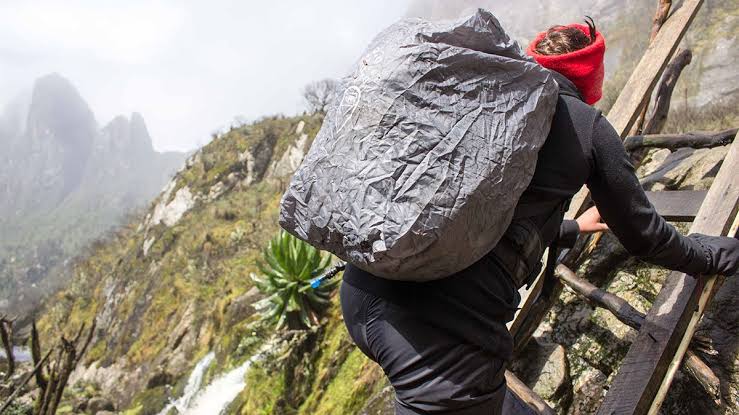
The Central Circuit is the most established and widely used route through the range, looping through a sequence of huts that let trekkers ascend gradually while exploring different valleys and vegetation zones along the way. The route passes through the range’s famous vegetation zones, montane forest giving way to bamboo, then heather and giant lobelia, and finally the strange afro-alpine zone where giant groundsels and lobelias, plants found almost nowhere else on Earth, grow to improbable heights. Huts along the circuit offer basic but genuine shelter, a welcome contrast to tent camping in a range known for heavy rainfall and persistent mud.
The Kilembe Trail: A Quieter Alternative
The Kilembe Trail, approaching from the range’s southern side, offers a genuine alternative to the more established central routes, with its own network of huts and a reputation for slightly better weather exposure on certain sections. Trekkers who want an equally authentic Rwenzori experience with fewer other groups on the trail often gravitate toward Kilembe, and several operators now run it as their primary route into the range. Both approaches ultimately aim at similar high-altitude terrain and share the same core challenges of mud, altitude, and unpredictable weather.
Permits, Guides, and Logistics
All Rwenzori trekking happens through registered operators working with the Rwenzori Mountains National Park authority, and independent trekking without a licensed guide isn’t permitted, both for safety reasons and because the terrain genuinely requires local knowledge to navigate safely. Permit and park fees are calculated based on the length of your trek and add to the overall cost alongside porter fees, hut accommodation, and guide services. Because of the physical demands and the value of route knowledge in changeable mountain weather, booking through an established operator with real Rwenzori experience, rather than the cheapest available option, is worth the extra cost here more than almost anywhere else in Uganda.
Fitness and Preparation
Rwenzori trekking demands a meaningfully higher fitness baseline than gorilla trekking or a standard Kilimanjaro climb, given the sustained days of muddy, uneven terrain and, for those attempting Margherita Peak, genuine technical climbing near the summit. Trekkers should arrive having built a solid cardiovascular base along with some experience on multi-day treks carrying a daypack, and anyone attempting the summit route should ideally have basic familiarity with crampons and ice axe use, or be prepared to receive brief instruction from guides before the final glacier sections. Waterproof boots and gaiters aren’t optional extras here; the range’s notorious bogs make them close to essential equipment.
When to Trek the Rwenzoris
The two drier windows, roughly December through February and June through August, offer the most manageable trekking conditions, though “dry” in the Rwenzoris is a relative term given how much rain the range receives year-round compared to the rest of Uganda. Visibility for summit attempts is generally best in these windows too, since cloud cover on the higher peaks can obscure views and complicate the technical sections near Margherita Peak regardless of season. Trekkers with flexibility should build a buffer day or two into their itinerary, since weather delays are common enough in the Rwenzoris that a tight schedule can jeopardize a summit attempt entirely.
Wildlife and Scenery Along the Way
Beyond the dramatic peaks themselves, the Rwenzoris support genuine biodiversity across their altitude zones, forest elephants and chimpanzees in the lower montane forest, a range of endemic bird species favored by serious birders, and the otherworldly afro-alpine flora that draws botanists and photographers as much as summit-focused climbers. The range’s isolation from Uganda’s more heavily visited parks means wildlife sightings feel like a genuine discovery rather than an expected checklist item, adding to the sense that trekkers here are experiencing something apart from the country’s more established safari circuit.
Cost Compared to Kilimanjaro
Rwenzori Mountains trekking tends to cost less per day than an equivalent Kilimanjaro climb, largely because visitor numbers are lower and the range hasn’t developed the same tourism infrastructure, though the gap narrows once you factor in the additional technical guiding and equipment needed for a Margherita Peak summit attempt. Shorter treks exploring the lower and middle sections of the range, without attempting the summit, offer a genuinely accessible way to experience the Rwenzoris at a lower cost and with less demanding fitness requirements than the full Central Circuit or Kilembe summit routes.
Combining the Rwenzoris With a Wider Uganda Trip
The Rwenzoris sit in western Uganda near Kasese, within reach of Queen Elizabeth National Park, which makes it possible to combine a shorter Rwenzori trek with a classic wildlife safari on the same trip. Trekkers comparing East Africa’s major peaks often find our overview of Kilimanjaro, Rwenzori, and other East African peaks useful for deciding which mountain, or combination of mountains, fits their trip and fitness level best. For travelers who’ve already built a gorilla trekking itinerary around Bwindi, adding a shorter Rwenzori exploration is a genuinely complementary way to add high-altitude scenery without the full commitment of a Margherita Peak summit attempt.
What to Pack for the Rwenzoris
Packing correctly matters more here than on almost any other East African trek, given the range’s reputation for mud, rain, and rapid temperature swings between the forest zones and the high peaks. Waterproof, well broken-in hiking boots and gaiters are essential rather than optional, given the bogs the Central Circuit and Kilembe Trail both pass through, and a full layering system, moisture-wicking base layers, insulation, and a genuinely waterproof outer shell, prepares you for conditions that can shift from humid forest heat to near-freezing exposed ridgeline within the same day. Trekkers attempting Margherita Peak need proper mountaineering gear, crampons, an ice axe, and a harness, most of which reputable operators can provide or arrange locally rather than requiring you to travel with your own.
Choosing an Operator for Rwenzori Mountains Trekking
Because Rwenzori Mountains trekking is technically demanding and weather can change quickly at altitude, the operator you choose matters more here than for a standard safari or even a Kilimanjaro climb. Look specifically for operators and guides with genuine, regular Rwenzori experience rather than general East Africa trekking credentials, since route-finding through bogs and glacier sections rewards local, current knowledge in a way that broader mountaineering experience alone doesn’t replace. Asking directly about guide-to-client ratios, emergency evacuation procedures, and how recently the operator has run the specific route you’re considering are all reasonable questions before booking a trek this demanding.
Is the Rwenzori Trek Worth It?
For trekkers who’ve done Kilimanjaro and want something wilder, less crowded, and more technically engaging, or those simply drawn to genuinely strange, otherworldly landscapes, the Rwenzoris deliver an experience that few other African treks can match. It demands more, physically and logistically, than most standard East Africa itineraries, but for the right traveler, that difficulty is precisely the appeal. Planning well ahead, booking with genuinely experienced operators, and building in weather buffer days are the practical keys to giving yourself the best shot at experiencing the Mountains of the Moon at their best.
Recommended Tours: 5 Days Double Gorilla Trekking Uganda | 10 Days Ultimate Uganda Gorilla & Big Five Safari