Toro-Semliki Wildlife Reserve: Uganda’s Underrated Safari Spot
Toro-Semliki Wildlife Reserve rarely appears on a first-time visitor’s Uganda itinerary, overshadowed by the country’s more famous national parks despite offering genuine savannah wildlife viewing, distinctive Rift Valley scenery, and a level of exclusivity that comes simply from being overlooked. Sitting in the Semliki Valley near the DR Congo border, this reserve rewards travelers willing to venture slightly off the standard circuit with uncrowded game drives and a genuinely different Uganda experience.
What Sets Toro-Semliki Apart
Unlike Uganda’s national parks, Toro-Semliki operates under a different management classification as a wildlife reserve, which historically meant less stringent protection but also, in practice, considerably lower visitor numbers than the country’s headline parks. This translates directly into a quieter, more exclusive game-viewing experience, where encountering another vehicle during a game drive is a genuine rarity rather than an expectation, appealing strongly to travelers who’ve found Uganda’s more popular parks busier than they’d hoped during peak season.
Wildlife in the Reserve
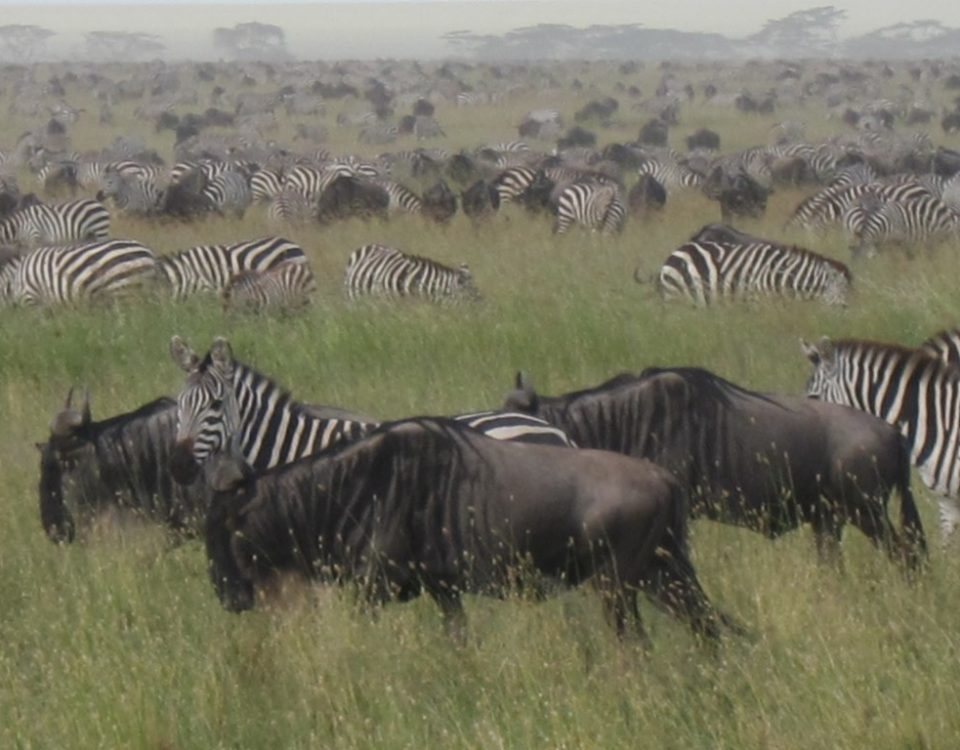
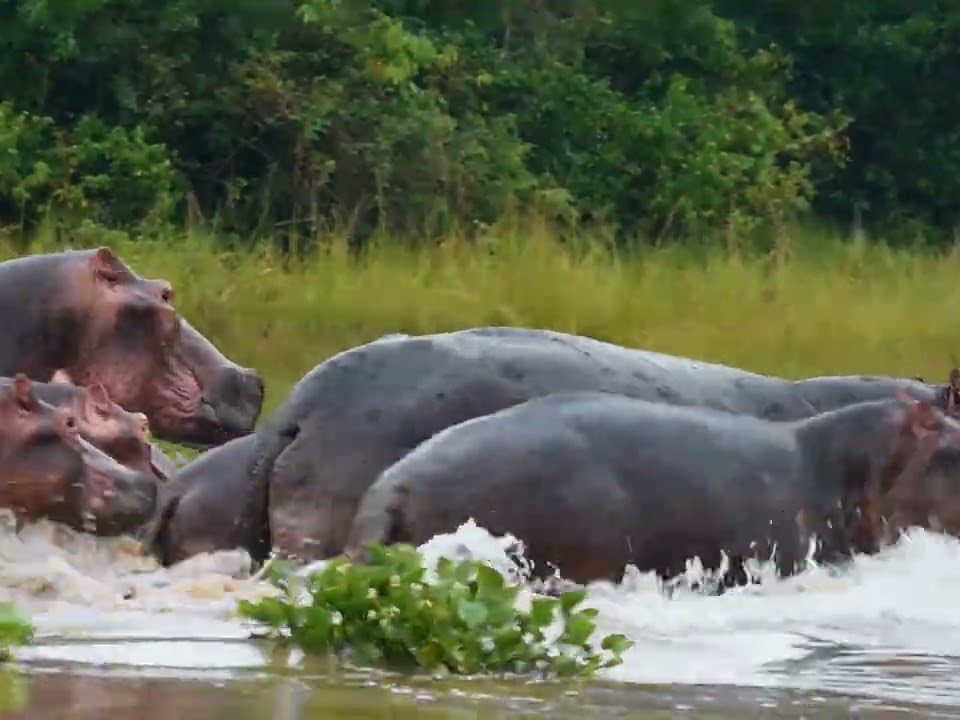
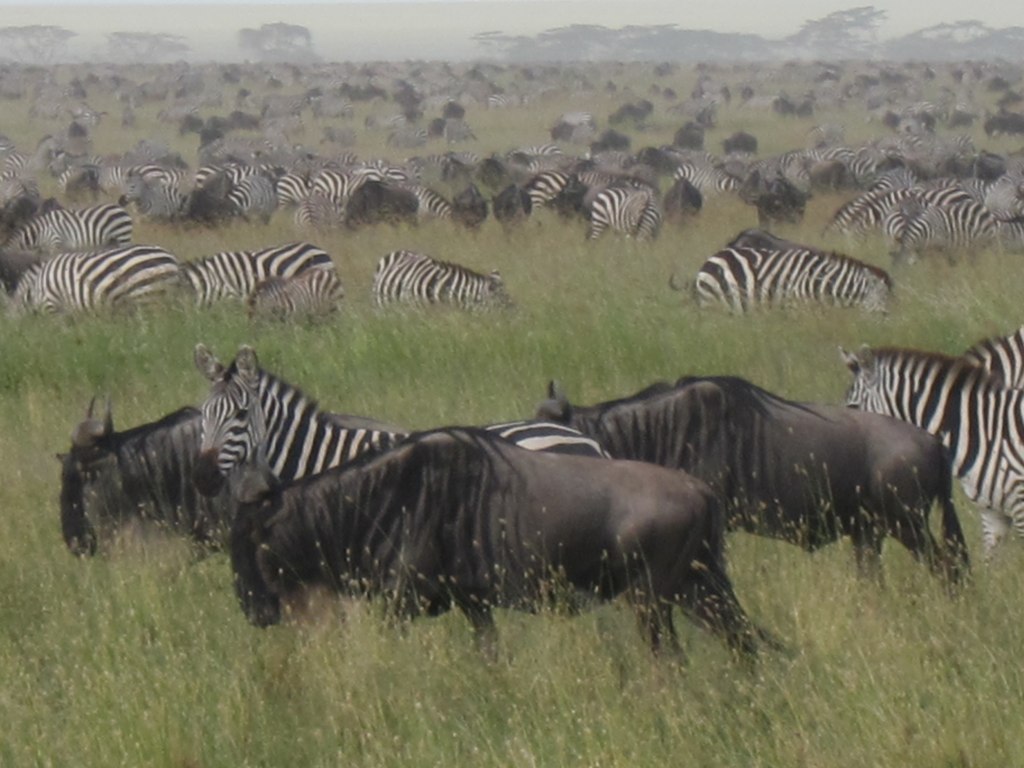
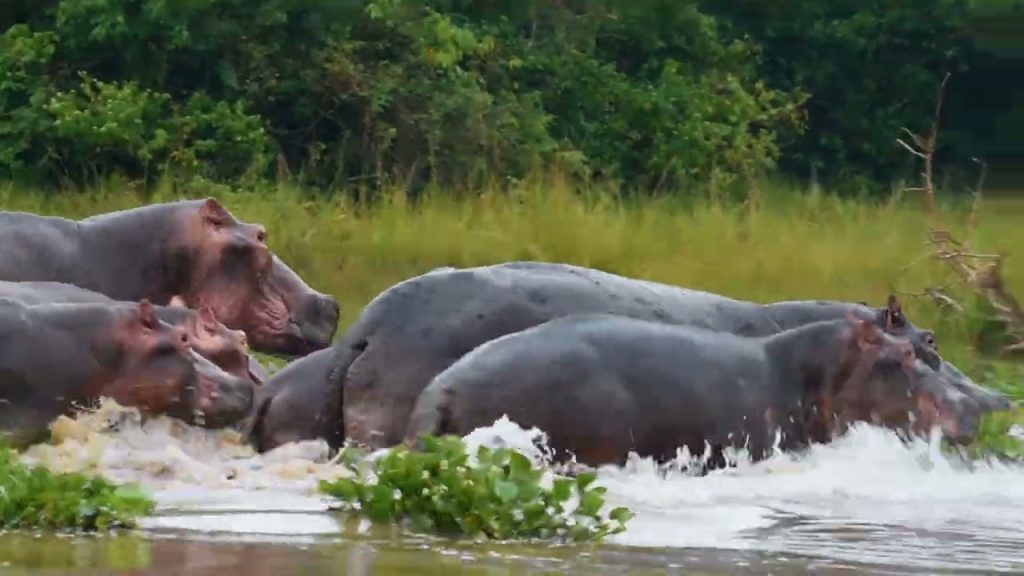
Toro-Semliki’s savannah and riverine habitat supports a reasonable range of classic East African wildlife, including Uganda kob, buffalo, and various antelope species, along with predators including lions and leopards, though sighting frequency runs lower than in more actively managed and better-resourced parks given historical funding and protection challenges specific to the reserve’s classification. The Semliki River corridor running through the reserve adds riverine habitat diversity, supporting hippos and a range of waterbirds alongside the broader savannah wildlife.
The Reserve’s Oil Exploration History
Toro-Semliki holds a distinctive place in Uganda’s more recent economic history as a site of oil exploration activity, part of the broader Albertine Graben oil developments that have shaped conversations around conservation and development in this region of the country. This history adds an unusual dimension to a visit here, touching on genuine tensions between conservation priorities and resource extraction that don’t feature as prominently in discussions of Uganda’s better-known, more purely tourism-focused parks.
Rift Valley Scenery
The reserve sits within the dramatic landscape of the Albertine Rift, Africa’s western branch of the Great Rift Valley, offering sweeping views over the valley floor and, on clear days, views toward the Rwenzori Mountains and across into DR Congo. This scenery, combined with the reserve’s low visitor numbers, creates a genuinely different atmosphere from the more developed safari infrastructure found in Uganda’s national parks proper.
Getting to Toro-Semliki
The reserve sits within reasonable driving distance of Fort Portal, itself a hub for western Uganda’s broader safari circuit including Kibale National Park and Queen Elizabeth National Park. This positioning makes Toro-Semliki a genuinely feasible addition for travelers already exploring western Uganda, rather than a destination requiring an entirely separate trip from the country’s more established tourist areas.
What to Expect From Accommodation and Infrastructure
Given its lower visitor numbers and different management history, Toro-Semliki offers considerably more limited accommodation and infrastructure than Uganda’s national parks, and travelers should approach a visit here with realistic expectations about facilities compared to the lodge density found around Bwindi or Murchison Falls. This is precisely part of the appeal for travelers seeking a more rugged, off-the-beaten-path experience, but it does require more careful planning and coordination with a knowledgeable operator than a standard national park visit.
Why Consider Toro-Semliki
Travelers who’ve already experienced Uganda’s headline parks and want a genuinely different, quieter wildlife experience will find Toro-Semliki’s combination of low visitor numbers, distinctive Rift Valley scenery, and its unusual place in Uganda’s economic and conservation history worth the extra planning effort. It’s not a replacement for the classic circuit through Bwindi, Queen Elizabeth, and Murchison Falls, but as an addition for a second or third Uganda trip, or for travelers specifically seeking exclusivity over guaranteed high wildlife density, it offers something genuinely distinctive.
Chimpanzee Habituation at Toro-Semliki
Beyond its savannah wildlife, Toro-Semliki has hosted long-term chimpanzee research and habituation efforts, part of broader scientific study into chimpanzee behavior across different habitat types compared to the more famous populations in Kibale. Travelers with a specific interest in primatology sometimes find this research history adds genuine depth to a visit, distinct from the standard tourist-focused chimpanzee trekking experience offered at Uganda’s more established chimp trekking destinations.
Best Time to Visit
Dry season months offer the most comfortable game-driving conditions, with drier roads and more concentrated wildlife around remaining water sources, following the same broad seasonal pattern as the rest of western Uganda. Given the reserve’s lower visitor numbers regardless of season, timing a visit around the dry months matters more for wildlife viewing quality and road conditions than for avoiding crowds, since crowding is rarely a genuine concern here even during Uganda’s busiest tourist months.
Conservation Challenges Facing the Reserve
Toro-Semliki’s history of lower funding and protection compared to Uganda’s national parks has created genuine conservation challenges, including historically higher poaching pressure and less consistent anti-poaching patrol coverage than better-resourced parks enjoy. Recent years have seen renewed conservation attention and investment in the reserve, though travelers should understand that wildlife density and sighting reliability here still generally trail Uganda’s flagship parks, a trade-off some visitors happily accept in exchange for the reserve’s exclusivity and distinctive character.
A Realistic Set of Expectations
Visitors drawn purely by guaranteed high-density wildlife sightings should manage expectations accordingly and consider Toro-Semliki a complement to, rather than a substitute for, Uganda’s more established parks. Those specifically seeking solitude, distinctive Rift Valley scenery, and an off-the-beaten-path Uganda experience, however, will find the trade-off well worth it, and operators experienced with the reserve can help set realistic expectations before booking based on current conditions.
Local Communities Around the Reserve
Communities in the Toro Kingdom region surrounding the reserve maintain strong cultural traditions tied to the historic Toro monarchy, and travelers interested in combining wildlife viewing with cultural context sometimes arrange visits to nearby Fort Portal, the kingdom’s traditional seat, alongside their time at the reserve. This regional cultural depth adds another dimension to a visit here beyond wildlife alone, particularly for travelers with a genuine interest in Uganda’s traditional kingdoms and their continued cultural significance today.
How Toro-Semliki Compares to Queen Elizabeth National Park
Travelers weighing Toro-Semliki against the considerably more established Queen Elizabeth National Park nearby should understand the trade-off clearly: Queen Elizabeth offers higher wildlife density, better infrastructure, and the famous Kazinga Channel boat safari, while Toro-Semliki offers exclusivity, lower cost, and a genuinely different atmosphere shaped by its lower visitor numbers and less developed tourism infrastructure. Many travelers with sufficient time choose to visit both, treating Queen Elizabeth as the reliable wildlife-viewing anchor and Toro-Semliki as a distinctive, lower-key addition to the same regional itinerary.
Planning a Visit
Because of its lower profile and more limited infrastructure, a visit to Toro-Semliki benefits considerably from working with an operator who has specific experience arranging trips to the reserve, rather than assuming the same booking process used for Uganda’s national parks applies equally here. Building this into a broader western Uganda itinerary alongside Kibale, Semuliki, and Queen Elizabeth makes the most efficient use of the travel time already required to reach this part of the country, turning what could be a single-purpose detour into a genuinely well-rounded regional exploration.
Recommended Tours: 10 Days Ultimate Uganda Gorilla & Big Five Safari | 5 Days Double Gorilla Trekking Uganda