Do I Need Travel Insurance for an East Africa Safari?
Travel insurance for an East Africa safari isn’t just a sensible precaution, it’s genuinely essential given how remote many of the region’s parks and trekking areas sit relative to advanced medical care. Beyond standard trip cancellation coverage, the specific combination of physical activity, remote locations, and the significant non-refundable costs tied up in gorilla permits and safari bookings makes insurance a category worth understanding properly rather than treating as a box to check quickly before departure.
Why Medical Evacuation Coverage Matters Most
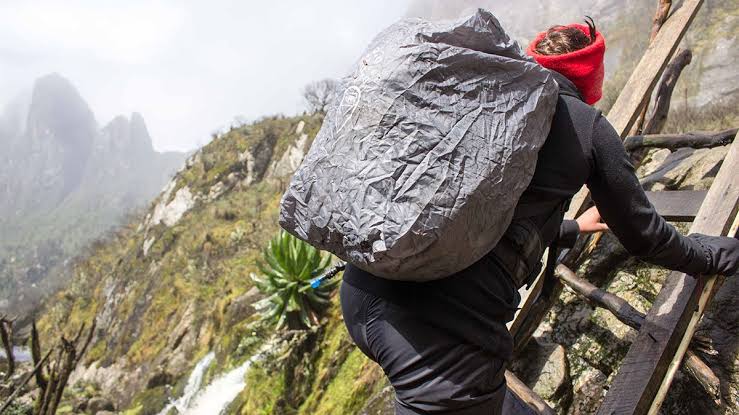
Standard travel insurance often includes basic medical coverage, but the single most important element for an East Africa safari specifically is medical evacuation coverage, the ability to be transported, often by helicopter or light aircraft, from a remote park to a hospital capable of handling a serious injury or illness. Gorilla trekking in particular happens in mountainous, forested terrain hours from the nearest major hospital, and a policy without genuine evacuation coverage leaves you financially exposed to costs that can run into tens of thousands of dollars if a serious medical situation arises during your trip.
Trip Cancellation and Interruption Coverage
Given how far in advance gorilla permits, flights, and lodge bookings need to be secured, often many months before departure, trip cancellation coverage protects a genuinely significant financial investment if illness, a family emergency, or another covered reason forces you to cancel or cut short your trip. Reading the specific covered reasons for cancellation carefully matters here, since policies vary considerably in what they’ll actually reimburse, and assuming broad coverage without checking the fine print risks an unpleasant surprise if you do need to file a claim.
Coverage for Adventure Activities
Many standard travel insurance policies exclude or limit coverage for activities classified as higher-risk, and gorilla trekking, volcano hikes, white-water rafting, and other adventure activities common on an East Africa itinerary sometimes fall into this excluded category unless specifically added to a policy. Confirming explicitly that your policy covers every activity on your actual itinerary, rather than assuming general travel insurance covers everything, is one of the most important checks to make before finalizing a policy purchase.
Gorilla and Chimpanzee Permit Protection
Because gorilla and chimpanzee trekking permits are non-refundable and represent a substantial cost, some travel insurance policies, or add-on coverage options, specifically address permit loss if illness or injury prevents you from trekking on your scheduled date. This is worth asking about directly when comparing policies, since it’s a genuinely specific risk relevant to this particular type of trip that a generic travel insurance policy might not automatically address.
Baggage and Personal Property Coverage
Standard baggage coverage protects against lost, delayed, or damaged luggage, relevant given the multiple flights and transfers a typical East Africa itinerary often involves, particularly for trips combining domestic flights between parks. Camera equipment and other valuables sometimes require additional coverage beyond a policy’s standard baggage limit, worth checking specifically if you’re traveling with expensive photography gear for what is, for many travelers, a genuine trip-of-a-lifetime photography opportunity.
What to Look for When Comparing Policies
Beyond the specific coverage categories already covered, comparing policies on their maximum medical evacuation coverage amount, their list of excluded activities, and their claims process reputation gives a more complete picture than comparing premium cost alone. A slightly more expensive policy with genuinely comprehensive evacuation coverage and clear, activity-inclusive terms is almost always the better value than the cheapest available option with gaps that only become apparent when you actually need to file a claim.
When to Buy Your Policy
Purchasing travel insurance as soon as you’ve made your first non-refundable payment, often a deposit on gorilla permits or flights, maximizes the value of trip cancellation coverage, since most policies only cover cancellation reasons that arise after the policy purchase date. Waiting until closer to departure to buy insurance means missing out on cancellation protection for the earliest, and often largest, non-refundable payments in your overall trip budget.
Insurance and Your Broader Trip Planning
Travel insurance works best as one coordinated part of your overall trip preparation rather than an afterthought purchased at the last minute, alongside confirming your visa requirements and completing any necessary vaccinations well ahead of departure. Bringing printed proof of your insurance policy, along with your insurer’s emergency contact information, adds one more small but important document to the same folder as your visa approval and vaccination certificate.
Filing a Claim: What to Keep and Document
Should you actually need to file a claim, whether for a medical situation, cancelled activity, or lost baggage, keeping thorough documentation throughout your trip makes the process considerably smoother. Receipts for any out-of-pocket medical expenses, written confirmation from your tour operator regarding any missed activities, and photos of damaged property all strengthen a claim, and travelers who think about this documentation habit before departure, rather than scrambling to reconstruct records after the fact, generally find the claims process far less frustrating.
Insurance for Multi-Country Itineraries
Travelers combining Uganda, Rwanda, and Kenya, or adding Tanzania or Ethiopia to a longer trip, should confirm their policy covers the full duration and all countries on the itinerary, since some policies apply region-specific terms or exclusions that aren’t immediately obvious from a quick policy summary. A single comprehensive policy covering the entire multi-country trip is generally simpler to manage than separate policies for each leg, and reduces the risk of a coverage gap during a border crossing or connecting flight between countries.
Existing Health Insurance Versus Dedicated Travel Policies
Some travelers assume their existing domestic health insurance covers them adequately abroad, but most domestic policies offer limited or no coverage outside their home country, and even those with some international coverage rarely include the medical evacuation protection genuinely essential for remote East Africa destinations. Checking directly with your existing insurer about international and evacuation coverage, rather than assuming it’s included, before deciding whether a dedicated travel policy is necessary avoids a potentially costly gap in coverage discovered only when it’s too late to fix.
Making the Right Choice for Your Trip
The right travel insurance policy for an East Africa safari genuinely does depend on your specific itinerary, activities, and existing health coverage, but the baseline requirement, real medical evacuation coverage appropriate to the remote areas you’ll be visiting, should never be compromised on regardless of which specific provider or plan you choose. Given the genuine remoteness of gorilla trekking areas and the meaningful financial exposure of the permits and bookings involved, treating travel insurance as a genuine priority rather than a formality pays off considerably if anything does go wrong during the trip, turning a potential crisis into a manageable, well-covered inconvenience instead.
Recommended Tours: 5 Days Uganda Wildlife and Gorilla Trekking Tour | 10 Days Ultimate Uganda Gorilla & Big Five Safari