Tipping Guide for East Africa: Guides, Porters & Drivers
Working out an appropriate tipping guide for East Africa before you travel saves the awkwardness of guessing at the end of a trek or safari day, when you’re tired and would rather focus on the experience than mental math. Tipping forms a genuine, expected part of the region’s tourism economy, supplementing often modest base wages for guides, drivers, and porters whose work directly shapes the quality of your trip. This guide covers realistic amounts and practical guidance for tipping across the region.
Why Tipping Matters So Much Here
Across Uganda, Rwanda, Kenya, and Tanzania, tips form a meaningful part of many tourism workers’ actual income, not simply a bonus for exceptional service the way it might function elsewhere. Guides, drivers, porters, and lodge staff generally earn base wages that assume tipping as a standard supplement, and understanding this context helps explain why tipping here carries more weight, and more genuine expectation, than in destinations where it’s treated as purely optional or minimal.
Tipping Gorilla Trekking Guides and Rangers
Gorilla trekking guides and park rangers typically receive a tip in the range of ten to twenty US dollars per person per trek, reflecting both the specialized skill involved in tracking gorillas and the direct role they play in one of the most significant experiences of your trip. This amount is often split among the guide team present during your specific trek, and asking your tour operator for current, specific guidance before your trek, since practices and amounts can shift over time, ensures you’re tipping appropriately for your particular group and park.
Tipping Porters
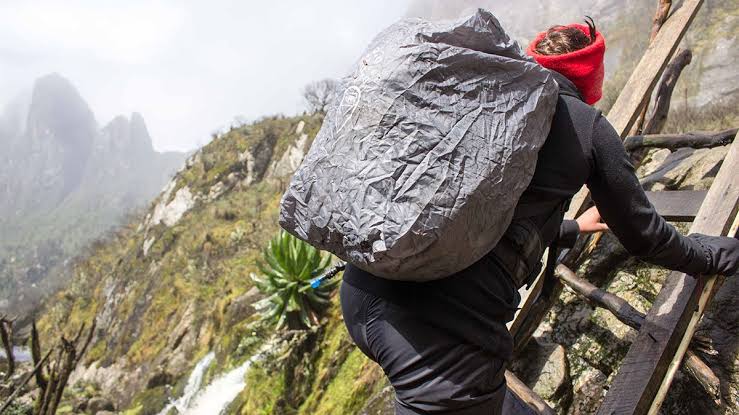
Porters, who carry bags and offer physical support on steep, muddy trekking trails, typically receive somewhere between ten and twenty US dollars per person per day, a tip that represents genuinely significant income for many porters and directly supports local livelihoods around trekking areas like Bwindi and the Virunga volcanoes. Hiring a porter, even for travelers who feel physically capable of carrying their own bag, is worth doing partly for this direct community income benefit alone, beyond the practical help they provide on genuinely demanding terrain.
Tipping Safari Drivers and Guides
Driver-guides accompanying you across a multi-day safari typically receive a daily tip somewhere in the range of ten to fifteen US dollars per person per day, reflecting their combined role as driver, wildlife spotter, and cultural interpreter throughout your trip. For a driver-guide who’s been with you for an entire multi-day or multi-week safari, calculating and presenting this tip as a single lump sum at the end of the trip, rather than daily, is common practice and generally appreciated as a cleaner way to handle it.
Tipping Lodge and Camp Staff
Many lodges and camps maintain a shared staff tip box or pooled tipping system, distributing tips collectively among housekeeping, dining, and general staff rather than requiring guests to identify and tip individuals separately. Where this system exists, a rough guideline of five to ten US dollars per person per day covers the full stay, and asking front desk or management directly about the property’s specific tipping system avoids awkwardly tipping individuals when a pooled system is already in place, or vice versa.
Tipping in Restaurants and for Other Services
Restaurant tipping outside of safari lodges follows a more standard, lighter pattern, typically around ten percent where a service charge isn’t already included on the bill, and checking your bill for an existing service charge before adding an additional tip avoids double-tipping unnecessarily. For other services, spa treatments, boat safari crews, or activity-specific guides like those leading a Jinja rafting trip, a modest tip in the five to ten dollar range per person is generally appropriate and appreciated.
Currency and Practical Tipping Logistics
US dollars remain widely accepted for tipping across the region, though local currency works equally well and is sometimes preferred by staff who’ll spend it locally without needing to exchange it. Carrying a stock of smaller denomination bills specifically set aside for tipping, separate from your main travel funds, makes it considerably easier to tip appropriately throughout your trip without breaking a large bill at an inconvenient moment, a detail worth planning alongside your broader currency and money strategy before you travel.
When Tipping Isn’t Expected
Government park rangers and officials in some contexts operate under regulations that discourage or prohibit direct tipping, and it’s worth asking your guide or operator if you’re ever unsure whether a specific individual falls into this category, since offering a tip in these situations can occasionally create an awkward or even inappropriate situation rather than a welcome gesture. When genuinely uncertain, a polite verbal thank you and positive feedback to the relevant organization or operator is always a safe, appreciated alternative.
Tipping for Exceptional Versus Standard Service
The amounts covered in this guide represent standard tipping for satisfactory to good service, and travelers who receive genuinely exceptional service, a guide who goes well beyond expectations, or a driver who handles a difficult situation with particular skill, shouldn’t feel constrained by these baseline figures. Adjusting upward for a specific individual who made a meaningful difference to your trip is entirely appropriate, and conversely, genuinely poor service doesn’t obligate a full tip simply because it’s the expected norm, though this should be a rare exception rather than a routine way to save money.
Tipping Etiquette and Presentation
Presenting a tip directly and personally, ideally with a brief word of thanks, tends to feel more genuine than simply leaving cash in a room or handing it over without acknowledgment, particularly for guides and drivers who’ve spent extended time with you. For group tips covering a full trekking team or lodge staff, asking your lead guide or the property’s management how they prefer tips to be distributed avoids any confusion about whether the amount will actually reach everyone it’s intended for.
Tipping Differences Across Uganda, Rwanda, Kenya, and Tanzania
While the general ranges in this guide apply broadly across the region, small variations exist between countries, and Rwanda’s more upscale, higher-cost tourism positioning sometimes sees slightly higher tipping norms than neighboring Uganda for comparable services. Kenya and Tanzania’s more established, larger-scale tourism industries have their own well-established local norms too, and asking your specific operator for country-specific guidance, particularly when your itinerary spans multiple countries with different tipping cultures, ensures you’re calibrated correctly for each leg of a combined trip.
Building Tips Into Your Overall Budget
Given how many people typically contribute to a smooth safari or trekking experience, guides, drivers, porters, and lodge staff, tips across a multi-day trip can add up to a genuinely significant amount, and budgeting for this alongside your permits, accommodation, and other trip costs avoids an uncomfortable scramble for cash toward the end of your journey. Treating tips as a planned, expected line item in your overall safari budget, rather than an afterthought, ensures you can tip generously and comfortably for genuinely good service throughout your trip, leaving both you and the people who made it memorable satisfied with how things wrapped up.
Recommended Tours: 10 Days Ultimate Uganda Gorilla & Big Five Safari | 5 Days Uganda Wildlife and Gorilla Trekking Tour