Nkuringo Sector Gorilla Trekking: What to Expect on the Trail
Nkuringo sector gorilla trekking has a reputation, and it’s earned: this is widely considered the most physically demanding of Bwindi Impenetrable National Park’s four trekking sectors, with steep ridgelines and dramatic elevation changes that reward serious effort with equally dramatic views. Perched on Bwindi’s southwestern edge with the Virunga volcanoes visible on a clear day, Nkuringo remains the quietest and least developed of the park’s sectors, appealing to travelers who want a genuinely remote trekking experience. This guide covers exactly what to expect from a Nkuringo trekking day, including honest guidance on its demanding terrain and who this particular sector genuinely suits.
Why Nkuringo Has a Reputation for Difficulty
Nkuringo’s ranger post sits at a high ridge elevation, and reaching many of the sector’s gorilla families means descending steeply into the valley below before climbing back out again, sometimes over a thousand meters of elevation change in a single trek. This terrain isn’t a rumor exaggerated by guidebooks; it’s a genuine physical undertaking that separates Nkuringo from Bwindi’s gentler sectors, and travelers should approach it with realistic expectations about the fitness level required. The payoff for that effort is a trail experience many repeat visitors describe as the most rewarding in the entire park.
Getting to Nkuringo
Nkuringo lies close to Rushaga in Bwindi’s southern reaches, near the town of Kisoro and within reasonable driving distance of the Rwanda border, making it feasible to combine with a Rwanda gorilla trekking leg on the same trip. The drive from Kampala takes upward of nine hours, so most visitors reach Nkuringo via Kisoro or as part of a broader southwestern Uganda route that includes Lake Bunyonyi or Mgahinga Gorilla National Park.
The Gorilla Families of Nkuringo
Nkuringo is home to several habituated gorilla families whose territories span the steep valley and ridge terrain characteristic of this sector, tracked daily by dedicated ranger teams who monitor group health and movement patterns. As elsewhere in Bwindi, family composition shifts over time through births and the departure of maturing males, meaning even experienced Nkuringo trekkers describe genuinely different experiences across repeat visits. Rangers assign trekkers to specific families each morning based on that day’s tracking data and stated fitness levels.
What the Trail Actually Feels Like
Nkuringo’s trails combine dense rainforest cover with genuinely steep gradients, and the return climb back up to the ranger post after a successful gorilla encounter is often the most physically taxing part of the entire day. Trackers head out at first light to locate the gorillas’ overnight position, and depending on where the family has moved, a Nkuringo trek can range from a moderately challenging two-hour walk to a genuinely grueling full-day expedition. This variability is part of what makes honest fitness self-assessment so important when booking this specific sector.
Trail Difficulty and Fitness Level
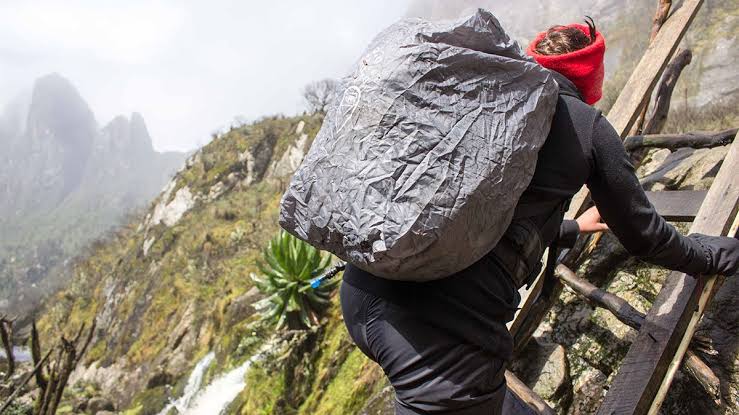
Nkuringo is not the sector to choose if you’re uncertain about your fitness level or have any concerns about steep, sustained climbs, and being upfront with your operator and the rangers about your physical condition genuinely matters here more than in any other Bwindi sector. Hiring a porter is close to essential rather than optional on Nkuringo’s terrain, and most trekkers who attempt this sector without one regret the decision by the return climb. Trekking poles are particularly valuable here given the steep, often muddy descents and ascents.
The Views That Make Nkuringo Worth It
What sets Nkuringo apart from Bwindi’s other sectors is the scenery surrounding the trek itself: on clear days, the volcanic peaks of the Virunga range are visible from the ridge near the ranger post, offering a genuinely striking backdrop rarely matched elsewhere in the park. The valley views along the descent, terraced hillsides, forest canopy, and distant volcanoes, give Nkuringo a scenic dimension that partly explains why so many trekkers describe the physical difficulty as worthwhile in hindsight.
Weather and Best Time to Trek in Nkuringo
The June through September and December through February dry seasons offer firmer footing on Nkuringo’s already-challenging slopes, and given how steep the terrain is, trekking during the wetter months adds a meaningful layer of difficulty through slippery, mud-heavy trails. Rain gear and proper waterproof hiking boots aren’t optional here; they’re essential equipment for managing terrain that’s demanding even in ideal conditions.
Where to Stay Near Nkuringo
Nkuringo’s accommodation options are fewer and generally smaller-scale than Buhoma or Rushaga, reflecting the sector’s quieter, more remote character, though several genuinely excellent lodges take advantage of the ridge-top position to offer some of the best volcano views of any property in the Bwindi region. Booking ahead matters given the limited number of beds, and many travelers choose a Nkuringo lodge specifically for the sunset and sunrise views over the valley below.
Nkuringo vs Other Bwindi Sectors
Where Buhoma offers accessibility and Rushaga offers flexibility and permit volume, Nkuringo offers genuine remoteness, dramatic scenery, and a physical challenge that appeals specifically to fitter, more adventurous trekkers. Travelers uncertain about steep terrain are generally better suited to Buhoma or Rushaga, while those seeking Bwindi’s most demanding and scenic trekking day should prioritize Nkuringo above the other three sectors.
What to Pack for a Nkuringo Trek
Beyond the usual waterproof boots, rain layers, and gardening gloves, Nkuringo specifically rewards trekkers who pack proper trekking poles and genuinely broken-in hiking boots rather than new footwear, given how much the sector’s steep terrain tests both ankle support and grip. Extra water and high-energy snacks matter more here than in gentler sectors, since the physical exertion required burns through energy reserves considerably faster.
Combining Nkuringo With Mgahinga and Rwanda
Nkuringo’s location near Kisoro puts it within easy reach of Mgahinga Gorilla National Park and the golden monkey trekking found there, as well as the Rwanda border for travelers wanting to add a second country’s gorilla population to their itinerary. This corner of southwestern Uganda rewards travelers with extra days to spare, since the combination of Nkuringo’s demanding but scenic trek, Mgahinga’s golden monkeys, and a short hop into Rwanda’s Volcanoes National Park creates one of the richest primate-focused circuits available anywhere in East Africa.
Common Questions About Nkuringo Sector Trekking
The most common question by far concerns just how difficult the terrain really is, and prospective trekkers should trust the sector’s reputation rather than assume it’s exaggerated for effect; Nkuringo genuinely does involve steeper, more sustained climbs than Bwindi’s other three sectors. Travelers also ask whether age is a limiting factor, and while there’s no strict upper age limit for gorilla trekking generally, Nkuringo specifically is worth approaching cautiously if you have any history of knee or joint problems, given how much of the trek involves steep descents and ascents. Another frequent question involves whether a helicopter evacuation option exists for trekkers who become unable to continue, and reputable operators can arrange this at additional cost as a genuine safety net for this sector’s more demanding terrain.
Safety and Ranger Guidance in Nkuringo
Armed rangers accompany every Nkuringo trekking group, primarily watching for forest buffalo and other wildlife rather than any threat from the gorillas, and their local knowledge of this sector’s steep, sometimes unstable terrain adds real safety value beyond the standard wildlife-management role. Given Nkuringo’s demanding elevation changes, rangers here are especially attentive to pacing the group appropriately and calling rest breaks when needed, something worth appreciating rather than resisting if you’re finding the climb harder than expected, since pushing past genuine exhaustion on Nkuringo’s slopes helps no one. As in every Bwindi sector, anyone showing signs of a cold, flu, or other transmissible illness on trekking day may be asked not to participate, protecting the gorillas from human diseases they have little natural resistance to.
After the Encounter: Certificates and the Climb Back Out
Once your hour with the gorillas concludes, the return climb up Nkuringo’s steep valley walls is, for most trekkers, the single hardest stretch of the entire day, and pacing yourself rather than rushing back matters considerably more here than in gentler sectors. Every successful trekker still receives the standard certificate confirming the achievement back at the ranger post, a keepsake that feels especially earned given Nkuringo’s reputation. Most nearby lodges plan their evening service around the genuinely long return times common to this sector, and a hot meal followed by an early night is the realistic, and thoroughly deserved, way most trekkers end a Nkuringo trekking day.
Why This Sector Suits Travelers Building an Adventure-Focused Trip
Travelers specifically constructing an itinerary around physical challenge and genuine remoteness, rather than convenience alone, consistently find Nkuringo the natural centerpiece of that kind of trip, delivering a level of accomplishment few other single-day activities in the region can match.
How This Sector’s Reputation Has Grown Among Serious Trekkers
As word spreads among experienced gorilla trekking enthusiasts about Nkuringo’s specific combination of difficulty and dramatic scenery, the sector continues attracting a growing number of repeat visitors deliberately seeking out its most demanding trekking day precisely because of that reputation.
Booking Your Nkuringo Gorilla Trekking Permit
Given Nkuringo’s demanding reputation, working with an operator who will give you an honest assessment of whether this sector suits your fitness level, rather than simply booking whatever permit is available, leads to a considerably better outcome than discovering the terrain’s true difficulty partway up a ridge. For trekkers who do come prepared, Nkuringo consistently ranks among the most memorable gorilla trekking experiences in Uganda.
Recommended Tours: 4 Days Uganda Gorilla and Chimpanzee Tour | 10 Days Ultimate Uganda Gorilla & Big Five Safari