Rushaga Sector Gorilla Trekking: What to Expect on the Trail
Rushaga sector gorilla trekking offers something no other part of Bwindi Impenetrable National Park can match: the widest selection of habituated gorilla families of any single trekking sector, along with the only access point for Uganda’s gorilla habituation experience. Located in the far south of the park near the Rwanda border, Rushaga has grown into one of Bwindi’s busiest and most flexible sectors for travelers booking permits close to their travel dates. This guide covers exactly what to expect from a Rushaga trekking day, from permit availability to the sector’s genuinely varied trail terrain, and how it compares logistically to trekking further north in the park.
Why Rushaga Handles More Permits Than Any Other Sector
Rushaga’s gorilla families outnumber those of Bwindi’s other three sectors combined, which means the Uganda Wildlife Authority allocates a correspondingly larger number of daily permits here. For travelers booking on relatively short notice, or those visiting during peak season when other sectors sell out months ahead, Rushaga often remains the most realistic option for securing a trekking date. This higher permit volume also means Rushaga mornings can feel busier than quieter sectors like Ruhija, with more trekking groups departing simultaneously from the ranger station.
Getting to Rushaga
Rushaga sits close to the Rwanda border in Bwindi’s southern reaches, making it a natural choice for travelers combining Uganda and Rwanda gorilla trekking on one itinerary, or those approaching from Kisoro town rather than the longer route from Kampala. The drive from Kigali, Rwanda, takes roughly four to five hours depending on border crossing conditions, which makes Rushaga genuinely convenient for travelers based in Rwanda who want to add a second country’s gorilla population to their trip.
The Gorilla Families of Rushaga
Rushaga’s forest is home to numerous habituated families, each tracked daily by dedicated ranger teams who monitor movement patterns and overall group health. This breadth of families is precisely why Rushaga can accommodate more trekkers per day than sectors with fewer habituated groups, and it also means the sector regularly welcomes newly habituated families as they graduate from the habituation process into full trekking status. Rangers assign trekkers to specific families each morning based on fitness level and current tracking reports, so your exact group isn’t confirmed until the pre-trek briefing.
Rushaga and the Gorilla Habituation Experience
Rushaga is the only sector in Bwindi offering the gorilla habituation experience, a longer, more immersive alternative to standard trekking that lets a small group of visitors spend several hours observing a gorilla family still in the process of becoming accustomed to human presence, alongside the researchers and trackers doing that work. This experience costs more and requires considerably more physical stamina than standard trekking, but it offers a genuinely different, more research-focused perspective that appeals strongly to repeat visitors and serious wildlife enthusiasts.
What the Trail Actually Feels Like
Rushaga’s terrain varies considerably depending on which family you’re assigned, ranging from relatively manageable forest paths to genuinely steep, demanding climbs across some of Bwindi’s more rugged southern slopes. Because the sector covers a wider geographic area than the others, distances to different family territories vary more here too, and rangers factor this into group assignments based on stated fitness levels during the morning briefing. Trackers head out at dawn to pinpoint each family’s overnight location before trekking groups depart.
Trail Difficulty and Fitness Level
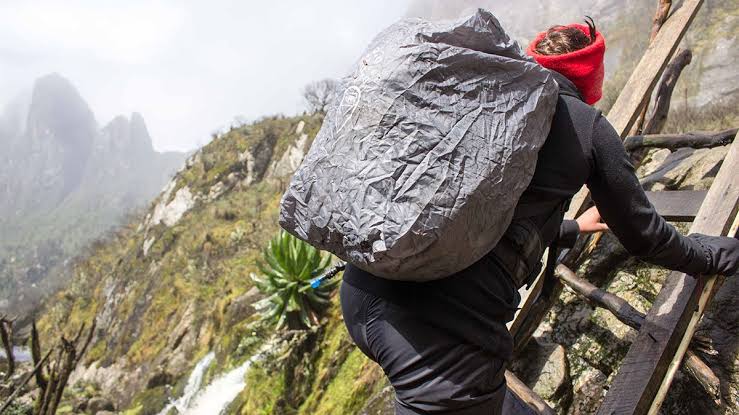
Given Rushaga’s varied terrain, being honest about your fitness level when booking and during the morning briefing genuinely helps rangers assign you to an appropriately paced group, since a mismatched assignment can turn what should be a memorable morning into an exhausting slog for everyone involved. Porters are readily available at the trailhead and worth hiring regardless of fitness level, both for practical assistance on Rushaga’s steeper stretches and as meaningful income support for the local community. Proper waterproof boots, trekking poles, and gardening gloves for pushing through dense vegetation all make a real difference here.
Weather and Best Time to Trek in Rushaga
Rushaga follows Bwindi’s broader climate pattern, with the June through September and December through February dry seasons offering the firmest trail conditions, though the sector’s forest stays humid and unpredictable regardless of season. Rain gear is essential year-round, and given how much distance some family treks can cover, layered clothing that adapts to changing exertion levels matters as much as protection from the elements.
Where to Stay Near Rushaga
Rushaga’s lodge scene has grown substantially in recent years to match its rising popularity, with options spanning budget guesthouses to increasingly upscale properties positioned to serve the sector’s growing volume of trekkers. Many properties here also cater specifically to travelers combining Uganda and Rwanda trekking, offering package logistics that simplify the cross-border leg of a combined itinerary.
Rushaga vs Other Bwindi Sectors
Compared to Buhoma’s established infrastructure, Ruhija’s birding appeal, or Nkuringo’s remote quiet, Rushaga’s clearest advantage is sheer flexibility, more families, more permits, and easier access for travelers combining Uganda with a Rwanda leg. Travelers prioritizing permit availability over trail difficulty, or specifically wanting access to the habituation experience, will generally find Rushaga the most practical choice among Bwindi’s four sectors.
What to Pack for a Rushaga Trek
Beyond the standard trekking essentials, waterproof boots, rain layers, and a daypack with rain cover, travelers booking the habituation experience specifically should pack extra food, water, and stamina for a day that runs considerably longer than standard trekking. A reliable pair of gardening gloves and trekking poles remain worthwhile across all of Rushaga’s varied terrain, regardless of which specific family or experience type you’re booked for.
Combining Rushaga With a Rwanda Gorilla Safari
Rushaga’s proximity to the Rwanda border makes it one of the easiest sectors to pair with a Volcanoes National Park trek on the same trip, and many travelers deliberately structure their itinerary around trekking one country’s gorillas from Rushaga before crossing into Rwanda for a second, distinct trekking day among a different set of families. This kind of dual-country trekking trip appeals strongly to serious wildlife enthusiasts who want to compare Uganda’s dense rainforest trekking with Rwanda’s more open, volcanic-slope terrain within a single, relatively compact travel window.
Common Questions About Rushaga Sector Trekking
A common question concerns the difference between standard trekking and the habituation experience specifically available in Rushaga, and the short answer is that habituation involves considerably more time with the gorillas, up to four hours compared to the standard one-hour limit, alongside researchers actively working to build the family’s tolerance of human presence. Travelers also frequently ask whether Rushaga’s larger permit volume means a lower-quality experience, and the honest answer is no, group sizes and viewing rules remain identical to every other Bwindi sector regardless of how many total permits the sector issues each day. Another frequent question involves border logistics for those combining Rushaga with Rwanda, and confirming visa requirements and border crossing points well ahead of the trip avoids any last-minute complications.
Safety and Ranger Guidance in Rushaga
Every Rushaga trekking group travels with armed rangers, whose role centers on managing encounters with forest buffalo and other wildlife rather than any danger posed by the gorillas themselves, and their presence is standard practice across all of Bwindi’s sectors. Guides brief each group thoroughly before departure on maintaining safe viewing distance, staying quiet near the gorillas, and following any instructions immediately during the encounter, rules that apply with equal seriousness whether you’re on a standard one-hour trek or the longer habituation experience. Anyone showing symptoms of a cold, flu, or other communicable illness on trekking day may be asked to sit out, since gorillas share enough genetic similarity with humans to be vulnerable to our common illnesses, and protecting their health remains a top priority across the park.
After the Encounter: Certificates and the Walk Back Out
Once your allotted time with the gorillas ends, standard trekkers head back toward the ranger station along much of the same route, while those on the habituation experience continue observing for several additional hours before making the return journey. Every successful trekker receives a certificate confirming the day’s achievement, a genuinely popular souvenir that many visitors frame once home, and most lodges near Rushaga time their meal service around typical return windows from the trail. Given how physically demanding a full Rushaga day can be, especially for habituation participants, planning for a quiet evening afterward rather than an ambitious second activity tends to be the wiser choice.
Why Rushaga Continues Attracting a Growing Share of Bwindi’s Trekkers
Given its unmatched combination of permit flexibility, family variety, and exclusive habituation access, Rushaga has steadily grown its share of Bwindi’s overall trekking volume, a trend most operators expect to continue as the sector’s habituated family roster keeps expanding.
How This Sector Rewards Travelers With Flexible Planning
Travelers whose broader itinerary allows genuine flexibility around exact trekking dates find Rushaga’s high permit volume translates into real practical advantage, often securing bookings that would prove considerably harder to arrange in Bwindi’s more constrained northern sectors.
Booking Your Rushaga Gorilla Trekking Permit
Given Rushaga’s popularity and its unique access to the habituation experience, booking through an established operator who can confirm exactly which permit type and family assignment fits your travel dates and fitness level takes considerable guesswork out of planning. Whether you’re trekking standard sectors or opting for the longer habituation option, Rushaga remains one of the most reliably bookable entry points into Uganda’s gorilla trekking experience.
Recommended Tours: 3 Days Bwindi Gorilla Trekking Safari | 7 Days Classic Rwanda Safari