Meet the Susa Gorilla Family of Volcanoes National Park
The Susa gorilla family holds a genuinely special place in the history of mountain gorilla conservation, having been one of the groups originally studied by renowned primatologist Dian Fossey during her decades of research in Rwanda’s Volcanoes National Park. Named after the Susa River that runs through its territory high on the slopes of Mount Karisimbi, this family has grown into one of the largest and most storied groups available for trekking in the entire Virunga region. This guide covers the Susa family’s history, its current character, and what trekkers should genuinely expect if assigned to visit this famous group.
A Family With Deep Research Roots
Long before gorilla tourism existed in Rwanda, the Susa group was among the families that Dian Fossey herself observed and documented at her Karisoke Research Center, making it one of the best-studied gorilla families anywhere in the world. This research legacy means an unusually rich body of knowledge exists about individual Susa gorillas across generations, their lineages, personalities, and family dynamics tracked with a level of detail rarely available for other habituated groups. Trekkers visiting Susa are, in a very real sense, encountering a living continuation of some of the earliest chapters in mountain gorilla science.
Why Susa Is Known as One of the Larger Families
The Susa family has historically been counted among the largest gorilla groups in Volcanoes National Park, with numbers fluctuating over time as infants are born and young males eventually disperse to form their own groups. A larger family size generally means more opportunity to observe a wider range of gorilla behavior in a single visit, from playful juveniles tumbling through the undergrowth to the calm, watchful presence of the group’s dominant silverback overseeing everything from a slight distance. This dynamic, layered social structure is part of what makes a Susa trek so consistently memorable for visitors.
Where Susa’s Territory Sits
Susa’s territory lies high on the slopes of Mount Karisimbi, one of the tallest volcanoes in the Virunga range, which historically made this family’s trek among the more physically demanding options in Rwanda. The altitude and terrain mean trekkers should arrive with reasonable fitness and realistic expectations about the climb involved, though the family’s movements do shift over time and can occasionally bring them to more accessible lower elevations depending on seasonal food availability.
What a Susa Family Trek Involves
Like all gorilla treks in Rwanda, a Susa trekking day begins with an early morning briefing at Volcanoes National Park headquarters in Kinigi, where visitors are assigned to their specific family group based on fitness level and that day’s tracking reports. Given Susa’s higher-altitude territory, this assignment often goes to trekkers who’ve indicated stronger fitness during the briefing process, so travelers specifically hoping to visit this famous family should mention that preference to their operator well before trekking day, even though final assignments remain at the discretion of park authorities.
The Silverback and Family Dynamics
Every gorilla family is led by a dominant silverback, whose role includes protecting the group, mediating internal disputes, and deciding when and where the family moves each day in search of food. Watching this dynamic play out during a trek, the silverback’s quiet authority, the way younger members defer to him, and the tenderness he often shows toward infants in the group, is frequently cited by visitors as the single most striking part of a gorilla encounter, and Susa’s well-documented lineage adds extra context to whichever silverback currently leads the group.
Trekking Difficulty for the Susa Family
Given its historically higher-altitude territory, a Susa trek has traditionally ranked among the more physically demanding options in Volcanoes National Park, and trekkers should pack accordingly with proper waterproof boots, trekking poles, and layered clothing for the temperature swing between the cool morning briefing and the exertion of the climb itself. Porters are available to hire at the trailhead and are genuinely worth the modest cost, both for practical support and as direct income for the local community that depends on this seasonal work.
Best Time to Trek to the Susa Family
Rwanda’s two dry seasons, roughly June through September and December through February, offer the firmest trail conditions for reaching Susa’s territory, though the family’s higher-altitude range means weather can shift quickly regardless of season. Checking current conditions and the family’s recent movement patterns with your operator closer to your travel dates gives the most accurate picture of what to expect on your specific trekking day.
Susa’s Place Among Rwanda’s Gorilla Families
Rwanda’s Volcanoes National Park is home to numerous habituated gorilla families beyond Susa, including the more accessible Sabyinyo group and several others distributed across the park’s volcanic slopes, and each carries its own distinct history and character. Susa’s particular claim to fame, its deep research history and traditionally larger size, makes it a favorite request among repeat visitors and gorilla trekking enthusiasts specifically seeking a connection to the earliest days of mountain gorilla conservation work in the region.
Conservation and What Your Permit Supports
Every gorilla trekking permit fee, including treks to see the Susa family, funds a substantial portion of Rwanda’s ongoing conservation work, from anti-poaching patrols to veterinary care for sick or injured gorillas and community development programs in villages bordering the park. This funding model has helped Rwanda’s mountain gorilla population grow steadily over recent decades, turning gorilla tourism into one of conservation’s clearest success stories and giving every trekker’s visit genuine, tangible impact beyond the personal experience itself.
How Susa Compares to Other Rwanda Families
Where Sabyinyo is known for gentler terrain and Susa for its research pedigree and traditionally larger size, other Volcanoes National Park families each carry their own reputation, some known for particularly playful juveniles, others for territories closer to the park boundary and shorter approach walks. Trekkers who’ve visited multiple families over repeat trips often describe Susa as offering the most complete sense of a gorilla family’s full social complexity, simply because its larger historical size means more individuals, more interactions, and more of the subtle social dynamics that make gorilla watching so absorbing to experience firsthand.
What to Pack for a Susa Trek
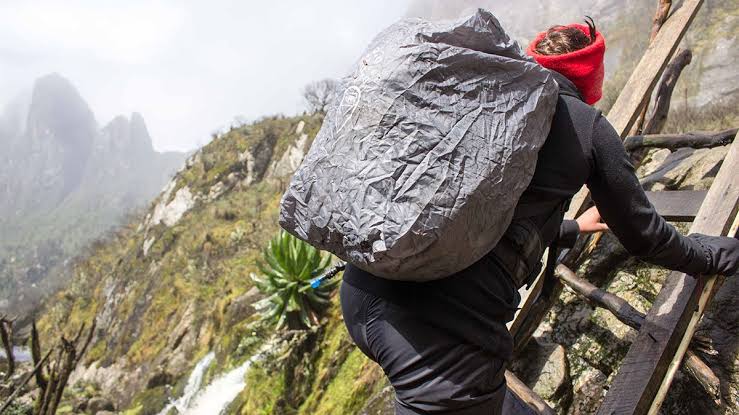
Given the altitude and physical demands historically associated with reaching Susa’s territory, packing genuinely broken-in waterproof hiking boots, a warm layer for the cold pre-dawn briefing, and a lighter breathable layer for the exertion of the climb itself all matter considerably. A daypack with a rain cover protects camera equipment and any spare clothing, while gardening gloves make pushing through Volcanoes National Park’s sometimes stinging nettle-lined undergrowth considerably more comfortable than bare hands would allow.
Photography and Etiquette During a Susa Encounter
Flash photography is strictly prohibited during any gorilla encounter in Rwanda, Susa included, since sudden bright light can startle the animals and disrupt the calm atmosphere rangers work hard to maintain during each visit. Keeping voices low, moving slowly, and following your ranger’s instructions immediately if the group needs to reposition are all standard etiquette that matters just as much with a historically significant family like Susa as with any other group in the park, ensuring the encounter stays calm and genuinely respectful of the gorillas’ space.
Common Questions About Trekking the Susa Family
Travelers often ask whether requesting Susa specifically guarantees they’ll be assigned to the group, and the honest answer is no; park authorities make final assignments each morning based on fitness levels, current tracking data, and logistical factors that shift daily. Another frequent question concerns how long a Susa encounter actually lasts, and the answer is the same standard hour given to every gorilla family visit in Rwanda, regardless of the group’s size, history, or territory. Visitors also ask whether children can trek to see Susa specifically, and while Rwanda’s minimum age for gorilla trekking applies uniformly across all families, the potentially longer walk to reach Susa’s traditional territory is worth factoring into that decision for younger or less experienced trekkers.
Combining a Susa Trek With the Rest of Rwanda
Most visitors trekking to see the Susa family base themselves in Kinigi or nearby Musanze for at least one night before and after the trek, and many extend their stay with a visit to Dian Fossey’s grave site at the former Karisoke Research Center, a genuinely moving stop for anyone who’s just spent a morning with one of the families she originally studied. From Musanze, Kigali is a short, scenic drive away, making it easy to bookend a Susa trek with time exploring Rwanda’s capital, including its genocide memorial and increasingly vibrant restaurant and arts scene.
Planning Your Visit to the Susa Family
Because family assignments depend on park authority decisions made close to trekking day, working with an experienced operator who understands Rwanda’s permit system and can communicate your interest in specific families like Susa gives you the best realistic chance of an assignment, though it’s never fully guaranteed. Whichever family you’re ultimately assigned to, a Rwanda gorilla trekking permit, whether it lands you with Susa or a family territory nearer Karisimbi or Bisoke, connects you to one of conservation’s most remarkable ongoing stories, and Susa remains one of its most storied chapters.
Recommended Tours: 7 Days Classic Rwanda Safari | 3 Days Bwindi Gorilla Trekking Safari