Meet the Bwenge Gorilla Family of Volcanoes National Park
The Bwenge gorilla family takes its name from the Kinyarwanda word for wisdom, a fitting tribute to the silverback who leads the group and whose steady, experienced leadership has carried the family through genuine hardship over the years. Like every family in Volcanoes National Park, Bwenge’s history reflects the broader reality of mountain gorilla life, a mix of resilience, loss, and gradual recovery that mirrors the wider conservation story unfolding across the entire Virunga Massif over the past several decades. This guide covers Bwenge’s background, its current character, and what trekkers should genuinely expect from a visit to this family.
What the Name Bwenge Represents
Naming a gorilla family after a concept like wisdom reflects Rwanda’s broader tradition of choosing names that capture something meaningful about a group’s leadership or history rather than simply assigning a number. Rangers who’ve tracked Bwenge closely over the years describe a silverback whose leadership style reflects real experience, patient, measured, and protective of the family through periods of genuine difficulty.
A Family That Has Weathered Real Hardship
Bwenge’s history includes periods of genuine loss, as is unfortunately true for many gorilla families given the natural risks these animals face from disease, territorial conflict with neighboring groups, and the simple unpredictability of life in the wild. Rather than diminishing the family, this history adds a layer of real emotional weight to a Bwenge trek, an encounter with a group that has demonstrably endured and continued forward under steady leadership.
Where Bwenge’s Territory Sits
Bwenge’s territory lies within Volcanoes National Park’s broader trekking zone, and as with every family, its exact position on a given day depends on recent foraging patterns and food availability across the group’s range. Trackers head out at first light to confirm the family’s current location, allowing your assigned ranger to plan the most efficient route once the group’s position is confirmed by radio.
Family Dynamics Within the Bwenge Group
Watching Bwenge’s silverback interact with the rest of the family often reveals a particularly attentive, protective leadership style, consistent with a male who has led his group through real adversity and understands intimately what’s at stake in keeping the family safe and cohesive. This dynamic, while not visibly dramatic during a properly managed tourist encounter, adds genuine depth for trekkers interested in the individual stories behind Rwanda’s habituated gorilla population.
What a Trek to See Bwenge Involves
Like every Rwanda gorilla trek, visiting Bwenge begins with the standard early morning briefing at Volcanoes National Park headquarters in Kinigi, where trekkers are assigned to specific families based on fitness level and current tracking reports. Trackers head out ahead of the main group to pinpoint the family’s overnight position before your ranger team guides the trek along the most efficient route in.
Trekking Difficulty and What to Pack
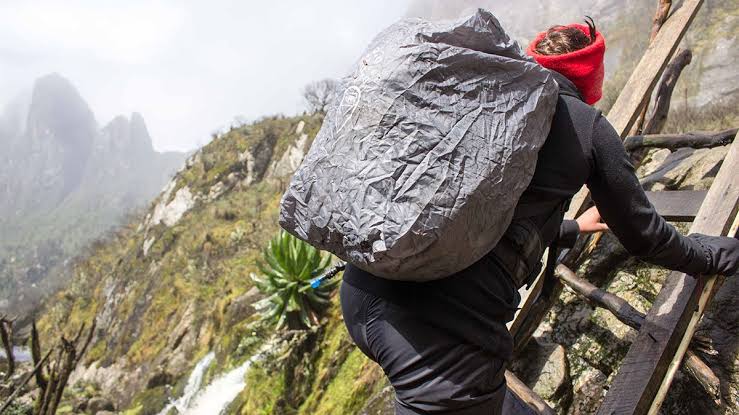
Bwenge’s trekking difficulty varies depending on the family’s current position, and proper waterproof hiking boots, trekking poles, and rain-ready layered clothing remain essential regardless of specific family assignment. Porters are available to hire at the trailhead and are worth the modest cost both for practical trail support and as direct income for the local community.
Best Time to Trek to the Bwenge Family
Rwanda’s two dry seasons, roughly June through September and December through February, offer the firmest trail conditions across the park, including Bwenge’s territory, though trekking during the wetter months remains genuinely viable for travelers with flexible dates and appropriate rain gear.
Bwenge’s Place Among Rwanda’s Gorilla Families
Volcanoes National Park is home to numerous habituated families beyond Bwenge, including the demanding, high-altitude Karisimbi family and the notably accessible Sabyinyo family. Bwenge’s specific story of resilience under experienced leadership gives it a genuinely meaningful place among the park’s roster of habituated groups.
Conservation and What Your Permit Supports
Every gorilla trekking permit fee, regardless of which family you’re assigned to, funds a substantial share of Rwanda’s ongoing conservation work, from anti-poaching patrols to veterinary care and community development programs in villages surrounding the park. Families like Bwenge that have faced real hardship over the years are a direct reminder of why this funding, and the veterinary intervention capability it supports, matters so profoundly to the population’s continued recovery.
What Trekkers Notice First About Bwenge
Visitors who’ve trekked to see Bwenge often mention the silverback’s noticeably calm, watchful demeanor as the first thing that stands out, a quality that experienced guides frequently attribute to years of navigating genuine challenges as the family’s protector. This isn’t the kind of detail that shows up in a brief encounter summary, but it’s exactly the sort of nuance that makes gorilla trekking feel like more than a checklist wildlife sighting for travelers who take the time to ask their ranger about the specific family they’re visiting.
Common Questions About Trekking the Bwenge Family
Trekkers frequently ask whether a family’s difficult history affects the current trekking experience in any way, and the answer is no, Bwenge functions today as a fully stable, cohesive family unit regardless of past hardship, and a modern encounter reflects the group’s current wellbeing rather than its history. Visitors also ask how rangers respond when a family experiences loss, and the honest answer involves increased monitoring, veterinary support where medically appropriate, and careful ongoing observation to ensure the family’s continued stability.
Why Individual Family Histories Matter to Conservation
Rwanda’s decision to track and document each gorilla family’s individual history in such close detail, rather than simply monitoring the population in aggregate, reflects a conservation philosophy that treats every gorilla as an individual worth knowing, not just a statistic. This approach, tracing directly back to Dian Fossey’s original research methods at Karisoke, gives families like Bwenge a genuinely documented story that adds real emotional and scientific depth to what might otherwise be a purely numerical population count.
Combining a Bwenge Trek With the Rest of Rwanda
Most visitors trekking to see Bwenge base themselves in Kinigi or nearby Musanze, and many extend their stay to compare the region’s volcanic peaks, including a look at Karisimbi versus Bisoke, before continuing on toward Kigali to close out the trip.
Leadership Through Adversity: What It Teaches About Gorilla Society
A silverback’s role extends well beyond simple physical dominance; he serves as the family’s protector, mediator, and, in moments of genuine crisis, the figure other members look to for stability and continued direction. Bwenge’s demonstrated ability to hold his family together through real hardship offers a window into just how much individual leadership quality matters within gorilla social structure, a dynamic that researchers studying the species have documented repeatedly across multiple families and generations throughout the Virunga Massif.
What Makes Bwenge a Meaningful Family to Visit
Trekkers who learn about Bwenge’s history before their visit often describe a deepened sense of connection during the actual encounter, watching a family that has visibly endured and continues to thrive under the same steady leadership that carried it through difficult periods. This emotional dimension, understanding not just what you’re seeing but the fuller story behind it, is part of why many operators encourage visitors to ask their guides about a family’s specific background rather than treating the trek as a purely visual wildlife encounter.
How Rangers Support Families Through Difficult Periods
When a family experiences loss or significant disruption, Rwanda’s ranger and veterinary teams respond with increased monitoring frequency, careful health assessments of remaining members, and, where medically necessary, direct veterinary intervention through the region’s specialized gorilla veterinary program. This kind of rapid-response capability, built up over decades of conservation investment, has made a measurable difference in helping families like Bwenge recover and stabilize after difficult periods, turning what might once have threatened a family’s survival into a manageable, monitored recovery process instead.
Why Bwenge’s Story Resonates With Repeat Rwanda Visitors
Travelers who’ve followed Bwenge’s story across multiple trips, or who learn about it in depth before a single visit, often describe a genuinely deeper emotional investment in this specific family compared to a first, unfamiliar encounter elsewhere in the park.
How This Family’s Story Reflects Rwanda’s Broader Conservation Values
Bwenge’s documented resilience embodies the same patient, individualized approach to conservation that defines Rwanda’s broader gorilla program, treating each family’s specific history as genuinely worth understanding rather than reducing every group to an interchangeable trekking assignment.
Photography and Etiquette During a Bwenge Encounter
Flash photography is strictly prohibited throughout every gorilla encounter in Rwanda, and this rule applies with equal seriousness to Bwenge as to every other family in the park. Staying quiet, moving deliberately, and following your ranger’s instructions immediately if repositioning becomes necessary all remain standard practice, ensuring the encounter stays calm and respectful of a family that has, by any measure, earned that respect through its demonstrated resilience.
Planning Your Visit to the Bwenge Family
Because final family assignments rest with park authorities on the morning of the trek, working with an experienced operator who understands Rwanda’s permit system gives you the best realistic chance of an assignment suited to your interests, whether that’s Bwenge’s story of resilience or one of the park’s other remarkable families.
Recommended Tours: 7 Days Classic Rwanda Safari | 3 Days Bwindi Gorilla Trekking Safari