Meet the Ugenda Gorilla Family of Volcanoes National Park
The Ugenda gorilla family takes its name from the Kinyarwanda word meaning on the move, a description that reflects the group’s well-earned reputation as one of the more restless, wide-ranging families in Volcanoes National Park. Unlike some neighboring groups that settle into a relatively consistent territory, Ugenda tends to shift location more frequently, adding a genuine element of unpredictability to any trek assigned to this particular family. This guide covers Ugenda’s distinctive mobility, where its wide-ranging territory tends to sit, what that means practically for trekkers, and what a visit to this family genuinely involves from briefing to encounter.
What the Name Ugenda Tells You
A family name that translates directly to on the move isn’t a poetic exaggeration in Ugenda’s case; rangers who track this group daily consistently note its tendency to cover more ground than many of the park’s other habituated families, shifting between feeding areas with a frequency that keeps the tracking team genuinely busy. This mobility has become such a defining characteristic that it shaped the family’s name outright, a rare example of a group’s behavior directly determining its identity within the park’s naming conventions.
Why Ugenda Moves So Much
Gorilla movement patterns are driven primarily by food availability, and a family’s territory size and mobility often reflect the specific balance of resources within their range, competition with neighboring groups, and individual preferences that can vary from one family to the next even within similar habitat. Ugenda’s particular tendency toward wider movement may reflect a combination of these factors, though the precise reasons behind any individual family’s behavioral pattern remain an area of ongoing observation for the park’s research teams.
What This Means for Trekkers
Because Ugenda’s position shifts more unpredictably than some neighboring families, a trek to see this group can vary considerably in length and difficulty from one day to the next, and trekkers assigned here should approach the day with realistic flexibility rather than fixed expectations about trek duration. Rangers factor this variability into group assignments, generally reserving Ugenda treks for visitors who’ve indicated reasonably strong fitness during the morning briefing given the added uncertainty involved.
Where Ugenda’s Territory Sits
Given the family’s mobility, Ugenda’s range spans a broader stretch of Volcanoes National Park than some more territorially settled neighboring groups, and the specific starting point for a trek can vary more from visit to visit as a result. Trackers head out at first light to pinpoint the family’s current position, and this additional legwork is part of why Ugenda assignments sometimes involve a longer wait before the trekking group actually departs the ranger station.
What a Trek to See Ugenda Involves
Like every Rwanda gorilla trek, visiting Ugenda begins with the standard early morning briefing at Volcanoes National Park headquarters in Kinigi, where trekkers are assigned to specific families based on fitness level and current tracking reports. Given Ugenda’s reputation, rangers often brief assigned trekkers specifically on the potential for a longer-than-average day.
Trekking Difficulty and What to Pack
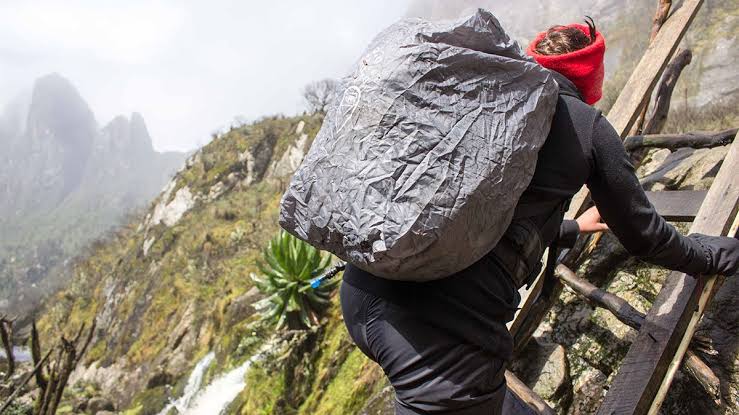
Given Ugenda’s wider-ranging territory, trekkers assigned to this family should pack with a slightly more demanding day in mind, proper waterproof hiking boots, trekking poles, layered rain-ready clothing, and extra water and snacks beyond what a more predictable, shorter trek might require. Porters are available to hire at the trailhead and are especially worth considering here given the potential for an extended walk.
Best Time to Trek to the Ugenda Family
Rwanda’s two dry seasons, roughly June through September and December through February, offer the firmest trail conditions across the park, and given Ugenda’s tendency toward longer, more variable treks, firmer footing during these drier months makes a genuinely meaningful difference to how manageable the day feels.
Ugenda’s Place Among Rwanda’s Gorilla Families
Volcanoes National Park is home to numerous habituated families beyond Ugenda, including the similarly wide-ranging Agashya family and the more settled Amahoro family. Ugenda’s specific reputation for mobility gives it a distinctive place among the park’s roster of families, appealing especially to trekkers who enjoy the added unpredictability of not knowing exactly how far the day’s walk will take them.
Conservation and What Your Permit Supports
Every gorilla trekking permit fee, regardless of which family you’re assigned to, funds a substantial share of Rwanda’s ongoing conservation work, from anti-poaching patrols to veterinary care and community development programs in villages surrounding the park. Monitoring a highly mobile family like Ugenda also requires a particularly dedicated tracking effort, underscoring just how much daily ranger work goes into keeping every family, wherever it roams, safely accounted for.
What Ugenda’s Behavior Reveals About Territory and Neighbors
A family that ranges as widely as Ugenda inevitably shares boundaries with more neighboring groups than a territorially settled family would, and rangers pay close attention to how these overlapping ranges are negotiated, generally through avoidance and vocal signaling rather than direct confrontation between families. This aspect of Ugenda’s behavior offers a genuinely interesting window into the broader social geography of Volcanoes National Park, where dozens of families coexist across a limited area of protected forest without the kind of serious territorial conflict that might otherwise threaten the population’s stability.
Common Questions About Trekking the Ugenda Family
Trekkers frequently ask whether Ugenda’s mobility makes the family harder for rangers to locate at all, and the answer is no, the same daily tracking system that monitors every Volcanoes National Park family applies to Ugenda, simply requiring more ground covered by the tracking team on a typical morning. Visitors also ask whether a longer trek to see Ugenda is worth the added effort, and trekkers who’ve completed the walk consistently describe the extended time in the forest itself, with its varied terrain and richer birdlife exposure, as a genuine highlight rather than simply a longer means to the same end.
What Sets a Highly Mobile Family Apart to Observe
Beyond the practical trekking implications, a family with Ugenda’s wide-ranging habits offers researchers a particularly rich dataset on gorilla territorial behavior, since their movement patterns reveal more about how food availability and competition with neighboring groups shape decision-making across the wider population. Trekkers curious about this research dimension often find that asking their guide about Ugenda’s recent movement history adds a genuinely interesting layer to the day’s experience.
Combining a Ugenda Trek With the Rest of Rwanda
Most visitors trekking to see Ugenda base themselves in Kinigi or nearby Musanze, and many extend their stay to explore the region’s volcanic peaks further, including a look at how Karisimbi compares to Bisoke, before continuing toward Kigali to close out the trip.
How Rangers Adapt to a Mobile Family’s Schedule
Tracking Ugenda effectively requires rangers to start their morning scouting earlier and cover more ground than teams assigned to more settled families, a routine that has become second nature to the specific trackers assigned to this group over years of following its movements. This dedicated expertise means that despite Ugenda’s unpredictability, the tracking team’s familiarity with the family’s general patterns and preferred feeding zones still allows for a reasonably efficient trekking day more often than not, even if the exact route and distance remain genuinely variable.
Why Unpredictability Appeals to Some Trekkers
For a segment of visitors, particularly repeat trekkers and those specifically seeking a more adventurous wildlife encounter, Ugenda’s unpredictable movement pattern is precisely the appeal rather than a drawback, offering a trekking day that feels genuinely wild and undetermined rather than following a well-worn, predictable path. This appeal has made Ugenda something of a favorite among trekkers who’ve already experienced a more standard family visit and are looking for a follow-up trip with a slightly different character.
Photography and Etiquette During a Ugenda Encounter
Flash photography is strictly prohibited throughout every gorilla encounter in Rwanda, and this rule applies with equal seriousness to Ugenda as to every other family in the park, regardless of how far the walk took to reach them. Staying quiet, moving deliberately, and following your ranger’s instructions immediately if repositioning becomes necessary all remain standard practice, and after a genuinely long walk to reach this family, most trekkers find the effort makes the eventual encounter feel even more earned and memorable.
Why This Family Rewards Genuine Physical Preparation
Given how variable Ugenda’s trek length can run, travelers who arrive having done real pre-trip cardiovascular conditioning consistently report handling the day’s uncertainty with considerably more comfort than those who assumed a standard, predictable trek length.
How This Family Compares to Other Wide-Ranging Groups
Trekkers curious about mobility patterns sometimes compare Ugenda directly to the similarly wide-ranging Agashya family, noting genuinely interesting differences in how each group’s specific territory and neighboring relationships shape its own particular movement habits.
Planning Your Visit to the Ugenda Family
Because final family assignments rest with park authorities on the morning of the trek, working with an experienced operator who understands Rwanda’s permit system gives you the best realistic chance of an assignment suited to your fitness level and appetite for a genuinely unpredictable trekking day, whether that’s the mobile Ugenda family or one of the park’s more territorially settled groups.
Recommended Tours: 7 Days Classic Rwanda Safari | 12-Day Uganda Gorilla Tours and Kenya Great Migration Safaris