The Mubare Gorilla Family of Bwindi: A Trekker’s Profile
The Mubare gorilla family holds a genuinely foundational place in Uganda’s gorilla tourism history, having been the very first group habituated for trekking in Bwindi Impenetrable National Park when the country opened its gorilla trekking program in the early 1990s. Based in the Buhoma sector, Mubare’s habituation marked the true beginning of Uganda’s now-thriving gorilla tourism industry, and trekking to see this family today connects visitors directly to that pioneering chapter of conservation history that eventually made permits and revenue-sharing possible across the entire park. This guide covers Mubare’s background, its historic significance, where its territory sits within Buhoma, and what a trek to see this founding family genuinely involves from briefing to encounter.
Uganda’s First Habituated Gorilla Family
Before Mubare’s habituation, gorilla trekking simply didn’t exist as a tourism activity in Uganda, and the painstaking, years-long process of accustoming this specific family to human presence effectively created the template that every subsequent habituation effort across Bwindi and Mgahinga would follow. Rangers and researchers who worked on Mubare’s original habituation faced genuine uncertainty about whether the process would even succeed, making the family’s eventual opening to tourists a landmark achievement in Uganda’s conservation history.
Why Buhoma Became the Starting Point
Mubare’s location in the Buhoma sector is part of why this particular corner of Bwindi became the park’s original, most established trekking hub, with infrastructure and ranger expertise that grew up specifically around supporting this first habituated family before eventually expanding to the park’s other three sectors. This history is part of why Buhoma today still carries a reputation as Bwindi’s most developed and accessible sector.
Mubare’s Legacy Within the Wider Gorilla Population
As one of the longest continuously monitored gorilla families in Uganda, Mubare has contributed an unusually rich, multi-generational body of research data to scientists studying gorilla demographics, health, and social behavior over more than three decades. This sustained monitoring has made Mubare something of a benchmark family against which researchers compare data from more recently habituated groups across both Bwindi and the wider Virunga Massif.
Where Mubare’s Territory Sits
Mubare’s territory lies within the Buhoma sector’s trekking zone, and as with every family, its exact position on a given day depends on recent foraging patterns and food availability across the group’s range. Trackers head out at first light to confirm the family’s overnight location, allowing your assigned ranger to plan the most efficient route once the group’s position is confirmed by radio.
What a Trek to See Mubare Involves
Like every Bwindi trek, visiting Mubare begins with the standard early morning briefing at the Buhoma ranger station, where trekkers are assigned to specific families based on fitness level and current tracking reports. Given the family’s historic significance, a Mubare trek is frequently requested by visitors with a specific interest in the origins of Uganda’s gorilla tourism program.
Trekking Difficulty and What to Pack
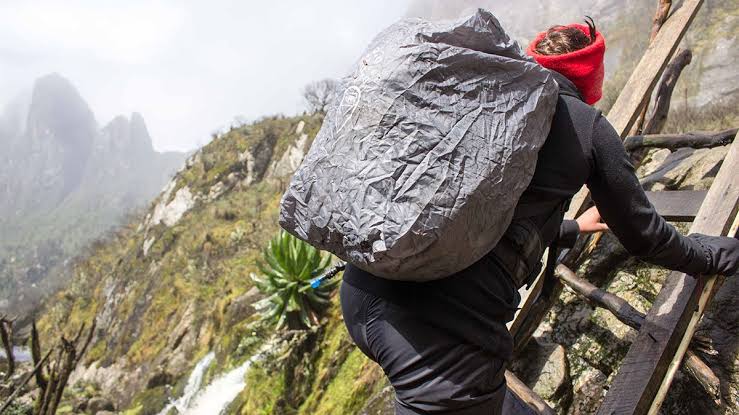
Mubare’s trekking difficulty is generally consistent with Buhoma’s broader reputation for relatively moderate terrain, though Bwindi’s dense rainforest remains demanding regardless of specific family assignment, and proper waterproof hiking boots, trekking poles, and rain-ready layered clothing remain essential. Porters are available to hire at the trailhead and are worth the modest cost both for practical trail support and as direct income for the local community.
Best Time to Trek to the Mubare Family
Uganda’s two dry seasons, roughly June through September and December through February, offer the firmest trail conditions across Bwindi, including Mubare’s territory, though trekking during the wetter months remains genuinely viable for travelers with flexible dates and appropriate rain gear.
Mubare’s Place Among Bwindi’s Gorilla Families
Buhoma is home to several habituated gorilla families beyond Mubare, each tracked daily by dedicated ranger teams, and choosing between them often comes down to permit availability on your specific travel dates rather than a meaningful difference in experience quality. Mubare’s specific claim to fame, its status as Uganda’s founding habituated family, gives it a genuinely unique historical weight among Bwindi’s roster of groups, a distinction worth reading about alongside the broader Buhoma sector gorilla trekking guide before booking.
Conservation and What Your Permit Supports
Every gorilla trekking permit fee, regardless of which family you’re assigned to, funds a substantial share of Uganda’s ongoing conservation work, from anti-poaching patrols to veterinary care and community development programs in villages surrounding Bwindi. Mubare’s more than three decades of continuous monitoring stand as a direct testament to what sustained conservation funding, built originally on this single family’s pioneering habituation, can achieve over time.
Common Questions About Trekking the Mubare Family
Trekkers frequently ask whether Mubare, given its long history, is somehow different to trek than more recently habituated families, and the answer is no, decades of habituation simply mean an especially well-established, predictable relationship between the family and Uganda Wildlife Authority’s ranger teams. Visitors also ask whether the original individuals from Mubare’s 1990s habituation are still part of the family today, and the honest answer is that gorilla lifespans and natural generational turnover mean the current group reflects decades of births, maturation, and departures since those founding years.
What Long-Term Monitoring Has Revealed About Mubare
Three decades of continuous observation have given researchers an unusually detailed picture of Mubare’s generational turnover, health patterns, and social structure changes over time, data that feeds directly into the broader scientific understanding of gorilla demographics used to shape conservation policy across both Uganda and Rwanda. This depth of documentation makes Mubare a genuinely valuable reference point whenever researchers need to compare a newly habituated family’s early development against a group with a truly long, well-established track record.
Why Mubare’s Story Still Matters Today
Every gorilla family trekked across Uganda and Rwanda today exists within a tourism and conservation framework that Mubare’s original habituation helped establish, making a trek to see this specific family feel, for many visitors, like tracing the roots of an entire industry back to its genuine starting point. This historical dimension adds real meaning to what remains, regardless of family, one of the most profound wildlife encounters available anywhere in the world.
Combining a Mubare Trek With the Rest of Uganda
Most visitors trekking to see Mubare base themselves in Buhoma for at least one night before and after the trek, and many combine the visit with a broader Uganda itinerary, comparing Buhoma to Bwindi’s other sectors by reading the full guide to choosing a Bwindi trekking sector, or extending onward to Queen Elizabeth National Park for a fuller wildlife safari.
What the Original Habituation Process Actually Involved
Habituating a wild gorilla family to tolerate human presence is a slow, careful process that typically takes several years, involving daily, controlled exposure that gradually reduces the family’s natural wariness without ever provoking distress or aggressive defensive behavior. Mubare’s original habituation team worked without the benefit of decades of accumulated Ugandan experience to draw on, since no local precedent existed yet, making their eventual success a genuinely significant achievement that shaped the careful, patient methodology still used to habituate new families across the region today.
How Mubare Shaped Uganda’s Broader Tourism Industry
The success of Mubare’s habituation and the resulting tourism revenue it generated helped demonstrate to Ugandan authorities that gorilla trekking could be both a genuine conservation tool and a meaningful economic driver for communities living around the park, a proof of concept that directly informed the decision to habituate further families and eventually expand trekking access to Bwindi’s other three sectors. In this sense, every gorilla trekking permit sold in Uganda today, regardless of sector or family, traces its origins back to the precedent Mubare’s early success helped establish.
Photography and Etiquette During a Mubare Encounter
Flash photography is strictly prohibited throughout every gorilla encounter in Uganda, and this rule applies with equal seriousness to Mubare as to every other family in Bwindi, regardless of the group’s pioneering status. Staying quiet, moving deliberately, and following your ranger’s instructions immediately if repositioning becomes necessary all remain standard practice, and many trekkers find that understanding Mubare’s foundational role in Uganda’s tourism history only deepens their appreciation for these carefully maintained rules during the encounter itself.
Why Mubare Holds Special Meaning for Conservation Historians
Beyond casual travelers, researchers and conservation historians specifically studying the development of Africa’s gorilla tourism industry treat Mubare’s story as an essential case study, one that illustrates exactly how a single successful habituation effort can reshape an entire country’s approach to wildlife-based tourism and revenue-sharing.
Why Trekking Mubare Feels Different for History-Minded Visitors
Travelers who arrive already aware of Mubare’s foundational role often describe a genuinely distinct emotional quality to their trek, less about novelty and more about a felt connection to the very beginning of an industry that has since transformed the fortunes of an entire region.
Planning Your Visit to the Mubare Family
Because final family assignments rest with park authorities on the morning of the trek, working with an experienced operator who understands Uganda’s permit system gives you the best realistic chance of an assignment suited to your interests, whether that’s the historic Mubare family or one of Buhoma’s other groups.
Recommended Tours: 3 Days Bwindi Gorilla Trekking Safari | 5 Days Uganda Wildlife and Gorilla Trekking Tour