Buhoma Sector Gorilla Trekking: What to Expect on the Trail
Buhoma sector gorilla trekking is where Uganda’s entire gorilla tourism story began, and it remains one of the most popular starting points for travelers heading into Bwindi Impenetrable National Park. Set on the northern edge of the forest, Buhoma combines relatively accessible trails with a well-developed cluster of lodges, making it a favorite for first-time trekkers who want a genuine Bwindi experience without the longest drive from Kampala or Entebbe. This guide walks through exactly what a day of Buhoma sector gorilla trekking involves, from the early morning briefing to the moment you’re standing a few meters from a wild silverback.
Why Buhoma Is Bwindi’s Original Trekking Sector
Buhoma was the first sector opened to tourism when Uganda launched gorilla trekking in the early 1990s, and it carries a certain historical weight because of it. The habituation process that eventually made gorilla trekking possible across the region started here, and Buhoma’s rangers and trackers include some of the most experienced teams in the entire park. That institutional knowledge translates into smoother logistics for visitors, from the briefing process to the pacing of the trek itself, since the sector has had three decades to refine exactly how it manages both gorillas and guests.
Getting to Buhoma
Buhoma sits on Bwindi’s northern side, reachable by road from Kampala in roughly eight to nine hours, or via a shorter drive from Queen Elizabeth National Park for travelers combining gorilla trekking with a broader wildlife safari. A domestic flight into the nearby Kihihi or Kayonza airstrips cuts travel time significantly for those short on days, landing you within an hour’s drive of most Buhoma lodges. Most tour operators build in an overnight stay near the park the evening before trekking, since permits require an early morning check-in and the drive itself is long enough that arriving the same morning isn’t realistic.
The Gorilla Families of Buhoma
Several habituated gorilla families call the Buhoma sector home, each tracked by a dedicated team of rangers who monitor their movements daily. Family sizes and exact compositions shift over time as infants are born and young males disperse to form new groups, which is part of what makes each trek genuinely unpredictable even for a sector with such a long trekking history. Rangers assign trekkers to a specific family each morning based on fitness level, trail difficulty on that particular day, and permit allocation, so you generally won’t know exactly which family you’re visiting until the pre-trek briefing.
What the Trail Actually Feels Like
Buhoma’s terrain tends to be somewhat gentler than sectors like Rushaga or Nkuringo, with trails that wind through dense, humid rainforest rather than the steeper volcanic slopes found elsewhere in the region. That said, ‘gentler’ is relative in Bwindi, where even the easier trails involve mud, tangled undergrowth, and unpredictable inclines that can turn a planned two-hour trek into a four-hour one depending on where the gorillas have moved overnight. Trackers head out ahead of the main group at dawn to locate the family’s current position, radioing updates back so your guide can plan the most efficient route in.
Trail Difficulty and Fitness Level
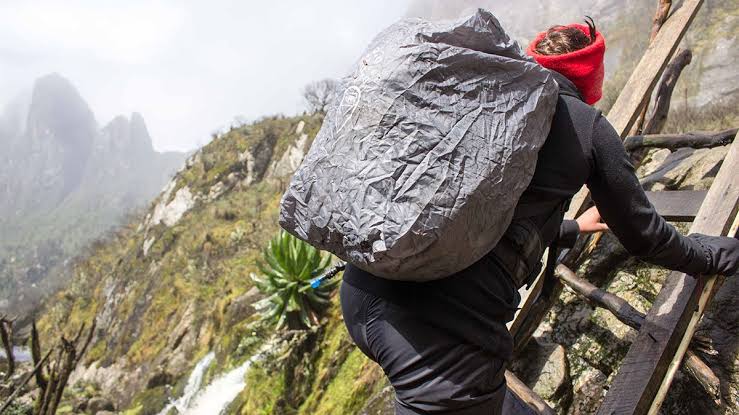
Most travelers in reasonable walking fitness can manage a Buhoma trek, though the humid climate and uneven ground mean it’s more physically demanding than a typical day hike back home. Porters are available to hire at the trailhead for a modest fee, and taking one is worth it regardless of your fitness level, both for the practical help on steep or slippery sections and as direct income support for the local community. Trekking poles, sturdy waterproof boots, and gardening gloves for pushing through vegetation all make a genuine difference to how manageable the trail feels by the time you reach the gorillas.
Buhoma’s Briefing and Ranger Station
Every trek begins with a mandatory briefing at the sector’s ranger station, where guides explain trekking etiquette, safety distances, and what to expect if the group encounters the gorillas at close range. This is also where you’re formally assigned to your trekking group and introduced to your specific ranger team for the day, along with a chance to ask any last questions before setting off. Arriving on time for this briefing matters considerably, since trekking groups depart together and latecomers can disrupt the day’s carefully coordinated tracking schedule.
Weather and Best Time to Trek in Buhoma
Bwindi’s climate stays relatively cool and wet year-round given its elevation and rainforest setting, but the two dry seasons, roughly June through September and December through February, offer noticeably firmer trail conditions and reduced rainfall. Trekking during the wetter months isn’t impossible and actually means fewer crowds and lush, dramatic forest scenery, but it does mean muddier trails and a higher chance of rain gear becoming essential rather than optional. Checking current seasonal conditions with your operator before finalizing dates helps set realistic expectations for trail conditions on your specific trek.
Where to Stay Near Buhoma
Buhoma has one of the most developed lodge clusters of any Bwindi sector, ranging from budget guesthouses to genuinely luxurious properties perched at the forest edge with views straight into the canopy. This range of accommodation options is part of why Buhoma remains a popular first-timer choice, since travelers can find a property matching their budget without sacrificing proximity to the trailhead. Many lodges here also arrange transport directly to the ranger station on trekking morning, simplifying logistics considerably compared to sectors with less developed infrastructure.
Buhoma vs Other Bwindi Sectors
Compared to Rushaga in the south, which offers the widest choice of gorilla families and permits, or Ruhija’s high-altitude birding appeal, Buhoma’s main advantage is its combination of accessibility, established infrastructure, and genuinely rich trekking history. Nkuringo, by contrast, is known for steeper, more physically demanding trails and a smaller, quieter lodge scene. None of Bwindi’s four sectors is objectively ‘best,’ and the right choice depends on your travel route into the region, fitness level, and whether you’re prioritizing convenience or a more remote, off-the-beaten-path feel.
What to Pack for a Buhoma Trek
Beyond sturdy boots and rain protection, pack layered clothing you can add or remove as the day’s exertion and forest shade shift the temperature, along with plenty of water and energy snacks for what can become a genuinely long day depending on where the gorillas have moved. A good daypack with a rain cover protects your camera gear and any spare layers, and a lightweight pair of binoculars adds real value for spotting forest birds during the walk in, well beyond just the headline gorilla encounter itself.
The Buhoma Community and Cultural Walk
Beyond the trekking itself, Buhoma offers a genuinely worthwhile community walk through the villages bordering the park, where local guides explain how tourism revenue supports schools, healthcare, and conservation initiatives in the surrounding area. Adding a half-day for this walk, either the afternoon before or after your trek, rounds out a Buhoma visit with meaningful cultural context that a gorilla trek alone doesn’t fully provide, and it directly channels tourist spending toward the communities living alongside the park.
Combining Buhoma With a Wider Uganda Safari
Because Buhoma sits reasonably close to Queen Elizabeth National Park, many itineraries pair Buhoma sector gorilla trekking with a few days of game drives and boat cruises along the Kazinga Channel, turning a single-purpose gorilla trip into a fuller wildlife safari. This routing also works well in the opposite direction, starting with Uganda’s savannah parks before finishing on the high note of a Buhoma trek, and either sequence avoids unnecessary backtracking across the country. Travelers with more time sometimes extend further west to Kibale National Park for chimpanzee tracking, creating a genuinely comprehensive primate-and-wildlife circuit through southwestern Uganda.
Common Questions About Buhoma Sector Trekking
First-time visitors often ask how much walking is truly involved, and the honest answer is that it varies daily depending entirely on where the assigned gorilla family has moved overnight, ranging from a gentle hour-long walk to a considerably longer trek through denser forest. Another common question concerns group size, since Uganda Wildlife Authority regulations cap each trekking group at a limited number of visitors per gorilla family, which keeps the encounter intimate and limits stress on the gorillas themselves. Travelers also frequently ask whether photography is permitted, and while cameras are welcome, flash photography is strictly prohibited during the actual gorilla encounter to avoid startling the animals.
Booking Your Buhoma Gorilla Trekking Permit
Gorilla trekking permits for Buhoma should be booked well in advance, ideally three to six months ahead for peak season dates, since the sector’s popularity means permits can sell out faster than some of Bwindi’s less-visited alternatives. Working with an established operator who can secure permits for your specific preferred dates, arrange nearby accommodation, and handle the logistics of reaching this genuinely remote corner of southwestern Uganda takes considerable stress out of planning what remains, for most visitors, the single most memorable day of an East Africa gorilla trekking trip.
Recommended Tours: 3 Days Bwindi Gorilla Trekking Safari | 5 Days Uganda Wildlife and Gorilla Trekking Tour