The Nkuringo Gorilla Family of Bwindi: A Trekker’s Profile
The Nkuringo gorilla family holds a special distinction as the first group habituated for tourism in Bwindi Impenetrable National Park’s southern sector, giving both the family and the surrounding trekking zone their shared name. This family’s habituation opened up an entirely new corner of the park to tourism, well beyond Buhoma’s original trekking infrastructure, and its ridge-top territory remains one of the more physically demanding treks in the entire park, a reputation that has only grown as more visitors have completed the climb over the years. This guide covers the Nkuringo family’s pioneering history in the south, its distinctive terrain, where its territory sits, and what a trek to see this group genuinely involves from briefing to encounter.
Opening Up Southern Bwindi to Tourism
Before the Nkuringo family’s habituation, Bwindi’s southern reaches remained largely outside the park’s tourism footprint, with Buhoma in the north serving as the primary, and for years the only, hub for gorilla trekking in Uganda. The successful habituation of this family demonstrated that the park’s more remote, physically demanding southern terrain could support tourism too, paving the way for the eventual development of what became the full Nkuringo sector alongside neighboring Rushaga.
Why This Family Shares Its Sector’s Name
Naming both a specific gorilla family and its entire surrounding trekking sector Nkuringo reflects the family’s foundational role in establishing tourism in this part of the park, much as Buhoma’s name applies to both a family lineage and the broader sector built up around the original Mubare habituation in the north. This naming pattern gives newcomers a useful, if occasionally confusing, way to trace which families opened up which corners of Bwindi to visitors over the decades.
A Family Known for Demanding Terrain
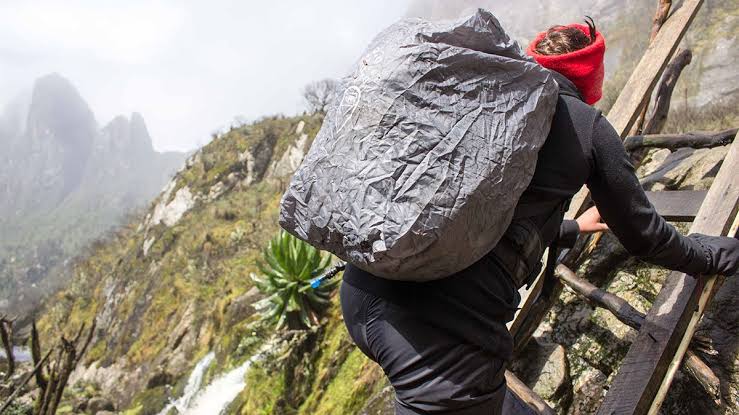
Consistent with the broader reputation of the Nkuringo sector itself, this specific family’s territory spans genuinely steep, ridge-top terrain with dramatic elevation changes between the ranger post and the valley below where the family often forages. Trekkers assigned to this group should approach the day with realistic expectations about the physical effort required, given the sector’s well-earned reputation as one of Bwindi’s more demanding trekking zones.
Where the Nkuringo Family’s Territory Sits
The family’s range spans the steep valley and ridge terrain characteristic of the broader Nkuringo sector, and as with every family, its exact position on a given day depends on recent foraging patterns and food availability across that demanding landscape. Trackers head out at first light to confirm the family’s overnight location, and depending on where the group has moved, the resulting trek can range from moderately challenging to genuinely grueling.
What a Trek to See the Nkuringo Family Involves
Like every Bwindi trek, visiting this family begins with the standard early morning briefing at the Nkuringo ranger station, where trekkers are assigned to specific families based on fitness level and current tracking reports. Given the sector’s demanding reputation, honest fitness self-assessment matters considerably when booking a trek to see this particular group.
Trekking Difficulty and What to Pack
Given the Nkuringo family’s steep, demanding terrain, proper broken-in waterproof hiking boots, trekking poles, and rain-ready layered clothing are essential rather than optional. Porters are close to essential on this terrain too, and most trekkers who attempt this trek without one regret the decision by the return climb.
Best Time to Trek to the Nkuringo Family
Uganda’s two dry seasons, roughly June through September and December through February, offer the firmest trail conditions, and given how steep this family’s terrain already is, trekking during the wetter months adds a meaningful layer of difficulty through slippery, mud-heavy trails.
The Nkuringo Family’s Place Among Bwindi’s Groups
The broader Nkuringo sector is home to additional habituated families beyond this founding group, each tracked by dedicated ranger teams across the sector’s demanding terrain. For a full breakdown of what makes this corner of Bwindi so distinctive, the complete Nkuringo sector gorilla trekking guide covers the sector’s scenery, difficulty, and logistics in detail.
Conservation and What Your Permit Supports
Every gorilla trekking permit fee, regardless of which family you’re assigned to, funds a substantial share of Uganda’s ongoing conservation work, from anti-poaching patrols to veterinary care and community development programs in villages surrounding Bwindi. This family’s pioneering habituation directly enabled the tourism revenue that now supports an entire additional sector’s worth of conservation infrastructure and community benefit.
Common Questions About Trekking the Nkuringo Family
Trekkers frequently ask whether this specific family is harder to trek than others in the sector, and the honest answer is that difficulty varies daily based on the family’s exact position, though this founding group’s territory is broadly consistent with the sector’s overall demanding reputation. Visitors also ask what reward awaits after the difficult climb, and most trekkers cite the dramatic valley and volcano views along the route as a genuine highlight that makes the physical effort feel worthwhile.
How This Family Compares to Rushaga’s Groups Nearby
While both the Nkuringo and Rushaga sectors sit in southern Bwindi and share a broadly similar volcanic backdrop, the terrain accessing this specific family’s territory tends to involve steeper, more sustained elevation changes than many Rushaga families, a distinction worth understanding when comparing sectors for a southern Bwindi trek. Trekkers deciding between the two sectors often find it useful to read the full Rushaga sector gorilla trekking guide alongside this profile before finalizing their choice.
Why This Family’s Legacy Still Matters
Every trek conducted today in the Nkuringo sector, across all of its habituated families, exists because this founding group’s successful habituation proved southern Bwindi’s terrain could support sustainable tourism. That legacy adds real historical weight to a trek that already ranks among the most physically rewarding gorilla encounters available in Uganda.
Combining a Nkuringo Family Trek With the Rest of Uganda
Most visitors trekking to see this family base themselves near the Nkuringo ranger post for at least one night before and after the trek, and many combine the visit with Mgahinga Gorilla National Park’s golden monkey trekking or a Rwanda border crossing, given the sector’s proximity to Kisoro.
What the Original Habituation Team Faced
Habituating this family in the demanding terrain of southern Bwindi presented genuine logistical challenges beyond the usual patient, years-long process required anywhere, given the steep, remote nature of the territory the team had to access daily to build the family’s tolerance for human presence. Their eventual success not only opened this specific family to tourism but proved that Uganda Wildlife Authority could sustainably manage trekking operations even in the park’s most physically demanding corners, a lesson that directly informed the sector’s subsequent development.
What Makes This Founding Family Worth Visiting Today
Beyond its historical significance, the Nkuringo family offers trekkers a genuinely full gorilla encounter, playful juveniles, attentive mothers, and a watchful silverback managing the group across some of the most dramatic terrain found anywhere in Bwindi. Visitors who complete this trek often describe a particular sense of accomplishment tied directly to the physical challenge involved, layered on top of the standard emotional impact of meeting wild mountain gorillas at close range.
Photography and Etiquette During an Encounter
Flash photography is strictly prohibited throughout every gorilla encounter in Uganda, and this rule applies with equal seriousness to the Nkuringo family as to every other group in Bwindi, regardless of how demanding the walk was to reach them. Staying quiet, moving deliberately, and following your ranger’s instructions immediately if repositioning becomes necessary all remain standard practice, and after the genuinely challenging climb required to reach this family, most trekkers find the encounter feels especially well-earned.
After the Encounter: The Climb Back Out
Once your hour with the family concludes, the return climb up Nkuringo’s steep valley walls is, for most trekkers, the single hardest stretch of the entire day, and pacing yourself rather than rushing matters considerably more here than with families in gentler sectors. Most nearby lodges plan their evening service around the genuinely long return times common to this trek, and a hot meal followed by an early night is the realistic way most visitors close out a day spent with this founding family.
Why This Family Attracts Serious Trekking Enthusiasts Specifically
Travelers who’ve already completed more moderate treks elsewhere in Bwindi sometimes specifically request this family’s sector, drawn by its genuine reputation for delivering both a serious physical accomplishment and a historically significant encounter within the same demanding day.
How This Trek Rewards Careful Pre-Trip Fitness Preparation
Given the sustained elevation change involved, trekkers who arrive having done real cardiovascular preparation in the weeks beforehand consistently report a considerably more manageable, even enjoyable, day than those who underestimate the terrain based on general safari fitness alone.
Planning Your Visit to the Nkuringo Family
Because final family assignments rest with park authorities on the morning of the trek, working with an experienced operator who will give you an honest assessment of whether this specific family’s demanding terrain suits your fitness level leads to a considerably better outcome than discovering the difficulty partway up the ridge.
Recommended Tours: 4 Days Uganda Gorilla and Chimpanzee Tour | 10 Days Ultimate Uganda Gorilla & Big Five Safari